10 Amazing Things to Do in Padua for First-Time Visitors
Introduction
Tired of overcrowded tourist traps where you spend more time in queues than actually experiencing the destination? Padua offers something refreshingly different. This northern Italian gem delivers world-class art, ancient history, and authentic Italian culture without the overwhelming crowds of Venice or Florence.
After years of curating travel experiences throughout Italy and countless visits to Padua, I’ve discovered that this city consistently surprises first-time visitors with its perfect blend of accessibility and authenticity. From Giotto’s revolutionary frescoes to Europe’s oldest botanical garden, Padua rewards curious travelers with unforgettable moments.
In this guide, you’ll discover the top 10 must-see attractions in Padua, learn why this historic city deserves a spot on your Italian itinerary, and get practical answers to common questions that will help you plan the perfect visit.
Table of Contents
Why You Should Visit Padua
Padua stands as one of Italy’s most culturally significant cities, home to masterpieces that changed the course of Western art and one of Europe’s oldest universities, founded in 1222. The city’s compact historic center makes it incredibly convenient for first-time visitors—you can walk between major attractions in minutes, yet each site offers profound depth and authenticity.
Unlike more touristy destinations, Padua maintains its character as a living Italian city where locals outnumber visitors. You’ll find genuine trattorias serving regional specialties, bustling market squares filled with residents doing their daily shopping, and cultural treasures that rival anything in more famous cities. The variety of experiences—from sacred art to botanical science, from medieval architecture to contemporary street art—ensures that every type of traveler finds something captivating.
Padua also serves as an excellent base for exploring the Veneto region, with Venice just 30 minutes away by train and the romantic Brenta Canal villas within easy reach. You get the convenience of excellent connections combined with the tranquility and affordability that comes from staying off the beaten path.
10 Amazing Things to Do in Padua for First-Time Visitors
Marvel at the Scrovegni Chapel
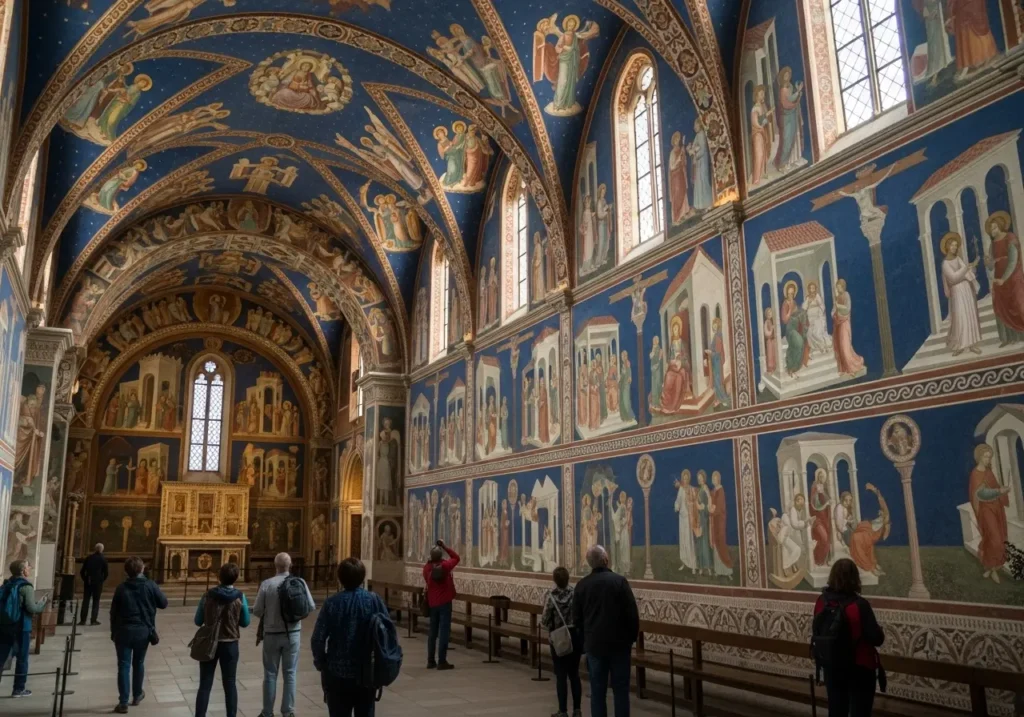
The Scrovegni Chapel houses Giotto’s revolutionary fresco cycle, completed in 1305, which fundamentally transformed European art by introducing naturalism and emotional depth. These vibrant blue-walled masterpieces depicting the lives of Mary and Christ influenced generations of Renaissance artists. Visits are strictly timed and limited to preserve the frescoes, so advance booking is essential. The chapel’s intimate space creates an incredibly immersive experience where you’re surrounded by these groundbreaking artworks. Despite being over 700 years old, the colors remain startlingly vivid, making this one of Padua’s absolute must-see attractions that justifies a trip to the city alone.
Explore Prato della Valle
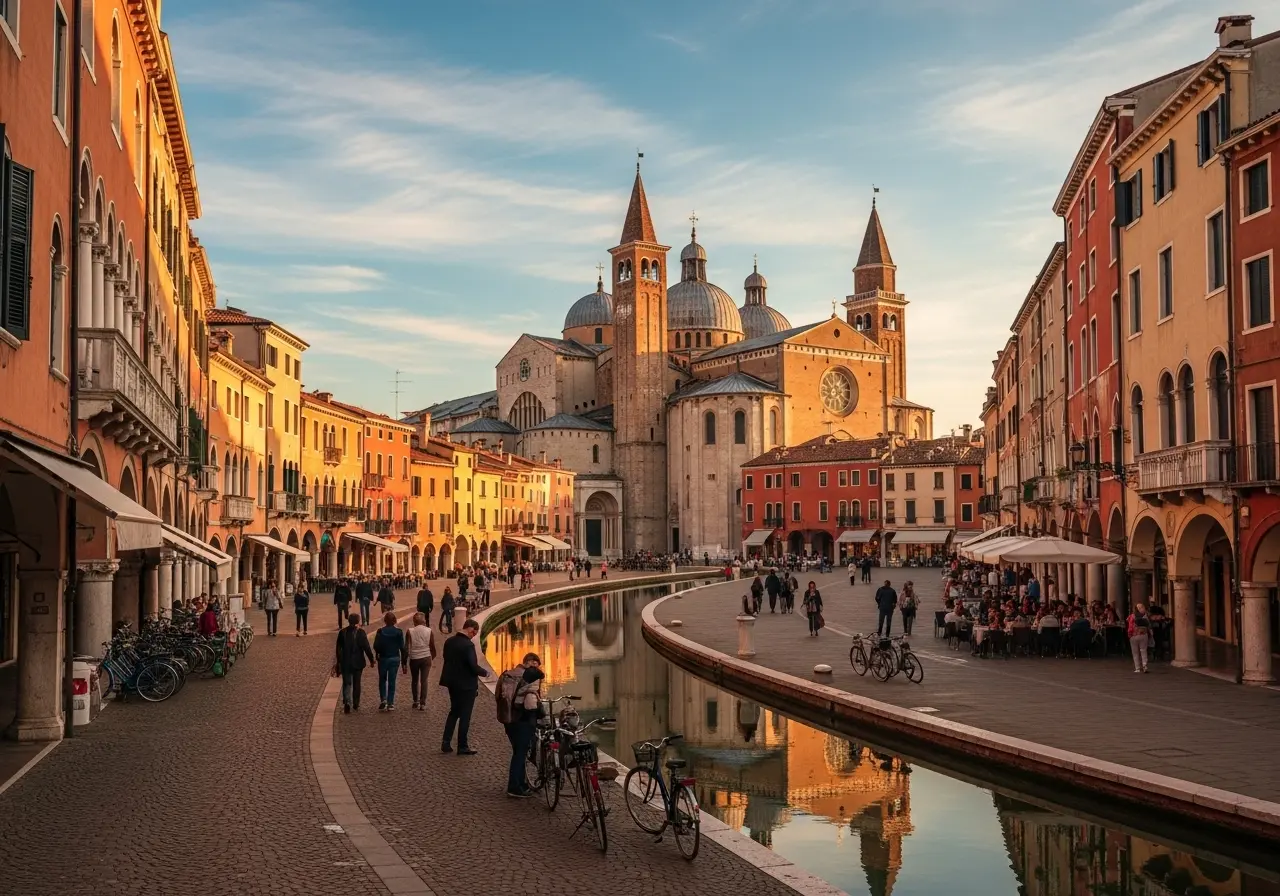
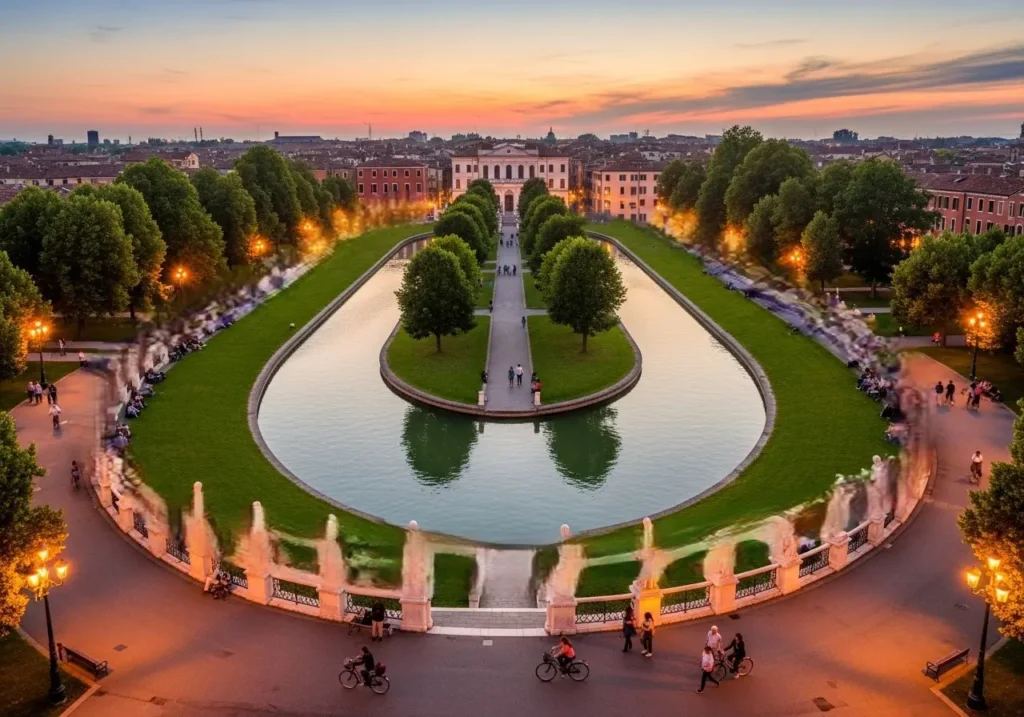
This elliptical square ranks among Europe’s largest public spaces, featuring a central island surrounded by a canal and decorated with 78 statues of notable figures connected to Padua. Originally a Roman theater site, it was redesigned in the late 18th century into its current elegant form. The Prato serves as Padua’s social heart, where locals gather for evening strolls, weekend markets, and community events. The surrounding cafés and bars offer perfect vantage points for people-watching while enjoying an aperitivo. On Saturdays, one of the region’s largest outdoor markets transforms the space into a bustling bazaar selling everything from antiques to local produce.
Visit the Basilica of Saint Anthony
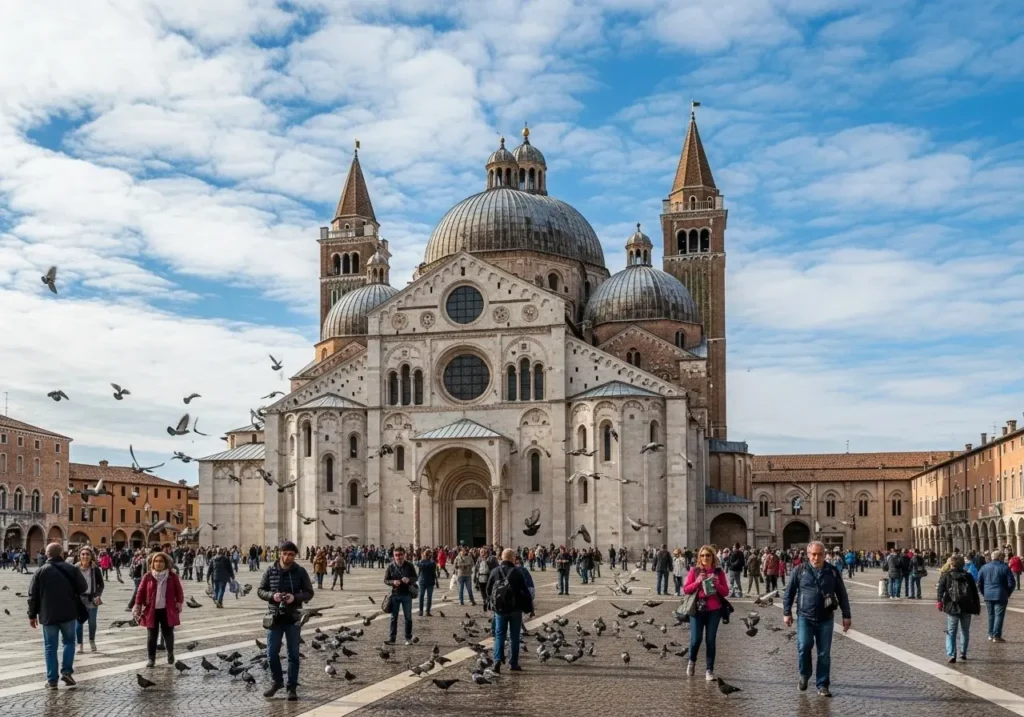
This magnificent basilica honors Saint Anthony of Padua, one of Catholicism’s most beloved saints, and attracts millions of pilgrims annually. The architecture blends Romanesque, Gothic, and Byzantine elements, creating a visually stunning exterior crowned by distinctive domes. Inside, you’ll find the saint’s tomb in an ornate chapel, precious artworks including bronze sculptures by Donatello, and the Treasury Museum housing sacred relics. Even non-religious visitors appreciate the basilica’s artistic and historical significance. The adjacent cloisters and museums provide deeper insights into Saint Anthony’s life and the basilica’s 800-year history. The square outside buzzes with activity, offering gelato shops and cafés perfect for reflection after your visit.
Wander Through the Botanical Garden
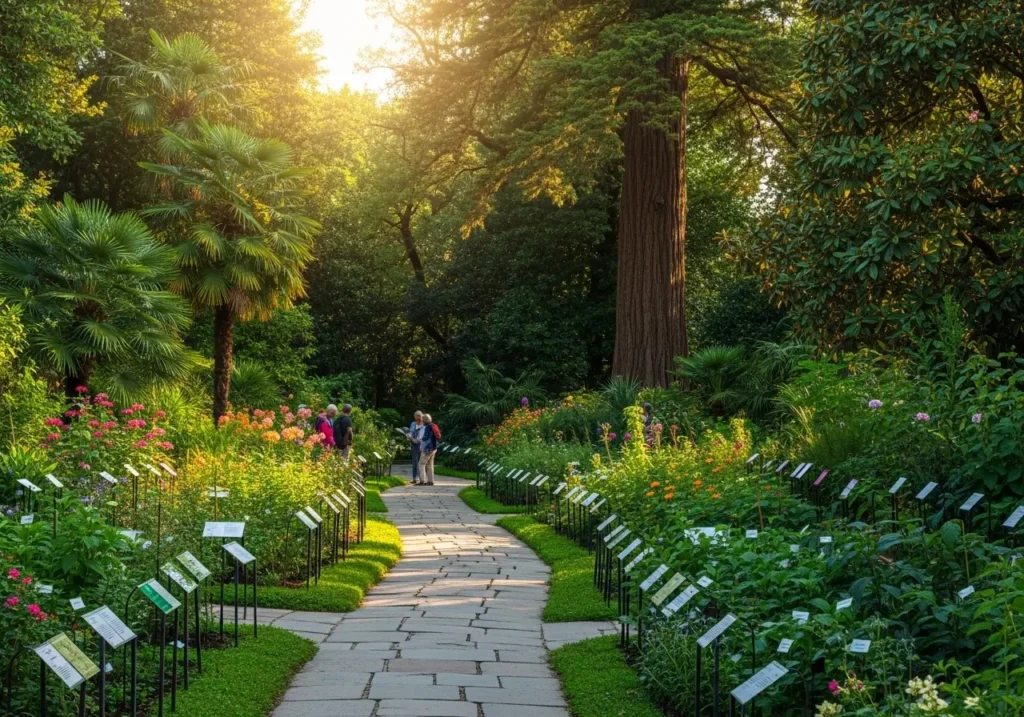
Founded in 1545, Padua’s Orto Botanico is the world’s oldest academic botanical garden still in its original location and a UNESCO World Heritage Site. The garden was established to grow medicinal plants for the university’s medical school and continues to serve scientific and educational purposes today. You’ll find over 6,000 plant species arranged in themed sections, including the original 16th-century circular walled garden that remains remarkably intact. Notable specimens include Goethe’s palm, planted in 1585, which inspired the German poet’s theories on plant evolution. The modern biodiversity garden, opened in 2014, features innovative greenhouses showcasing ecosystems from around the world.
Step Inside Caffè Pedrocchi
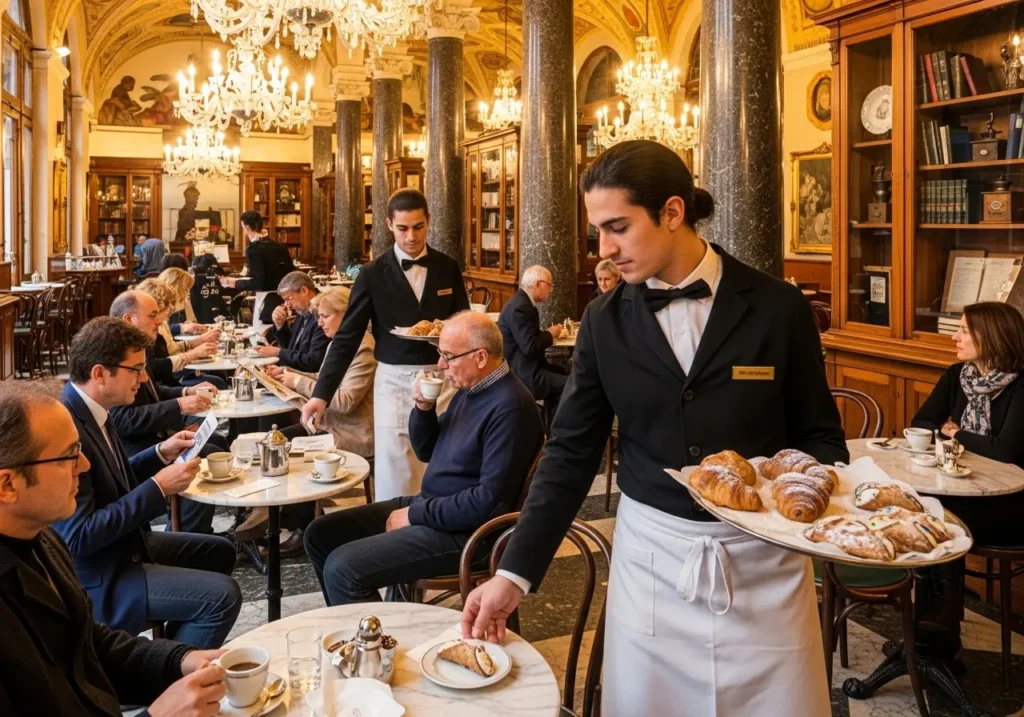
This neoclassical café, opened in 1831, has been called “the café without doors” because it originally stayed open 24 hours a day for decades. Caffè Pedrocchi served as an intellectual meeting place where students, professors, and political activists debated ideas that shaped Italian history. The ground-floor café maintains its elegant period atmosphere with marble tables, mirrored walls, and frescoed ceilings where you can order the signature mint-infused caffè Pedrocchi or traditional Italian coffee. Upstairs, the Piano Nobile museum rooms showcase extravagant 19th-century décor in various historical styles. The café witnessed the 1848 student uprising against Austrian occupation, with bullet holes still visible in one doorway as testimony to Padua’s role in Italian unification.
Tour Palazzo della Ragione
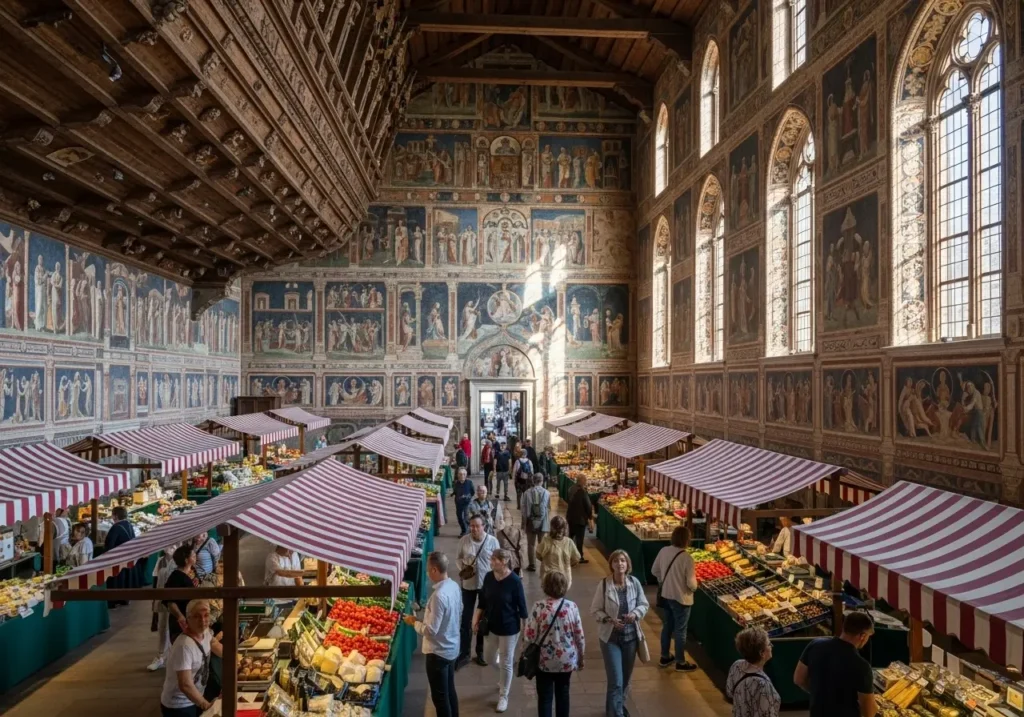
This imposing medieval palace, built in 1218, dominates the space between Padua’s twin market squares and once served as the city’s court of justice. The main attraction is the enormous upper hall, one of Europe’s largest undivided medieval rooms, featuring a spectacular wooden ship-shaped roof completed after a 1420 fire. The walls are covered with a 15th-century fresco cycle of astrological and religious themes across 333 panels. The hall’s remarkable acoustics become apparent during events and concerts held here. Below, the ground-floor market arcades continue their centuries-old commercial function. A massive wooden horse sculpture, a 1466 copy of Donatello’s famous Gattamelata, adds an unexpected touch of whimsy to this architectural marvel.
Discover the University of Padua
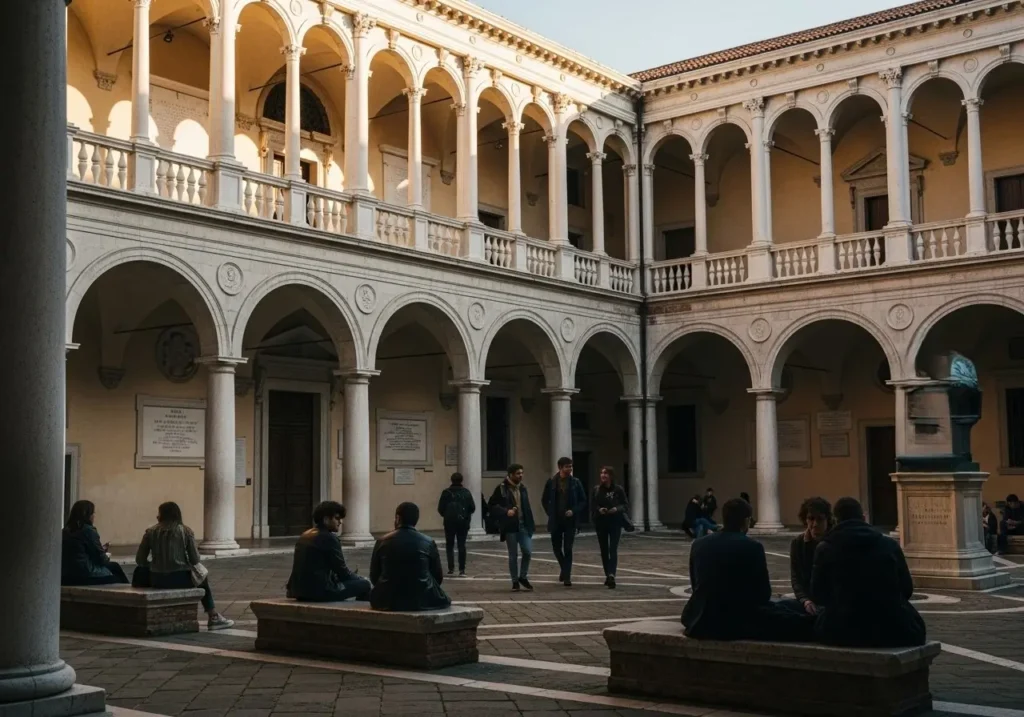
Founded in 1222, the University of Padua ranks among the world’s oldest universities and claims Galileo Galilei among its most famous professors. The historic Palazzo Bo building offers guided tours showcasing the world’s first permanent anatomical theatre, built in 1595, where medical students observed dissections from tiered wooden galleries. You’ll see Galileo’s original lectern where he taught from 1592 to 1610, and the hall decorated with thousands of student coat-of-arms spanning centuries. The university’s history intertwines with scientific revolution and free thought, earning it the motto “Universa Universis Patavina Libertas” (Paduan Freedom is Universal for Everyone). This attraction offers fascinating insights into medieval academic life and Renaissance scientific breakthroughs that shaped modern knowledge.
Relax in Piazza delle Erbe and Piazza della Frutta
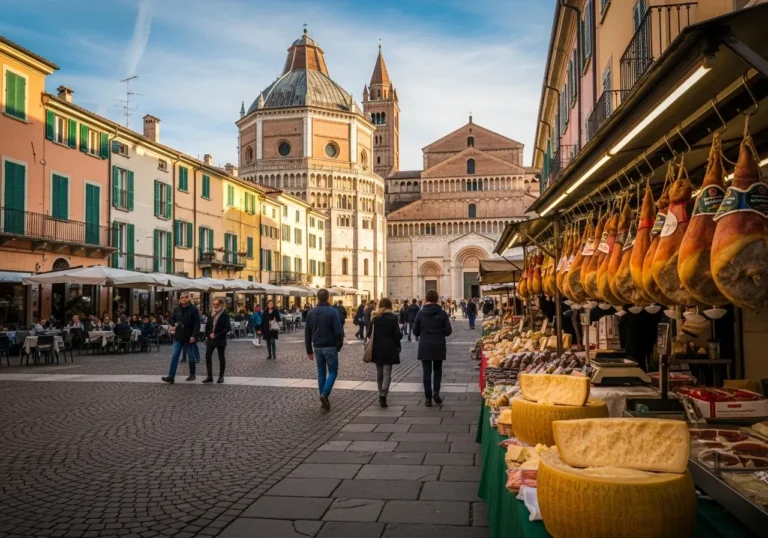
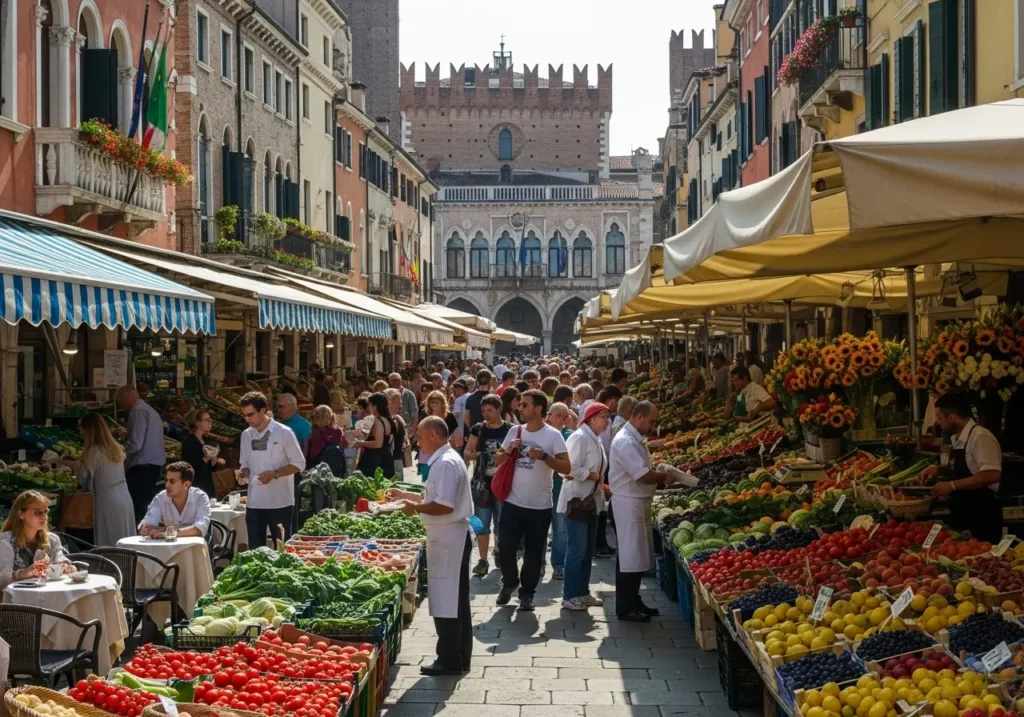
These adjacent market squares represent Padua’s authentic daily life, where locals shop for fresh produce, cheese, and regional specialties at colorful market stalls that have operated here for centuries. Piazza delle Erbe hosts the fruit and vegetable market, while Piazza della Frutta focuses on other food products, though the distinction blurs in practice. The Palazzo della Ragione divides the two squares, creating an atmospheric covered arcade beneath. Surrounding medieval buildings house historic shops, wine bars, and traditional trattorias where you can taste Venetian cicchetti small plates and local wines. Morning visits offer the most vibrant market atmosphere, but evenings transform the squares into social gathering spots perfect for experiencing authentic Paduan life away from major tourist sites.
Enjoy Padua’s Street Art and Murals
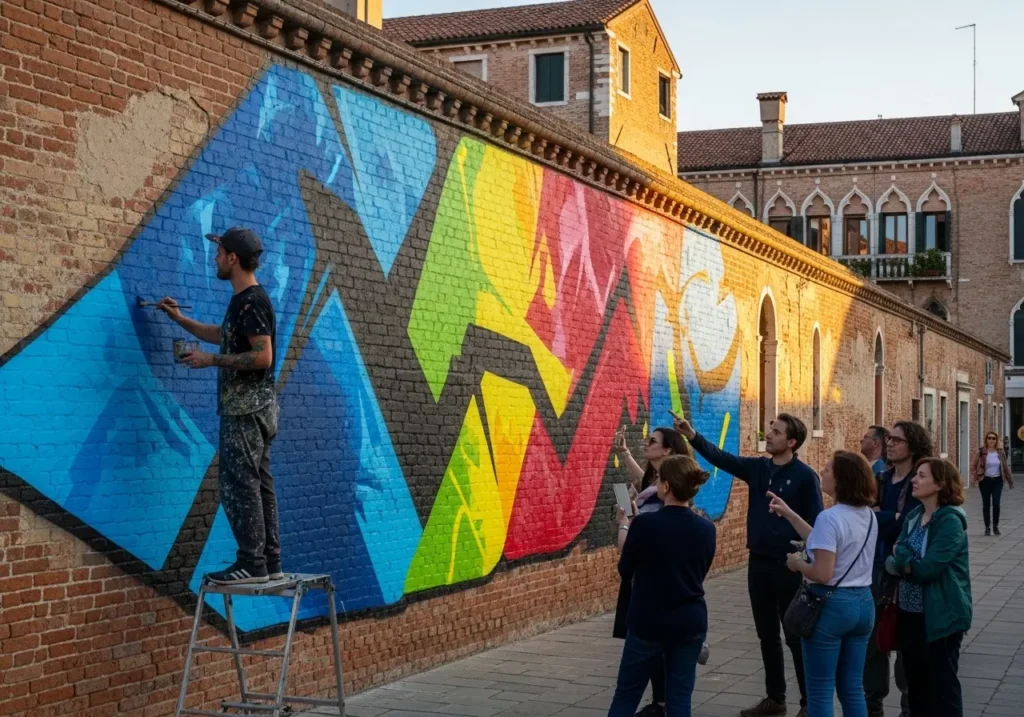
Padua has emerged as a significant Italian street art destination, with large-scale murals transforming various neighborhoods into open-air galleries. The most famous piece is Kenny Random’s enormous mural near the train station, but dozens of works by Italian and international artists appear throughout the city. The Arcella and Ponte Molino neighborhoods feature particularly impressive concentrations of street art addressing social themes and celebrating local culture. These artworks demonstrate Padua’s contemporary creative spirit alongside its ancient heritage. Several organized street art tours help visitors discover pieces they might otherwise miss, though wandering these neighborhoods independently rewards curious explorers. This free artistic experience contrasts beautifully with the city’s ticketed Renaissance treasures and appeals to visitors seeking Padua’s modern cultural identity.
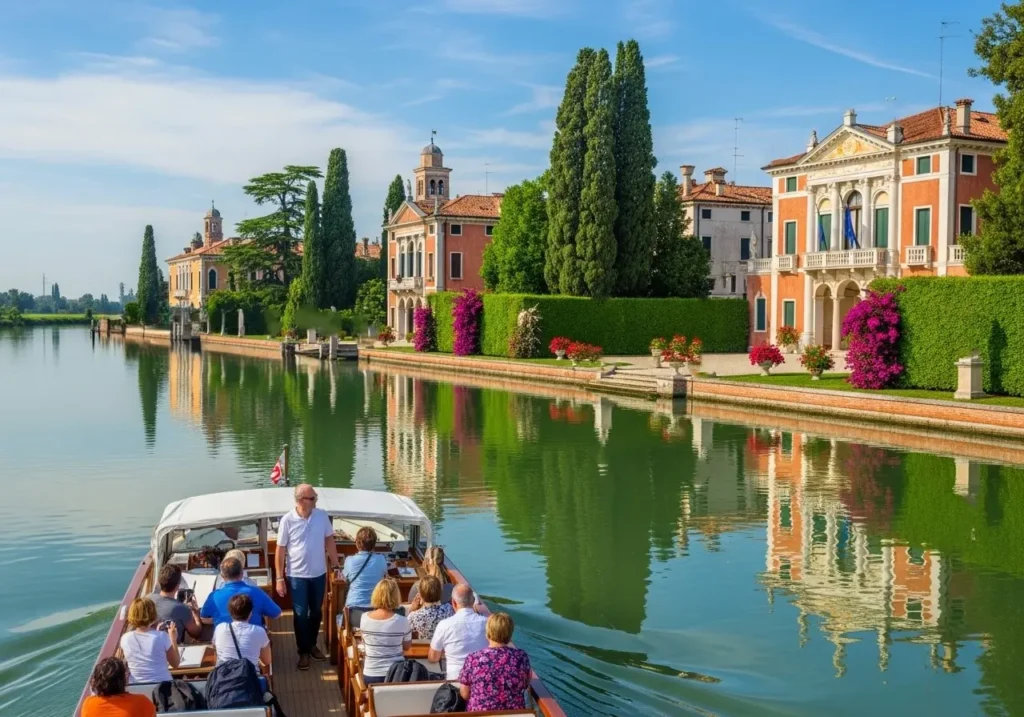
Take a Day Trip Along the Brenta Canal
The Brenta Canal connects Padua to the Venetian Lagoon and is lined with magnificent Venetian villas that once served as countryside retreats for Venice’s noble families. Several of these architectural masterpieces, including Villa Pisani with its famous hedge maze and frescoes by Tiepolo, open to visitors. Traditional burchiello boats offer scenic cruises along the canal, recreating the leisurely journeys Venetian aristocrats once made between their city palace and country estate. Alternatively, cycling the Brenta towpath provides an active way to explore the countryside and stop at villas, trattorias, and charming villages at your own pace. This excursion offers a peaceful contrast to urban sightseeing while revealing the historical connections between Padua and Venice.
FAQs About Padua
How many days do you need in Padua?
Two to three days allows enough time to see major attractions without rushing, though you can cover highlights in a full day. An overnight stay lets you experience the city’s evening atmosphere when day-trippers have departed and locals fill the squares.
Is Padua worth visiting from Venice?
Absolutely. Padua offers world-class art and architecture without Venice’s overwhelming crowds and inflated prices. The 30-minute train journey makes it an easy and rewarding day trip, though staying overnight provides a more relaxed experience.
What is Padua famous for?
Padua is renowned for Giotto’s Scrovegni Chapel frescoes, the Basilica of Saint Anthony, Europe’s oldest botanical garden, and its prestigious university where Galileo taught. It’s also known for its well-preserved medieval center and vibrant market squares.
When is the best time to visit Padua?
Spring (April-May) and fall (September-October) offer pleasant weather and fewer tourists. Summer brings heat but longer days and outdoor events. Winter is quiet with occasional fog but makes advance Scrovegni Chapel bookings easier to secure.
Do you need to book tickets in advance for Padua attractions?
The Scrovegni Chapel requires advance reservation, often weeks ahead in high season. Most other attractions accept walk-ins, though booking university tours ahead is recommended. The Padova Card offers skip-the-line access and savings if visiting multiple sites.
Conclusion
Padua delivers an extraordinary Italian experience that combines artistic masterpieces, living history, and authentic culture in a wonderfully walkable city. From Giotto’s revolutionary frescoes to medieval market squares where locals still shop for fresh produce, every corner reveals layers of history without the overwhelming tourist crowds found in more famous destinations.
Ready to discover Padua’s hidden treasures? Start planning your visit by booking your Scrovegni Chapel tickets now—they sell out quickly, especially during peak season. Then explore accommodation options in the historic center to maximize your time experiencing this remarkable city.
Thousands of travelers discover each year that Padua exceeds their expectations, offering depth, beauty, and authenticity that make it one of northern Italy’s most rewarding destinations. Join them in uncovering what makes this university city so special, and you’ll understand why those who visit Padua often return again and again.