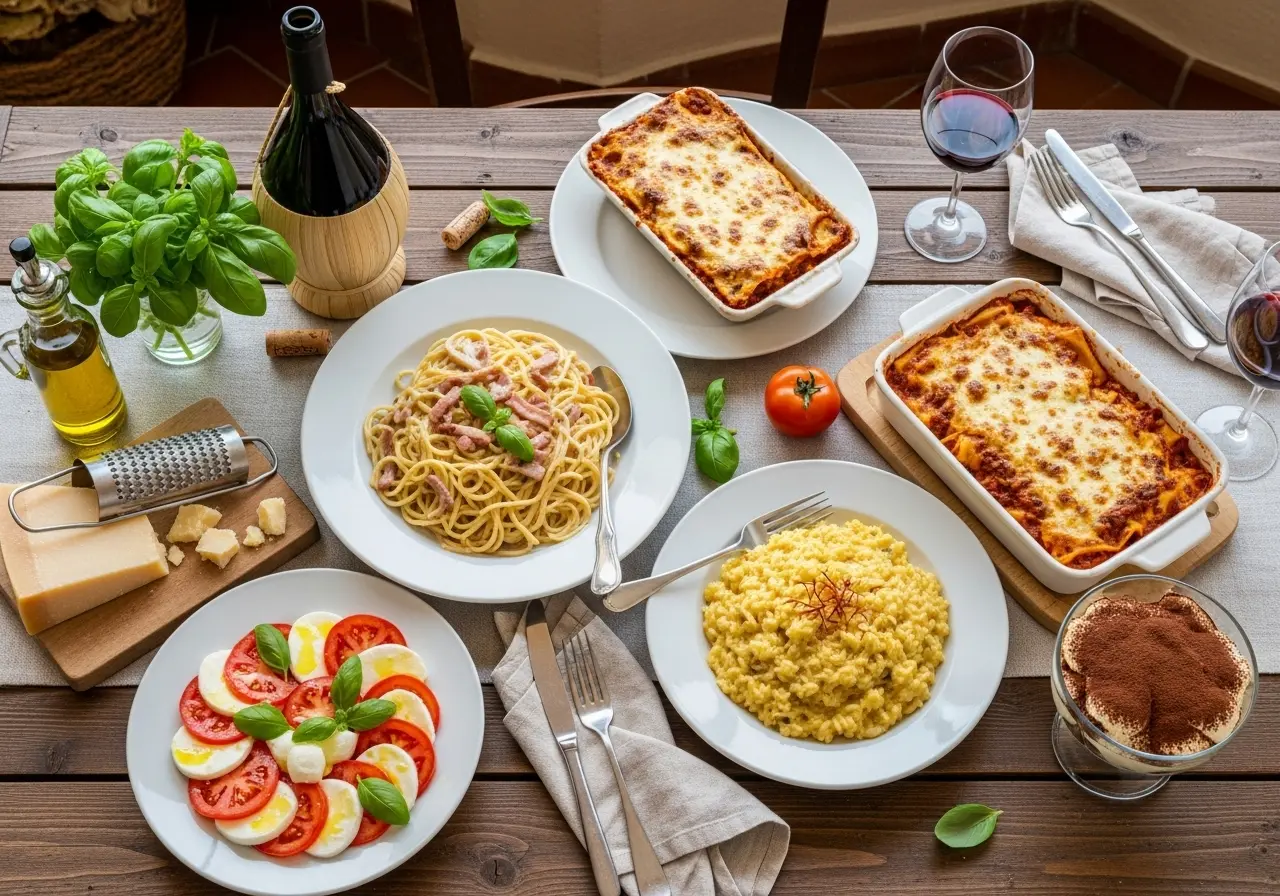
10 Authentic Italian Cuisine Dishes You Must Try Today
Introduction
Have you ever felt overwhelmed by restaurant menus claiming to serve “authentic Italian” food, only to be disappointed by what arrives at your table? You’re not alone. Many travelers and food enthusiasts struggle to distinguish genuine Italian dishes from commercialized imitations that barely resemble their traditional counterparts.
This comprehensive guide will transform you from a casual diner into a confident connoisseur of authentic Italian cuisine. You’ll discover the true flavors, techniques, and regional traditions that make Italian food one of the world’s most beloved culinary treasures.
As a content strategist and culinary researcher with years of experience exploring Italy’s diverse food landscape, I’ve tasted, researched, and verified these dishes across multiple regions. From family-owned trattorias in Rome to Michelin-starred restaurants in Milan, I’ve gathered insights that will help you appreciate what makes each dish authentically Italian.
In this article, you’ll explore ten essential Italian dishes that represent the heart and soul of authentic Italian cuisine, understand why experiencing genuine Italian food matters, and get answers to the most common questions about Italian dining traditions.
Table of Contents
Why You Should Try Authentic Italian Cuisine
Cultural Connection: Authentic Italian cuisine offers more than just a meal—it provides a direct connection to centuries of regional traditions, family recipes, and cultural heritage. Each dish tells a story of the land, the people, and the history that shaped it. When you taste genuine Italian food, you’re experiencing the same flavors that have been passed down through generations, connecting you to the authentic Italian way of life.
Unmatched Variety: Italy’s culinary landscape is incredibly diverse, with each of its 20 regions offering distinct flavors, ingredients, and cooking techniques. From the butter-rich dishes of Northern Italy to the tomato-based specialties of the South, authentic Italian cuisine provides endless variety. This regional diversity means you can explore dozens of unique taste profiles while staying within Italian culinary traditions.
Quality and Simplicity: True Italian cooking prioritizes high-quality, fresh ingredients prepared with simple techniques that let natural flavors shine. Unlike heavily processed or overcomplicated dishes, authentic Italian cuisine demonstrates that exceptional food doesn’t require elaborate preparation—just excellent ingredients, proper technique, and respect for tradition. This approach not only creates memorable flavors but also promotes healthier, more mindful eating.
10 Authentic Italian Cuisine Dishes You Must Try Today
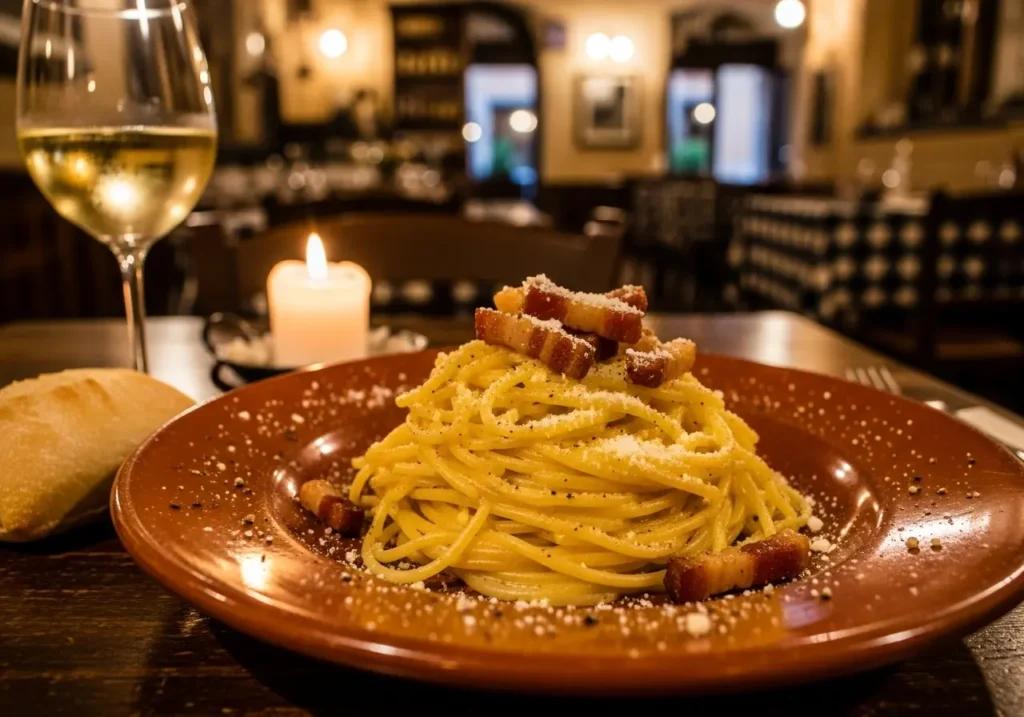
Spaghetti alla Carbonara
This iconic Roman dish represents the perfect harmony of simplicity and flavor. Traditional carbonara contains only five ingredients: spaghetti, guanciale (cured pork jowl), eggs, Pecorino Romano cheese, and black pepper. The magic happens when hot pasta combines with beaten eggs and cheese, creating a silky, luxurious sauce without cream. Many restaurants add cream or bacon, but authentic carbonara relies on technique and timing. The dish originated in mid-20th century Rome, possibly created by charcoal workers (carbonai) who needed hearty, portable meals. Today, it stands as a testament to Italian culinary philosophy: exceptional results from minimal, quality ingredients.
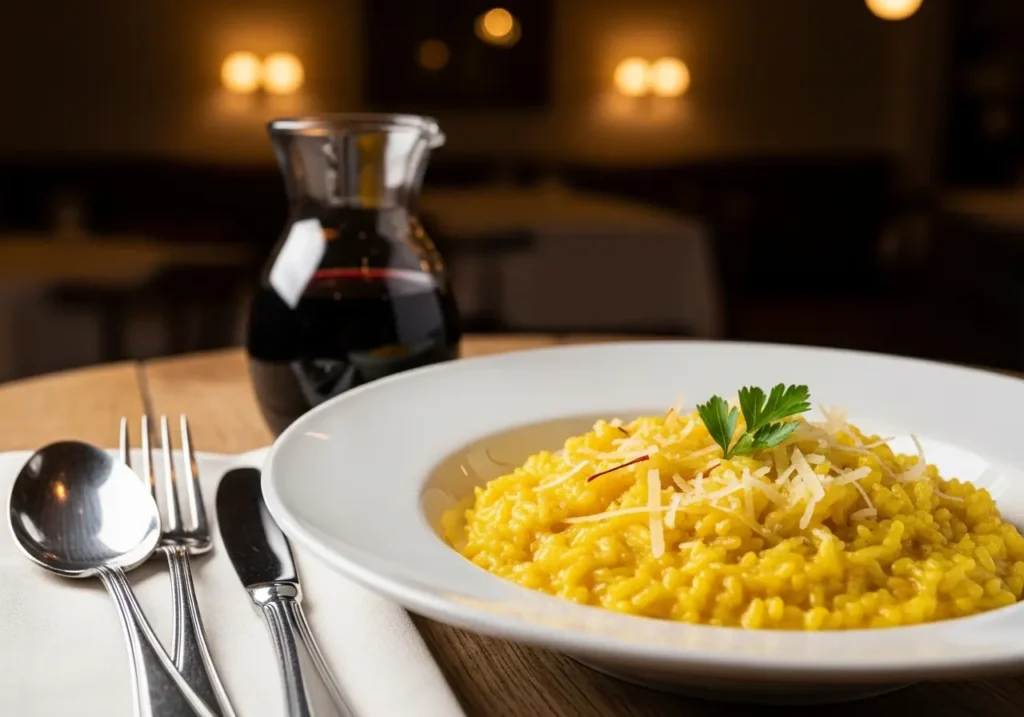
Risotto alla Milanese
Milan’s signature dish showcases the elegance of Northern Italian cuisine through its distinctive golden color and creamy texture. The secret ingredient is saffron, which infuses the Arborio rice with a subtle floral flavor and brilliant yellow hue. Proper risotto requires constant stirring and gradual addition of hot broth, creating a creamy consistency without any cream. Bone marrow traditionally enriches the dish, adding depth and silkiness. Legend suggests this dish originated in 1574 at a wedding feast, when a glassmaker’s apprentice added saffron to rice. The result must be all’onda—flowing like waves when the plate is tilted.

Lasagna alla Bolognese
Forget heavy, overstuffed American-style lasagna—authentic Bolognese lasagna is refined and balanced. Originating from Bologna in Emilia-Romagna, this dish features delicate sheets of fresh egg pasta layered with ragù alla Bolognese (a slowly simmered meat sauce), béchamel sauce, and Parmigiano-Reggiano. The ragù requires hours of gentle cooking with ground beef, pancetta, vegetables, tomato paste, and wine. Traditional versions contain no ricotta or mozzarella, which are Southern Italian additions. Each layer should be thin enough to distinguish individual components while creating a harmonious whole. The result is sophisticated comfort food that exemplifies Northern Italian culinary precision.
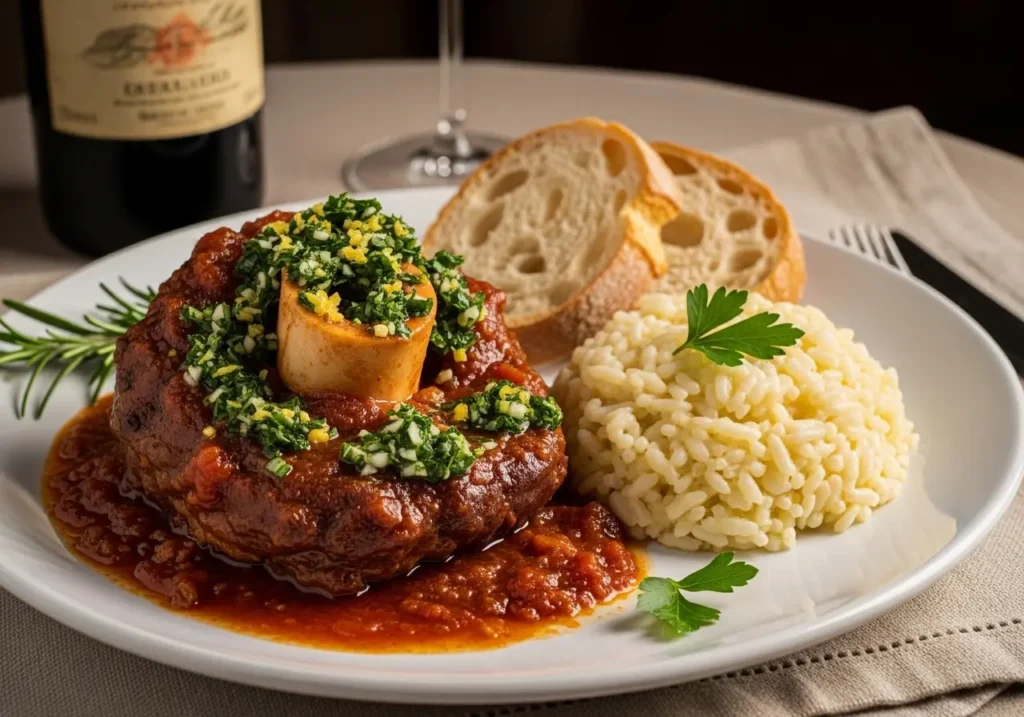
Ossobuco
This Milanese specialty transforms tough veal shanks into melt-in-your-mouth luxury through patient braising. Ossobuco literally means “bone with a hole,” referring to the marrow-filled bone at the center of each cross-cut shank. The meat braises slowly in white wine, broth, and vegetables until it becomes spoon-tender. The crowning touch is gremolata—a fresh mixture of lemon zest, garlic, and parsley—sprinkled on just before serving to brighten the rich flavors. Traditionally served with risotto alla Milanese, ossobuco demonstrates Italian mastery of slow-cooking techniques. The prized marrow inside the bone is meant to be scooped out and savored as the meal’s ultimate delicacy.
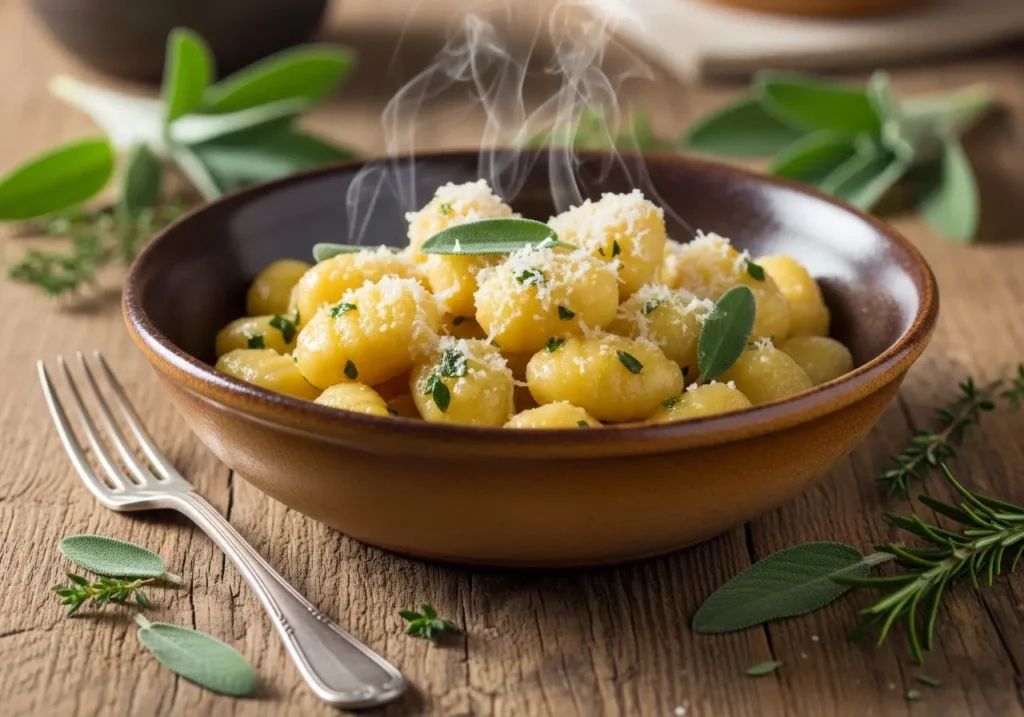
Gnocchi di Patate
These pillowy potato dumplings represent rustic Italian comfort food at its finest. Authentic gnocchi require just potatoes, flour, egg, and salt, yet achieving the perfect texture demands skill and experience. The dumplings must be light and tender, never gummy or dense. Traditional preparation involves passing boiled potatoes through a ricer, then gently incorporating minimal flour. Each gnocco is rolled along fork tines or a wooden board to create ridges that catch sauce beautifully. Regional variations exist throughout Italy, but potato gnocchi remain the most beloved. They’re typically served with simple sauces—butter and sage, tomato, or Gorgonzola—that complement without overwhelming their delicate flavor.
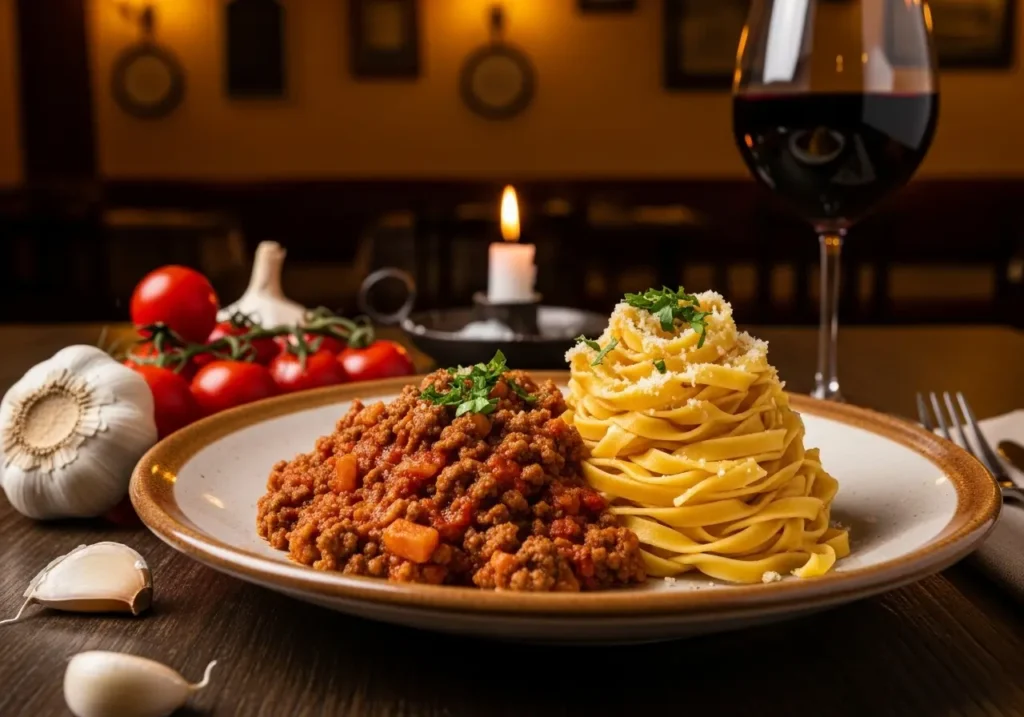
Tagliatelle al Ragù
Bologna’s other famous contribution to Italian cuisine features fresh ribbon pasta with the region’s legendary meat sauce. True ragù Bolognese differs dramatically from American “Bolognese sauce”—it’s meat-focused with minimal tomato, simmered for hours until deeply concentrated. The official recipe, registered with Bologna’s Chamber of Commerce, specifies beef, pancetta, onions, carrots, celery, tomato paste, wine, and milk. Tagliatelle’s wide, flat shape provides the perfect vehicle for clinging to the rich sauce. The pasta must be fresh, made with eggs, and cut to precise width specifications. This dish exemplifies the Italian principle of regional pairing: Bolognese sauce belongs with egg pasta, never spaghetti.
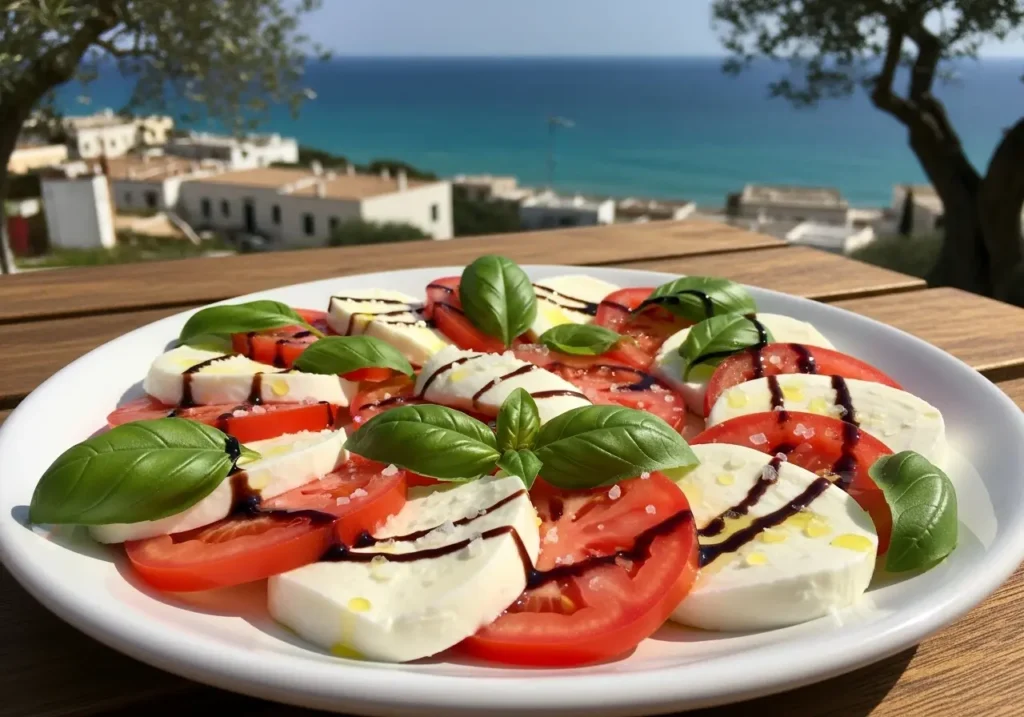
Caprese Salad
This simple Campanian salad captures the colors of the Italian flag and the essence of Mediterranean eating. Authentic Insalata Caprese requires only the finest ingredients: ripe tomatoes, fresh mozzarella di bufala, fragrant basil leaves, extra virgin olive oil, and salt. No balsamic vinegar appears in traditional versions—its sweetness would overwhelm the delicate flavors. The dish originated on the island of Capri, where the quality of local mozzarella and sun-ripened tomatoes made elaborate preparation unnecessary. Proper Caprese demonstrates that Italian cuisine values ingredient quality over culinary complexity. The mozzarella should be creamy and mild, the tomatoes sweet and juicy, the basil aromatic, creating perfect balance in every bite.
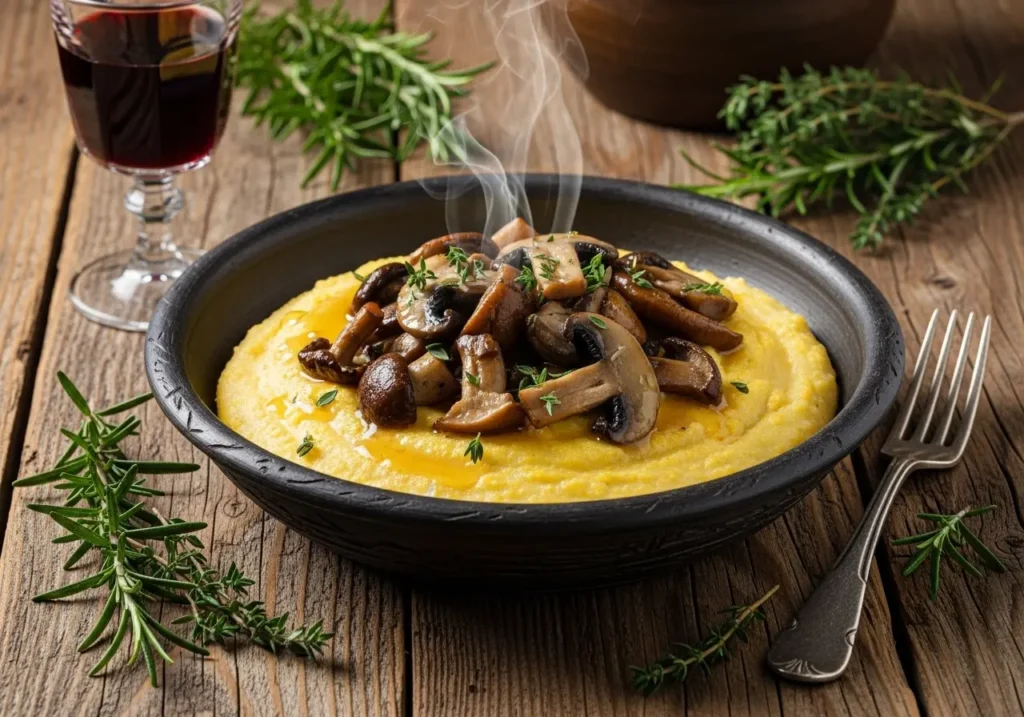
Polenta e Funghi
This Northern Italian peasant dish has become a sophisticated comfort food staple. Polenta—coarsely ground cornmeal cooked with water or broth until creamy—provides an earthy, satisfying base for seasonal mushrooms. Traditional preparation requires constant stirring for 40-50 minutes, though modern quick-cook varieties reduce this time. The mushrooms, typically porcini or mixed wild varieties, are sautéed with garlic, parsley, and olive oil. Regional variations include adding butter, cream, or cheese to the polenta for extra richness. In Veneto and Lombardy, polenta replaces bread as the meal’s starch. This dish showcases Italian ability to elevate humble ingredients into memorable dining experiences through proper technique and quality ingredients.
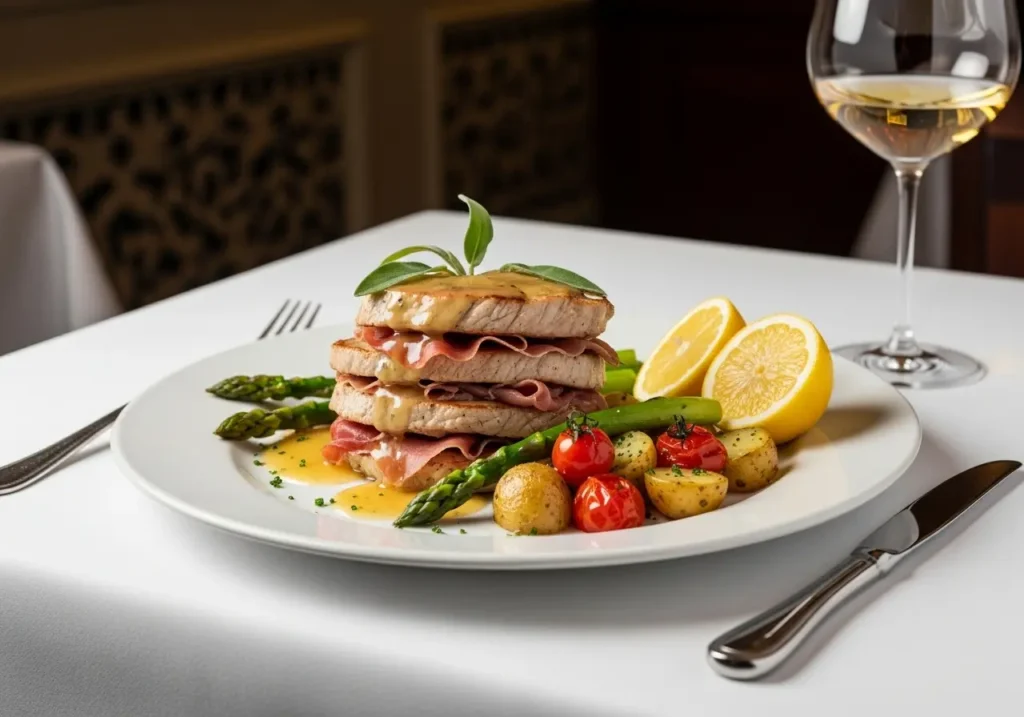
Saltimbocca alla Romana
Rome’s “jump in the mouth” dish delivers on its name’s promise with explosive flavor. Paper-thin veal cutlets are topped with prosciutto and fresh sage, then quickly pan-fried in butter and white wine. The cooking process must be brief—overcooked veal becomes tough and loses its delicate texture. Some versions secure the prosciutto with toothpicks, while others let it meld naturally during cooking. The sage isn’t merely garnish; its earthy, slightly peppery notes complement the salty prosciutto and mild veal perfectly. Originally from Brescia in Northern Italy, the dish became associated with Rome where it achieved widespread popularity. Saltimbocca exemplifies Italian quick-cooking techniques that preserve ingredient quality while building complex flavors.

Tiramisu
Italy’s most famous dessert translates to “pick me up,” referring to its coffee and cocoa energy boost. Authentic tiramisu contains ladyfinger cookies soaked in espresso, layered with a mixture of mascarpone cheese, eggs, and sugar, then dusted with cocoa powder. No whipped cream, amaretto, or chocolate shavings appear in traditional versions. The dessert’s origins are disputed—both Veneto and Friuli-Venezia Giulia claim its invention in the 1960s. Properly made tiramisu achieves perfect balance: the mascarpone cream should be rich but light, the coffee strong but not overwhelming, the cocoa bitter to offset sweetness. This no-bake dessert demonstrates Italian pastry philosophy: exceptional results from quality ingredients and proper assembly.
FAQs About Authentic Italian Cuisine
What makes Italian cuisine “authentic”? Authentic Italian cuisine follows traditional regional recipes using proper ingredients and time-honored techniques. It respects denominazione di origine protetta (DOP) standards, uses seasonal and local products, and avoids unnecessary additions or substitutions that compromise the dish’s integrity.
Why do Italian dishes vary so much by region? Italy wasn’t unified until 1861, allowing centuries of independent culinary development. Geography, climate, and historical influences created distinct regional cuisines. Northern Italy favors butter, cream, and rice, while Southern Italy emphasizes olive oil, tomatoes, and pasta, reflecting available ingredients and cultural traditions.
Is authentic Italian food healthier than Italian-American food? Generally, yes. Authentic Italian cuisine emphasizes fresh vegetables, quality olive oil, moderate portions, and minimal processing. Italian-American versions often increase portion sizes, add heavy sauces, and incorporate more cheese and meat, making them more calorie-dense and less nutritious than their traditional counterparts.
Do Italians really eat pasta every day? Many Italians do eat pasta daily, but in moderate portions as a first course (primo) rather than a main dish. It’s typically served al dente with light sauces, vegetables, or seafood, making it part of a balanced Mediterranean diet rather than a heavy, oversized entrée.
What’s the biggest mistake people make with Italian food? Overcooking pasta is perhaps the most common error. Italians serve pasta al dente—with a slight firmness when bitten. Additionally, many people over-sauce pasta or use inappropriate cheese pairings. Italians also never serve cappuccino after 11 AM or with meals, preferring espresso instead.
Can I make authentic Italian dishes at home? Absolutely! Many traditional Italian dishes are simple to prepare once you understand proper techniques and source quality ingredients. Start with recipes that have few ingredients, like Cacio e Pepe or Aglio e Olio, where ingredient quality and technique matter most. Invest in good olive oil, aged Parmigiano-Reggiano, and fresh herbs.
Conclusion
Authentic Italian cuisine represents one of the world’s greatest culinary achievements, combining centuries of tradition with unwavering commitment to quality ingredients and proper technique. The ten dishes we’ve explored—from Rome’s creamy Carbonara to Milan’s golden Risotto, from rustic Polenta to elegant Tiramisu—demonstrate the remarkable diversity and sophistication of Italian regional cooking.
Understanding what makes these dishes authentic empowers you to seek out genuine Italian dining experiences, whether traveling through Italy or exploring restaurants in your hometown. You now know that true Italian food prioritizes simplicity over complexity, quality over quantity, and tradition over trends. Each dish tells a story of its region, its people, and the ingredients that define its character.
Call to Action: Start your authentic Italian cuisine journey today. Visit a traditional Italian restaurant in your area, or better yet, try preparing one of these dishes at home using genuine ingredients. Share your experience with friends and family, and help spread appreciation for real Italian cooking. Book that trip to Italy you’ve been postponing, or explore Italian specialty shops to source authentic ingredients. Your taste buds—and cultural understanding—will thank you.
Social Proof: Thousands of food enthusiasts and travelers have transformed their appreciation of Italian cuisine by seeking out authentic dishes rather than settling for commercialized imitations. Join cooking communities, follow Italian food experts on social media, and connect with others who share your passion for genuine culinary traditions. Remember, every expert Italian cook started exactly where you are now—curious, eager to learn, and ready to experience the real flavors of Italy.