10 Beautiful Places to Visit in Palermo, Italy
Introduction
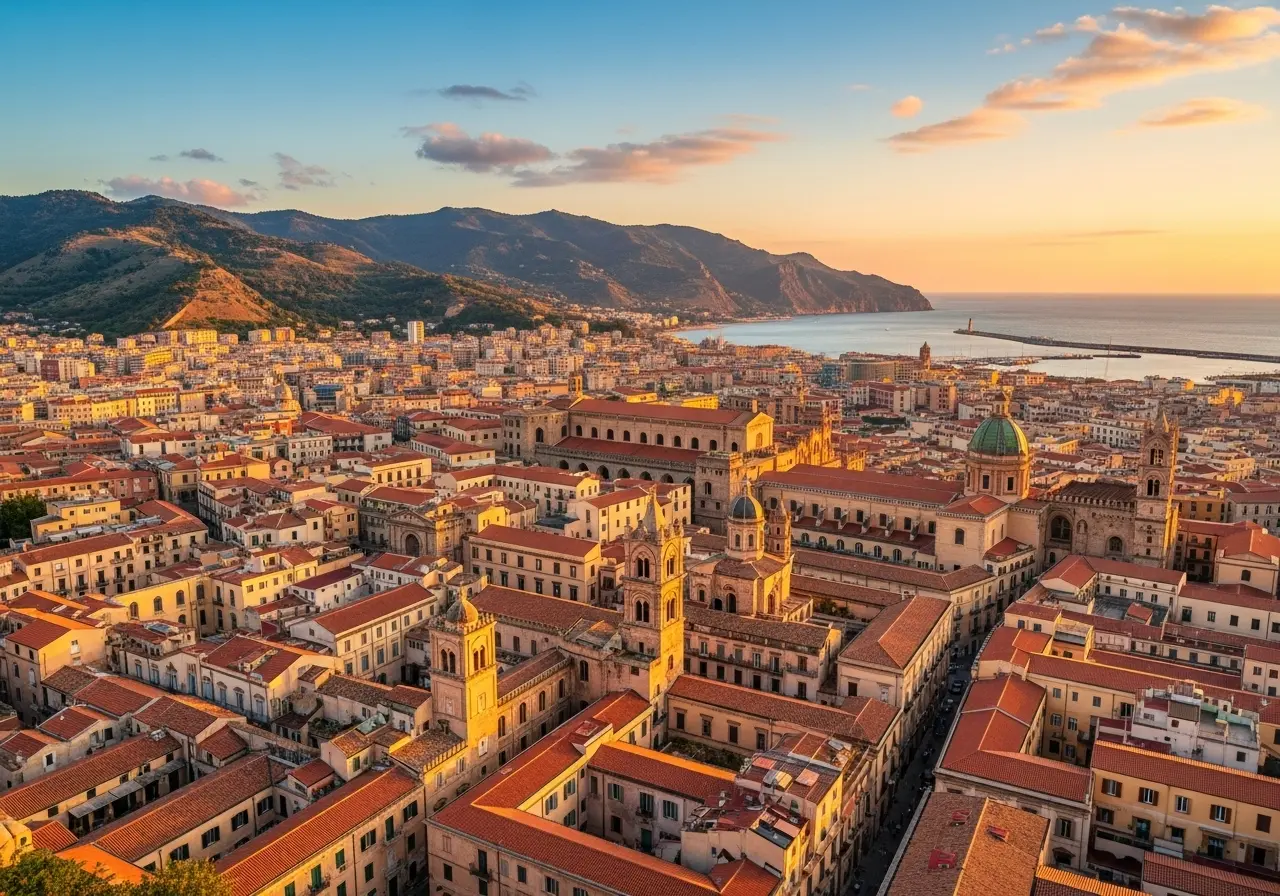
Planning a trip to Sicily but overwhelmed by where to start in its vibrant capital? Many travelers arrive in Palermo without a clear itinerary, missing out on hidden gems while getting lost in crowded tourist traps. This comprehensive guide solves that problem by mapping out the city’s most captivating destinations.
By following this curated list, you’ll experience Palermo’s perfect blend of Norman architecture, Baroque splendor, and authentic Sicilian street life—all without wasting precious vacation time. As a content strategist who has explored Mediterranean destinations extensively and researched countless travel experiences, I’ve compiled these must-see locations based on historical significance, visual impact, and visitor satisfaction.
In this guide, you’ll discover iconic landmarks like Palermo Cathedral and Teatro Massimo, vibrant local markets, peaceful gardens, and even a stunning beach escape. Each destination offers a unique window into what makes Palermo one of Italy’s most unforgettable cities.
Table of Contents
Why You Should Visit Palermo
Palermo stands apart as a cultural crossroads where Arab, Norman, and Baroque influences create an architectural tapestry found nowhere else in Europe. The city offers unparalleled convenience for travelers, with most major attractions within walking distance in the historic center, while its compact size means you can experience multiple highlights in a single day without feeling rushed.
Beyond the monuments, Palermo delivers incredible variety—from exploring underground catacombs to relaxing on Mediterranean beaches, from haggling at centuries-old markets to attending world-class opera performances. The city’s authentic street food scene, affordable prices compared to northern Italy, and warm Sicilian hospitality make it accessible for all types of travelers. Whether you’re a history enthusiast, food lover, or beach seeker, Palermo’s diverse offerings ensure every visitor finds their perfect experience.
10 Beautiful Places to Visit in Palermo, Italy
Palermo Cathedral
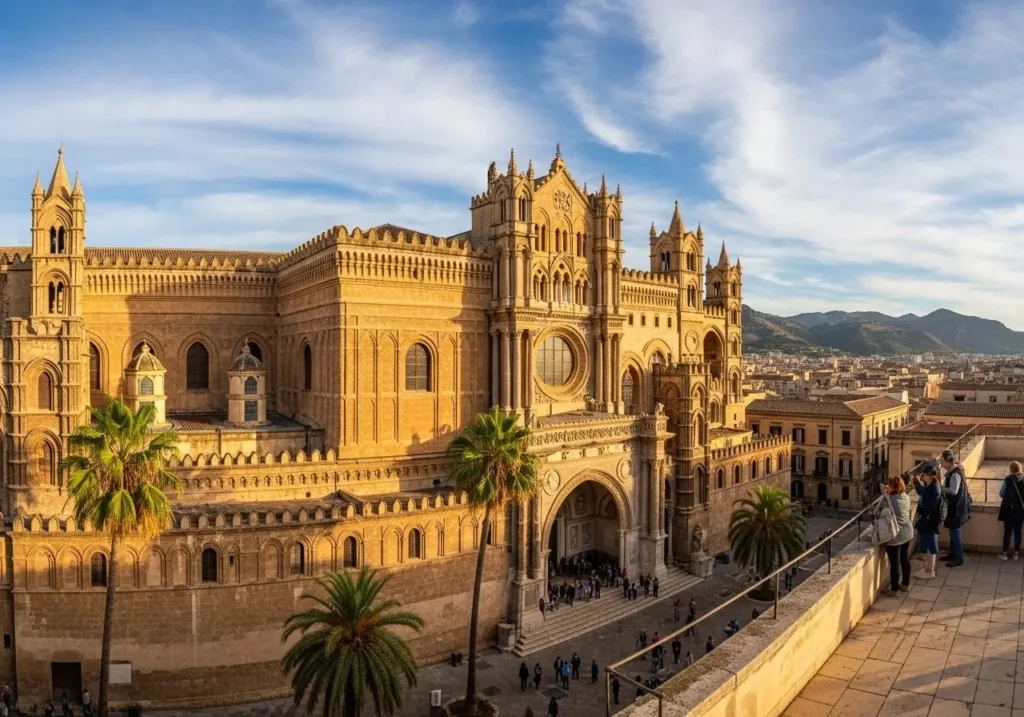
The Palermo Cathedral stands as a magnificent testament to Sicily’s layered history, showcasing Norman, Gothic, Baroque, and Neoclassical architectural elements in one breathtaking structure. Built in 1185 on the site of a former mosque, the cathedral houses royal tombs including those of Roger II and Frederick II, making it a significant pilgrimage site for history enthusiasts. The interior features stunning chapels, intricate mosaics, and a treasury filled with precious relics. Visitors can climb to the rooftop for panoramic views across Palermo’s terracotta rooftops and the sparkling Tyrrhenian Sea beyond. The cathedral’s eclectic facade tells the story of Sicily’s conquest and cultural evolution through stone and artistry.
Palazzo dei Normanni
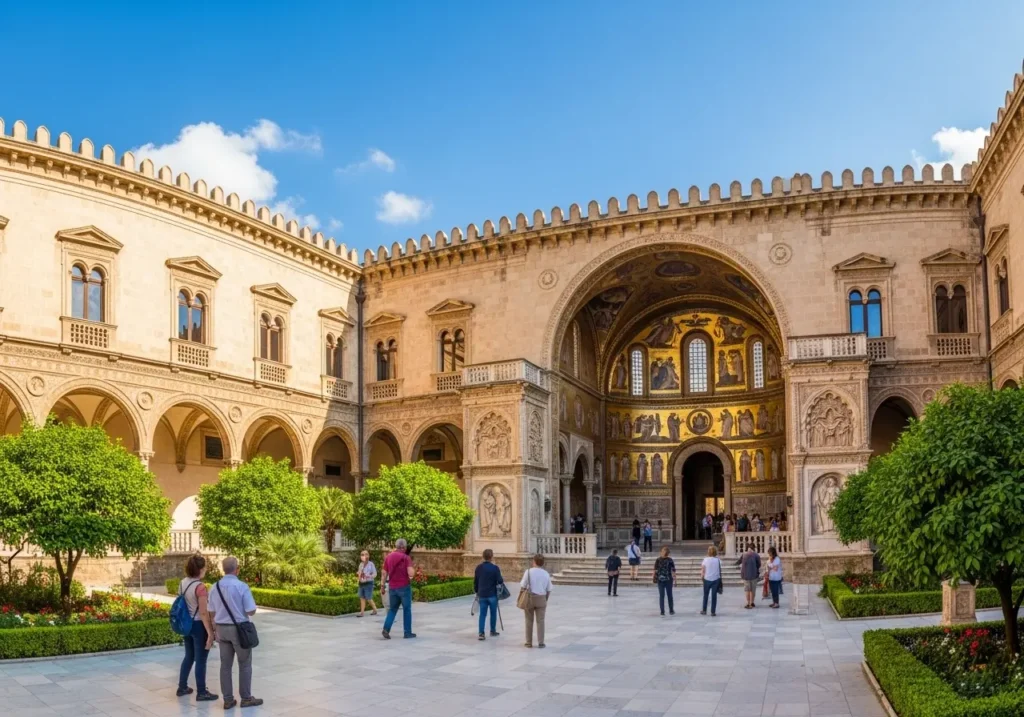
The Palazzo dei Normanni, or Norman Palace, serves as Sicily’s regional parliament and ranks among Europe’s oldest royal residences, with origins dating back to the 9th century. The palace’s crown jewel is the Cappella Palatina, a chapel adorned with extraordinary Byzantine mosaics depicting biblical scenes in glittering gold and vivid colors that have survived centuries. Arab-Norman architecture defines the structure, blending Islamic geometric patterns with Christian iconography in a unique artistic fusion. Walking through the royal apartments, visitors encounter lavishly decorated halls that once hosted Norman kings and Holy Roman Emperors. The palace requires advance booking for tours, but the experience of witnessing these UNESCO World Heritage mosaics justifies the planning effort required.
Teatro Massimo
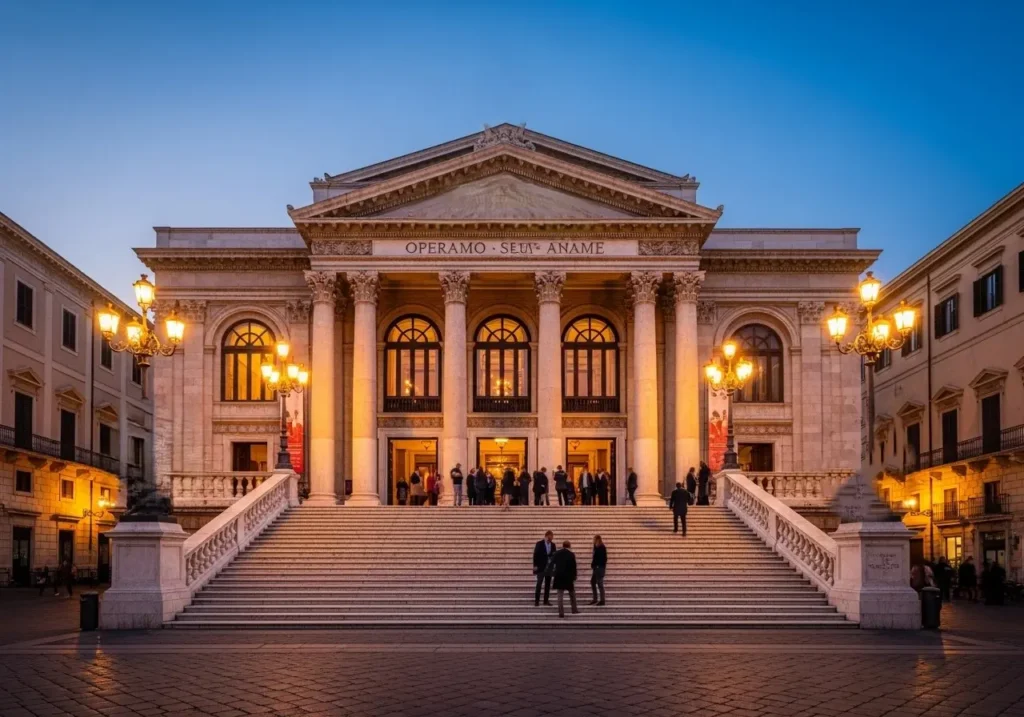
Teatro Massimo proudly holds the title of Italy’s largest opera house and ranks third in Europe, offering world-class performances in a stunning neoclassical setting. Inaugurated in 1897 after 22 years of construction, the theater features impeccable acoustics that have attracted legendary performers for over a century. The building’s grand staircase and opulent interiors gained international fame as a filming location for “The Godfather Part III,” making it a pilgrimage site for cinema fans. Guided tours take visitors backstage, into the royal box, and through the ornate auditorium, revealing the theater’s architectural secrets and storied history. Evening performances range from classic Italian opera to contemporary ballet, providing an unforgettable cultural experience in the heart of Palermo.
Quattro Canti
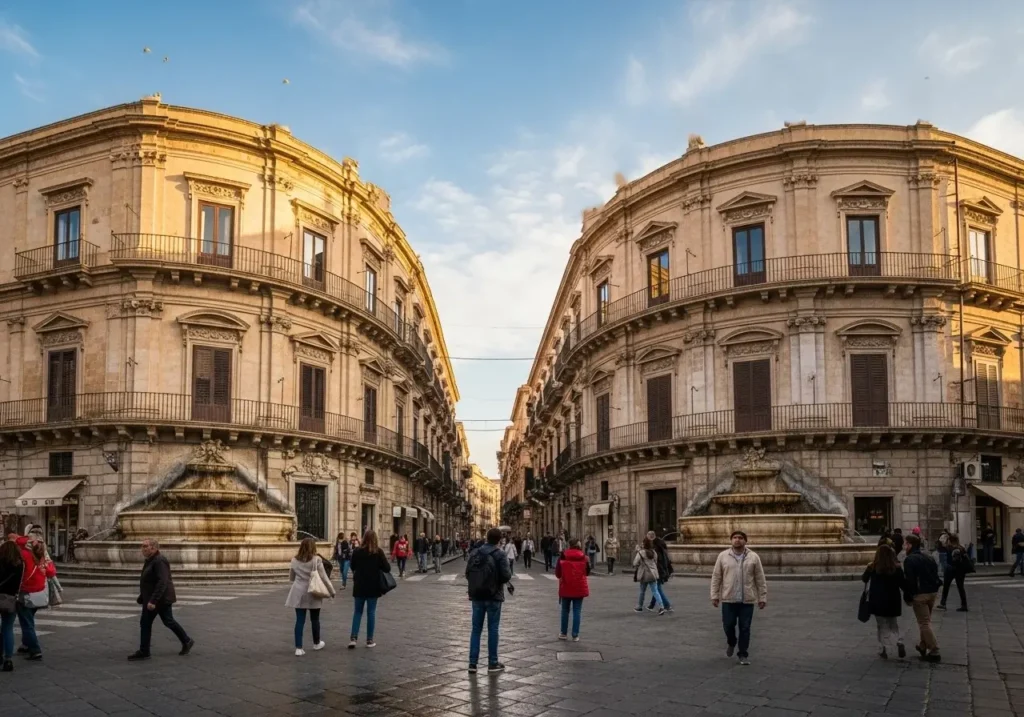
Quattro Canti, meaning “Four Corners,” represents Palermo’s geometric and symbolic heart where the city’s two main streets intersect in perfect baroque symmetry. Created in 1620, this octagonal piazza features four identical palatial facades, each decorated with fountains, sculptures of Spanish kings, and representations of Palermo’s patron saints corresponding to the four seasons. The architectural ensemble creates a theatrical urban space that captures the essence of Spanish baroque influence in Sicily. Standing at the center, you’re equidistant from all four historic quarters of the city, making it an ideal orientation point for exploring. The intricate stone carvings and architectural harmony make Quattro Canti a photographer’s dream, especially during golden hour when sunlight illuminates the honey-colored facades.
Piazza Pretoria
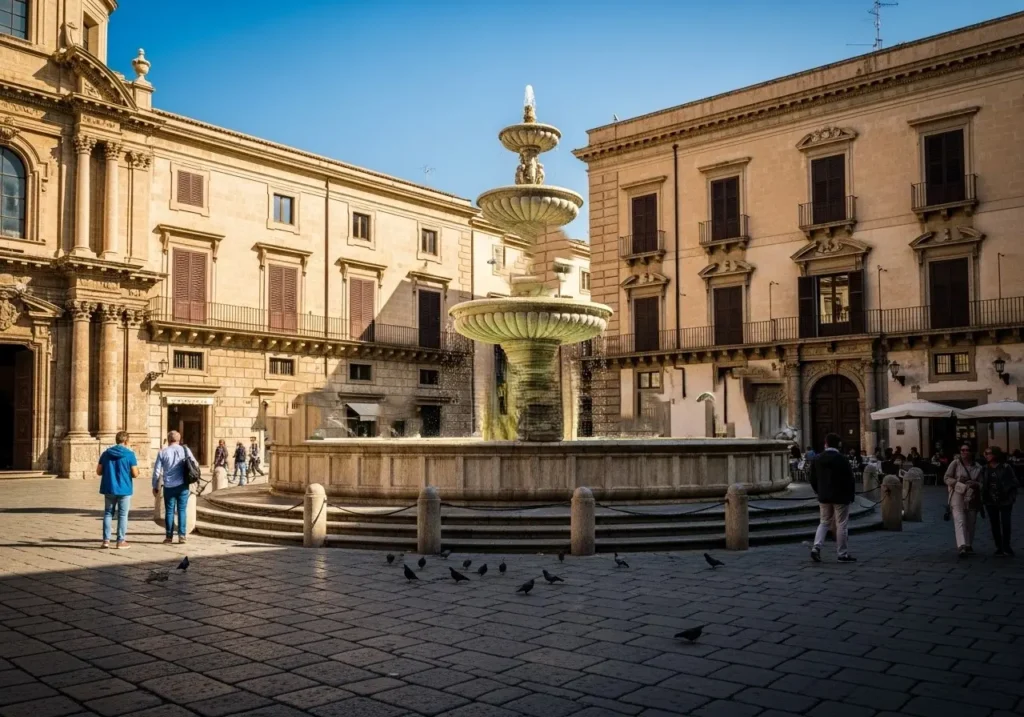
Piazza Pretoria captivates visitors with its magnificent 16th-century fountain, adorned with mythological figures, animals, and allegorical statues that create a stunning marble spectacle. Originally designed for a Florentine villa, the fountain was transported to Palermo in 1574, earning the nickname “Fountain of Shame” due to its numerous nude sculptures that scandalized religious sensibilities. The piazza is surrounded by important buildings including the City Hall and the church of Santa Caterina, creating an elegant urban ensemble. The fountain’s intricate Renaissance design features multiple tiers with water flowing between sculptures of river gods, nymphs, and monsters in beautifully choreographed cascades. Evening illumination transforms the white marble sculptures into a romantic spectacle, making nighttime visits particularly magical for photographers and romantics alike.
Ballarò Market
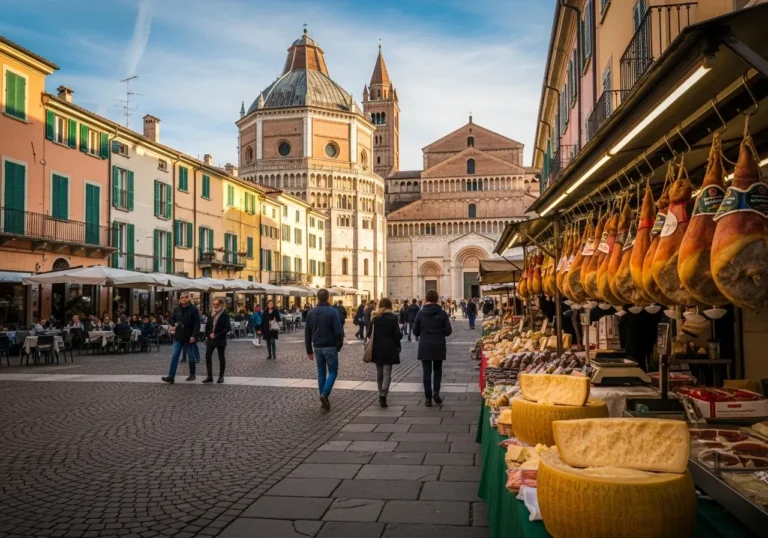
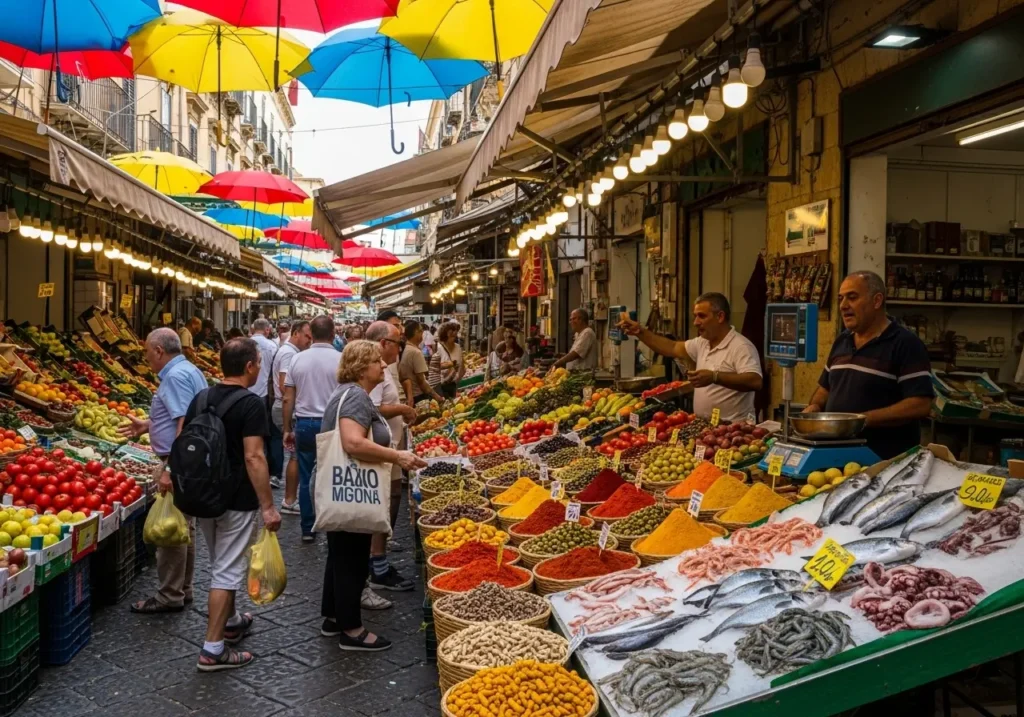
Ballarò Market offers an authentic immersion into Palermo’s vibrant street culture, operating continuously since Arab times as the city’s oldest and most atmospheric market. The narrow streets explode with vendors’ calls in Sicilian dialect, advertising fresh swordfish, mountains of oranges, olives, capers, and every imaginable Mediterranean ingredient. Beyond produce, the market showcases Palermo’s legendary street food, including arancine, panelle, and sfincione that can be enjoyed hot from vendors’ stalls. The market extends through several blocks of the historic center, with morning hours offering the fullest selection and most energetic atmosphere. Wandering through Ballarò provides insight into daily Sicilian life that no museum can match, with locals haggling, socializing, and maintaining centuries-old traditions in this colorful commercial theater.
Catacombe dei Cappuccini
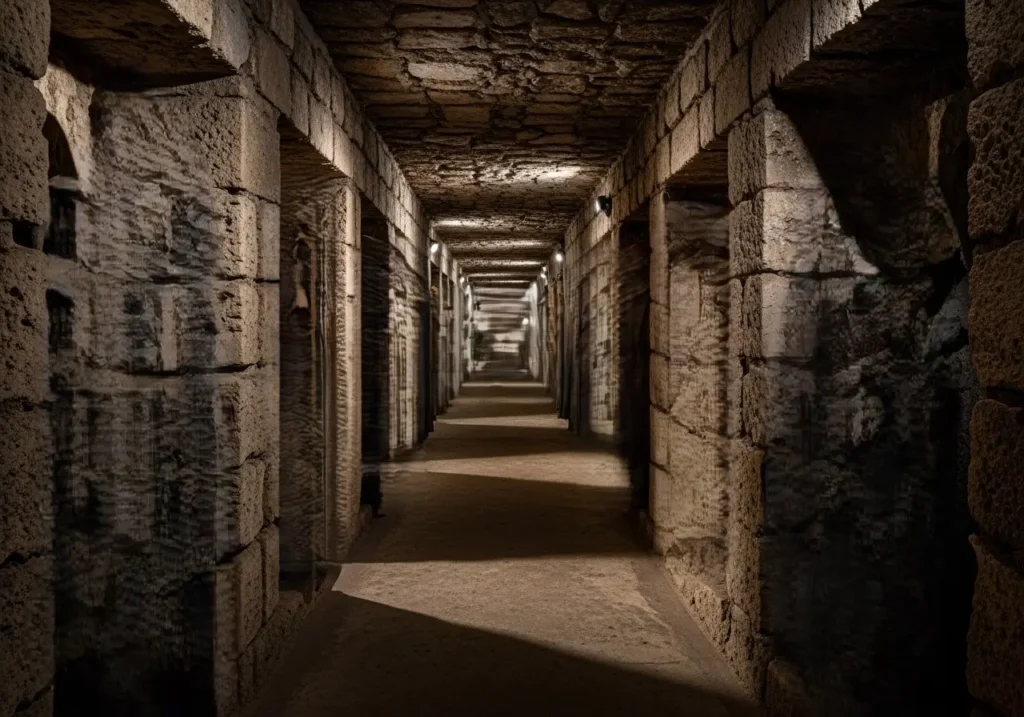
The Capuchin Catacombs present one of the world’s most unusual and haunting attractions, where approximately 8,000 mummified bodies line underground corridors in preserved clothing. From the 16th to early 20th century, Palermo’s elite paid to have their deceased relatives preserved and displayed in these catacombs, creating a macabre archive of Sicilian society.
The bodies are organized by profession and gender, with sections for priests, aristocrats, virgins, and children, each dressed in period clothing that illustrates changing fashions. While undeniably eerie, the catacombs offer profound reflections on mortality and the human desire for remembrance across centuries. Photography is prohibited out of respect, but the visual memory of this extraordinary site remains unforgettable, making it essential viewing for those interested in anthropology or unusual historical sites.
Church of San Giovanni degli Eremiti
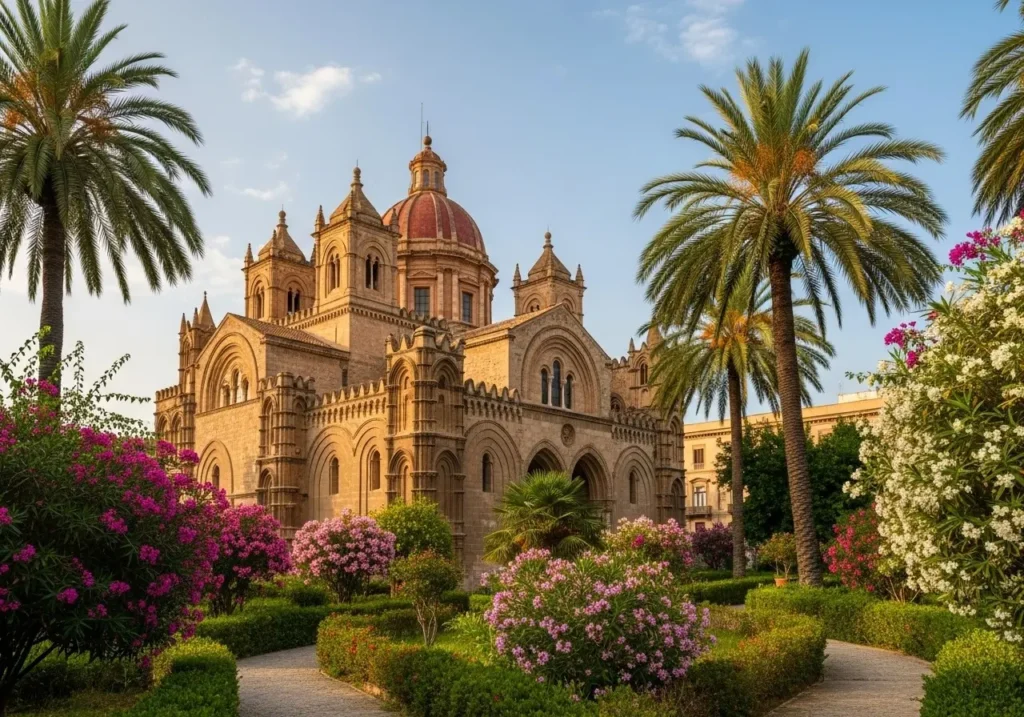
The Church of San Giovanni degli Eremiti showcases the most distinctive Arab-Norman architecture in Palermo, crowned by five pink-hued domes that evoke Islamic mosques rather than Christian churches. Built in 1132 by Roger II, the church stands as a peaceful sanctuary with a beautifully preserved medieval cloister featuring pointed arches and lush gardens. The simple interior contrasts with the ornate decoration of other Palermitan churches, offering a meditative space that emphasizes architectural form over embellishment. The surrounding gardens, filled with citrus trees and fragrant plants, provide a tranquil escape from the bustling city streets. The church’s unique silhouette against Palermo’s skyline makes it instantly recognizable and represents the harmonious cultural synthesis that defines Sicilian heritage during the Norman period.
Mondello Beach
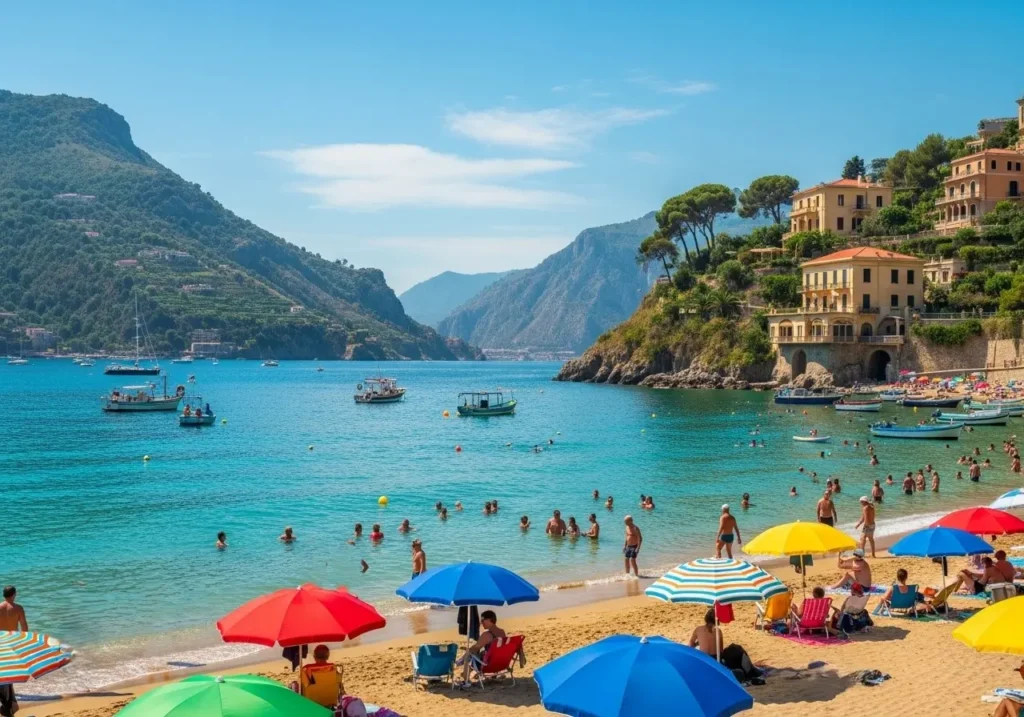
Mondello Beach offers a stunning Mediterranean escape just 30 minutes from central Palermo, featuring turquoise waters and golden sand framed by Monte Pellegrino and Monte Gallo. This former fishing village transformed into Palermo’s favorite seaside resort, lined with belle époque villas, beach clubs, and seafood restaurants serving the day’s fresh catch.
The iconic Art Nouveau pier and bathhouse stretching into the sea provides a picturesque backdrop for swimming and sunbathing. During summer months, locals flock here for weekend relaxation, creating a lively beach atmosphere with volleyball games, paddleboarding, and sunset aperitivos. The shallow, calm waters make Mondello ideal for families, while the surrounding restaurants offer everything from casual panini to elegant seafood dinners with views of the sparkling Tyrrhenian Sea.
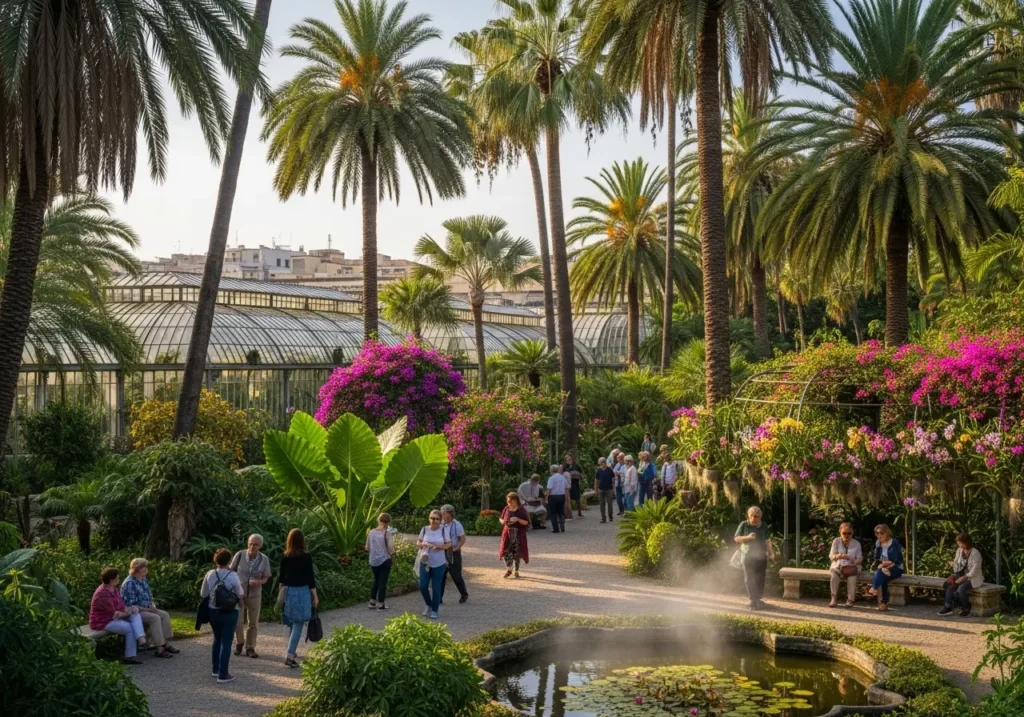
Botanical Garden of Palermo
The Botanical Garden of Palermo spans 10 hectares of meticulously curated grounds showcasing over 12,000 plant species from Mediterranean, tropical, and desert climates in peaceful surroundings. Founded in 1789, the garden serves scientific research purposes while offering visitors a verdant retreat from Palermo’s urban intensity and summer heat. Highlights include the magnificent Gymnasium with neoclassical architecture, enormous Ficus macrophylla trees with aerial roots, and specialized collections of succulents, palms, and aquatic plants.
The garden’s pathways wind through thematic sections representing different global ecosystems, making it both educational and aesthetically pleasing for nature enthusiasts. Particularly enchanting during spring when flowers bloom abundantly, the botanical garden provides a serene environment for contemplative walks, photography, and appreciating botanical diversity in Sicily’s favorable climate.
FAQs About Palermo
How many days do you need in Palermo? Three to four days allows adequate time to explore Palermo’s major attractions, markets, and nearby destinations like Mondello Beach or Monreale Cathedral without feeling rushed.
Is Palermo safe for tourists? Yes, Palermo is generally safe for tourists. Exercise normal urban precautions like avoiding poorly lit areas at night and watching belongings in crowded markets, but violent crime against visitors is rare.
What is the best time to visit Palermo? April to June and September to October offer ideal conditions with pleasant weather, fewer crowds, and lower prices compared to peak summer months when temperatures can be uncomfortably hot.
What is Palermo famous for? Palermo is renowned for its Arab-Norman architecture, vibrant street markets, exceptional street food scene, baroque churches, and its role as Sicily’s cultural and historical capital.
Do I need to speak Italian in Palermo? While Italian is helpful, many people in tourist areas speak basic English. Learning a few Italian phrases enhances your experience and is appreciated by locals.
What food must I try in Palermo? Don’t miss arancine (fried rice balls), panelle (chickpea fritters), sfincione (Sicilian pizza), pasta con le sarde, and cannoli from authentic bakeries.
Conclusion
Palermo rewards travelers who venture beyond Italy’s more famous destinations with an authentic Sicilian experience that combines stunning architecture, vibrant markets, delicious cuisine, and genuine hospitality. From the glittering mosaics of Norman palaces to the lively chaos of Ballarò Market, from haunting catacombs to peaceful botanical gardens, these ten beautiful places showcase the remarkable diversity packed into this historic Mediterranean capital.
Ready to explore Palermo? Start planning your Sicilian adventure today by booking your accommodations in the historic center, where you’ll be steps away from these incredible attractions. Consider visiting during shoulder season for the best combination of weather and value, and don’t forget to try the street food—it’s as much a part of Palermo’s identity as its magnificent monuments.
Join thousands of satisfied travelers who have discovered that Palermo offers one of Europe’s most underrated yet rewarding city breaks. Share your own Palermo experiences in the comments below, or tag us in your photos when you visit these beautiful locations. Your Sicilian journey awaits!