10 Best Homemade Italian Sauces You Can Make Tonight
Introduction
Ever found yourself craving authentic Italian flavors but settling for jarred sauces that taste more like disappointment than dolce vita? You’re not alone. Most store-bought sauces lack the depth, freshness, and soul that make Italian cuisine truly magical. The good news? You don’t need a nonna’s decades of experience or a plane ticket to Tuscany to create restaurant-quality Italian sauces at home.
Tonight, you can transform your weeknight dinner into an Italian feast with sauces that are surprisingly simple to master. As someone who’s spent years studying Italian culinary traditions and testing countless recipes in my own kitchen, I’ve discovered that authentic Italian sauces require just a handful of quality ingredients and straightforward techniques—no culinary degree necessary.
In this guide, you’ll discover ten essential homemade Italian sauces that form the backbone of Italian cooking. From the bright simplicity of marinara to the luxurious creaminess of Alfredo, each recipe brings you closer to mastering the art of Italian sauce-making. We’ll explore why these sauces are worth making from scratch, walk through each recipe with clear instructions, and answer your most pressing questions about Italian sauce preparation.
Table of Contents
Why You Should Try Homemade Italian Sauces
Making homemade Italian sauces connects you directly to centuries of culinary tradition. Italian cooking is built on the philosophy of using few, high-quality ingredients prepared with care—a principle that shines brightest in sauce-making. When you craft these sauces yourself, you’re not just cooking; you’re participating in a cultural practice that Italian families have passed down through generations. Each stir of the pot carries the weight of tradition, transforming your kitchen into a small piece of Italy.
The convenience factor might surprise you. While “homemade” sounds time-consuming, many classic Italian sauces come together in less time than delivery would take. Marinara simmers in 20 minutes, pesto blends in five, and even cream-based sauces require minimal active cooking time. Plus, you control every ingredient—no hidden sugars, preservatives, or unpronounceable additives. You’ll know exactly what’s nourishing your body, and the fresh flavors will speak for themselves.
The variety homemade Italian sauces offer is truly limitless. These ten foundational sauces serve as launching points for countless variations. Once you master the basics, you can adjust seasonings to your preference, swap ingredients based on what’s available, and create signature versions that become your family’s favorites. Whether you’re meal-prepping for the week, impressing dinner guests, or simply treating yourself to a better Tuesday night dinner, homemade Italian sauces elevate every dish they touch while giving you complete creative control in the kitchen.
10 Best Homemade Italian Sauces You Can Make Tonight
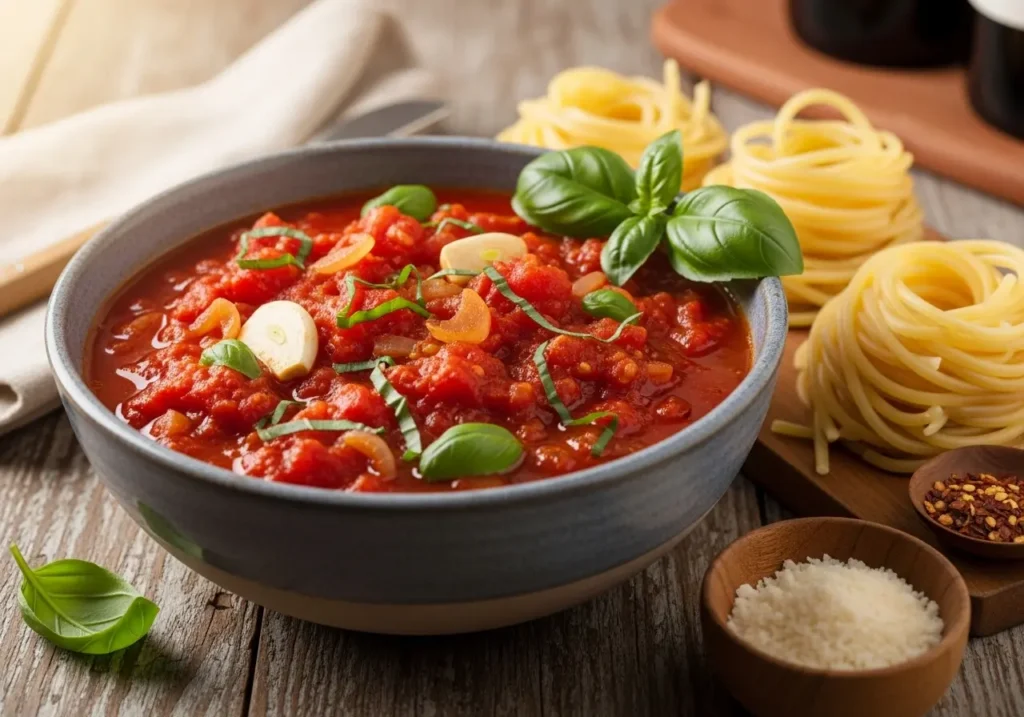
Marinara Sauce
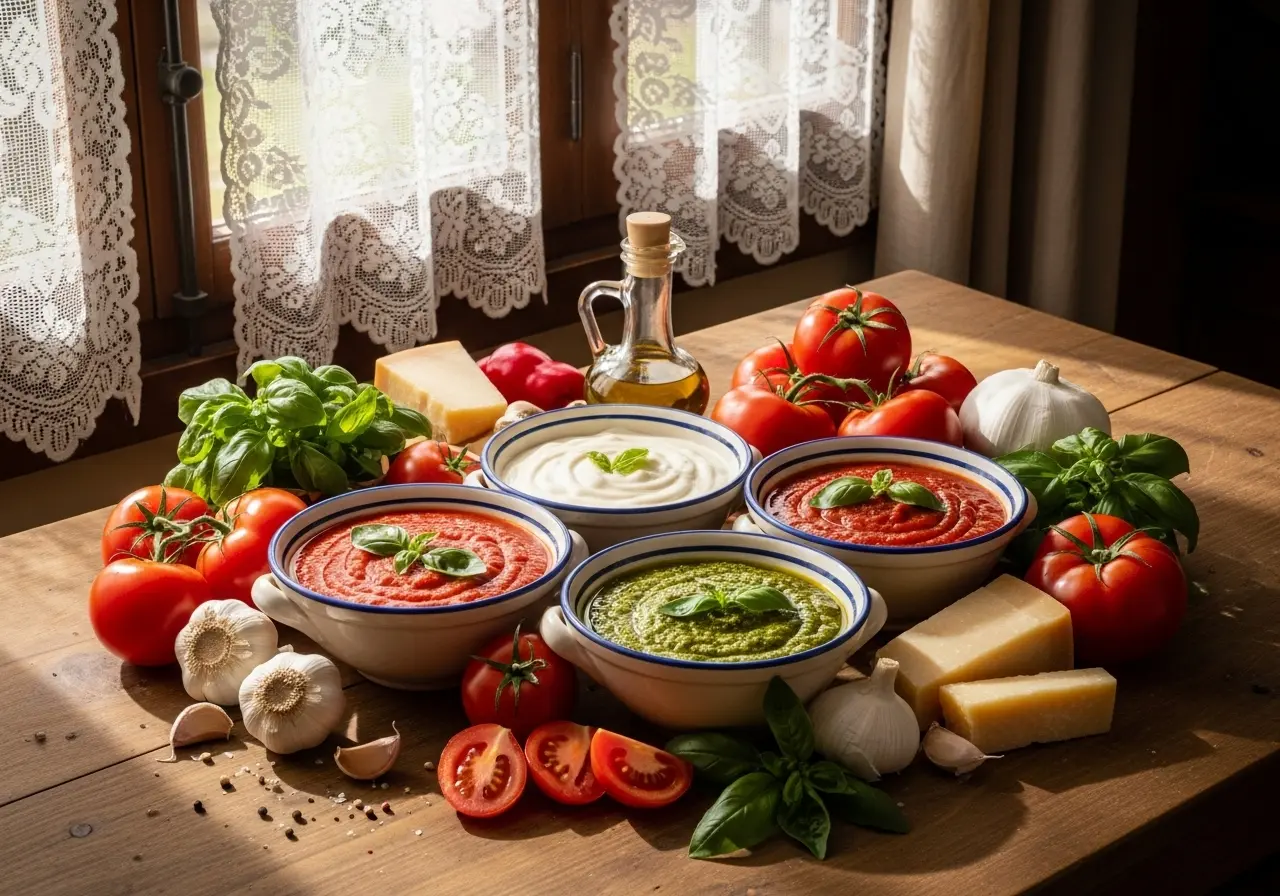
Marinara represents the heart of Italian simplicity—ripe tomatoes, garlic, olive oil, and fresh basil combine to create magic in under thirty minutes. This versatile sauce originated in Naples and has become the foundation for countless Italian dishes worldwide. The key to exceptional marinara lies in using quality canned San Marzano tomatoes and not overcooking the sauce, which preserves the bright, fresh tomato flavor. Sauté minced garlic in olive oil until fragrant, add crushed tomatoes with their juices, season with salt and a pinch of sugar to balance acidity, then simmer gently while the flavors meld together beautifully and naturally.
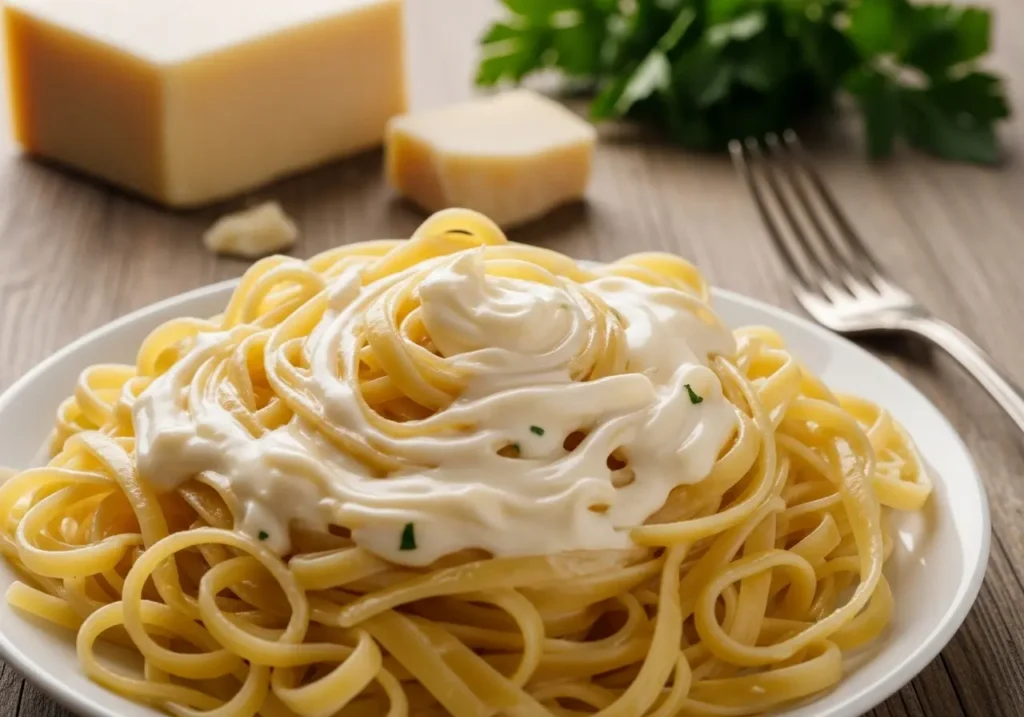
Alfredo Sauce
True Alfredo sauce contains just three ingredients: butter, Parmigiano-Reggiano cheese, and pasta water—no cream required in the authentic Roman recipe. Created by Alfredo di Lelio in early 1900s Rome, this sauce relies on technique rather than complicated ingredients to achieve its signature silky texture. The starch from pasta water emulsifies with butter and finely grated cheese, creating a glossy coating that clings perfectly to fettuccine. Timing matters enormously here; toss hot, freshly drained pasta directly with butter until melted, then gradually incorporate handfuls of cheese while adding reserved pasta water tablespoon by tablespoon until reaching luxurious, creamy perfection.
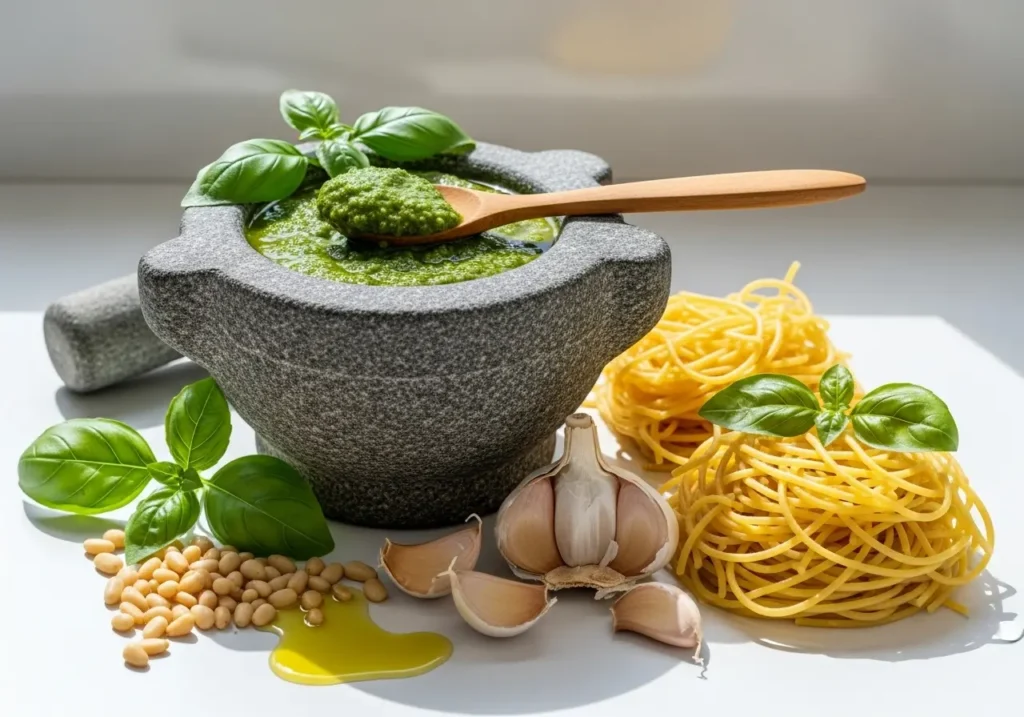
Pesto alla Genovese
Pesto hails from Genoa in Italy’s Liguria region, where the local basil variety grows sweeter and more delicate than anywhere else on earth. Traditional pesto combines fresh basil leaves, pine nuts, garlic, Parmigiano-Reggiano, Pecorino Romano, and exceptional extra virgin olive oil, all pounded together in a marble mortar with a wooden pestle. Modern food processors make quick work of this sauce, though purists argue the mortar and pestle create superior texture and prevent the basil from oxidizing too quickly. Toast pine nuts lightly before blending to enhance their nutty flavor, use young garlic to avoid bitterness, and add cheese last to maintain the sauce’s vibrant green color.

Bolognese Sauce
Bolognese is northern Italy’s gift to patient cooks—a rich, meat-based ragù that simmers slowly for hours, developing extraordinary depth and complexity. Originating in Bologna, this sauce traditionally combines ground beef, pork, and sometimes veal with soffritto (finely diced carrots, celery, and onion), tomato paste, wine, and milk or cream. The long, gentle cooking breaks down the meat into tender, flavorful shreds while the sauce thickens and intensifies naturally. Unlike American meat sauces, authentic Bolognese contains relatively little tomato and focuses on the meat’s savory richness, creating a sauce that’s more brown than red and absolutely transformative over fresh tagliatelle pasta.

Arrabbiata Sauce
Arrabbiata means “angry” in Italian, referring to the fiery heat from dried red chili peppers that gives this Roman sauce its characteristic kick. This spicy tomato sauce shares marinara’s simplicity but adds crushed red pepper flakes or whole dried chilies to the garlic and olive oil base, creating aggressive heat that wakes up your palate immediately. The sauce comes together quickly—perfect for those nights when you want bold flavor without extensive cooking time or complicated ingredient lists. Sauté garlic and generous red pepper flakes in olive oil until aromatic, add San Marzano tomatoes, season with salt, then simmer briefly while the flavors meld into fiery, satisfying perfection that pairs beautifully with penne.
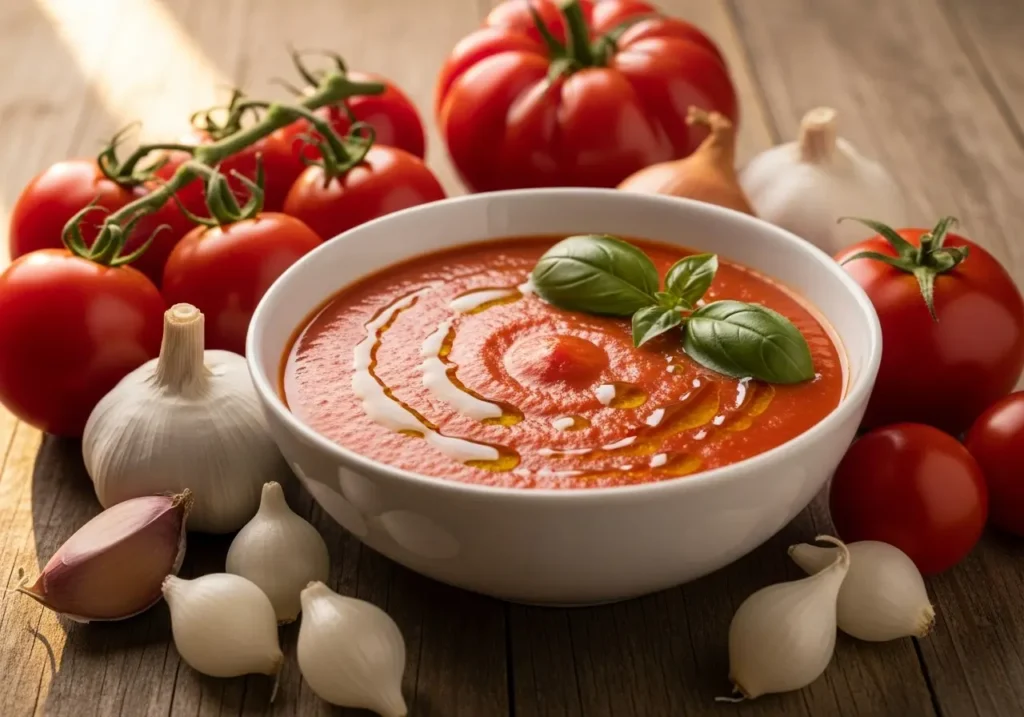
Pomodoro Sauce
Pomodoro sauce celebrates the pure, unadulterated flavor of ripe tomatoes with minimal intervention from other ingredients or lengthy cooking techniques. Even simpler than marinara, this sauce typically contains only tomatoes, olive oil, garlic, basil, and salt—allowing the tomato’s natural sweetness and acidity to shine through completely. The name literally means “tomato” in Italian, and the sauce embodies the Italian philosophy that exceptional ingredients need little embellishment to taste extraordinary. Use the freshest summer tomatoes when available, or high-quality canned tomatoes during off-season, cooking just long enough to break down the tomatoes and marry the flavors together without losing the bright, garden-fresh character.
Carbonara Sauce
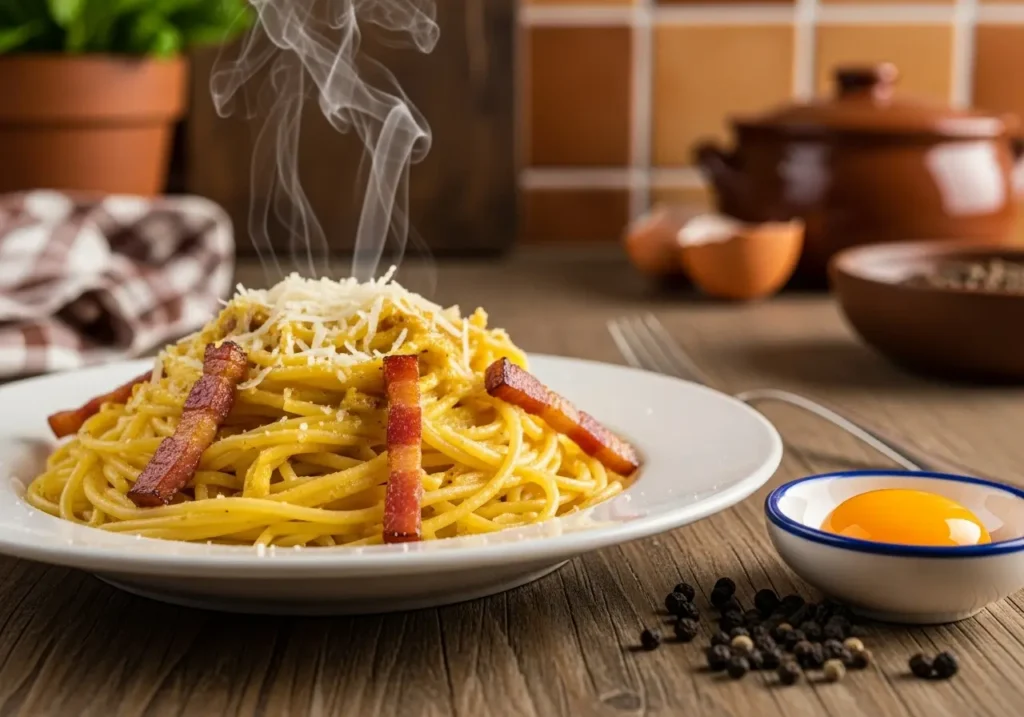
Carbonara represents Roman cucina povera—peasant cooking that transforms humble ingredients into something sublime through clever technique rather than expensive components. This sauce contains no cream despite what many restaurants serve; authentic carbonara combines eggs, Pecorino Romano cheese, guanciale (cured pork jowl), and black pepper into a silky, coating sauce. The heat from just-drained pasta gently cooks the eggs while the starchy pasta water helps create a creamy emulsion that’s lighter and more elegant than cream-based imitations. Timing and temperature control matter crucially here—work quickly off heat to prevent scrambling while tossing vigorously to create the signature creamy texture that defines perfect carbonara.
Puttanesca Sauce
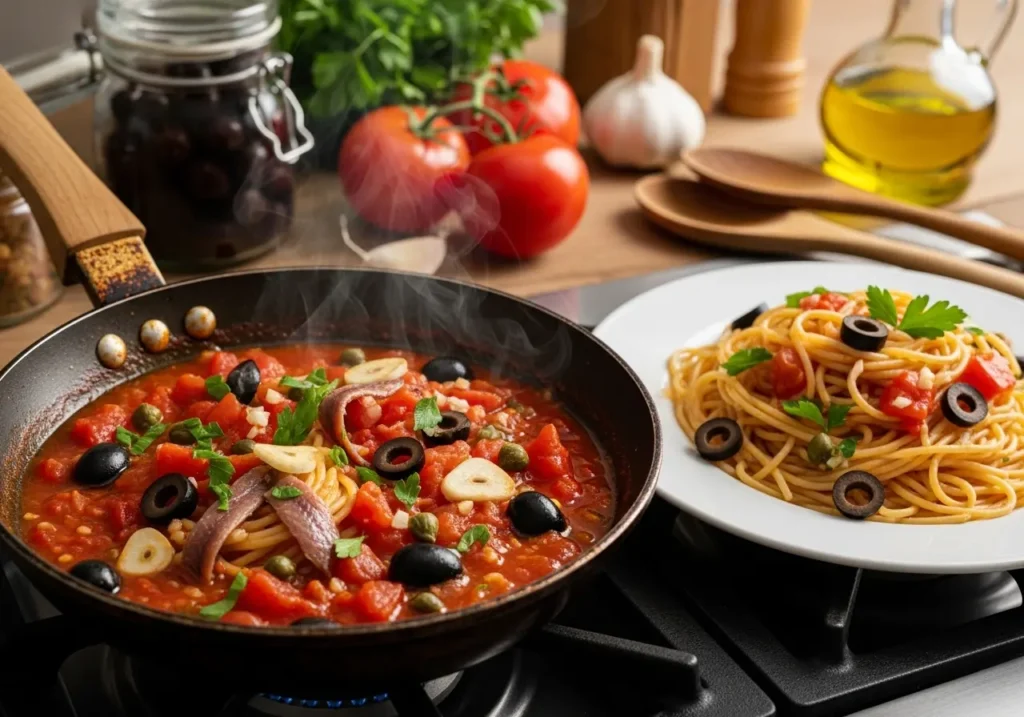
Puttanesca brings together bold, briny flavors—tomatoes, olives, capers, anchovies, and garlic—creating a sauce with attitude and intense Mediterranean character. Legend attributes this Neapolitan sauce to ladies of the night who needed something quick and flavorful between clients, though the truth remains deliciously uncertain and debated. The combination of salty anchovies, tangy capers, and briny olives creates incredible depth and umami richness that makes this sauce unforgettable and surprisingly sophisticated. Sauté anchovies in olive oil until they dissolve completely, add garlic and red pepper flakes, then stir in tomatoes, olives, and capers for a sauce that’s ready in the time it takes to boil pasta—bold, efficient, and absolutely delicious.

Vodka Sauce
Vodka sauce emerged in Italy during the 1970s, combining Italian tomato sauce traditions with cream and a splash of vodka for subtle complexity and smoothness. The vodka serves a purpose beyond novelty—alcohol releases flavor compounds in tomatoes that aren’t otherwise accessible, creating deeper, more rounded taste profiles while the cream adds luxurious body and richness. This pink sauce has become beloved for its balanced flavor that’s neither too heavy nor too light, making it universally appealing to different palates and age groups. Sauté shallots and garlic, add tomato paste and vodka to deglaze, let alcohol cook off, then stir in cream and Parmesan for a sauce that’s elegant enough for company yet easy enough for weeknights.
Béchamel Sauce
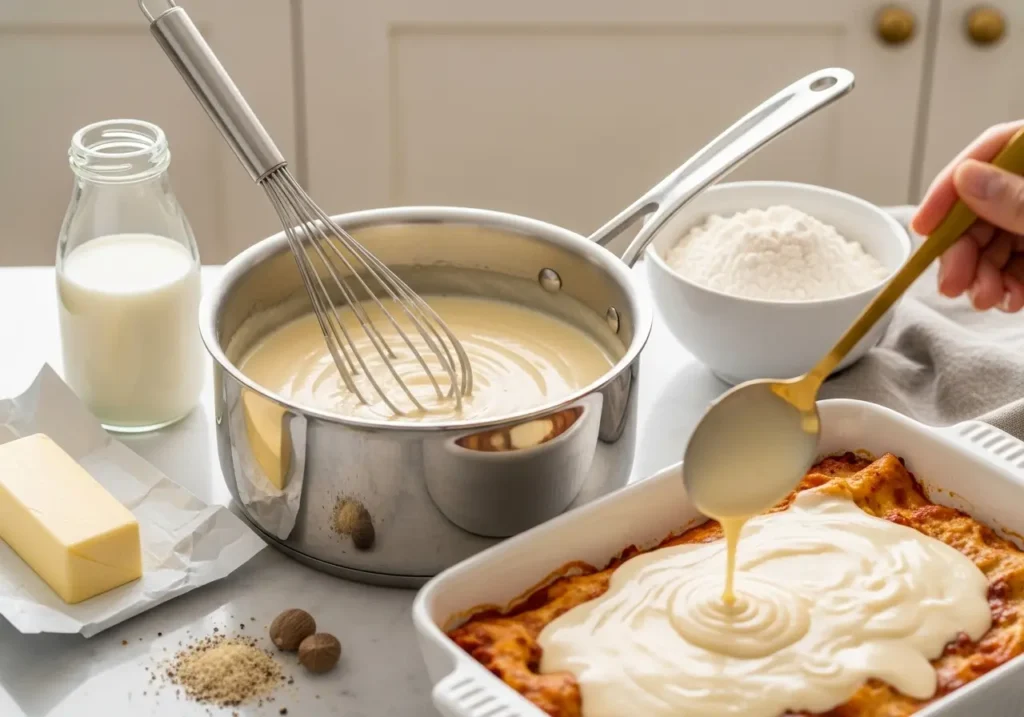
Béchamel forms one of France’s mother sauces but has been thoroughly adopted by Italian cuisine, particularly in lasagna and baked pasta dishes throughout northern Italy. This white sauce combines butter, flour, and milk into a smooth, velvety base that adds creamy richness without the tanginess of cheese-based sauces or tomato’s acidity. The technique requires patience—creating a roux from butter and flour, then gradually whisking in warm milk to prevent lumps while achieving perfect, coating consistency. Season with nutmeg, salt, and white pepper for the classic flavor profile, adjusting thickness by adding more milk or simmering longer, creating a versatile sauce that elevates layered pasta dishes to restaurant-quality excellence.
FAQs About Homemade Italian Sauces
How long do homemade Italian sauces last in the refrigerator?
Most homemade Italian sauces keep for 4-5 days when stored properly in airtight containers in the refrigerator. Tomato-based sauces like marinara, arrabbiata, and Bolognese typically last the full five days, while cream-based sauces like Alfredo and carbonara are best used within 2-3 days. Pesto maintains its quality for about a week if you pour a thin layer of olive oil on top to prevent oxidation. Always let sauces cool to room temperature before refrigerating, and reheat gently on the stovetop rather than the microwave for best texture and flavor.
Can I freeze Italian sauces for later use?
Yes, most Italian sauces freeze beautifully for 2-3 months, making them perfect for meal prep and batch cooking strategies. Tomato-based sauces, Bolognese, and pesto freeze particularly well without significant texture or flavor changes. Freeze in portion-sized containers or ice cube trays for easy defrosting and flexible serving sizes. However, cream-based sauces like Alfredo, carbonara, and béchamel don’t freeze well as dairy tends to separate and become grainy upon thawing. For these sauces, it’s better to make them fresh or store refrigerated for short-term use only.
What’s the difference between marinara and pomodoro sauce?
While very similar, marinara typically includes oregano and sometimes wine, while pomodoro focuses purely on tomatoes, garlic, basil, and olive oil. Marinara usually cooks slightly longer (25-30 minutes) and may include onions, while pomodoro cooks briefly (15-20 minutes) to preserve the fresh tomato flavor and often omits onions entirely. Marinara originated as a quick sauce Neapolitan sailors could prepare at sea, hence the name “marinara” (seafarer’s sauce). Pomodoro emphasizes tomato purity and is often chunkier. In practice, many cooks use the terms interchangeably, and both represent simple, fresh tomato sauces that form the foundation of Italian cooking.
Do I need special ingredients to make authentic Italian sauces?
Authentic Italian sauces prioritize ingredient quality over quantity, so sourcing good tomatoes, olive oil, and cheese makes a significant difference. San Marzano DOP tomatoes from Italy offer superior flavor but quality domestic brands work well too. Use genuine Parmigiano-Reggiano and Pecorino Romano rather than pre-grated substitutes for proper flavor and texture. Extra virgin olive oil should taste fruity and peppery, not bland or rancid. That said, you don’t need to import everything from Italy—many excellent domestic products exist. The key is using the best ingredients your budget allows and avoiding low-quality shortcuts like pre-minced garlic or artificial additives that compromise authentic flavor.
What pasta shapes pair best with each sauce?
Italians follow specific pasta-sauce pairing traditions based on how well the sauce coats or clings to different shapes. Long, thin pasta like spaghetti or linguine works best with oil-based sauces (pesto, carbonara, aglio e olio) and light tomato sauces. Tube-shaped pasta like penne, rigatoni, or paccheri capture chunky sauces like arrabbiata, Bolognese, and puttanesca inside their hollows. Flat, wide noodles like fettuccine, tagliatelle, or pappardelle pair perfectly with creamy sauces (Alfredo, vodka) and rich meat ragùs. Delicate shapes like angel hair suit light, simple sauces, while sturdy shells and orecchiette hold thick, hearty sauces. Following these traditional pairings ensures optimal flavor and texture in every bite.
Can I substitute ingredients in traditional Italian sauce recipes?
While Italian cuisine respects tradition, home cooks can make thoughtful substitutions based on dietary needs, availability, and personal preference. Replace pine nuts in pesto with walnuts, almonds, or cashews for different flavor profiles and cost savings. Substitute heavy cream with half-and-half or whole milk in cream sauces, though texture will be lighter. Use ground turkey or chicken instead of beef and pork in Bolognese for a leaner option. For dairy-free versions, nutritional yeast and cashew cream can approximate cheese and cream textures. However, some substitutions fundamentally change the dish—carbonara without eggs isn’t carbonara, and pesto without basil becomes a different sauce entirely. Experiment freely while respecting the essential character of each sauce.
Conclusion
Mastering these ten homemade Italian sauces opens an entire world of culinary possibilities that will transform your everyday cooking forever. From the bright simplicity of marinara to the complex richness of Bolognese, each sauce brings authentic Italian flavors into your kitchen with ingredients and techniques that are far more accessible than you might have imagined. You now have the knowledge to create restaurant-quality dishes any night of the week, impressing family and friends while enjoying the satisfaction of cooking from scratch.
The beauty of Italian sauce-making lies not in complicated procedures or exotic ingredients, but in respecting quality components and allowing their flavors to shine through proper technique. Start with one or two sauces that appeal to your taste preferences, master those, then gradually expand your repertoire as your confidence grows. Remember that even Italian nonnas started somewhere, and every great cook was once a beginner finding their way around these foundational recipes.
These sauces represent more than just recipes—they’re your passport to Italian culinary culture, bringing centuries of tradition directly to your dinner table tonight. The time you invest in learning these basics will pay dividends for years to come, making weeknight dinners more exciting, special occasions more impressive, and every meal more delicious. Your journey into authentic Italian cooking begins with a single pot, quality ingredients, and the willingness to create something beautiful from simple components.
Call to Action
Ready to start your Italian sauce-making adventure? Pick one sauce from this list, gather your ingredients, and cook it tonight—your taste buds will thank you. Share your creations with us on social media using #HomemadeItalianSauces so we can celebrate your culinary success together. Subscribe to our newsletter for more authentic Italian recipes, cooking techniques, and insider tips that will elevate your home cooking to the next level.
Social Proof
Join thousands of home cooks who’ve discovered that authentic Italian flavors are just minutes away in their own kitchens. Our readers consistently report that these homemade sauce recipes have revolutionized their approach to weeknight dinners, with many saying they’ll never buy jarred sauce again. Don’t just take our word for it—Sarah from Portland writes, “The marinara recipe alone changed my life. So simple, so fresh, so much better than anything from a jar!” Transform your cooking tonight and discover why homemade Italian sauces have become a beloved tradition in kitchens around the world.