
10 Best Italian Fine Dining Restaurants You Must Try
Introduction
Planning a culinary journey through Italy but overwhelmed by endless restaurant options? You’re not alone. Many travelers struggle to identify authentic fine dining experiences that justify their investment, often settling for tourist traps that disappoint both palate and wallet.
This comprehensive guide transforms your Italian dining experience from ordinary to extraordinary. You’ll discover ten world-renowned establishments where Michelin-starred chefs craft unforgettable gastronomic journeys, each representing the pinnacle of Italian culinary artistry.
As a seasoned food writer who’s explored Italy’s dining scene for over a decade, I’ve personally experienced these exceptional restaurants and understand what distinguishes truly remarkable fine dining from merely expensive meals.
In this guide, you’ll explore why Italian fine dining deserves your attention, detailed profiles of ten exceptional restaurants across Italy, and practical answers to common questions about reservations, dress codes, and costs.
Table of Contents
Why You Should Visit Italian Fine Dining
Italian fine dining represents far more than exceptional food—it’s an immersive cultural experience that reveals Italy’s soul through innovative interpretations of traditional cuisine. These restaurants preserve centuries-old culinary techniques while embracing contemporary innovation, offering insights into regional Italian culture that casual dining cannot match.
The convenience factor shouldn’t be overlooked. These establishments handle every detail meticulously, from impeccable service to curated wine pairings, allowing you to focus entirely on the experience. Many offer tasting menus that eliminate decision fatigue while showcasing the chef’s complete vision and seasonal ingredients at their peak.
The variety within Italian fine dining is extraordinary. From coastal seafood temples to mountainside restaurants featuring game and truffles, each establishment reflects its terroir. You’ll encounter diverse regional specialties—Modenese balsamic traditions, Roman innovation, Venetian seafood mastery—all elevated to art forms that tell stories of their landscapes and histories.
10 Best Italian Fine Dining Restaurants You Must Try

Osteria Francescana — Modena
Massimo Bottura’s three-Michelin-starred Osteria Francescana consistently ranks among the world’s best restaurants, transforming traditional Modenese cuisine into edible contemporary art. His famous dishes like “Oops! I Dropped the Lemon Tart” and “Five Ages of Parmigiano Reggiano” challenge perceptions while honoring Italian culinary heritage. The intimate twelve-table setting ensures personalized attention, while the restaurant’s location in historic Modena provides access to the region’s balsamic vinegar producers and Parmigiano-Reggiano dairies. Reservations open months in advance and disappear within hours, requiring persistence and flexibility. The tasting menu journey spans multiple courses, each accompanied by thoughtful wine pairings from predominantly Italian producers.
Dal Pescatore — Canneto sull’Oglio
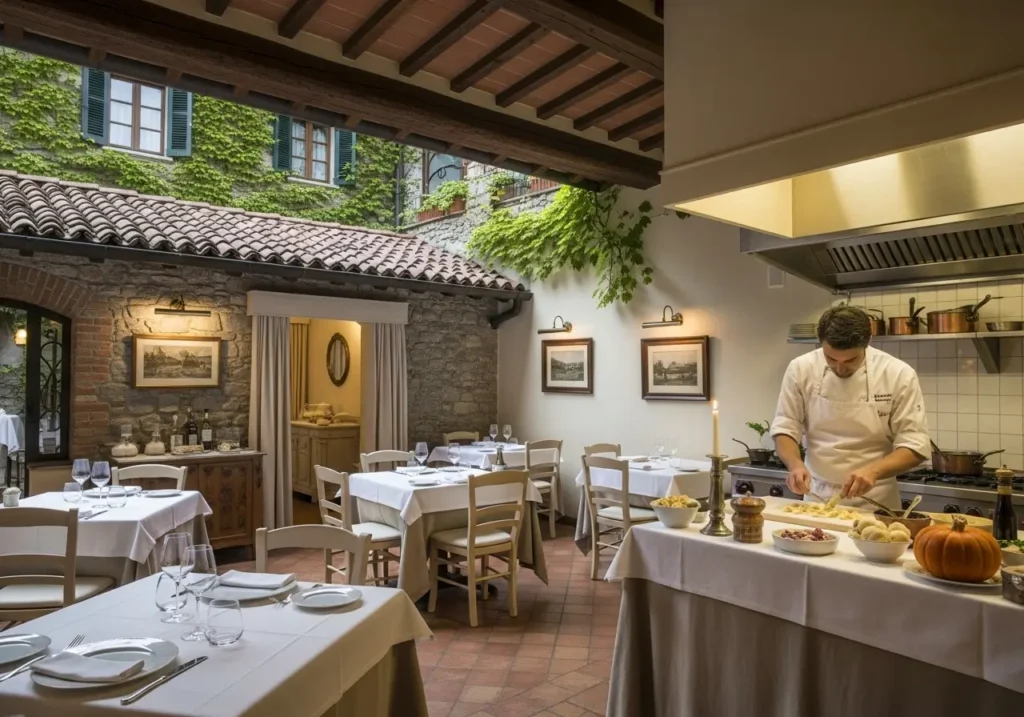
This three-Michelin-starred family-run sanctuary in rural Lombardy has perfected refined Italian hospitality across three generations. Nadia Santini, one of the world’s few female three-star chefs, creates dishes that celebrate the surrounding Po River valley’s bounty with subtle sophistication rather than flashy innovation. Her tortelli di zucca epitomizes the restaurant’s philosophy—traditional recipes executed with uncompromising precision using exceptional ingredients. The romantic countryside setting features gardens that supply the kitchen, creating true farm-to-table dining before it became fashionable. Service strikes the perfect balance between professional excellence and warm familiarity, making guests feel welcomed into the Santini family’s home.
Enoteca Pinchiorri — Florence
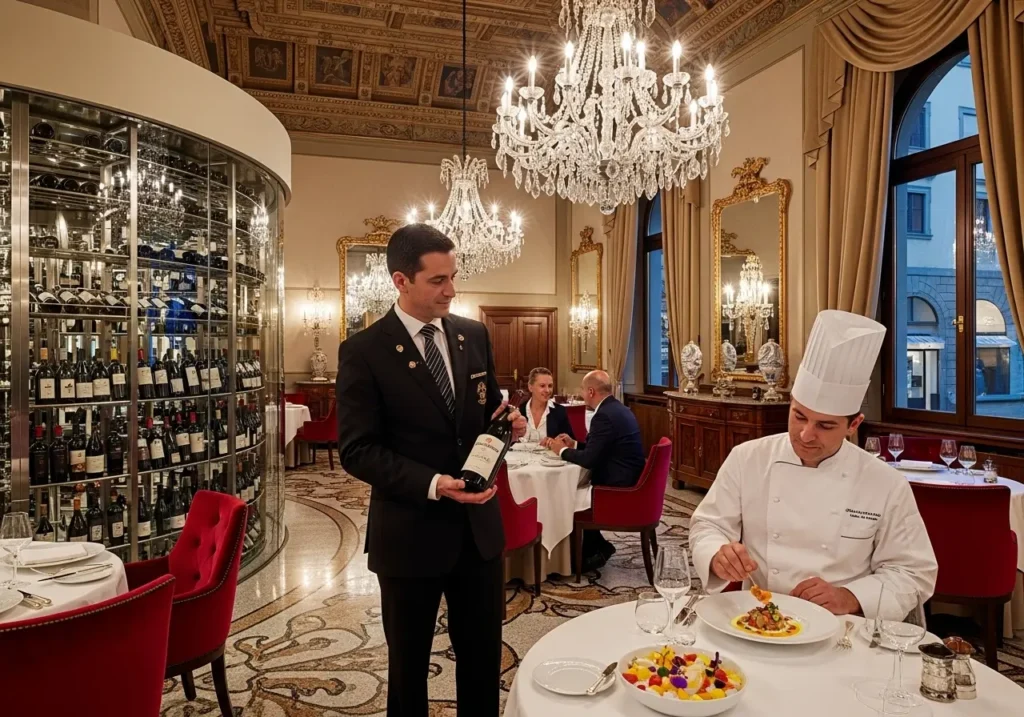
Housed in a Renaissance palazzo near Florence’s Santa Croce, this three-Michelin-starred institution boasts one of Europe’s most legendary wine cellars with over 150,000 bottles. Chef Riccardo Monco and Chef Annie Féolde create sophisticated dishes that balance innovation with respect for Tuscan culinary traditions, using ingredients from the restaurant’s own organic farm. The dining rooms showcase frescoed ceilings and elegant furnishings that transport diners to Renaissance Florence, while the service team demonstrates encyclopedic knowledge without pretension. Their tasting menus change seasonally, highlighting white truffles in autumn and spring vegetables with remarkable creativity. The wine pairings alone justify the visit, featuring rare vintages expertly matched to each course.
Le Calandre — Sarmeola di Rubano
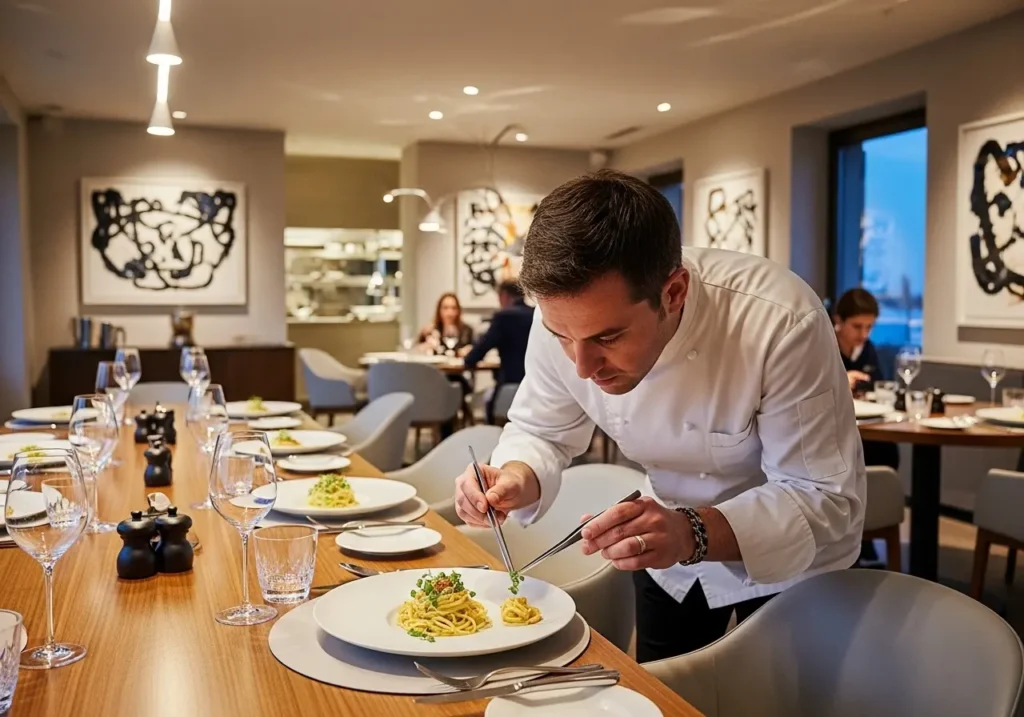
Chef Massimiliano Alajmo earned his third Michelin star at just 28 years old, making him one of the youngest chefs to achieve this distinction. His restaurant near Padua showcases avant-garde techniques and stunning presentations that never sacrifice flavor for visual impact. Signature dishes like “Saffron-Flavored Potato with Thinly Sliced Baby Squid” demonstrate his ability to elevate simple ingredients into revelatory experiences. The modern, minimalist dining room provides the perfect backdrop for his creative vision, focusing attention entirely on the plate. The restaurant excels at accommodating dietary restrictions without compromise, preparing separate tasting menus that maintain the meal’s integrity and creativity. Exceptional service and strategic location between Venice and Verona make this accessible for travelers.
Cracco in Galleria — Milan
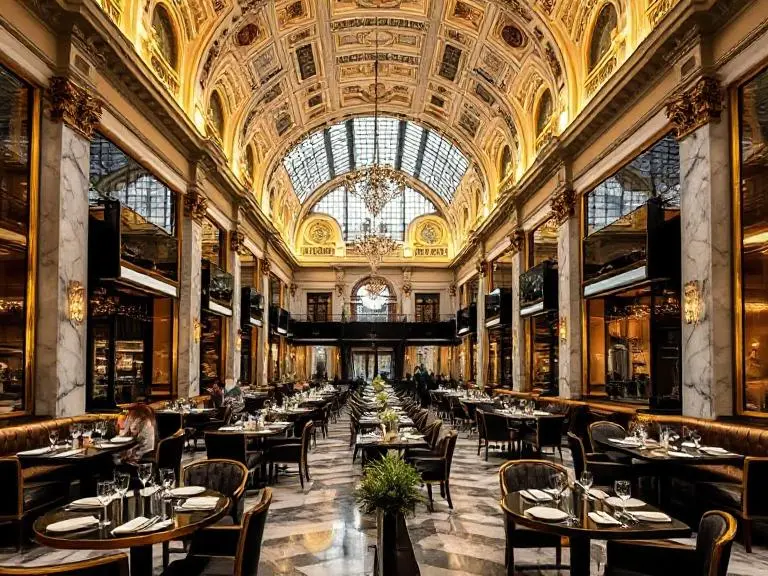
Carlo Cracco’s flagship restaurant occupies a prestigious address within Milan’s iconic Galleria Vittorio Emanuele II, offering two-Michelin-starred dining with views of this architectural masterpiece. His cuisine reflects Milan’s contemporary sophistication—refined, innovative, and occasionally provocative, challenging traditional Italian culinary boundaries while respecting regional ingredients. The risotto with saffron reimagined in unexpected ways showcases his deconstructionist approach that has defined modern Italian cuisine. Multiple dining options exist within the space, from the formal restaurant to more casual configurations, allowing various price points and experiences. The restaurant’s location makes it perfect for combining with Milan’s fashion and design attractions, embodying the city’s elegant modernity.

Il Pagliaccio — Rome
Anthony Genovese’s two-Michelin-starred restaurant near Piazza Navona brings unexpected Asian influences to Italian fine dining, creating a distinctive fusion that respects both traditions. His multicultural background—Italian-born but trained extensively in Asia—produces dishes that incorporate Japanese precision and Korean boldness into Mediterranean foundations. The intimate setting seats only 35 guests, ensuring meticulous attention to detail and personalized service throughout the evening. Tasting menus balance innovation with accessibility, making this an excellent introduction to contemporary Italian fine dining for those intimidated by more experimental establishments. The restaurant’s central location allows easy exploration of Rome’s historic center before or after dining, though its culinary merit alone justifies the visit.
La Pergola — Rome
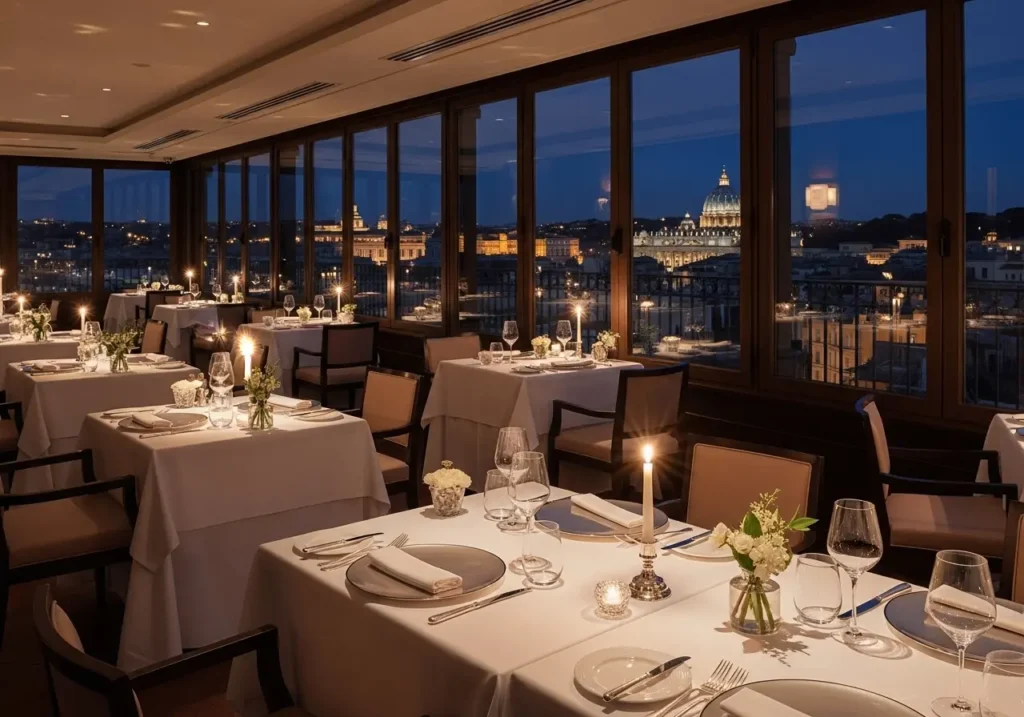
Perched atop Rome Cavalieri’s highest floor, Heinz Beck’s three-Michelin-starred La Pergola offers breathtaking panoramic views across Rome’s historic skyline while delivering Germany-meets-Italy culinary excellence. The formal dining room features impeccable service, crystal chandeliers, and floor-to-ceiling windows that transform the meal into a multisensory experience as the city lights twinkle below. Beck’s cuisine emphasizes Mediterranean ingredients prepared with German precision and creativity, resulting in dishes that surprise while remaining approachable and delicious. The wine cellar contains over 60,000 bottles, with sommeliers who skillfully navigate guests through Italian and international selections. Dress code requirements are strict—jackets mandatory for gentlemen—reinforcing the restaurant’s commitment to classical fine dining elegance.

Reale — Castel di Sangro
Niko Romito’s three-Michelin-starred restaurant occupies a restored 16th-century monastery in Abruzzo’s mountains, offering dramatic mountain views and exceptional cuisine that honors local ingredients with minimalist presentation. His culinary philosophy emphasizes purity and essential flavors, stripping away unnecessary elements to reveal ingredients’ true character through perfect technique. Signature dishes demonstrate this approach—simple preparations of lamb, potatoes, or vegetables that achieve transcendent results through precise cooking and seasoning. The remote location requires dedicated travel but rewards with an immersive experience away from tourist crowds, surrounded by pristine natural beauty. The restaurant also operates a more casual trattoria and hospitality school on-site, showcasing Romito’s commitment to culinary education.
Uliassi — Senigallia
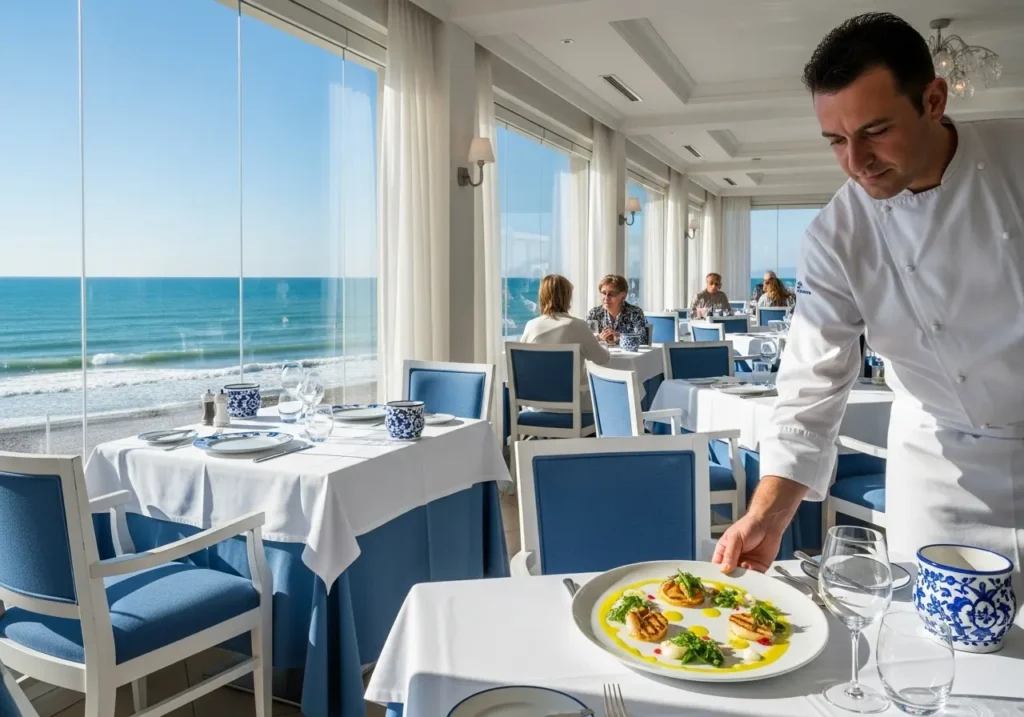
Mauro Uliassi’s three-Michelin-starred restaurant directly overlooks the Adriatic Sea, celebrating seafood with creativity that honors rather than obscures the ingredients’ natural qualities. The beachfront location provides both stunning views and direct access to fishermen who supply the restaurant with exceptional daily catches. His cuisine balances playfulness with sophistication—dishes surprise and delight without gimmickry, demonstrating deep understanding of seafood preparation and flavor combinations. The more relaxed atmosphere compared to other three-star establishments makes this approachable for those seeking exceptional food without stuffiness or pretension. Summer dining on the terrace with sea breezes and sunset views creates unforgettable romantic moments that complement the culinary excellence perfectly.

Casa Perbellini 12 Apostoli — Verona
Giancarlo Perbellini’s two-Michelin-starred restaurant occupies Verona’s historic center, transforming traditional Veronese cuisine through contemporary techniques while maintaining regional identity and authenticity. His cooking respects local traditions—featuring risotto all’Amarone and other Venetian classics—while presenting them with modern refinement and unexpected elements. The intimate twelve-seat counter arrangement creates theatrical dining where guests watch Perbellini and his team craft each dish with precision and artistry. This chef’s table format removes barriers between kitchen and dining room, allowing direct interaction and insight into fine dining’s creative process. The restaurant’s location near Juliet’s balcony and Roman arena makes it convenient for combining world-class dining with Verona’s romantic cultural attractions.
FAQs Italian Fine Dining
How far in advance should I book Italian fine dining restaurants?
Top-tier establishments like Osteria Francescana and Dal Pescatore require reservations 2-3 months ahead, with bookings opening at specific times and filling within hours. Most two- and three-Michelin-starred restaurants accept reservations 30-60 days in advance. Book immediately once reservations open, remain flexible with dates, and check cancellations regularly. Some restaurants maintain waiting lists or release last-minute tables on social media.
What is the average cost of Italian fine dining?
Tasting menus at three-Michelin-starred restaurants typically range from €250-€400 per person, excluding wine pairings which add €100-€200. Two-star establishments average €150-€250 per person. Wine pairings, premium beverages, and à la carte ordering increase costs significantly. Budget €400-€600 per person for the complete three-star experience including wine. Some restaurants offer lunch menus at reduced prices, providing more accessible entry points to fine dining.
What should I wear to Italian fine dining restaurants?
Dress codes vary by establishment. Traditional restaurants like La Pergola require jackets for men and elegant attire for women, explicitly prohibiting jeans and sneakers. Most contemporary fine dining venues expect “smart casual” or “smart elegant” attire—collared shirts, dress pants, and closed-toe shoes for men; dresses, elegant separates for women. When uncertain, err toward overdressing rather than underdressing. Contact restaurants directly regarding specific dress code questions.
Are Italian fine dining restaurants suitable for dietary restrictions?
Most high-end Italian restaurants accommodate dietary restrictions with advance notice, creating alternative tasting menus for vegetarians, vegans, and those with allergies. Notify restaurants when booking and confirm again closer to your reservation. Three-Michelin-starred establishments particularly excel at adapting menus without compromising the dining experience. However, extremely restrictive diets may limit chef creativity, and some establishments specialize in specific ingredients making substitutions challenging.
Do I need to speak Italian at these restaurants?
No. All fine dining establishments catering to international clientele employ English-speaking staff, particularly front-of-house managers and sommeliers. Menus are typically available in English, and service teams expertly describe dishes in multiple languages. However, learning basic Italian phrases demonstrates respect and enhances the cultural experience. Language barriers rarely pose problems at this dining level, where hospitality excellence includes clear communication.
Can children dine at Italian fine dining restaurants?
Policies vary considerably. Some establishments explicitly welcome well-behaved children and accommodate with adjusted portions or special menus, while others discourage young diners due to lengthy tasting menus and formal atmospheres. Most recommend children be at least 10-12 years old for multi-hour dining experiences. Always contact restaurants directly regarding age policies and whether they can accommodate younger diners appropriately. Consider whether your child’s temperament suits extended formal meals.
Conclusion
Italy’s finest restaurants represent more than exceptional meals—they’re transformative experiences that combine culinary artistry, regional culture, and impeccable hospitality into unforgettable moments. Each establishment on this list has earned its reputation through unwavering commitment to excellence, whether honoring centuries-old traditions or pioneering contemporary innovations.
These ten restaurants showcase Italian fine dining’s remarkable diversity, from coastal seafood temples to mountain monasteries, from classical elegance to avant-garde experimentation. Regardless of which you choose, you’re guaranteed cuisine that reflects the chef’s vision, the region’s character, and Italy’s unmatched culinary heritage.
Ready to elevate your Italian journey? Book your table at one of these exceptional restaurants today and discover why Italy remains the world’s ultimate culinary destination. Don’t wait—the best reservations disappear quickly, and these experiences book months in advance.
Thousands of travelers have transformed their Italian vacations by prioritizing one unforgettable fine dining experience. Join them in discovering that while Italy’s casual trattorias are wonderful, these temple-like establishments reveal culinary possibilities that will forever change how you appreciate food, service, and the art of dining itself.