10 Best Monte Vulture Spots for Stunning Nature Views
Introduction
Finding authentic natural beauty away from overcrowded tourist traps can feel impossible. You’ve scrolled through countless travel blogs promising “hidden gems,” only to arrive at packed viewpoints and commercialized attractions that drain your wallet and enthusiasm.
Monte Vulture offers something refreshingly different. This ancient volcanic complex in Basilicata, southern Italy, delivers pristine lakes, medieval abbeys, and sweeping panoramas that few international travelers have discovered. You’ll experience the raw beauty of untouched forests, taste world-class wines from volcanic soil, and capture photographs without fighting through selfie-stick crowds.
Having explored volcanic landscapes across Italy for over a decade and guided hundreds of nature enthusiasts through lesser-known Italian treasures, I’ve witnessed how Monte Vulture consistently exceeds expectations. The region’s unique geology creates microclimates that support rare plant species, while its cultural heritage spans from Byzantine monks to modern winemakers.
In this guide, you’ll discover why Monte Vulture deserves a spot on your Italian itinerary, explore ten spectacular locations that showcase the area’s diverse beauty, and get practical answers to the questions every visitor asks before making the journey.
Table of Contents
Why You Should Visit Monte Vulture
Monte Vulture isn’t just another pretty mountain—it’s a testament to Italy’s ability to surprise even seasoned travelers.
Cultural richness runs deep here. The Abbazia di San Michele Arcangelo has watched over these volcanic slopes since Byzantine times, its grottos carved directly into ancient lava flows. Local villages maintain traditions dating back centuries, from chestnut festivals to traditional cheese-making techniques passed through generations. You’re not visiting a museum; you’re stepping into living history where elderly residents still speak Arbëreshë, an Albanian dialect preserved for over 500 years.
Convenience makes Monte Vulture accessible without sacrificing authenticity. Located just 90 minutes from Bari’s international airport and two hours from Naples, the area offers well-maintained roads and clear signage. Several rifugi (mountain lodges) provide comfortable accommodations with home-cooked meals, eliminating the need for extensive camping gear. Unlike remote wilderness areas, you’ll find reliable cell service, English-speaking staff at key locations, and emergency services within reasonable reach.
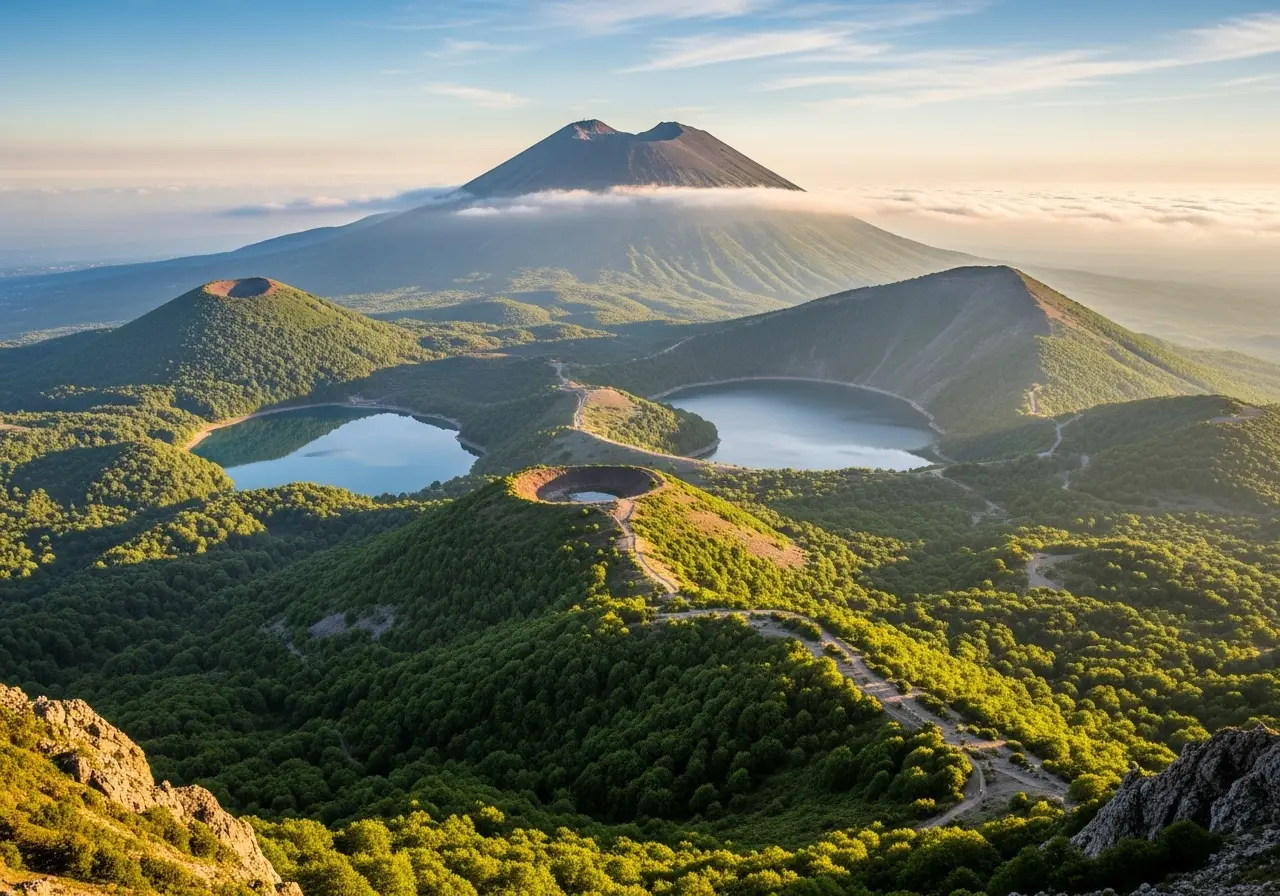
The variety here rivals regions ten times more famous. Within a 15-kilometer radius, you’ll transition from serene twin lakes reflecting beech forests to dramatic cliff-top viewpoints overlooking the Apulian plains. Ancient forests give way to manicured vineyards producing Aglianico del Vulture, one of Italy’s most respected red wines. Birdwatchers, photographers, hikers, and wine enthusiasts all find their passion satisfied without compromise. Spring brings wildflowers carpeting the slopes, summer offers cool refuge from coastal heat, autumn paints the forests in amber and crimson, and winter occasionally dusts the summit with snow—each season revealing a different character.
The absence of mass tourism means you’ll actually connect with the landscape rather than merely photographing it from designated spots. Trails remain quiet enough to hear birdsong. Restaurant owners remember your face on the second visit. The experience feels personal rather than transactional.
10 Best Monte Vulture Spots for Stunning Nature Views
1. Lago Grande di Monticchio
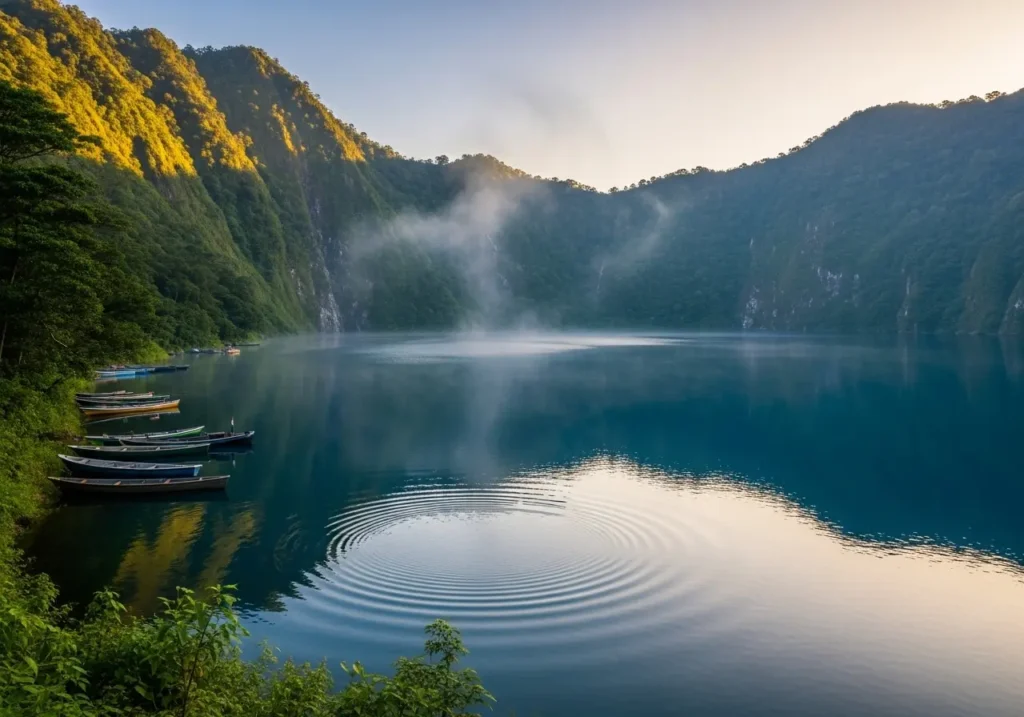
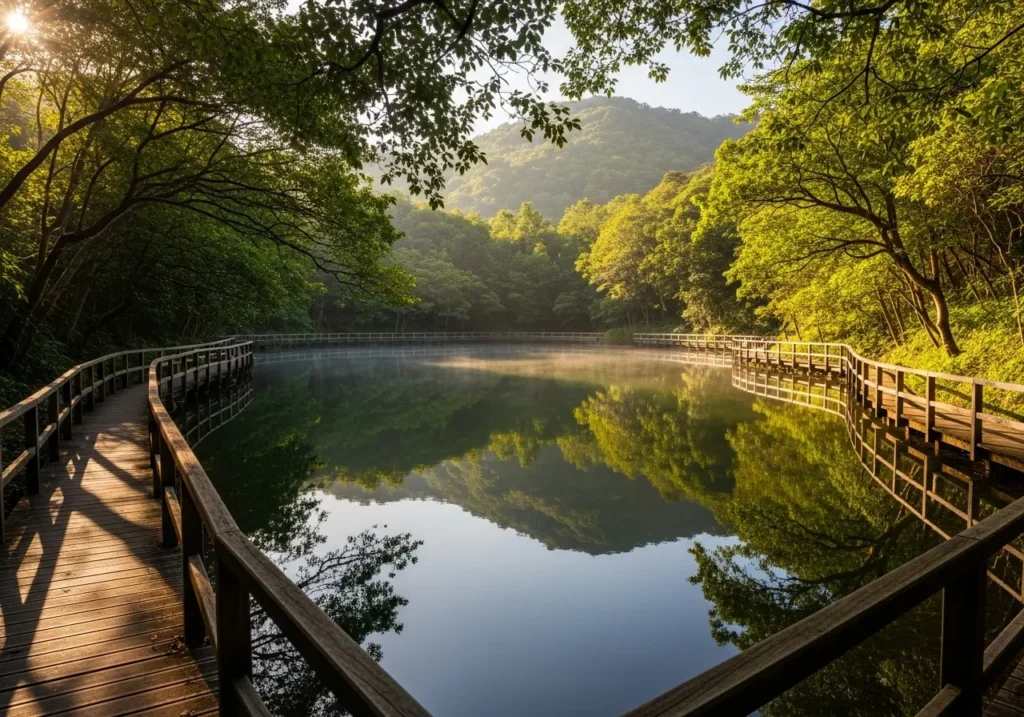
The larger of Monte Vulture’s twin crater lakes sits like a sapphire in a volcanic bowl, surrounded by dense beech and oak forests that plunge directly into crystalline waters. This volcanic lake formed in an ancient crater and reaches depths of approximately 38 meters, creating mirror-like reflections of the surrounding vegetation.
A paved pathway circles much of the shoreline, offering accessible walking for all fitness levels. Early morning visits reward you with mist rising from the water’s surface while the surrounding peaks catch the first golden light. The lake’s stillness creates perfect conditions for reflection photography—bring a polarizing filter to capture both the surface details and the depths below.
The western shore features benches and picnic areas shaded by mature trees, ideal for afternoon relaxation after hiking. Local legends claim the lake has no bottom, though modern sonar has disproven this romantic notion. What remains undisputed is the lake’s role as a natural air conditioner—temperatures here stay remarkably cool even during August’s peak heat.
2. Lago Piccolo di Monticchio
Connected to its larger sibling by a narrow channel, Lago Piccolo offers a more intimate atmosphere with shallower, warmer waters. This smaller crater lake features a distinctive forested island at its center, home to the historic Santa Maria del Lago church, now serving as a nature museum.
The lake’s unique claim to fame is the rare Acanthobrahmaea europaea, a moth species found nowhere else on Earth. Scientists believe this prehistoric species survived here thanks to the lake’s stable microclimate, making it a living fossil from the ice age.
A wooden walkway extends along the northern shore, perfect for spotting water birds and dragonflies. The shallow areas support aquatic vegetation that attracts kingfishers and herons. Sunset transforms the smaller lake into a palette of oranges and purples, with the island’s silhouette creating dramatic foreground interest for photographers.
3. Abbazia di San Michele Arcangelo
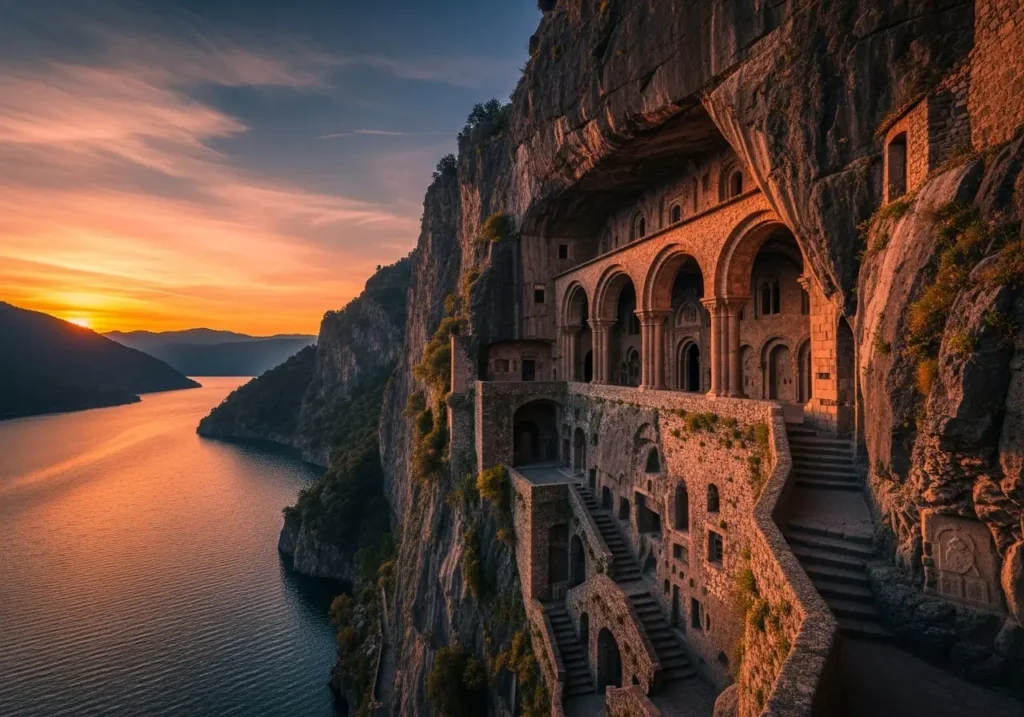
Carved into the volcanic rock face itself, this abbey represents one of southern Italy’s most spectacular examples of rock-hewn architecture. Founded by Basilian monks in the 8th century, the complex extends through multiple levels of natural and man-made grottoes, creating a labyrinth where spirituality and geology merge.
The approach requires climbing stone steps through a forest path, building anticipation as fragments of carved stonework appear between the trees. Inside, Byzantine frescoes peer through centuries of candle smoke, their colors still vibrant where restoration has been completed. The main chapel’s acoustics create haunting reverberations, explaining why monks chose this spot for contemplative prayer.
Beyond its religious significance, the abbey’s terraced position offers sweeping views across the Vulture slopes toward the Bradano valley. The combination of human artistry and natural stone formations creates photographic opportunities unavailable anywhere else in the region. Visit during weekday mornings to experience the site in relative solitude.
4. Belvedere del Monte Vulture
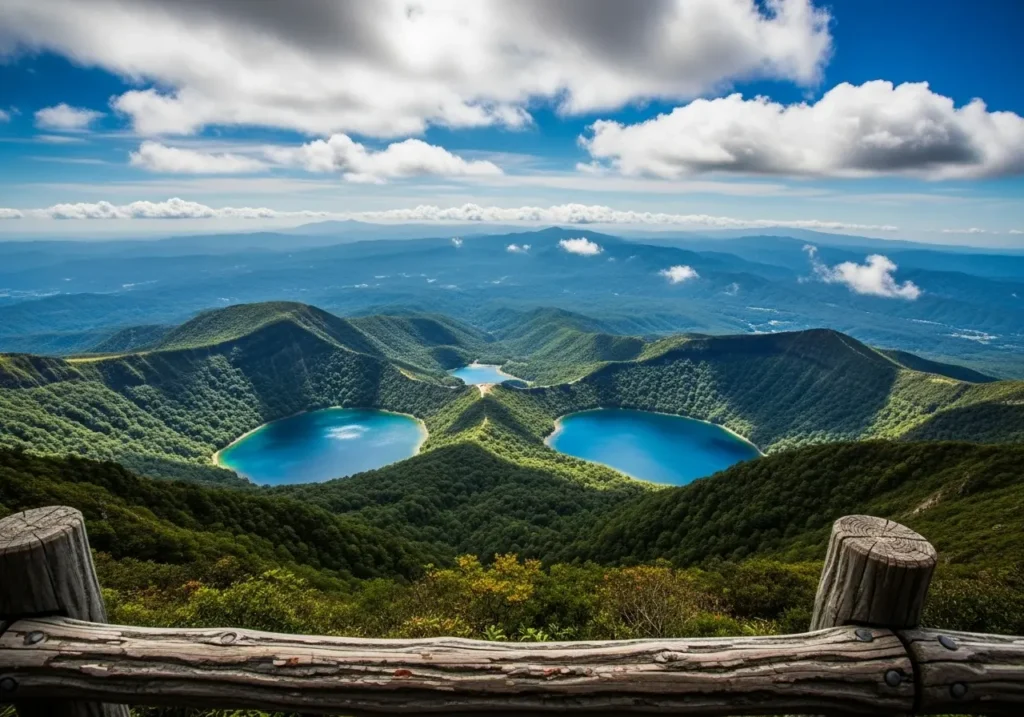
This designated viewpoint sits at 1,270 meters elevation, providing 360-degree panoramas that extend from the Apennines to the Adriatic Sea on clear days. The belvedere’s strategic position showcases Monte Vulture’s volcanic profile, revealing how ancient eruptions shaped the entire landscape.
Well-placed interpretive panels identify distant peaks, towns, and geographical features, transforming a simple view into an educational experience. The geology becomes visible from this height—you can trace ancient lava flows, identify secondary cones, and understand how the twin lakes fit into the volcanic caldera.
Sunrise visits reward early risers with fog-filled valleys and horizontal light that emphasizes the terrain’s texture. The belvedere includes parking, basic facilities, and picnic tables, making it accessible for families. Winter occasionally brings snow to this elevation, creating a completely different visual experience with frosted trees and white-blanketed slopes.
5. Rifugio Monte Vulture
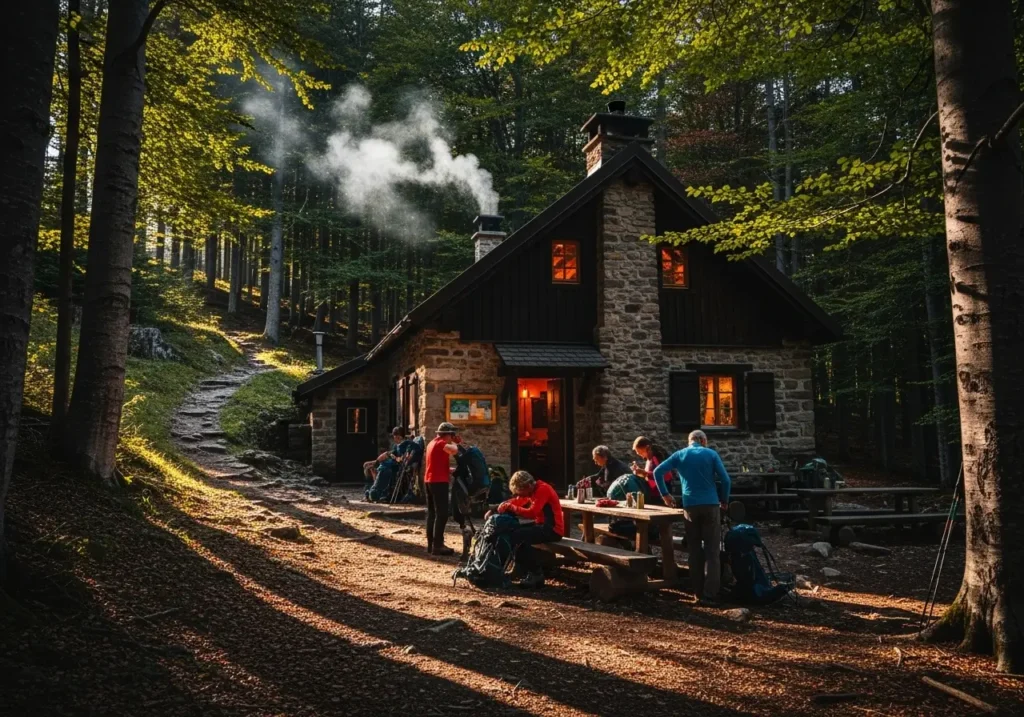
More than just a mountain lodge, this rifugio serves as base camp for serious exploration while offering comfortable amenities. Situated at approximately 1,200 meters, it provides immediate access to summit trails while serving hearty regional cuisine featuring local ingredients.
The rifugio’s terrace delivers unobstructed views of both lakes simultaneously, particularly dramatic during the golden hour when angled light illuminates the water surfaces. Staff members are typically enthusiastic hikers who provide updated trail conditions, weather forecasts, and insider knowledge about lesser-known viewpoints.
Traditional dishes like “rafanata” (a horseradish omelette) and “baccalà alla lucana” (salt cod with cruschi peppers) fuel your adventures. The rifugio also hosts occasional cultural events, including traditional music performances and photography workshops. Overnight guests experience the mountain’s transformation from day to night, when stars multiply overhead and valley lights twinkle below.
6. Riserva Naturale Grotticelle
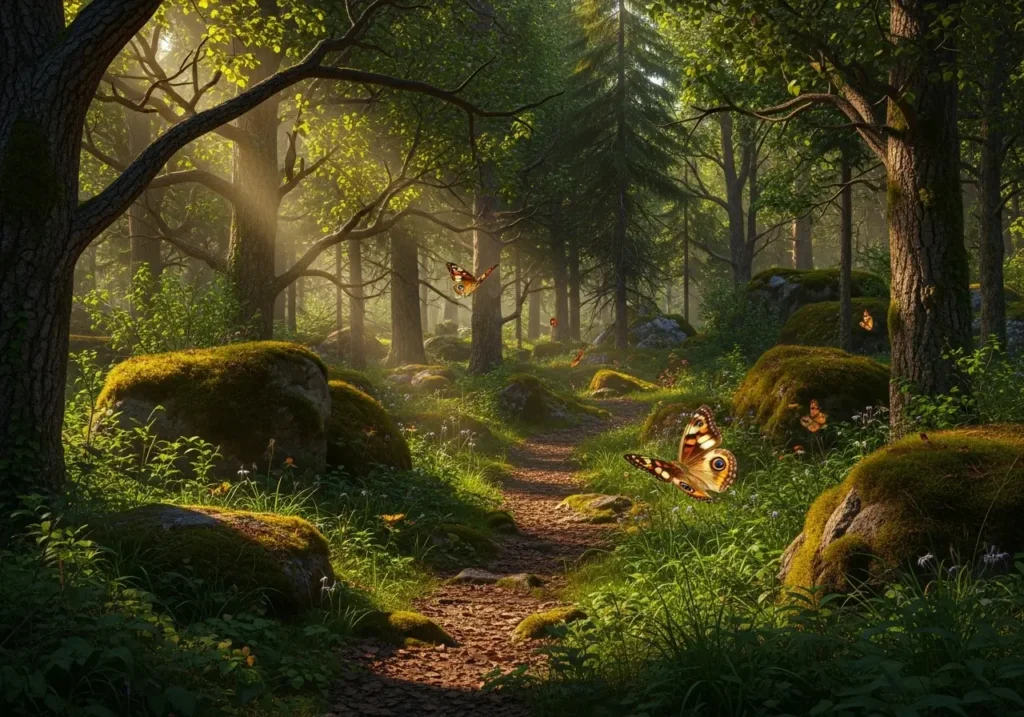
This protected nature reserve encompasses unique volcanic formations where centuries of erosion have sculpted the lava rock into caves, arches, and sculptural shapes. The reserve’s name references the numerous small grottoes that pepper the landscape, many once used as primitive shelters and later as hermitages.
Well-marked trails wind through diverse ecosystems, from open grasslands supporting wild orchids to dense forest sections where ancient trees create cathedral-like canopies. The reserve’s biodiversity impresses botanists and casual observers alike—over 900 plant species thrive here, including several endemic varieties found only on volcanic soils.
The grotticelle themselves offer cool respite on hot days and frame unique perspectives of the surrounding forest. Some caves contain barely visible traces of medieval occupation—smoke stains on ceilings, carved niches for oil lamps, and occasional religious symbols. Spring transforms the reserve into a wildflower showcase, while autumn brings mushroom hunters searching for porcini among the chestnut trees.
7. Abbey of Sant’Ippolito
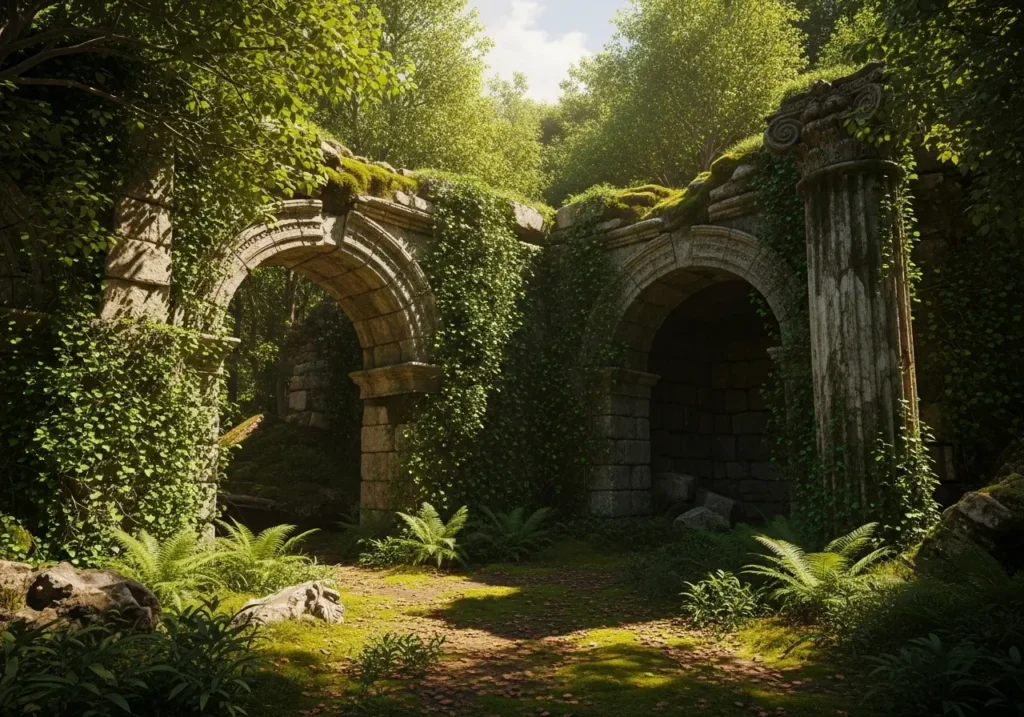
Less famous than San Michele but equally atmospheric, Sant’Ippolito sits in pastoral isolation surrounded by beech forests. The Romanesque structure dates to the 11th century, with later Gothic additions creating an architectural timeline readable in stone.
The abbey’s hilltop position offers views across agricultural valleys where traditional farming methods persist. The surrounding meadows bloom with wildflowers from March through June, attracting butterflies and photographers in equal measure. The site’s tranquility remains profound—many visitors report hearing nothing but wind through trees and distant cow bells.
A small museum displays religious artifacts and provides context about monastic life in medieval Basilicata. The cloister garden maintains medicinal herbs once cultivated by resident monks, labeled with both scientific and traditional names. The abbey’s stone walls glow amber during sunset, creating magical light for photography.
8. Castagno and Faggio Forests
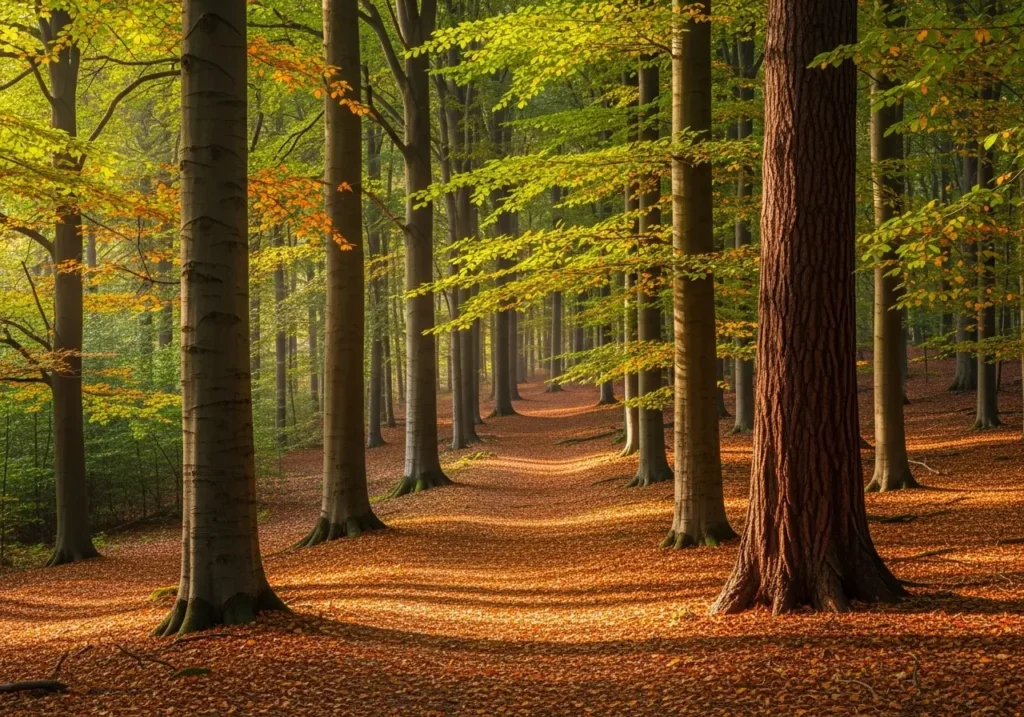
These ancient chestnut and beech forests represent remnants of the woodlands that once covered much of southern Italy. The castagno (chestnut) trees include specimens over 500 years old, their massive trunks requiring several people to encircle. Local communities have harvested chestnuts here for generations, maintaining traditional drying huts called “gratali” that dot the landscape.
The faggio (beech) forests climb to higher elevations, their smooth gray trunks rising like columns in a natural cathedral. These forests provide critical habitat for wildlife including wildcats, porcupines, and numerous bird species. The forest floor transforms seasonally—spring brings wild asparagus and cyclamen, summer offers cool shade, autumn delivers carpets of golden leaves, and winter reveals the stark beauty of bare branches against snow.
Several marked trails penetrate the forests, ranging from easy 30-minute walks to challenging full-day treks. The temperature differential between forest interior and open areas can reach 10 degrees Celsius, making these woods a natural air-conditioned refuge during summer. Photographers prize the filtered light effects, especially when fog weaves through the trees.

9. Summit Trail Panoramic Point
The trail to Monte Vulture’s 1,326-meter summit represents the region’s most rewarding hiking challenge. The approximately 3-hour ascent passes through all the mountain’s ecological zones—vineyards give way to mixed forests, then to beech woods, finally emerging above treeline where Mediterranean scrub dominates.
The summit itself features a metal cross and modest shelter, but the real attraction is the unparalleled 360-degree panorama. On exceptional days, visibility extends to both the Tyrrhenian and Adriatic seas, with the spine of the Apennines marching north toward Rome and the flat Tavoliere plain spreading toward Foggia.
The exposed summit position makes weather monitoring essential—conditions can change rapidly, with fog rolling in without warning. Spring and autumn offer the most reliable viewing conditions and comfortable temperatures. The descent reveals perspectives missed during the climb, particularly dramatic views down into the volcanic caldera containing the twin lakes.
10. Aglianico del Vulture Vineyards
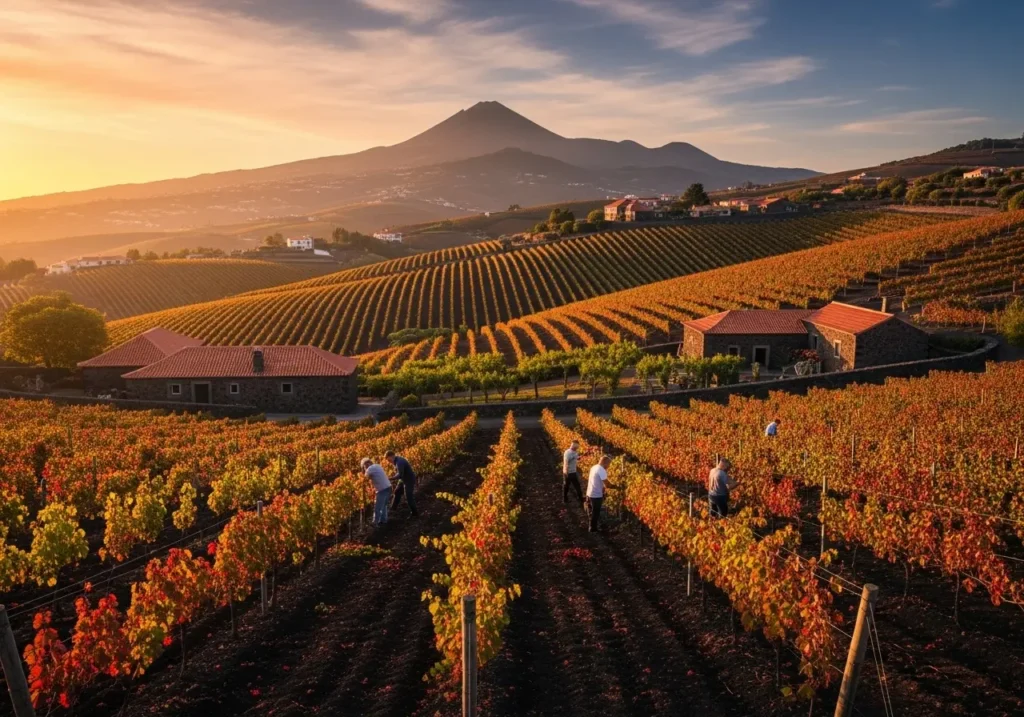
The volcanic soil and unique microclimate make Monte Vulture one of Italy’s most distinguished wine regions. The Aglianico grape thrives here, producing powerful red wines that age magnificently. Vineyard visits combine spectacular views with oenological education and tasting opportunities.
The vines climb steep volcanic slopes at elevations reaching 700 meters, higher than most Italian vineyards. This altitude preserves acidity while the volcanic soil contributes distinctive mineral notes. The contrast of geometric vine rows against irregular volcanic topography creates visually striking landscapes, especially during harvest season when leaves turn golden-red.
Several wineries offer tours explaining how volcanic terroir influences wine character. Tastings typically include Aglianico del Vulture DOCG alongside regional specialties like caciocavallo cheese and peperoni cruschi. The vineyard viewpoints often include the lakes, mountain summit, and valley views, making them functional observation points even for non-wine enthusiasts. Late afternoon visits capture the low-angle light that makes the landscape glow while providing optimal conditions for wine tasting.
FAQs About Monte Vulture
When is the best time to visit Monte Vulture? May through October offers the most reliable weather, with May and September providing ideal conditions—warm days, cool nights, and fewer crowds. Spring (April-May) showcases wildflowers and migrating birds, while autumn (September-October) delivers spectacular foliage and grape harvest festivities. Summer brings heat to the valleys but remains pleasant at elevation. Winter (November-March) sees some facilities close, though the mountain takes on a stark beauty with possible snow at higher elevations.
How many days should I spend exploring Monte Vulture? A minimum of two full days allows you to visit the major sites without rushing. Three to four days enables deeper exploration including summit hikes, multiple vineyard visits, and time to simply absorb the atmosphere. Day-trippers from nearby cities can experience the lakes and one abbey, but the mountain’s magic reveals itself to those who stay overnight and experience the transition from day to night.
Is Monte Vulture suitable for families with children? Absolutely. The lakeside paths, accessible viewpoints, and rifugio facilities accommodate families well. Children particularly enjoy spotting wildlife around the lakes, exploring the abbey grottoes (with supervision), and the novelty of staying in a mountain lodge. Avoid the summit trail with very young children, but numerous shorter, easier walks provide plenty of outdoor engagement. The absence of commercial tourist attractions means children connect with actual nature rather than theme-park versions.
Do I need a car to explore Monte Vulture? A car provides maximum flexibility and is strongly recommended. Public transportation serves major towns like Melfi and Rionero, but reaching trailheads, viewpoints, and smaller attractions proves challenging without private transport. The roads are generally good, though mountain sections include curves requiring attentive driving. Car rental from Bari or Naples airports makes sense for most visitors.
Are there accommodation options on Monte Vulture itself? Several rifugi (mountain lodges) offer rooms and meals, providing authentic mountain experiences. The area also features agriturismi (farm stays) and small hotels in villages like Monticchio, Rionero in Vulture, and Melfi. Accommodation tends toward simple but comfortable rather than luxurious, with emphasis on hospitality and local cuisine. Booking ahead is essential during peak season (June-September) and autumn weekends.
What should I pack for a Monte Vulture visit? Layered clothing handles the elevation-related temperature variations—even summer days can turn cool at higher elevations. Sturdy walking shoes are essential, with hiking boots recommended for summit attempts. Bring sun protection, a refillable water bottle, binoculars for wildlife watching, and a camera with extra batteries. A light rain jacket proves useful regardless of forecast. Insect repellent helps during summer evenings near the lakes.
Can I swim in the lakes? Lago Piccolo permits swimming in designated areas, with its shallower, warmer water proving most inviting. Lago Grande discourages swimming due to its depth and colder temperature, though it’s not explicitly forbidden. Neither lake has developed beaches or lifeguards—swimming is at your own risk. The water quality is excellent, and the experience of swimming in a volcanic crater lake proves memorable for those who try.
Are English speakers accommodated at Monte Vulture? English proficiency varies. Staff at rifugi and larger wineries typically speak functional English, while smaller establishments may rely on Italian only. The lack of mass tourism means patience and basic Italian phrases enhance the experience. Restaurant menus may lack English translations, but staff will enthusiastically explain dishes using gestures and the universal language of food enthusiasm. Download offline translation apps as backup.
What wildlife might I encounter? Birdwatchers can spot over 150 species including golden eagles, peregrine falcons, and various woodpeckers. Mammals include wild boar (usually heard rather than seen), foxes, badgers, and the elusive wildcat. The rare Acanthobrahmaea europaea moth near Lago Piccolo attracts entomologists from across Europe. Reptiles include several lizard species and the occasional grass snake. Wildlife encounters remain unpredictable but add excitement to exploration.
Is Monte Vulture accessible for visitors with mobility limitations? The lakeside paths, particularly around Lago Grande, offer relatively flat, paved sections suitable for wheelchairs and strollers, though some assistance may be needed on inclines. The Belvedere del Monte Vulture viewpoint is accessible by car with minimal walking required. However, the abbeys, summit trail, and forest paths involve stairs and uneven terrain unsuitable for wheelchairs. Several winery terraces and rifugio facilities offer good views with limited walking required from parking areas.
Conclusion
Monte Vulture proves that Italy still conceals extraordinary destinations beyond the well-trodden paths of Tuscany, the Amalfi Coast, and Venice’s canals. This volcanic mountain delivers the complete Italian experience—breathtaking natural beauty, profound historical significance, authentic local culture, and exceptional food and wine—without the crowds and inflated prices that plague famous destinations.
The ten spots featured here represent just the beginning. Each visit reveals new perspectives, seasonal transformations, and unexpected discoveries. The elderly winemaker who insists you taste his private reserve. The forest trail that opens suddenly onto a view you’ll never forget. The moment when you realize the only sound is wind through beech leaves.
Don’t let Monte Vulture remain one of those places you meant to visit. Check flight prices to Bari, block out three days in your calendar, and book a rifugio room before someone else claims it. Southern Italy’s most beautiful secret won’t stay secret forever—but for now, it remains blissfully yours to discover.
Share your Monte Vulture experience in the comments below. Which spot captured your heart? What unexpected moment became your favorite memory? Your insights help fellow travelers plan their own journeys and encourage others to venture beyond the guidebook favorites. And if you haven’t yet visited, tell us which of these ten spots calls to you most strongly—then commit to answering that call.