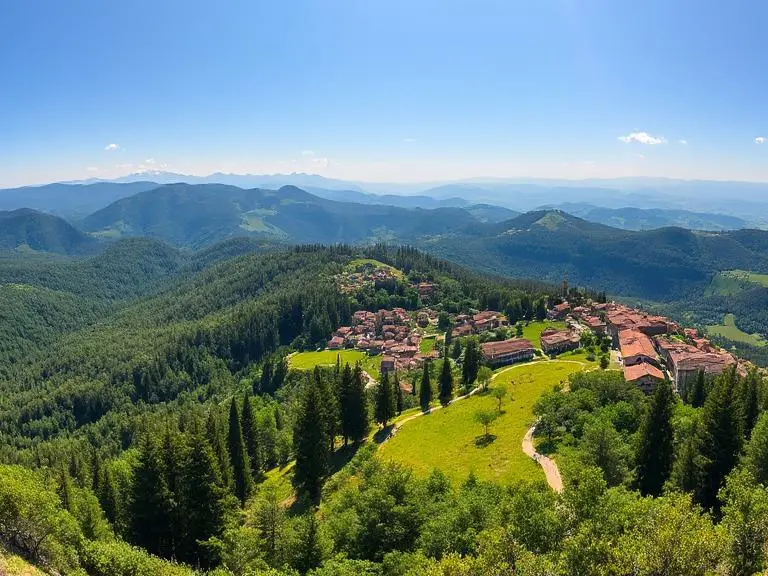
10 Best Things to Do in Monte Amiata Year-Round
Introduction
Tired of crowded tourist traps and cookie-cutter vacation destinations? Monte Amiata offers something refreshingly different—an authentic Tuscan mountain experience that remains captivating throughout every season. This dormant volcano in southern Tuscany delivers adventure, culture, and natural beauty without the overwhelming crowds found in Florence or Rome.
As a content strategist who has explored Tuscany’s hidden gems extensively, I’ve discovered that Monte Amiata provides year-round activities that cater to outdoor enthusiasts, history buffs, and culinary travelers alike. Whether you’re planning a winter ski trip or a summer hiking expedition, this volcanic massif has something extraordinary to offer.
In this comprehensive guide, you’ll discover the top 10 activities that make Monte Amiata a remarkable destination, learn why this mountain should be on your travel radar, and get practical answers to common visitor questions.
Table of Contents
Why You Should Visit Monte Amiata
Monte Amiata stands apart from typical Tuscan destinations by offering a unique blend of medieval villages, volcanic landscapes, and mountain recreation. The region’s cultural richness spans from ancient mining traditions to Renaissance-era abbeys, providing historical depth that rivals more famous Italian locations. Unlike crowded coastal areas, Monte Amiata maintains an authentic character where local traditions thrive and visitors can genuinely connect with Italian mountain culture.
The convenience factor makes Monte Amiata particularly appealing for travelers. Located within easy driving distance from Rome, Florence, and Siena, this mountain region serves as either a standalone destination or a perfect add-on to your Tuscany itinerary. The compact geography means you can experience medieval villages, hiking trails, and cultural attractions without spending hours in transit between sites.
What truly sets Monte Amiata apart is its remarkable variety of experiences. Winter transforms the mountain into a ski destination with family-friendly slopes, while spring and summer unveil extensive hiking trails through chestnut forests. Fall brings mushroom foraging and wine harvest festivals. The region’s thermal springs, wildlife parks, contemporary art installations, and traditional cuisine ensure that every type of traveler finds their perfect experience, regardless of the season.
10 Best Things to Do in Monte Amiata Year-Round
Abbazia di San Salvatore
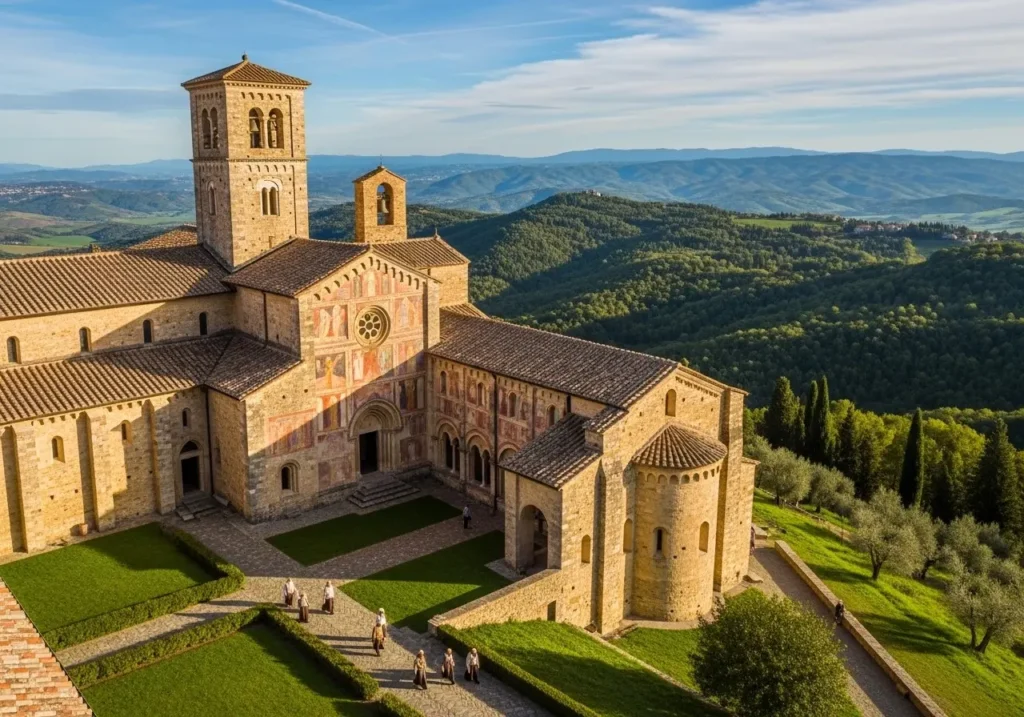
The magnificent Abbazia di San Salvatore monastery dominates the town of Abbadia San Salvatore, showcasing centuries of religious and architectural history. Founded in 743 AD by the Lombard King Ratchis, this Benedictine abbey features a stunning crypt with 36 columns, each uniquely carved with intricate medieval designs. The Romanesque architecture transports visitors back to medieval Tuscany, offering a glimpse into the spiritual life that shaped the region. The abbey’s museum houses precious religious artifacts, illuminated manuscripts, and historical documents that chronicle the monastery’s influential role in Monte Amiata’s development. Visiting during the quieter morning hours allows for peaceful contemplation in this sacred space that has welcomed pilgrims for over 1,200 years.
Santa Fiora Village
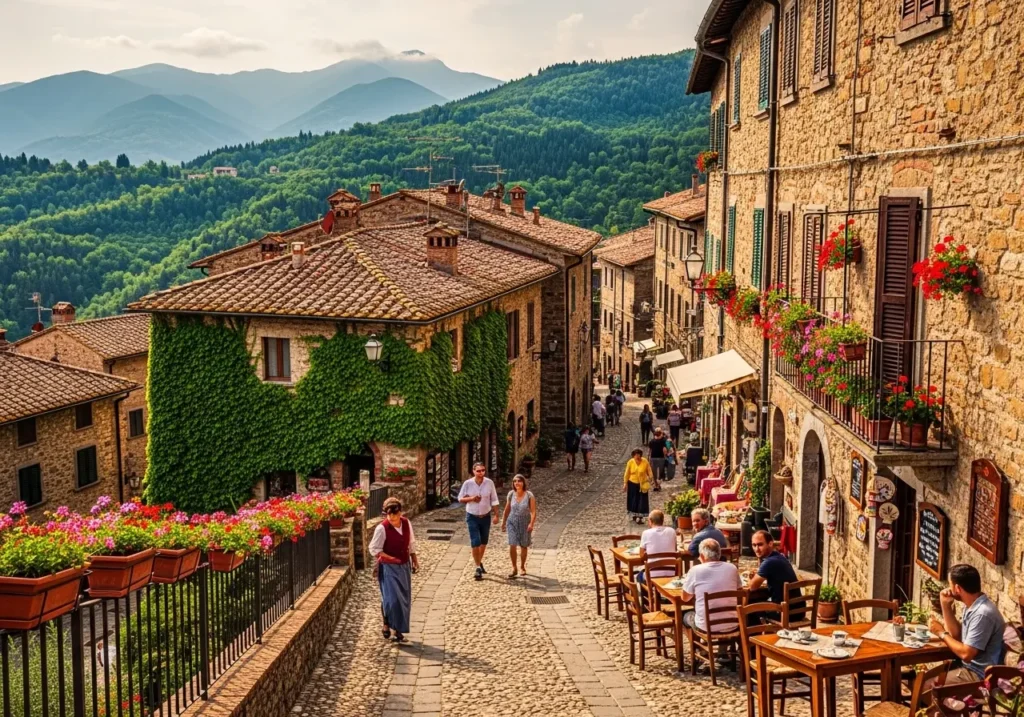
Santa Fiora enchants visitors with its perfectly preserved medieval character and unique water features that earned it recognition among Italy’s most beautiful villages. The Peschiera, a historic fish pond fed by natural springs, serves as the heart of this charming village, surrounded by Renaissance buildings and cobblestone streets. The Aldobrandeschi Palace houses a fascinating ceramics museum showcasing the region’s artistic traditions, while the nearby Sforza Castle offers panoramic views over the surrounding chestnut forests. The village’s three historic districts—Castello, Borgo, and Montecatino—each possess distinct architectural personalities waiting to be explored. Don’t miss the Romanesque churches and the refreshing park where crystal-clear springs emerge from volcanic rock, creating an oasis that has sustained the community for centuries.
Castel del Piano Village
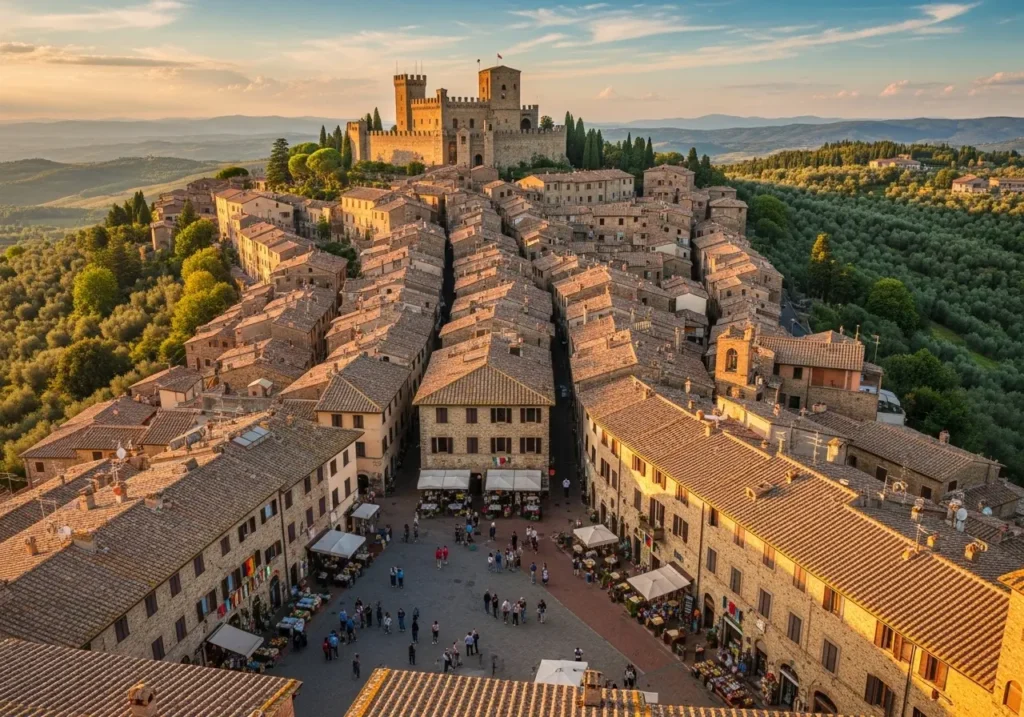
Castel del Piano combines medieval authenticity with vibrant local culture, particularly during its famous Palio delle Contrade festival each September. The town’s historic center features elegant Renaissance palazzi, narrow stone streets, and the impressive Opera Theatre, one of Tuscany’s smallest yet most charming performance venues. The Church of Madonna delle Grazie and the Propositura di San Leonardo showcase remarkable religious art and architecture spanning several centuries.
Castel del Piano serves as an excellent base for exploring Monte Amiata, offering authentic restaurants where locals gather and shops selling regional products like chestnut flour and locally crafted goods. The weekly market brings mountain farmers and artisans together, creating a genuine slice of Tuscan life far removed from tourist-oriented experiences found elsewhere in the region.
Arcidosso Village
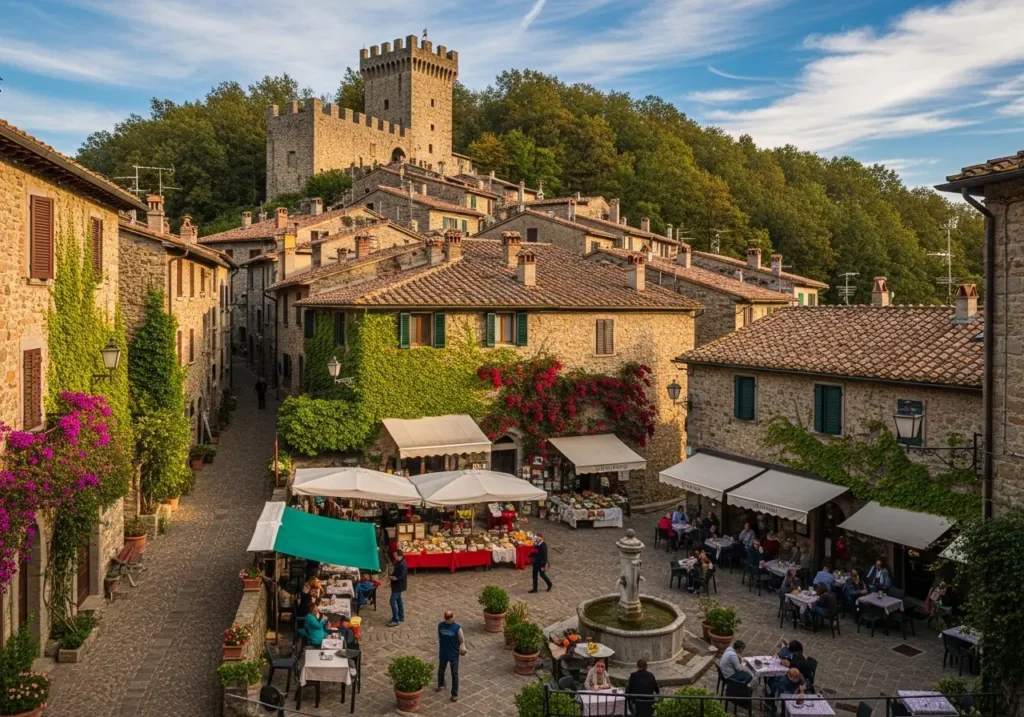
Arcidosso captivates visitors with its dramatic hillside setting crowned by the imposing Aldobrandesco Fortress, which offers commanding views across the entire Monte Amiata region. The medieval borgo features steep stone staircases connecting different levels of the village, creating a maze-like charm that rewards exploratory wandering. The fortress, dating to the 11th century, houses a museum dedicated to local artist and philosopher David Lazzaretti, whose utopian community once flourished on nearby Monte Labbro.
Arcidosso’s authentic atmosphere comes alive during the Chestnut Festival each autumn, when the entire village celebrates the harvest with traditional foods, music, and crafts. The surrounding countryside offers excellent hiking opportunities, including trails to medieval hermitages and panoramic viewpoints that showcase Tuscany’s volcanic landscape in all its natural glory.
Hiking & Biking Trails
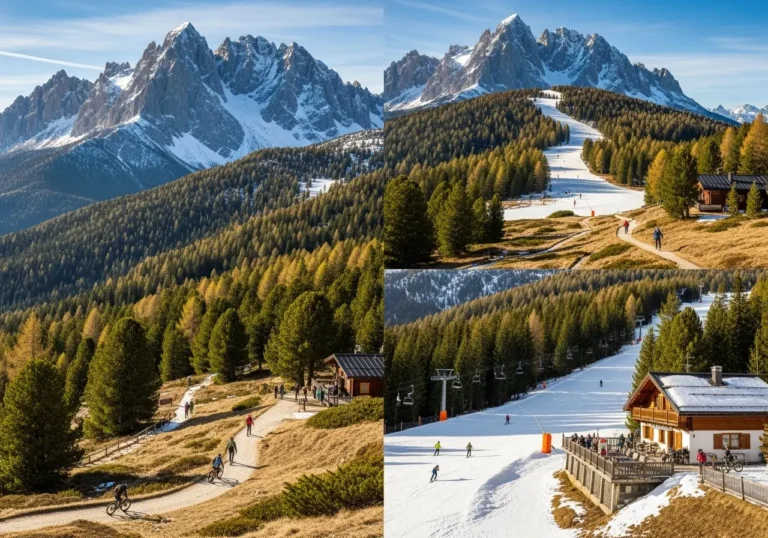
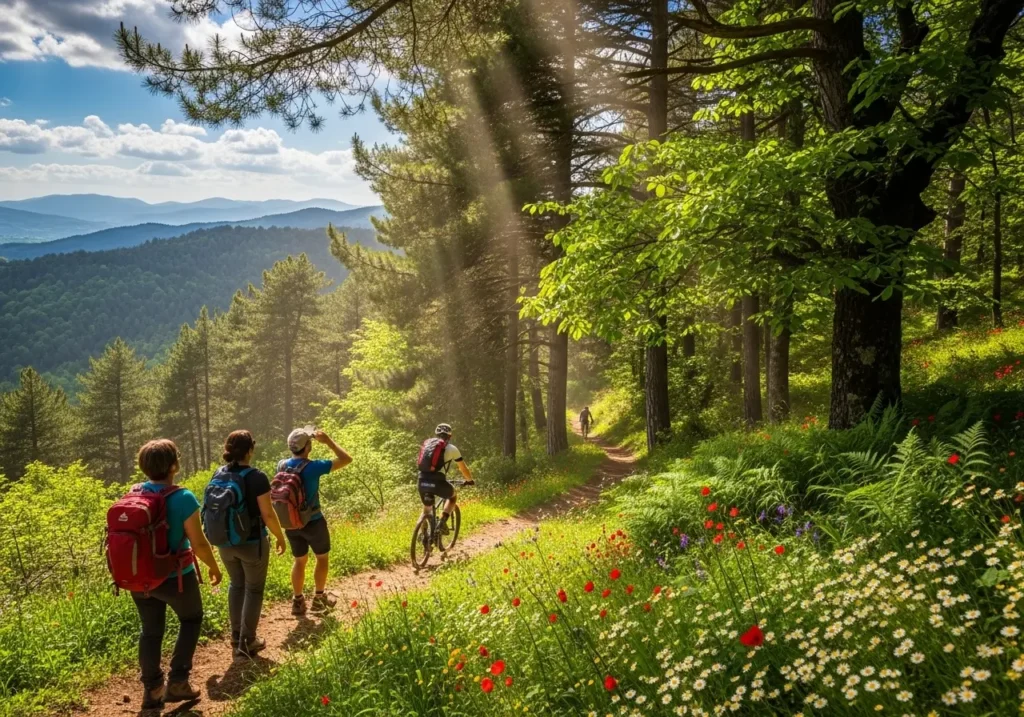
Monte Amiata’s extensive trail network transforms the mountain into an outdoor enthusiast’s paradise, with routes suitable for every fitness level and interest. The Anello della Montagna (Ring of the Mountain) creates a scenic loop around the peak, passing through ancient beech and chestnut forests while offering breathtaking views toward the Tyrrhenian Sea and Apennines. Mountain biking trails range from gentle forest paths perfect for families to technical single-track descents that challenge experienced riders.
Spring brings wildflower meadows and comfortable temperatures, while autumn paints the forests in spectacular gold and crimson hues. Well-marked trails lead to hidden gems like abandoned medieval villages, mountain springs, and panoramic peaks where hikers can spot local wildlife including deer, wild boar, and numerous bird species in their natural habitat.
Winter Sports & Skiing
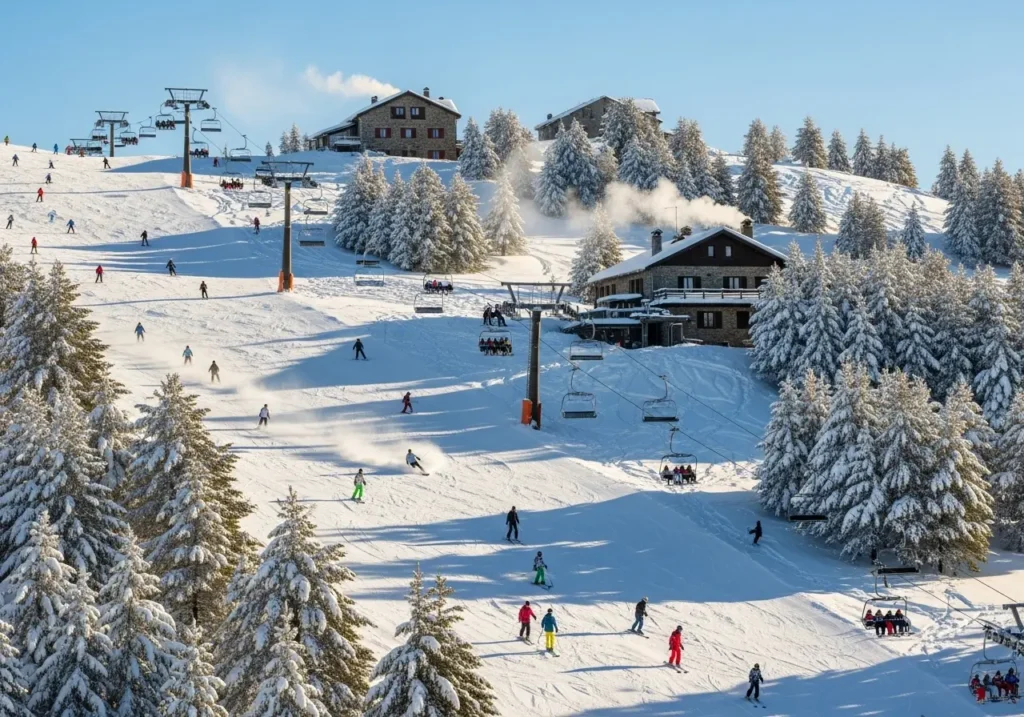
When snow blankets Monte Amiata from December through March, the mountain transforms into Tuscany’s premier winter sports destination, offering unexpected alpine activities in the heart of Italy. The ski area features 12 kilometers of slopes served by modern lifts, catering primarily to beginners and intermediate skiers while providing stunning views across the Tuscan countryside. Cross-country skiing trails wind through silent forests, offering a more contemplative winter experience away from the downhill slopes.
Snowshoeing has grown increasingly popular, with guided moonlight excursions creating magical winter memories. The après-ski scene remains authentically Italian, with mountain rifugi serving hearty local dishes and warm beverages. While not competing with major Alpine resorts, Monte Amiata delivers accessible winter fun perfect for families and those seeking a uniquely Tuscan snow experience.
Parco Faunistico del Monte Amiata
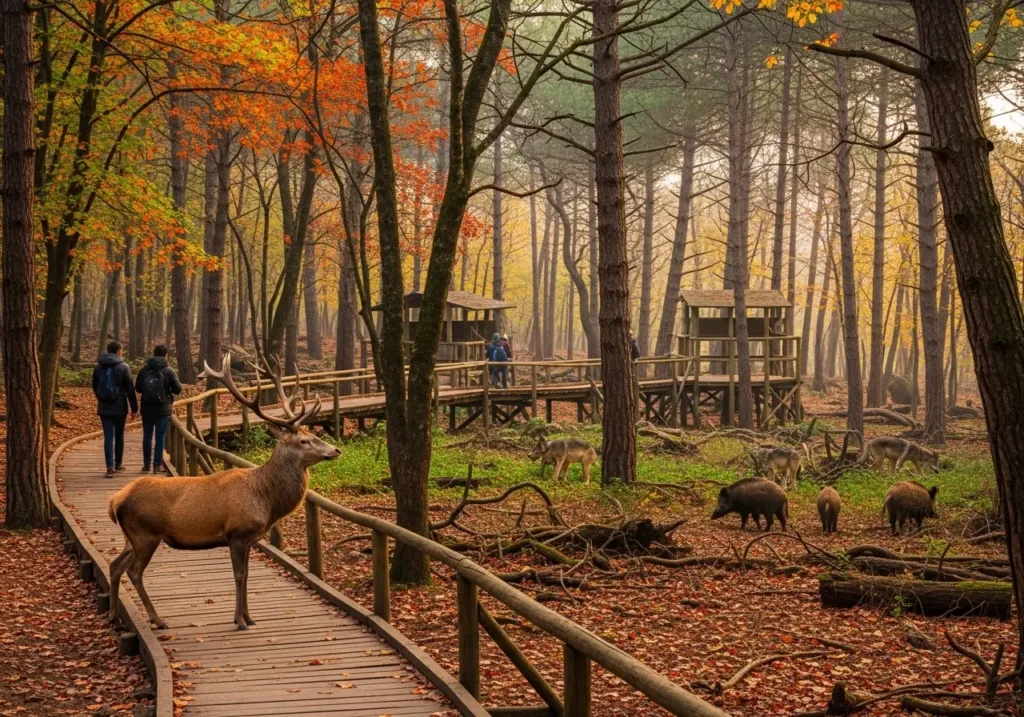
This wildlife park provides an engaging and educational experience where visitors can observe native Apennine animals in spacious, naturalistic enclosures that mirror their wild habitats. Wolves, deer, wild boar, owls, and various bird species live in settings designed to promote natural behaviors while allowing safe observation. The park’s educational mission focuses on conservation and understanding the relationship between humans and the mountain ecosystem that has evolved over millennia.
Guided tours enhance the experience with insights into animal behavior, local ecology, and conservation challenges facing Italian wildlife. Children particularly enjoy the interactive areas and the opportunity to see creatures they might never encounter in the wild. The park operates year-round, with each season offering different perspectives on how animals adapt to Monte Amiata’s changing conditions throughout the annual cycle.
Local Food & Wine Tasting
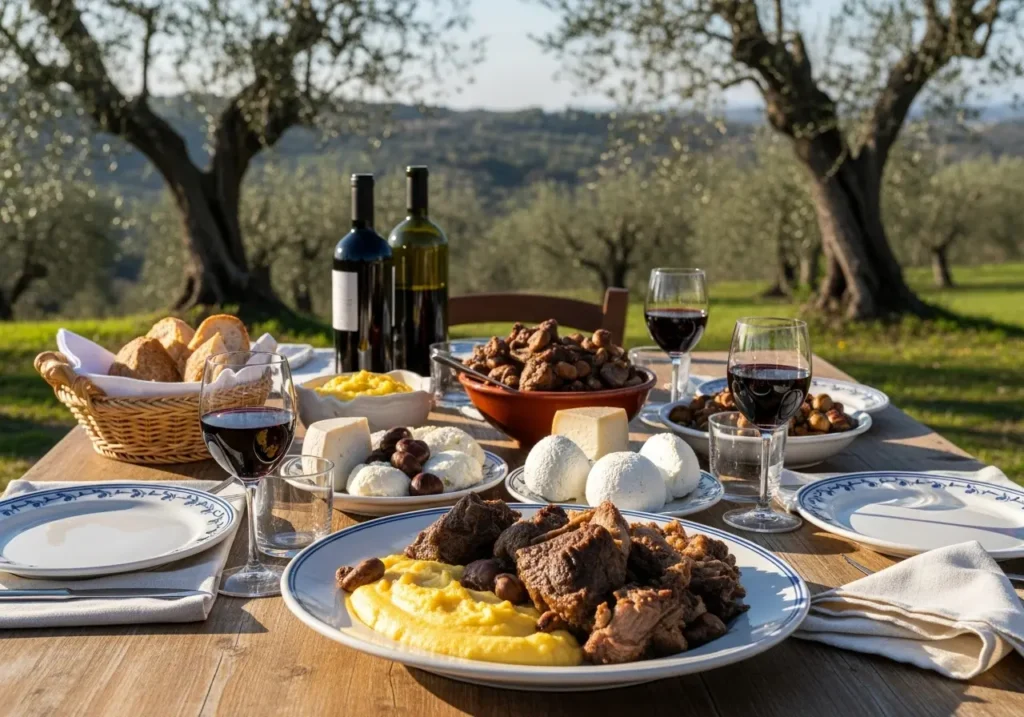
Monte Amiata’s culinary traditions reflect its mountain character, with chestnuts, wild mushrooms, game meats, and hearty stews dominating local menus alongside exceptional wines from nearby Brunello di Montalcino vineyards. Traditional trattorias serve tortelli di patate (potato-filled pasta), acquacotta (ancient bread soup), and wild boar prepared according to recipes passed through generations. The region’s chestnuts enjoy protected designation status, featured in everything from flour for pasta and cakes to roasted street snacks during autumn festivals.
Local pecorino cheese, produced from sheep grazing mountain pastures, pairs perfectly with regional honey and preserves. Wine enthusiasts can explore nearby DOC and DOCG territories, discovering how volcanic soils influence grape characteristics. Seasonal food festivals celebrate specific ingredients—from porcini mushrooms to chestnuts—offering immersive experiences where traditional preparation methods meet contemporary Tuscan hospitality and genuine agricultural traditions.
Mining Museum in Abbadia San Salvatore
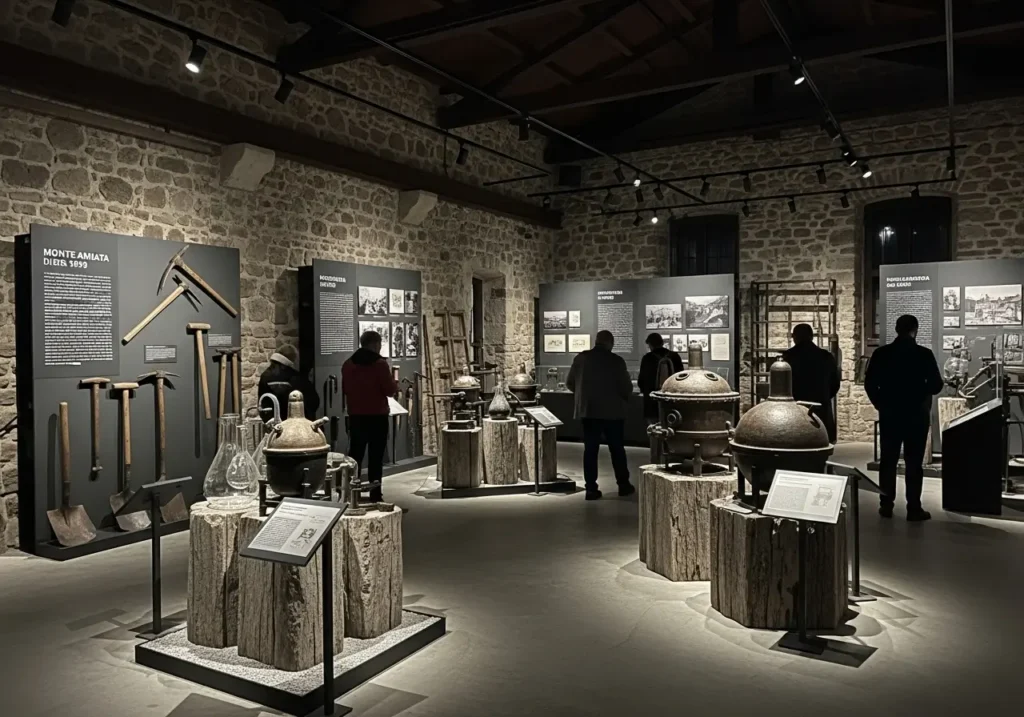
The fascinating mining museum chronicles Monte Amiata’s cinnabar mining history, when this mountain supplied mercury to markets worldwide and shaped the region’s modern identity. Located in former mining buildings, the museum features original equipment, reconstructed mining tunnels, and multimedia exhibits that transport visitors into the challenging underground world where miners extracted precious cinnabar ore. Personal testimonies and photographs document the social history of mining communities, revealing how this dangerous industry created unique cultural traditions and solidarity among workers.
Guided tours, often led by former miners, provide authentic insights into daily life underground and the technical innovations that made deep mining possible. The museum contextualizes mining within broader Italian industrial history while honestly addressing the industry’s health and environmental impacts. This educational experience reveals a crucial chapter in Monte Amiata’s story that transformed it from purely agricultural region into industrial center.
Giardino di Daniel Spoerri Art Park
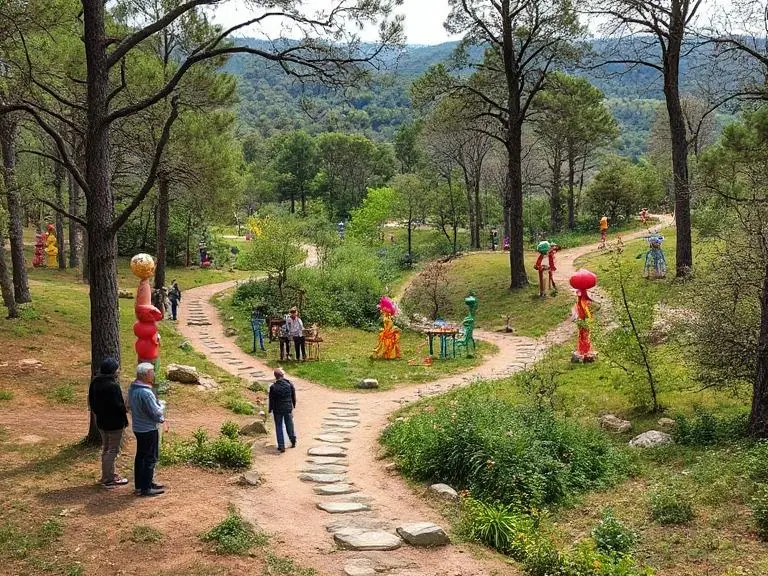
This extraordinary open-air museum blends contemporary art with natural landscape, featuring over 100 sculptures and installations spread across 16 hectares of Tuscan countryside. Swiss artist Daniel Spoerri created this unique space where international artists’ works interact with olive groves, oak forests, and meadows, creating unexpected juxtapositions between human creativity and natural beauty. Visitors wander freely along paths that reveal surprises at every turn—from whimsical sculptures to thought-provoking installations that challenge perceptions about art’s relationship with nature.
The park’s labyrinth, one of the world’s largest, offers both playful exploration and meditative walking. Seasonal changes transform the experience as vegetation grows around installations, creating an ever-evolving dialogue between permanent artworks and the living landscape. The park operates from April through October, with the on-site restaurant serving meals that themselves become artistic experiences in keeping with Spoerri’s famous “eat art” philosophy.
FAQs About Monte Amiata
When is the best time to visit Monte Amiata? Monte Amiata offers year-round appeal, with each season providing distinct experiences. Winter (December-March) attracts skiers and snow enthusiasts, while spring (April-May) brings wildflowers and perfect hiking weather. Summer (June-August) offers cool mountain respite from Tuscany’s heat, and autumn (September-November) delivers spectacular foliage, mushroom foraging, and chestnut festivals. Choose based on your preferred activities.
How do I get to Monte Amiata? Monte Amiata is most easily accessed by car, located approximately 120 kilometers south of Florence and 150 kilometers north of Rome via the A1 autostrada. Exit at Chiusi-Chianciano Terme and follow scenic provincial roads through Val d’Orcia. Public transportation options include trains to Chiusi or Grosseto stations, followed by local bus connections, though a rental car provides significantly more flexibility for exploring the mountain’s scattered villages.
Is Monte Amiata suitable for families with children? Absolutely. Monte Amiata offers numerous family-friendly activities including the wildlife park, gentle hiking trails, winter sledding areas, and medieval villages safe for exploration. Many restaurants welcome children and offer traditional Italian hospitality. Summer temperatures remain comfortable even when lower Tuscany swelters. The region’s authentic, uncrowded nature allows families to experience Italian culture without overwhelming tourist pressure found in major cities.
What should I pack for a Monte Amiata trip? Pack layers regardless of season, as mountain weather changes rapidly and temperatures drop in evenings. Comfortable hiking shoes are essential for exploring villages and trails. Winter visitors need warm clothing and potentially ski gear. Summer still requires light jackets for evenings. Don’t forget camera, sunscreen, and reusable water bottle—mountain springs provide excellent drinking water throughout the region.
Are there accommodations on Monte Amiata? The region offers diverse lodging options from agriturismi (farm stays) and family-run B&Bs to mountain rifugi and small hotels in villages like Abbadia San Salvatore, Santa Fiora, and Arcidosso. Options range from budget-friendly to boutique properties. Booking ahead is essential during winter ski season and summer weekends. Many accommodations offer half-board options featuring authentic local cuisine prepared with regional ingredients.
Can I visit Monte Amiata as a day trip? While possible from bases in southern Tuscany like Montalcino or Pienza, Monte Amiata deserves at least an overnight stay to properly experience its diverse attractions. The mountain’s circular geography and scattered villages make rushed day trips feel incomplete. Staying locally allows you to enjoy sunset views, authentic evening dining experiences, and the peaceful mountain atmosphere that emerges when day-trippers depart.
Conclusion
Monte Amiata represents Tuscany’s wild heart—a volcanic mountain where medieval villages cling to hillsides, ancient forests shelter hiking trails, and authentic Italian culture thrives away from mainstream tourism. From winter skiing to summer hiking, from Renaissance art to contemporary sculptures, from traditional cuisine to wildlife encounters, this remarkable destination delivers experiences that linger long after you’ve descended from the mountain.
Ready to discover Tuscany’s best-kept secret? Start planning your Monte Amiata adventure today. Book accommodations in advance, especially if visiting during peak seasons, and consider extending your stay to fully explore the region’s incredible variety. Don’t forget to share your Monte Amiata experiences with fellow travelers—your photos and stories might inspire others to venture beyond Tuscany’s usual destinations.
Thousands of travelers have transformed their Italian vacations by adding Monte Amiata to their itineraries, discovering that sometimes the most memorable experiences happen off the beaten path. Join the growing community of adventurers who’ve found that this volcanic mountain offers something truly special—authentic Tuscany where traditions endure, nature thrives, and every season brings new reasons to explore.