10 Classic Italian Desserts You Need to Try
Introduction
Overwhelmed by Italy’s endless culinary options during your travels? Standing in a pasticceria, staring at display cases filled with unfamiliar sweet treats, wondering which Italian desserts are truly worth your time and calories? You’re not alone in this delicious dilemma.
This comprehensive guide reveals Italy’s most essential desserts that every traveler must experience. From creamy classics to crispy delights, these authentic treats will transform your Italian journey into an unforgettable sweet adventure.
As a culinary travel strategist who has spent years exploring Italy’s regions—from bustling Roman cafés to intimate Venetian bakeries—I’ve tasted countless desserts to bring you this curated collection. My expertise comes from collaborating with local pastry chefs, food historians, and generations of Italian nonnas who guard their family recipes.
In this guide, you’ll discover why Italian desserts are cultural treasures, explore ten must-try classics with detailed descriptions, and get answers to common traveler questions about navigating Italy’s dessert scene.
Table of Contents
Why You Should Try Italian Desserts
Italian desserts represent centuries of culinary artistry, regional traditions, and cultural storytelling. Each sweet creation tells the story of its birthplace—from Sicily’s Arab-influenced pastries to Northern Italy’s cream-rich confections. These desserts aren’t just food; they’re edible history lessons that connect you to Italy’s diverse heritage.
The convenience of experiencing Italian desserts makes them perfect for travelers. Unlike elaborate restaurant meals, most desserts are available at local bars, pasticcerias, and gelaterias throughout your journey. You can enjoy a quick cannoli while exploring Palermo’s streets or savor gelato during an evening stroll in Florence.
Italian desserts offer incredible variety to satisfy every palate and dietary preference. From light, refreshing sorbettos perfect for hot summer days to rich, warming tiramisu ideal for cozy evenings, there’s always a perfect dessert for the moment. Many traditional recipes accommodate dietary restrictions, with naturally gluten-free options like panna cotta and dairy-free sorbets widely available.
10 Classic Italian Desserts You Need to Try
Tiramisu
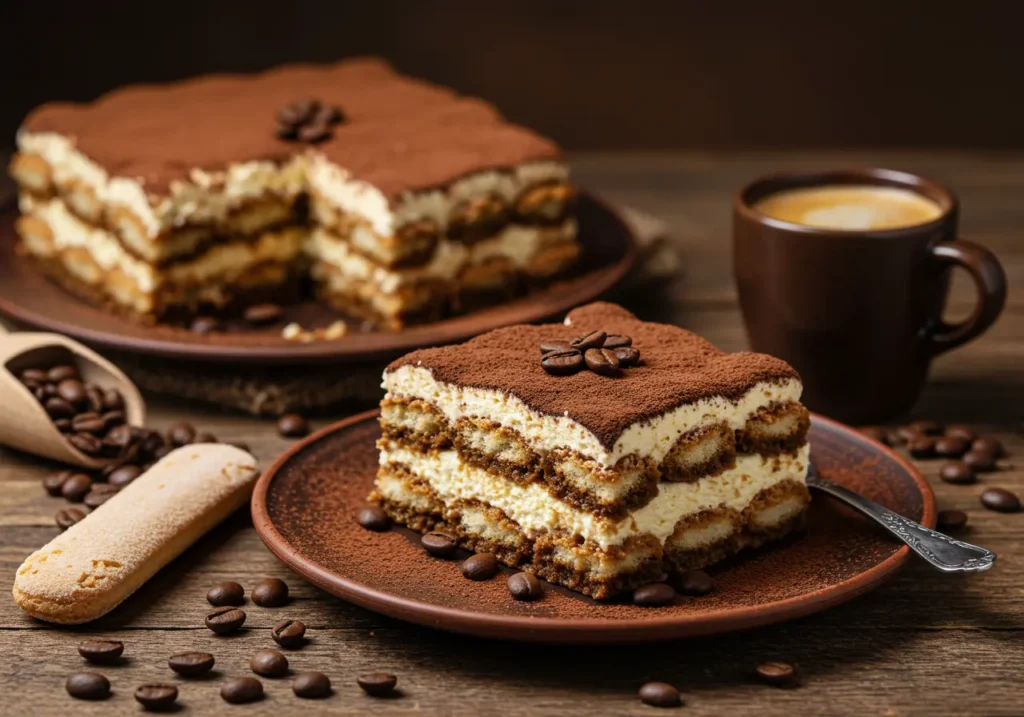
Tiramisu, meaning “pick me up” in Italian, originated in the Veneto region during the 1960s as the perfect balance of coffee, mascarpone, and ladyfinger cookies. This beloved dessert layers coffee-soaked savoiardi with rich mascarpone cream, creating a texture that melts luxuriously on your tongue. The dusting of cocoa powder adds a bitter contrast that elevates each spoonful. Authentic tiramisu requires no baking, relying instead on time and proper assembly to achieve its signature creamy consistency. While recipes vary across Italy, the best versions use high-quality espresso, fresh mascarpone, and farm-fresh eggs for that unmistakable silky richness.
Cannoli
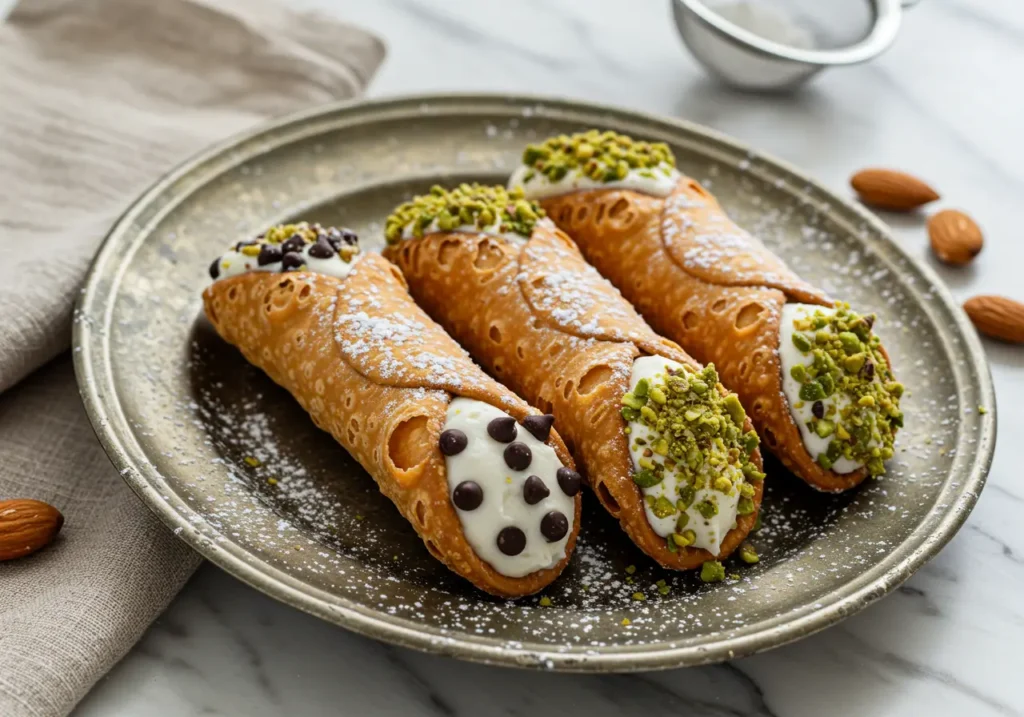
Sicily’s most famous export, cannoli feature crispy fried pastry shells filled with sweetened ricotta cheese, often enhanced with candied fruits or chocolate chips. These tube-shaped delights originated in Palermo during Arab rule, combining Middle Eastern pastry techniques with local Sicilian ingredients. The shell’s perfect crunch gives way to cool, creamy ricotta filling that’s delicately sweetened and sometimes flavored with pistachios or orange zest. Authentic cannoli are filled to order, preventing the shells from becoming soggy. Size variations range from bite-sized cannolini to impressive full-sized versions. The quality depends on fresh ricotta, proper shell preparation, and the perfect balance of sweetness.
Panna Cotta
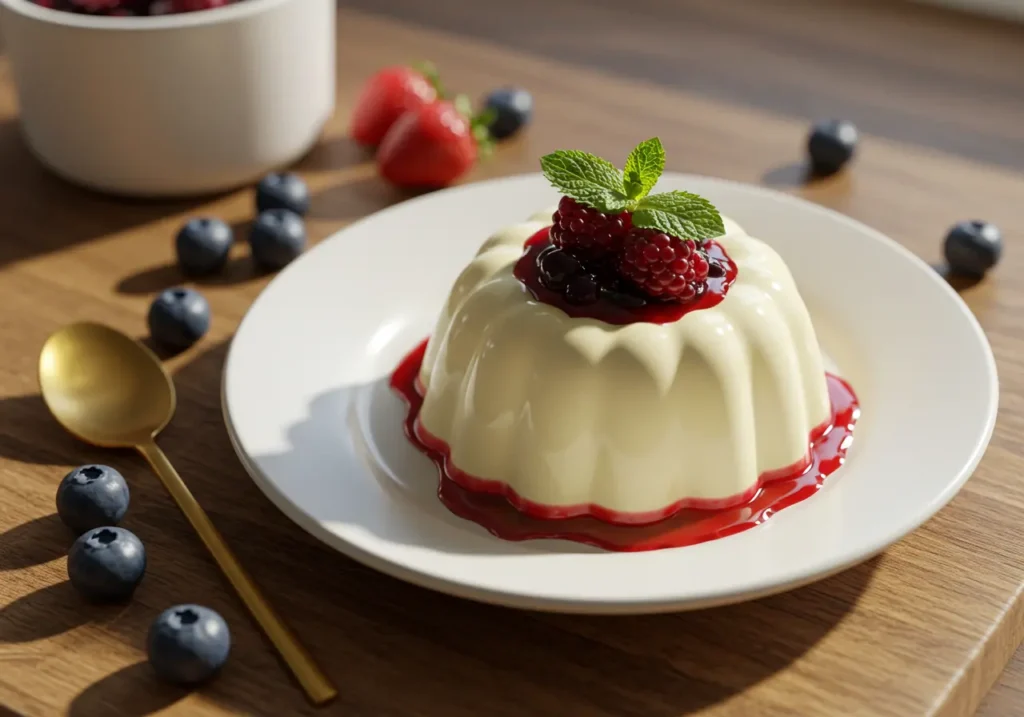
This silky Northern Italian dessert literally translates to “cooked cream,” though it’s actually a cold, set custard that wobbles delicately when properly prepared. Originating in Piedmont, panna cotta combines cream, sugar, and gelatin to create an incredibly smooth texture that melts effortlessly in your mouth. Traditional vanilla versions showcase the dessert’s elegant simplicity, while modern interpretations incorporate flavors like coffee, chocolate, or seasonal fruits. The beauty lies in its versatility—it can be molded into elegant shapes and paired with fresh berries, caramel sauce, or fruit coulis. A perfect panna cotta should hold its shape when unmolded yet remain creamy and light throughout.

Gelato
Italy’s answer to ice cream, gelato is churned slower and served at warmer temperatures than its international counterparts, creating a denser, more intensely flavored frozen dessert. Authentic gelato contains less air and fat than regular ice cream, allowing the pure flavors to shine through brilliantly. Traditional flavors include stracciatella, pistachio, and nocciola, though artisanal gelaterias now offer innovative combinations using local ingredients. The texture should be smooth and creamy, never icy or overly sweet. Quality gelato is made fresh daily using natural ingredients, seasonal fruits, and premium nuts. Look for gelato displayed in covered metal containers rather than towering mounds, as this indicates proper storage and authentic preparation methods.
Sfogliatella
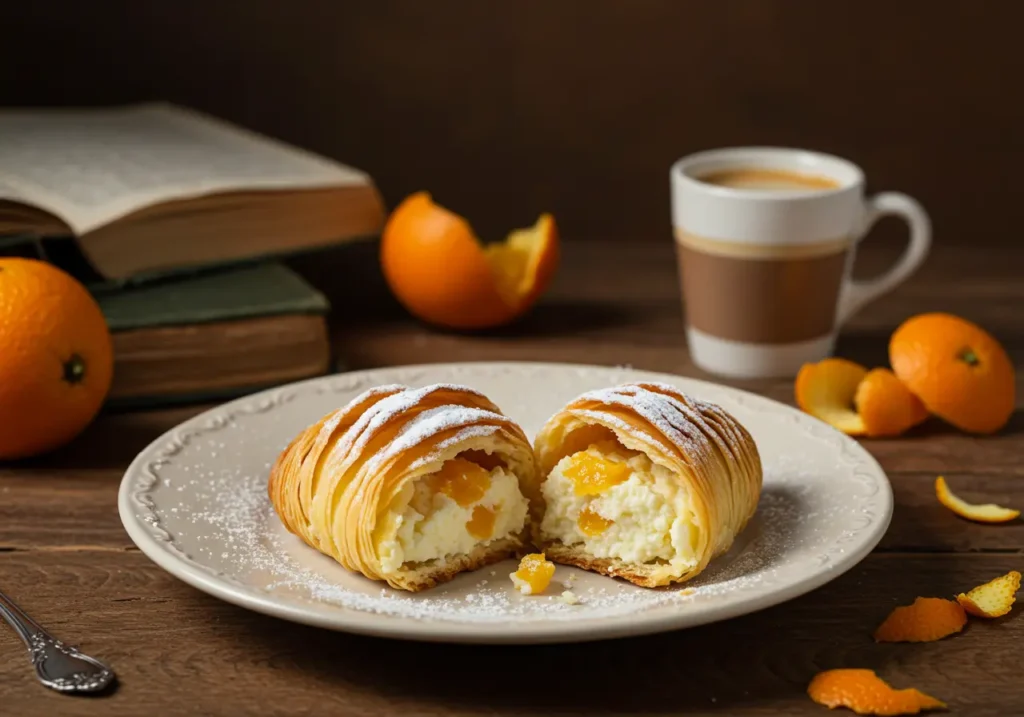
Naples’ signature pastry, sfogliatella features countless paper-thin layers of crispy dough wrapped around a filling of ricotta, semolina, and candied citrus. The name means “little leaves,” referring to the delicate, shell-like layers that shatter beautifully when bitten. Two main varieties exist: sfogliatella riccia (curly) with its distinctive layered appearance, and sfogliatella frolla, covered in shortbread pastry. The filling combines smooth ricotta with cooked semolina, creating a unique texture that’s both creamy and slightly grainy. Orange and lemon zest provide bright citrus notes that cut through the richness. Making sfogliatella requires exceptional skill, as the dough must be rolled impossibly thin and shaped by hand into perfect spirals.
Zabaglione
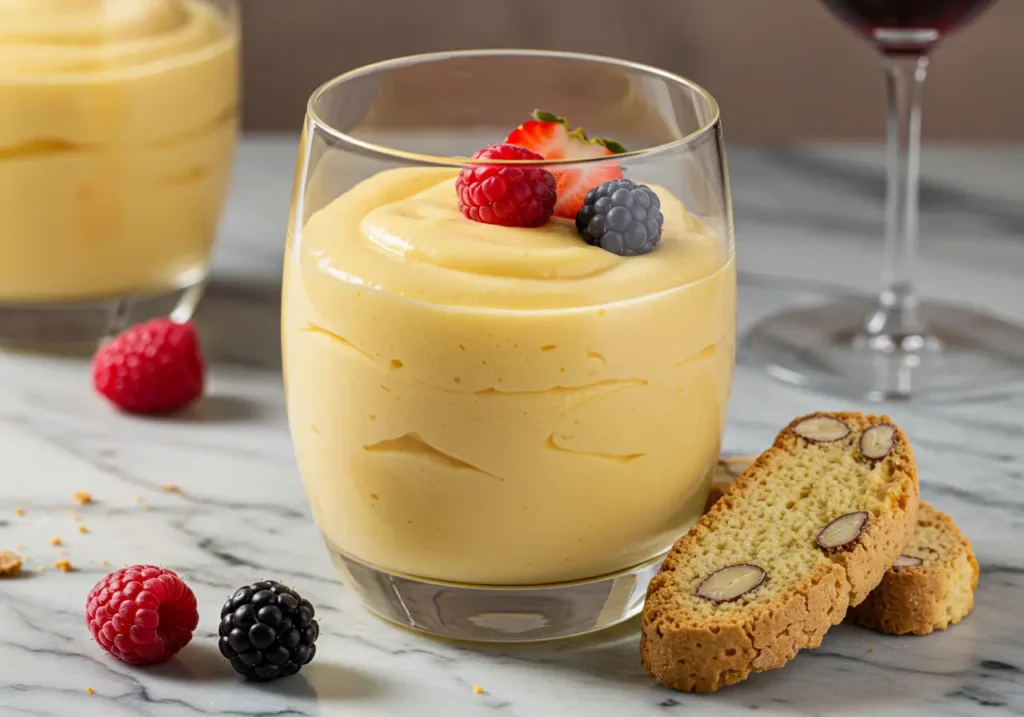
This luxurious custard-like dessert from Piedmont combines egg yolks, sugar, and sweet Marsala wine, whipped over gentle heat until thick and foamy. Zabaglione represents the pinnacle of Italian pastry technique, requiring constant whisking and precise temperature control to achieve its signature light, airy texture. Traditionally served warm in elegant glasses, it can also be chilled or used as a sauce for fresh fruits and cakes. The Marsala wine provides a sophisticated flavor complexity, while the eggs create richness without heaviness. Some variations use different wines or add cream for extra indulgence. Master pastry chefs consider zabaglione a test of their skill, as the technique requires experience and intuition to perfect.
Ricotta Cheesecake
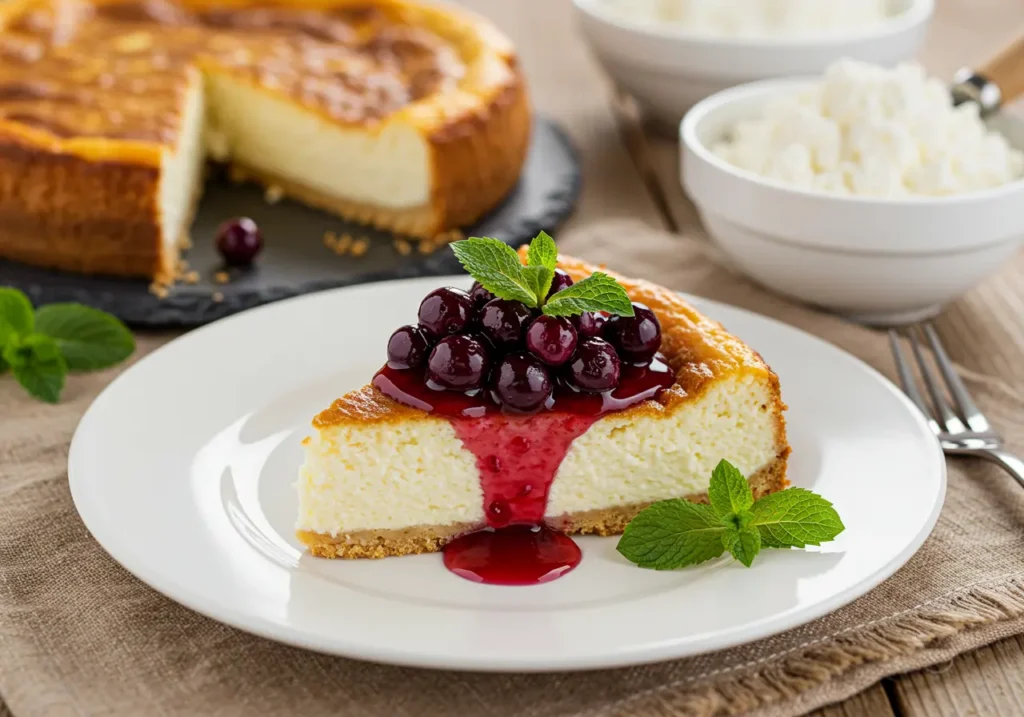
Italian ricotta cheesecake differs significantly from its American counterpart, featuring a lighter texture and more delicate flavor profile thanks to fresh ricotta cheese. This dessert varies regionally, with Roman versions often including candied fruits and Neapolitan styles incorporating chocolate chips or citrus zest. The ricotta provides natural sweetness and moisture, creating a cake that’s rich yet refreshing. Unlike cream cheese-based versions, Italian ricotta cheesecake has a slightly grainy texture that’s considered desirable. Many recipes include lemon zest for brightness and vanilla for depth. The cake improves after resting overnight, allowing flavors to meld and the texture to settle into perfect smoothness. Serve chilled with fresh berries or a dusting of powdered sugar.
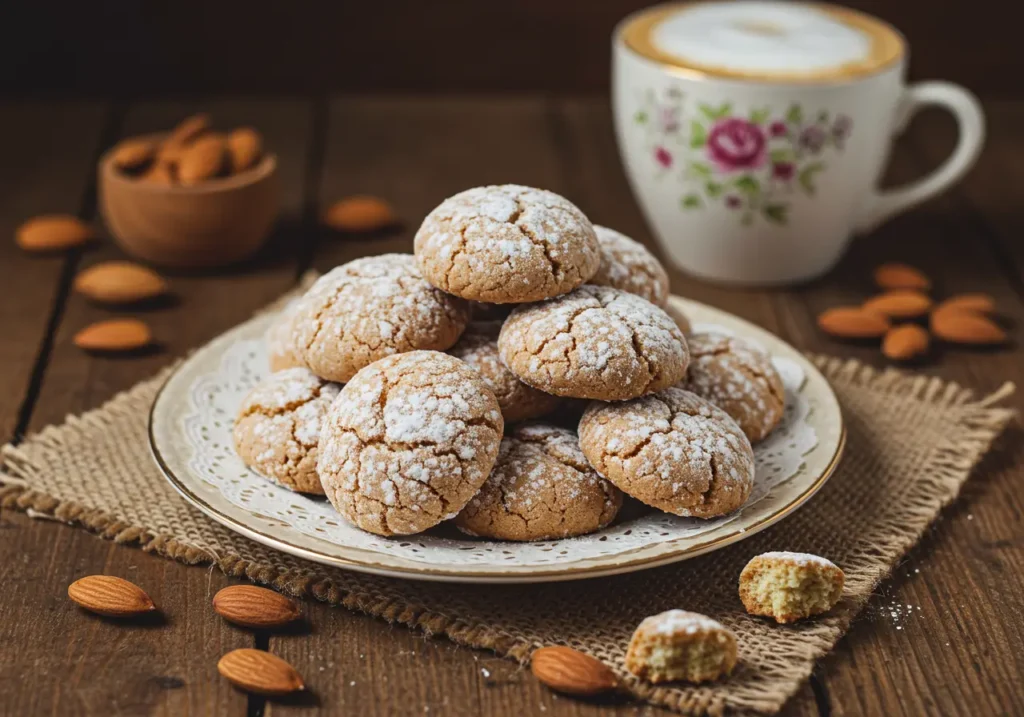
Amaretti Cookies
These almond-flavored cookies from Lombardy offer an intense, concentrated flavor in small, chewy or crispy packages depending on the specific recipe. Traditional amaretti use bitter almonds or apricot kernels alongside sweet almonds, creating their characteristic slightly bitter edge that balances the sweetness beautifully. The texture can range from soft and chewy to crisp and crunchy, with both styles considered authentic. Many amaretti are naturally gluten-free, made only with ground almonds, sugar, and egg whites. They’re often enjoyed with coffee or sweet wine, and frequently crushed to add flavor and texture to other desserts like tiramisu or gelato. Quality amaretti should have a pronounced almond aroma and a clean, intense flavor without artificial additives.
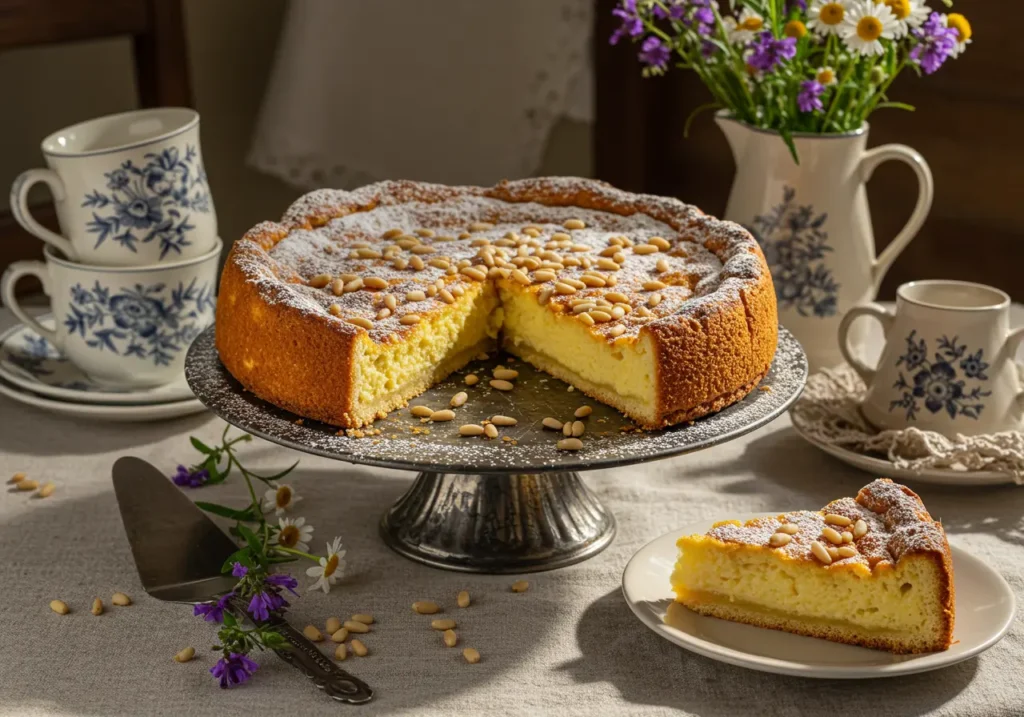
Torta della Nonna
“Grandmother’s cake” is a beloved Tuscan dessert featuring layers of pastry cream nestled between shortbread pastry, topped with pine nuts and powdered sugar. This rustic yet elegant dessert represents Italian home baking at its finest, combining simple ingredients into something truly memorable. The pastry cream, made with eggs, milk, and lemon zest, provides richness while remaining light and smooth. Pine nuts add a subtle, buttery crunch that complements the creamy filling perfectly. The shortbread base and top should be tender yet sturdy enough to support the filling. Regional variations might include ricotta in the cream or different nuts on top. The name reflects its status as a family recipe passed down through generations.

Struffoli
These tiny, honey-soaked fried dough balls from Naples are traditionally prepared during Christmas celebrations, forming golden pyramids decorated with colorful sprinkles and candied fruits. The dough, enriched with eggs and flavored with citrus zest, is rolled into small balls and fried until golden brown. While still warm, they’re drizzled with honey that soaks into every crevice, creating a sweet, sticky coating. The texture contrasts beautifully—crispy exterior giving way to tender, slightly chewy interior. Struffoli require patience and skill to achieve uniform size and proper frying temperature. They’re often shaped into wreaths or towers for festive presentation. The honey should be high-quality and aromatic, as it’s the dominant flavor that ties everything together.
FAQs
What’s the difference between gelato and ice cream?
Gelato contains less air and fat than traditional ice cream, making it denser and more flavorful. It’s churned at slower speeds and served at warmer temperatures, creating a smoother, more intense taste experience. Authentic Italian gelato uses fresh, natural ingredients and is made daily, while ice cream often contains more preservatives and artificial flavors.
Are Italian desserts very sweet compared to other cuisines?
Italian desserts tend to be less sweet than American desserts, focusing more on balancing flavors and showcasing quality ingredients. Many Italian sweets rely on natural sweetness from fruits, nuts, and dairy rather than excessive sugar. The emphasis is on harmony between sweet, bitter, and acidic elements rather than overwhelming sweetness.
Can I find gluten-free Italian desserts?
Yes, many traditional Italian desserts are naturally gluten-free, including panna cotta, zabaglione, gelato (most flavors), and amaretti cookies made with almonds. Many modern Italian bakeries also offer gluten-free versions of classic desserts like tiramisu and cannoli, using alternative flours while maintaining authentic flavors and textures.
Conclusion
Pack your appetite and start exploring Italy’s incredible dessert heritage today! These ten classic Italian desserts offer more than just sweetness—they’re your gateway to understanding Italy’s regional cultures, family traditions, and culinary artistry that has enchanted the world for centuries.
Join thousands of travelers who have fallen in love with Italy’s dessert magic and discovered that the sweetest memories often come from the most unexpected moments—like sharing cannoli with strangers in a Palermo market or savoring perfect gelato while watching the sunset over the Tuscan hills.