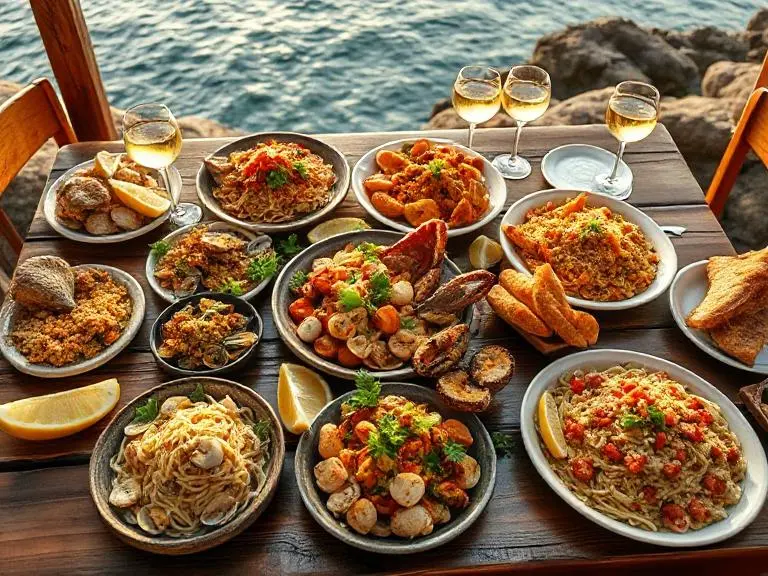
Why These 10 Italian Seafood Dishes Are So Popular
Introduction
Overwhelmed by the countless Italian seafood options staring back at you from restaurant menus? You’re not alone. Many travelers find themselves paralyzed by choice when faced with Italy’s incredible maritime culinary tradition, unsure which dishes truly capture the essence of authentic Italian coastal cuisine.
This comprehensive guide reveals Italy’s most beloved seafood dishes that have captivated locals and visitors for generations. From the bustling fish markets of Venice to the sun-drenched shores of Sicily, these ten iconic preparations represent centuries of culinary mastery and regional pride.
As a culinary strategist who has spent years exploring Italy’s coastal regions and working alongside local fishermen and chefs, I’ve witnessed firsthand how these dishes connect communities to their maritime heritage. Each recipe tells a story of tradition, innovation, and the Italian passion for transforming simple, fresh ingredients into extraordinary experiences.
In this guide, we’ll explore why Italian seafood dishes deserve a place on your culinary bucket list, dive deep into the ten most popular preparations, and answer your most pressing questions about experiencing Italy’s coastal cuisine.
Table of Contents
Why You Should Try Italian Seafood Dishes
Italian seafood dishes offer an unparalleled window into the country’s rich maritime culture, where fishing traditions dating back millennia continue to shape modern cuisine. Each coastal region has developed distinct techniques and flavor profiles, creating a diverse tapestry of tastes that reflects local waters, seasonal catches, and family traditions passed down through generations.
The convenience factor cannot be overstated – Italian seafood preparations are designed for sharing and celebration, making them perfect for travelers seeking authentic social dining experiences. Most dishes utilize simple cooking methods that highlight the natural flavors of fresh catch, meaning you’ll taste the true essence of Mediterranean waters in every bite.
Variety is perhaps the greatest strength of Italian seafood cuisine. From delicate raw preparations in the north to bold, spiced dishes in the south, the regional diversity ensures every palate finds satisfaction. Whether you prefer shellfish, white fish, or bold flavors like anchovy and tuna, Italian coastal cuisine offers endless exploration opportunities that will transform your understanding of seafood cookery.
Why These 10 Italian Seafood Dishes Are So Popular
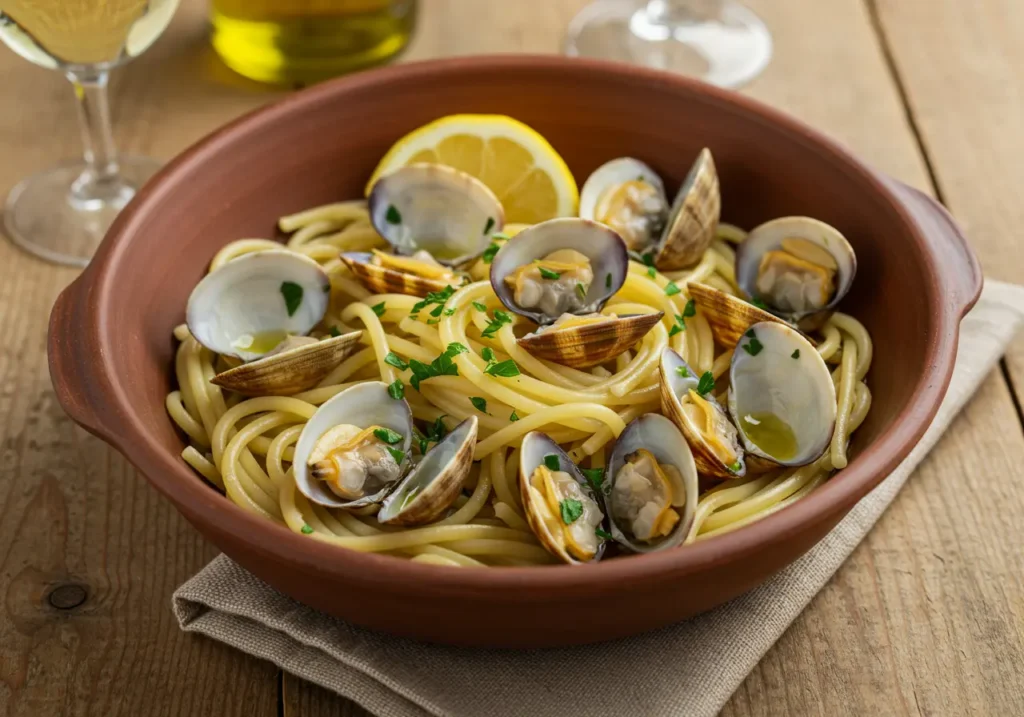
Spaghetti alle Vongole
This iconic Neapolitan pasta dish represents the perfect marriage of land and sea, combining perfectly al dente spaghetti with fresh clams in a delicate white wine and garlic sauce. The popularity stems from its elegant simplicity – using only the finest ingredients allows the sweet, briny flavor of the clams to shine through every strand of pasta.
What makes this dish so beloved is its versatility and accessibility. Found in virtually every coastal Italian restaurant, Spaghetti alle Vongole serves as both comfort food for locals and an introduction to Italian seafood for newcomers. The technique requires precision timing to ensure clams open properly while pasta maintains its texture, creating a harmonious balance that has captivated diners for generations across Italy’s coastline.
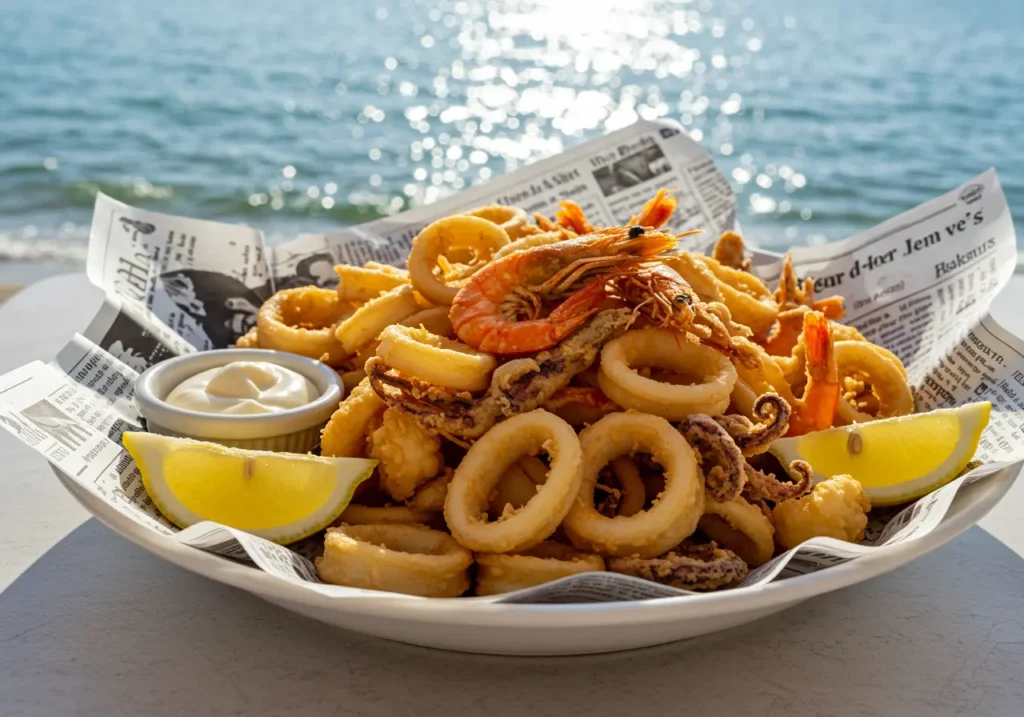
Frittura di Mare
Italy’s answer to the seafood platter, Frittura di Mare showcases the Mediterranean’s bounty in one spectacular presentation. This mixed seafood fry typically includes calamari, shrimp, small fish, and seasonal catches, all coated in light batter and fried to golden perfection. Its popularity lies in the variety and the social dining experience it creates.
The dish’s appeal extends beyond taste to its visual impact and sharing potential. Served on large platters with lemon wedges and fresh herbs, Frittura di Mare encourages communal dining and conversation. The light, crispy coating allows each seafood’s unique texture and flavor to remain distinct while creating a unified, satisfying meal. Regional variations across Italy’s coastline mean travelers encounter different combinations, making each experience unique and memorable for seafood enthusiasts.
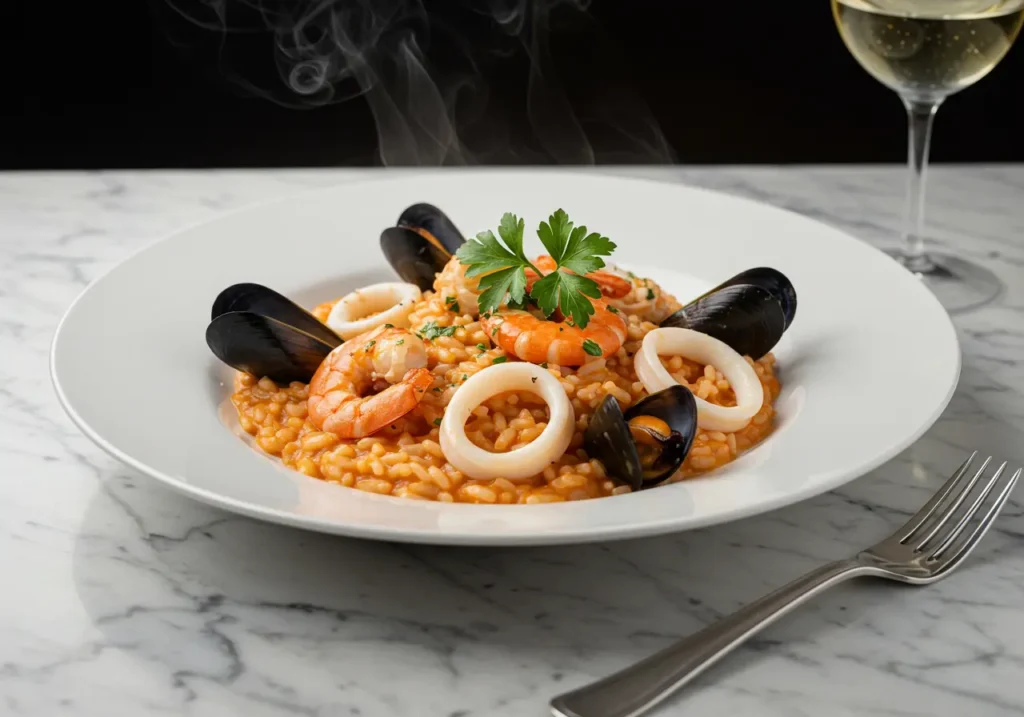
Risotto ai Frutti di Mare
This luxurious rice dish from the Veneto region transforms humble Arborio rice into a creamy canvas for the sea’s finest offerings. The popularity of Risotto ai Frutti di Mare lies in its rich, complex flavors and the skill required to achieve the perfect creamy consistency while incorporating delicate seafood without overcooking.
The dish represents Italian culinary sophistication at its finest, requiring constant attention and gradual addition of warm stock to create the signature creamy texture. Mixed seafood including mussels, clams, shrimp, and squid are carefully timed to maintain their tender texture. The result is a harmonious blend where the rice absorbs all the oceanic flavors while each piece of seafood retains its individual character, creating an unforgettable dining experience.
Branzino al Forno
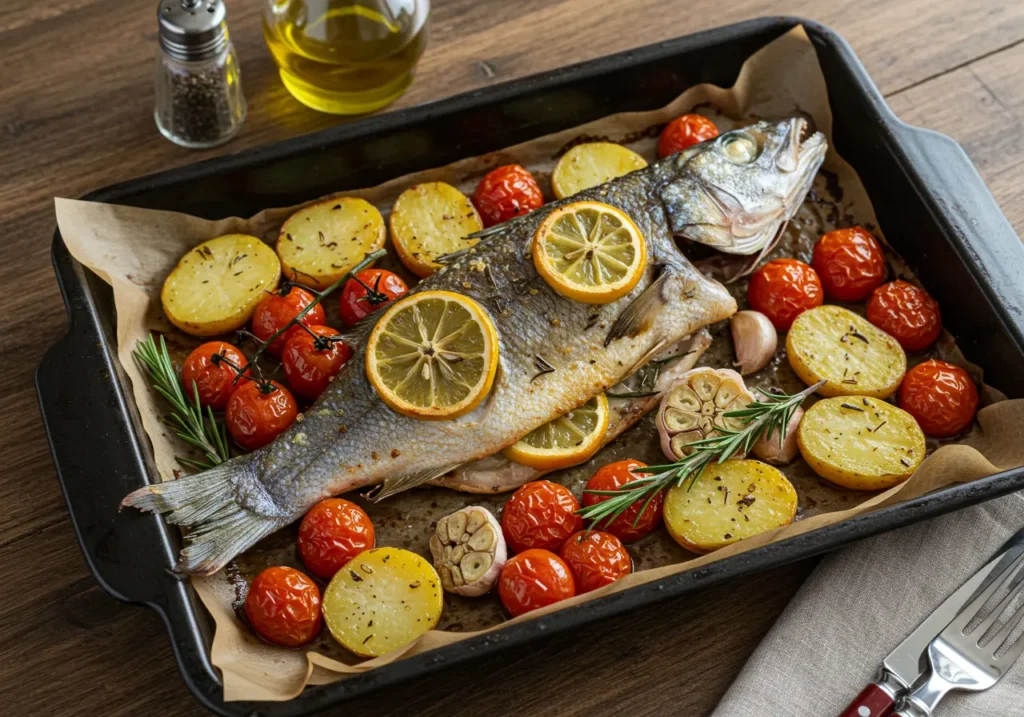
Whole roasted sea bass embodies the Italian philosophy of letting quality ingredients speak for themselves. Branzino al Forno’s popularity stems from its elegant presentation and the way simple preparation methods – olive oil, herbs, lemon, and sea salt – enhance rather than mask the fish’s delicate flavor. This dish represents coastal Italian cooking at its most refined.
The appeal lies in both the theatrical presentation of the whole fish and the interactive dining experience of filleting at the table. The cooking method creates perfectly moist, flaky flesh while the skin becomes delicately crispy. Regional variations include stuffing with herbs or vegetables, but the core concept remains unchanged: showcasing the Mediterranean’s prized sea bass in its full glory while demonstrating respect for the ingredient and the fishing traditions.
Zuppa di Pesce
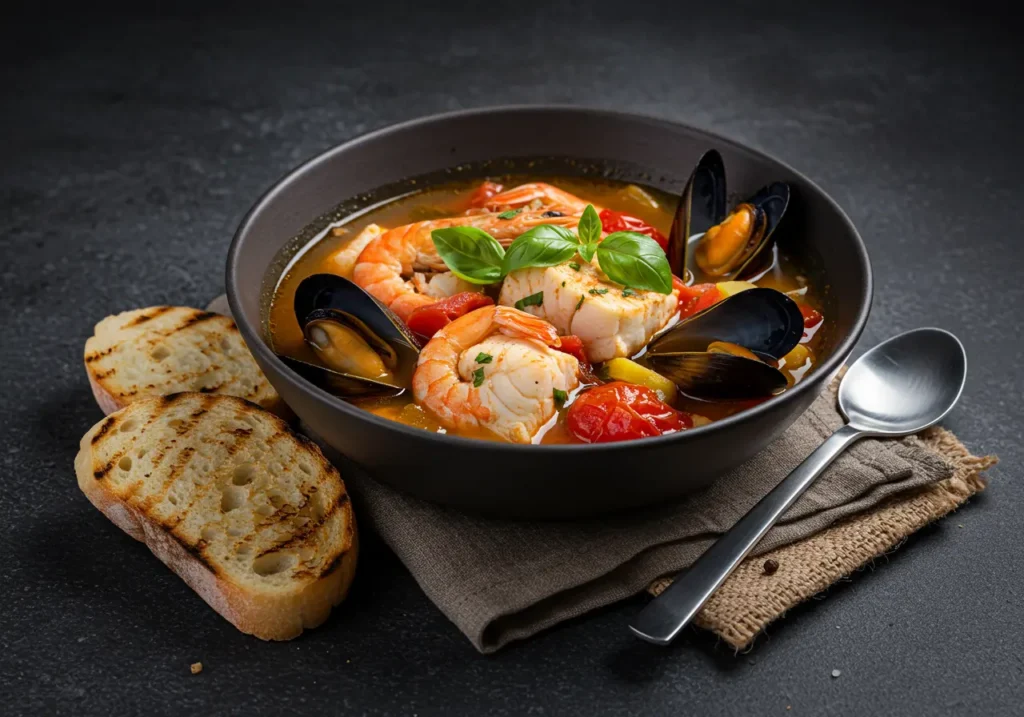
This robust fish stew represents the soul of Italian coastal cooking, transforming the day’s catch into a hearty, communal meal. Zuppa di Pesce’s enduring popularity comes from its ability to showcase multiple types of seafood in a rich, tomato-based broth that varies dramatically between regions, each version reflecting local fishing traditions and available catches.
The dish’s charm lies in its rustic authenticity and the way it brings people together around the table. Typically served with crusty bread for soaking up the flavorful broth, Zuppa di Pesce encourages slow, social dining. The combination of different fish, shellfish, and aromatics creates layers of flavor that develop throughout the cooking process, resulting in a deeply satisfying meal that captures the essence of Italian coastal hospitality and culinary tradition.
Linguine allo Scoglio
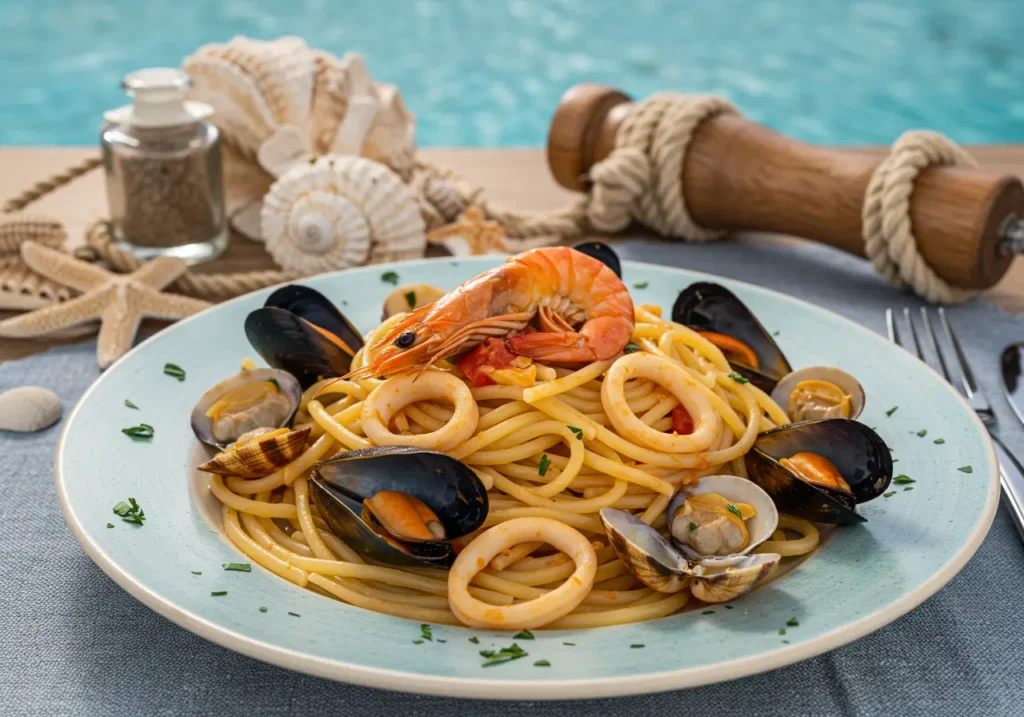
This pasta dish, literally meaning “linguine of the rocks,” celebrates the variety of shellfish and small fish found in rocky coastal waters. Its popularity stems from the dramatic presentation and the way the long, flat linguine perfectly captures the flavorful sauce created by cooking multiple types of shellfish together with tomatoes, white wine, and herbs.
The dish’s appeal lies in its visual drama and interactive eating experience. Diners must work to extract meat from various shells, creating an engaging meal that slows down the dining pace and encourages conversation. The combination of different shellfish creates a complex, layered flavor profile where each type of seafood contributes its unique taste while the pasta absorbs all the oceanic essences, resulting in a truly memorable coastal Italian dining experience.
Polpo alla Griglia
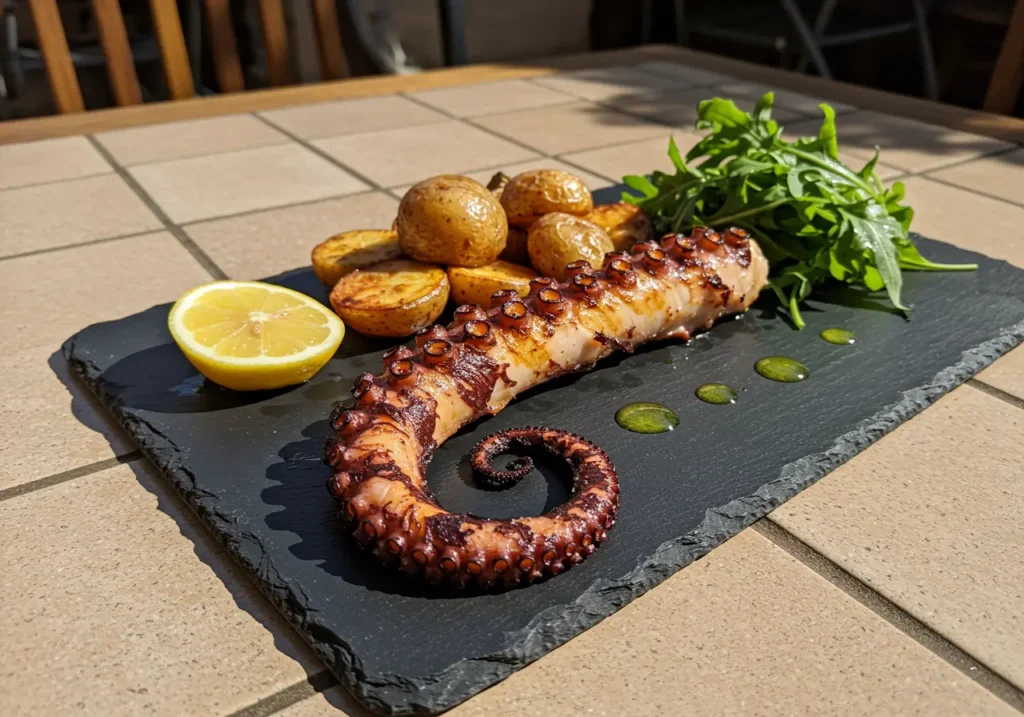
Grilled octopus represents one of the most skillful preparations in Italian seafood cookery, requiring precise timing and technique to achieve the perfect tender texture. The popularity of Polpo alla Griglia lies in its bold flavors and the impressive presentation of the whole tentacles, charred to perfection and served with simple accompaniments like olive oil, lemon, and herbs.
The dish’s appeal extends beyond taste to encompass the theatrical cooking process and the satisfaction of mastering a challenging ingredient. Proper preparation involves slow cooking to tenderize the octopus before grilling to create the signature char and smoky flavor. The result is a dish that showcases Italian mastery of fire cooking while highlighting the octopus’s unique texture and sweet flavor, creating an unforgettable dining experience for adventurous food lovers.
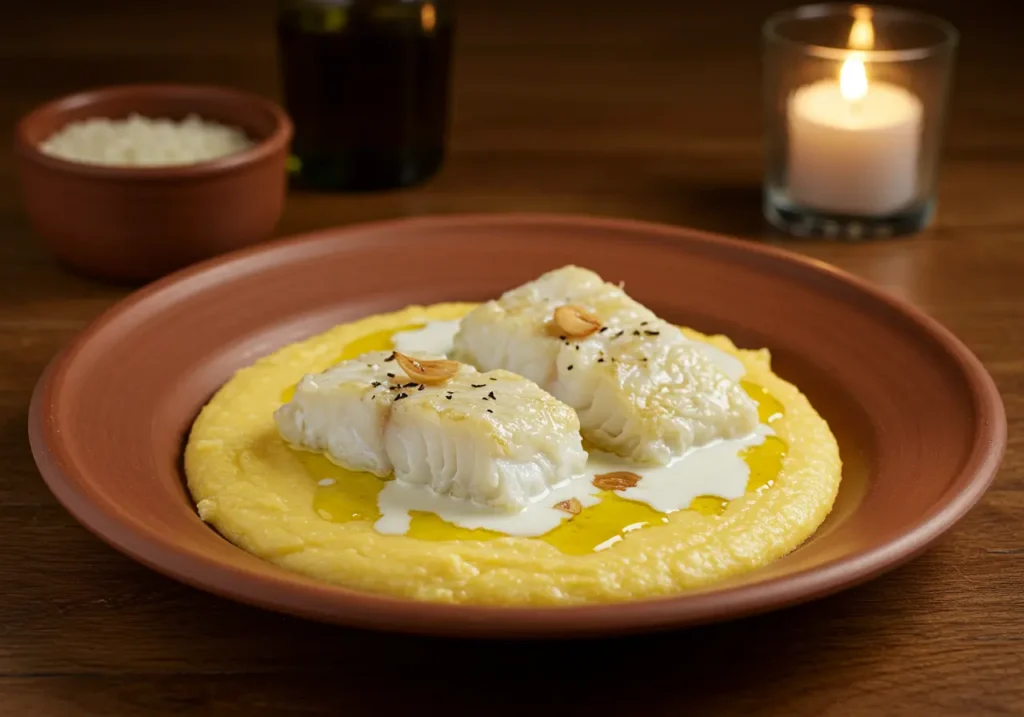
Baccalà alla Vicentina
This historic dish from the Veneto region transforms preserved cod into a creamy, luxurious preparation that has sustained Italian communities for centuries. Baccalà alla Vicentina’s popularity stems from its rich history and the remarkable transformation of simple salted fish into an elegant dish through slow cooking with milk, onions, and olive oil.
The dish represents Italian ingenuity in preserving and preparing fish, dating back to when fresh seafood wasn’t readily available inland. The long, slow cooking process breaks down the fish into silky strands while creating a rich, creamy sauce. This technique showcases how Italian cooks elevated preserved ingredients into refined cuisine, creating a dish that connects modern diners to centuries of culinary tradition and demonstrates the Italian mastery of transforming humble ingredients into extraordinary experiences.
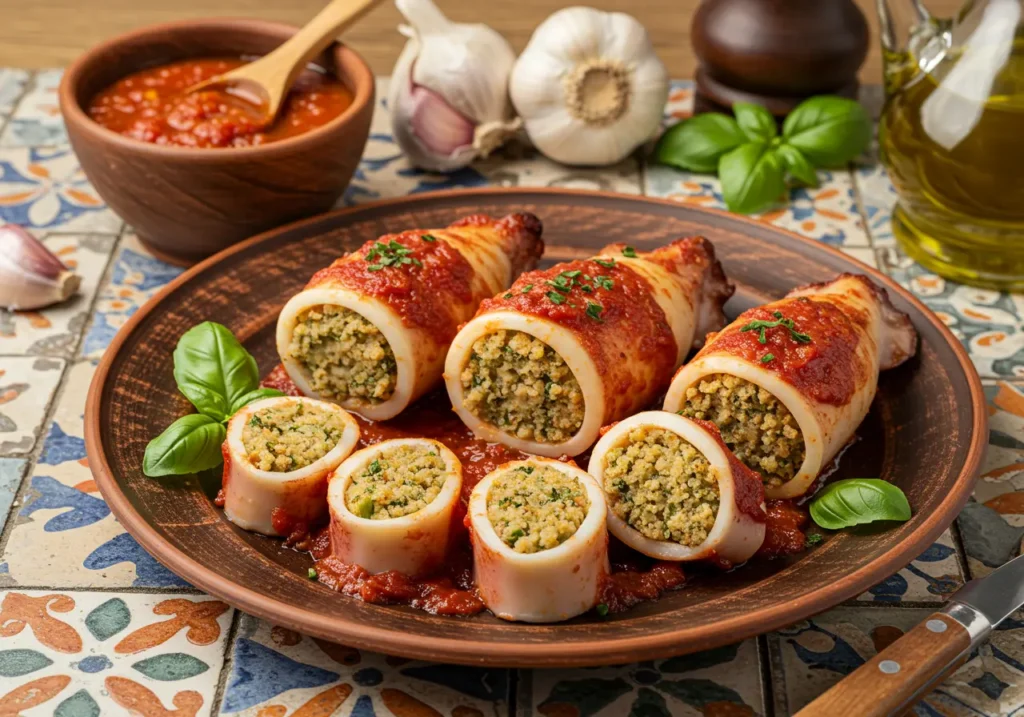
Calamari Ripieni
Stuffed squid represents the height of Italian seafood artistry, combining the tender sweetness of fresh squid with savory stuffings that vary by region. The popularity of Calamari Ripieni lies in its elegant presentation and the way the stuffing complements the squid’s natural flavor while creating a complete, satisfying meal in each individual portion.
The dish’s appeal comes from both its visual impact and the surprise element of discovering the flavorful stuffing within each squid. Traditional fillings include breadcrumbs, herbs, garlic, and sometimes other seafood or vegetables, creating a harmonious blend of textures and flavors. The careful balance between the tender squid exterior and the seasoned stuffing demonstrates Italian culinary finesse, while the individual portion size makes it perfect for both intimate dinners and larger gatherings.

Tonno alla Siciliana
This bold Sicilian tuna preparation showcases the island’s North African influences through the use of robust flavors like capers, olives, and tomatoes. Tonno alla Siciliana’s popularity stems from its intense, complex flavor profile and the way it transforms fresh tuna into a dish that captures the essence of Sicily’s unique cultural melting pot.
The dish represents Sicily’s position as a crossroads of Mediterranean cultures, incorporating ingredients and techniques that reflect centuries of cultural exchange. The cooking method sears the tuna to maintain its tender interior while creating a flavorful crust, then combines it with the signature Sicilian sauce. This preparation demonstrates how regional Italian cuisine adapts to local tastes and available ingredients, creating dishes that are distinctly Italian yet reflect local cultural influences and preferences.
FAQs About Italian Seafood Dishes
Is it safe to eat seafood in Italy?
Absolutely! Italy maintains strict food safety standards, especially for seafood. Italian restaurants source their fish daily from certified suppliers, and coastal establishments often receive their catch directly from local fishermen. Look for restaurants that display their daily catch and don’t hesitate to ask about the freshness – Italians are proud of their seafood quality and will gladly share sourcing information.
What’s the best month to visit for seafood in Italy?
The ideal months for Italian seafood are September through November and March through May. During these periods, you’ll find the greatest variety of fresh catches, optimal weather for coastal dining, and fewer crowds at seafood restaurants. Summer offers excellent dining experiences but with higher prices and busier establishments. Winter can be wonderful for hearty seafood stews but with limited variety in some regions.
Do I need to speak Italian to order seafood dishes?
While not essential, learning basic Italian seafood terms enhances your dining experience significantly. Most coastal restaurants have multilingual staff or picture menus. Key phrases like “pesce del giorno” (fish of the day), “fresco” (fresh), and “locale” (local) will help you communicate preferences. Don’t worry about perfect pronunciation – Italians appreciate the effort and are typically patient and helpful with tourists trying to navigate their cuisine.
Conclusion
Italy’s seafood dishes represent more than just meals – they’re cultural experiences that connect you to centuries of maritime tradition, regional pride, and culinary mastery. Each dish tells a story of local waters, seasonal rhythms, and the Italian passion for transforming simple ingredients into extraordinary memories that will last long after your trip ends.
From the elegant simplicity of Spaghetti alle Vongole to the bold flavors of Tonno alla Siciliana, these ten dishes offer a comprehensive journey through Italy’s coastal cuisine. Whether you’re planning your first Italian adventure or returning to discover new flavors, these seafood preparations provide the perfect introduction to authentic Italian coastal culture.
Pack your appetite and start exploring Italy’s maritime treasures today! Each dish offers a new adventure, a chance to connect with local traditions, and an opportunity to understand why Italian seafood cuisine has captured hearts worldwide for generations.
Join thousands of travelers who have fallen in love with Italy’s seafood magic – your taste buds will thank you, and your travel memories will be enriched by these unforgettable culinary experiences that showcase the very best of Italian coastal living.