10 Must-See Landmarks in Vatican City
Introduction
Overwhelmed by planning the perfect Vatican City visit? With countless treasures packed into the world’s smallest sovereign state, knowing where to start can feel daunting. This comprehensive guide reveals Vatican City’s must-see landmarks that will transform your spiritual and cultural journey into an unforgettable experience.
As a travel strategist who has guided thousands of visitors through Vatican City’s sacred halls and historic courtyards, I’ve witnessed firsthand the profound impact these landmarks have on travelers. From the breathtaking artistry of the Sistine Chapel to the spiritual grandeur of St. Peter’s Basilica, every corner tells a story spanning centuries of faith, art, and history.
This guide covers the essential landmarks including St. Peter’s Basilica and Square, the Vatican Museums, Sistine Chapel, Vatican Gardens, and hidden gems like the Vatican Necropolis and Belvedere Courtyard, plus practical FAQs to ensure your visit runs smoothly.
Table of Contents
Why Visit Vatican City
Vatican City offers an unparalleled blend of spiritual significance, artistic masterpieces, and historical importance that attracts millions of visitors annually. This UNESCO World Heritage site houses the world’s most extensive collection of Renaissance art, including works by Michelangelo, Raphael, and Bernini, making it a cultural treasure trove unlike anywhere else on Earth.
The convenience of exploring multiple world-class attractions within a compact 0.17-square-mile area means you can experience centuries of art, architecture, and religious heritage in a single day. From papal audiences to private garden tours, Vatican City provides diverse experiences catering to art enthusiasts, history buffs, pilgrims, and curious travelers seeking to understand Western civilization’s artistic and spiritual foundations.
Must-See Landmarks in Vatican City
St. Peter’s Basilica
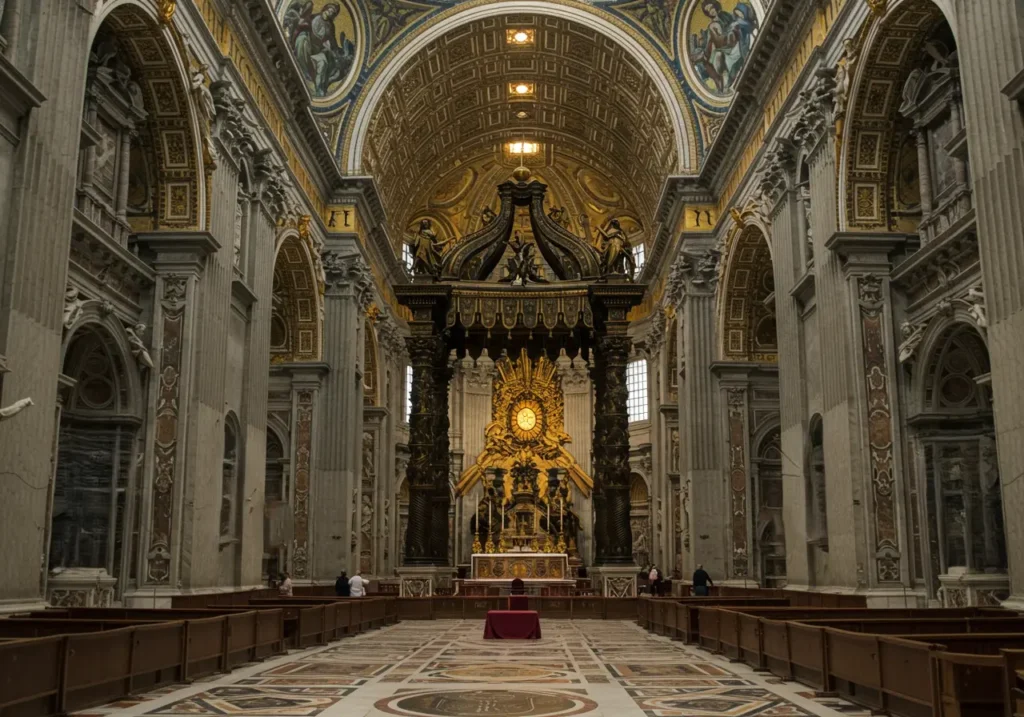
St. Peter’s Basilica stands as one of Christianity’s most sacred sites and architectural marvels, built over the tomb of Saint Peter. This Renaissance masterpiece, designed by legendary architects including Bramante, Michelangelo, and Bernini, features the world’s largest church interior spanning 15,160 square meters. The basilica’s iconic dome, designed by Michelangelo, dominates Rome’s skyline and offers breathtaking panoramic views after climbing 551 steps. Inside, visitors marvel at Michelangelo’s Pietà, Bernini’s Baldachin, and countless artistic treasures. The basilica’s spiritual significance draws millions of pilgrims annually, while its architectural grandeur captivates art lovers and history enthusiasts from around the globe.
St. Peter’s Square
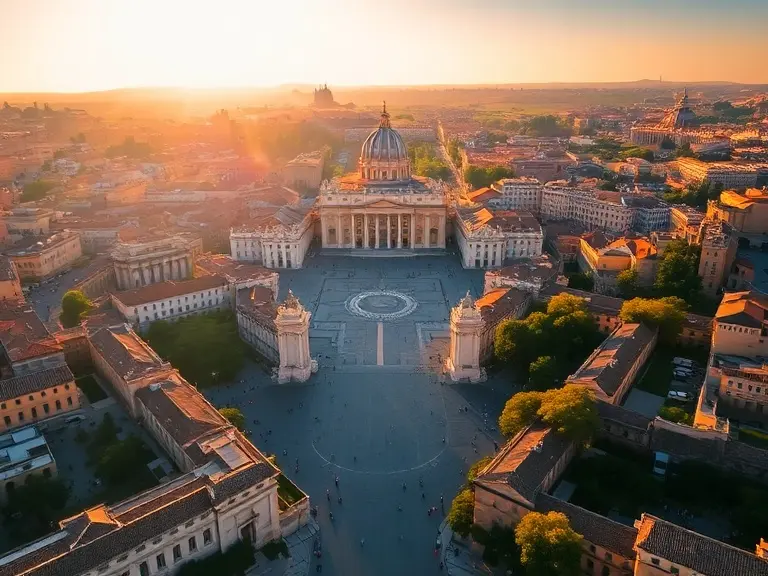
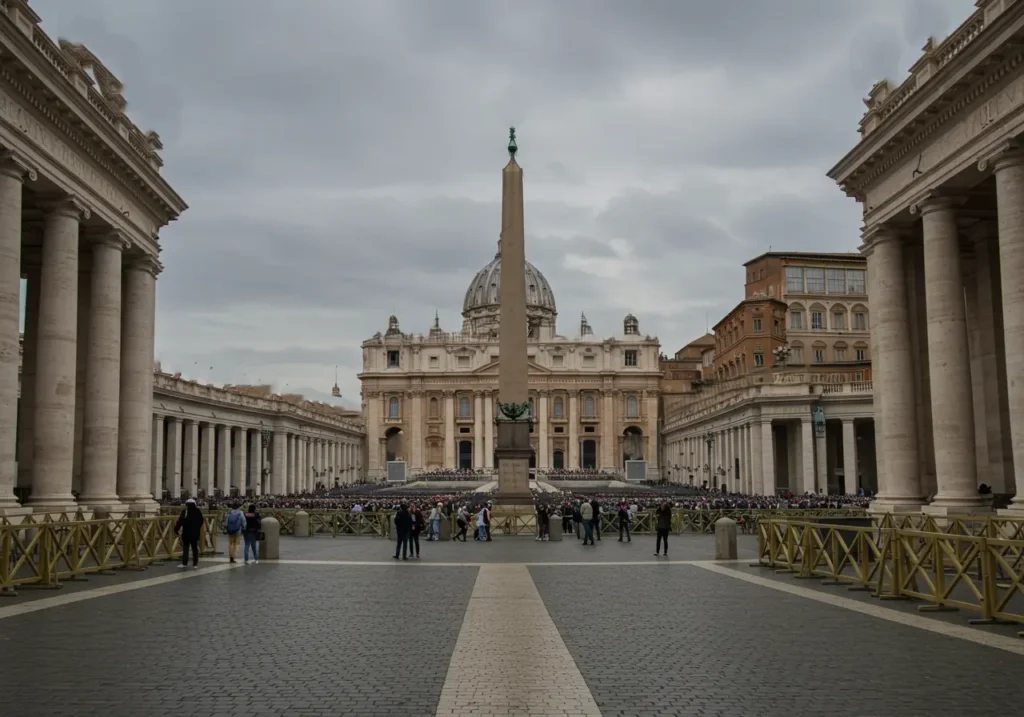
St. Peter’s Square, designed by Gian Lorenzo Bernini in the 17th century, creates a dramatic theatrical entrance to the Vatican that embraces visitors in its sweeping colonnades. This elliptical piazza features 284 columns arranged in four rows, creating an optical illusion where the columns appear as one when viewed from specific marble discs embedded in the pavement. The square’s central Egyptian obelisk, transported from Heliopolis in 37 AD, serves as a magnificent centerpiece surrounded by two fountains. During papal audiences and special ceremonies, the square accommodates up to 300,000 people, transforming into a sea of faithful pilgrims. The colonnade’s symbolic arms represent the Catholic Church’s embrace of humanity.
The Vatican Museums
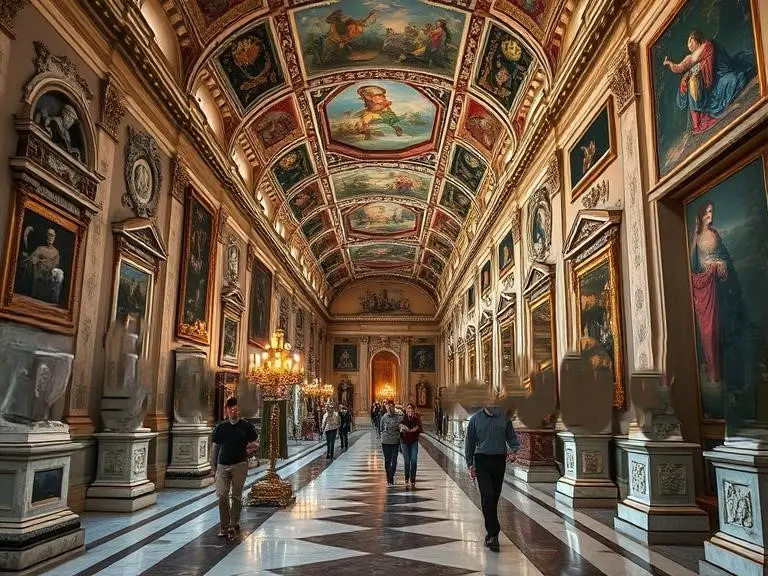
The Vatican Museums house one of the world’s greatest art collections, accumulated by the Catholic Church over centuries, spanning 54 galleries with over 70,000 works of art. Founded by Pope Julius II in the early 16th century, these museums showcase masterpieces from ancient Roman sculptures to Renaissance frescoes, including works by Leonardo da Vinci, Caravaggio, and Raphael. The museums’ highlights include the Gallery of Maps, Raphael Rooms, and the spectacular spiral staircase designed by Giuseppe Momo. Visitors journey through 9 miles of exhibitions, exploring ancient civilizations, papal history, and artistic evolution. The museums serve as cultural bridges connecting past and present, offering insights into human creativity and spiritual expression throughout millennia.
The Sistine Chapel
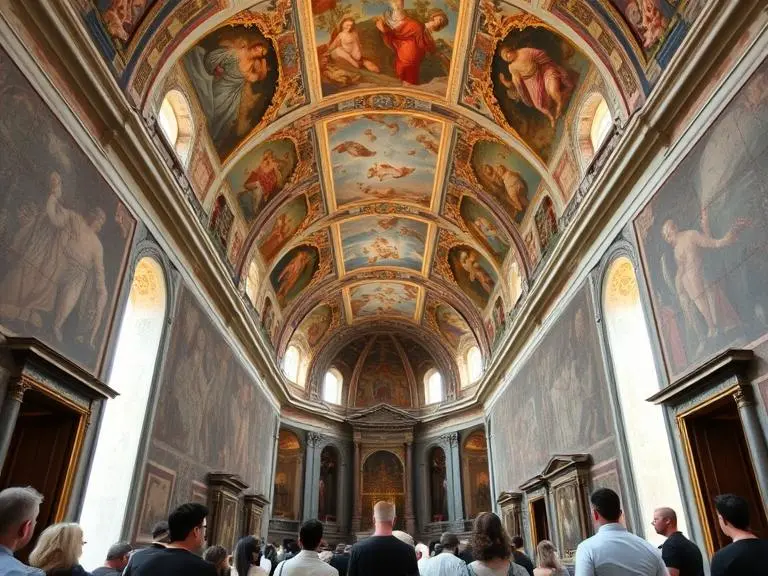
The Sistine Chapel represents the pinnacle of Renaissance art and serves as the sacred venue for papal conclaves where new popes are elected. Michelangelo’s breathtaking ceiling frescoes, painted between 1508-1512, depict biblical scenes including the iconic “Creation of Adam,” while his “Last Judgment” covers the altar wall. Built in the 1470s by Pope Sixtus IV, the chapel’s dimensions mirror Solomon’s Temple as described in the Old Testament. The chapel’s walls feature frescoes by Renaissance masters including Botticelli, Perugino, and Ghirlandaio, creating an immersive artistic sanctuary. Beyond its artistic significance, the chapel’s spiritual atmosphere and historical importance as the site of papal elections make it an essential pilgrimage destination.
The Vatican Gardens
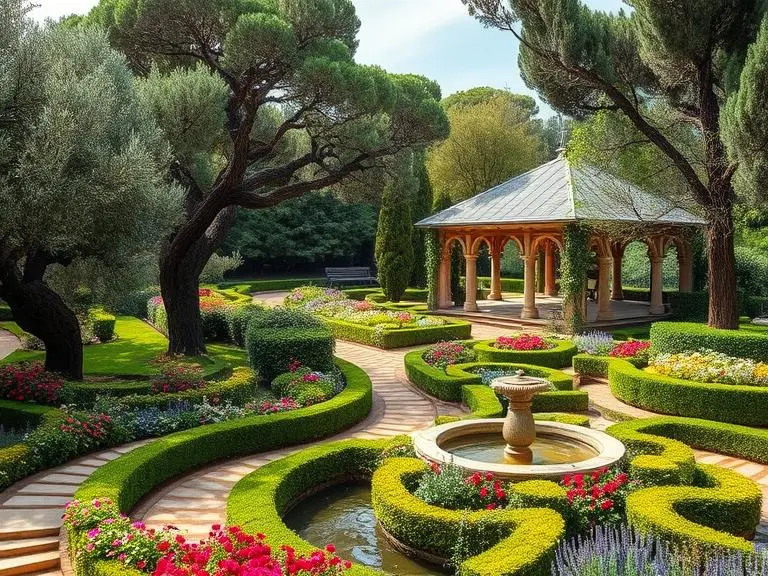
The Vatican Gardens occupy approximately half of Vatican City’s territory, offering a peaceful sanctuary of landscaped beauty featuring Renaissance and Baroque design elements. These private gardens, accessible only through guided tours, showcase centuries of horticultural artistry with rare plants, ancient sculptures, and architectural marvels including medieval towers and papal villas. The gardens serve as the Pope’s private retreat, featuring walking paths, fountains, and grottos that provide spiritual contemplation space. Visitors discover the Vatican’s ecological diversity, including the world’s shortest railway, ancient Roman ruins, and the Lourdes Grotto replica. The gardens represent a living museum where nature, art, and spirituality harmoniously coexist within Vatican City’s sacred boundaries.
The Apostolic Palace
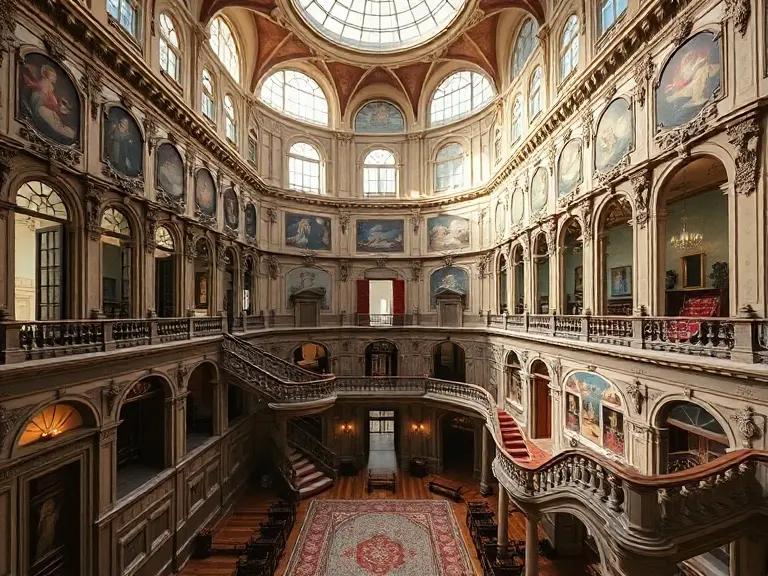
The Apostolic Palace serves as the Pope’s official residence and the central hub of Catholic Church administration, housing the Papal Apartments and government offices. This massive complex, built over several centuries, features the famous papal window overlooking St. Peter’s Square where the Pope delivers Sunday Angelus prayers to gathered crowds. The palace contains the Sistine Chapel, Raphael Rooms, and numerous state apartments adorned with priceless frescoes and artwork. Visitors can explore public areas during guided tours, witnessing the intricate blend of residential quarters, administrative offices, and ceremonial spaces. The palace’s architectural evolution reflects changing papal needs and artistic tastes, showcasing Renaissance, Baroque, and modern design elements throughout its interconnected buildings and courtyards.
The Vatican Necropolis
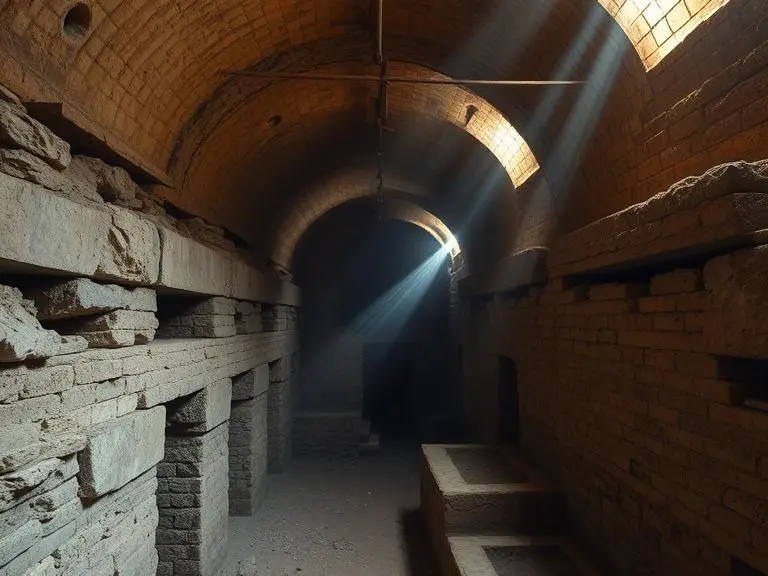
The Vatican Necropolis, also known as the Scavi, lies beneath St. Peter’s Basilica and contains ancient Roman burial grounds dating from the 1st to 4th centuries AD. Archaeological excavations revealed this remarkable underground cemetery where Saint Peter is believed to be buried, making it one of Christianity’s most sacred archaeological sites. Access requires special permission through advance reservations, limiting daily visitors to preserve this fragile historical treasure. The necropolis features well-preserved ancient tombs, mosaics, and frescoes that provide invaluable insights into early Christian and pagan burial practices. This underground journey reveals layers of history, from pagan Roman traditions to early Christian symbols, offering visitors a profound connection to the foundations of Christianity and Vatican City’s spiritual significance.
The Vatican Library
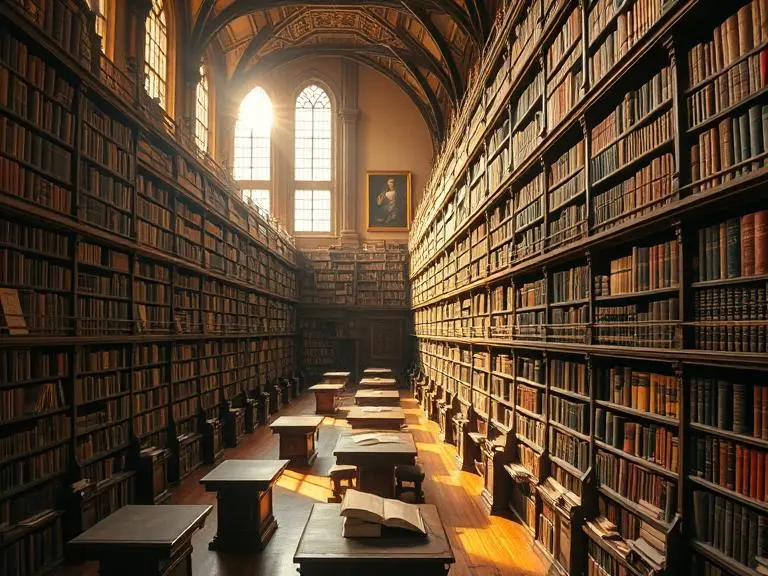
The Vatican Library, established in 1451, ranks among the world’s oldest and most significant research libraries, containing over 1.6 million books and 80,000 manuscripts. This treasure trove preserves humanity’s intellectual heritage, including ancient texts, medieval illuminated manuscripts, and rare documents spanning multiple languages and cultures. The library’s stunning reading rooms, decorated with Renaissance frescoes, provide scholars and researchers access to invaluable historical documents and papal correspondence. Notable collections include Greek and Latin classics, Islamic and Hebrew texts, and scientific works that shaped human knowledge. The library’s digital preservation efforts ensure future generations can access these cultural treasures. For visitors, guided tours reveal the library’s architectural beauty and highlight its role in preserving human civilization’s written legacy.
Borgo Pio
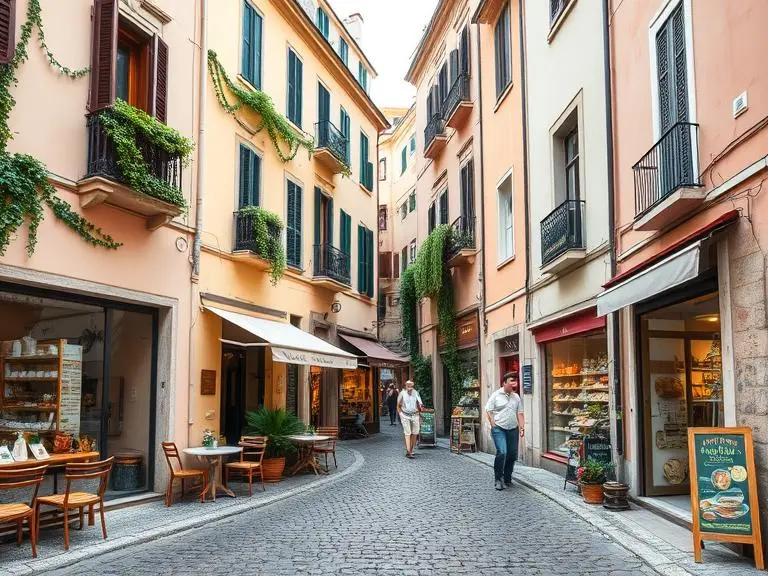
Borgo Pio represents one of Rome’s most charming medieval neighborhoods, located just steps from Vatican City’s walls, offering authentic Roman atmosphere and traditional architecture. This historic district, developed during the Renaissance to accommodate Vatican visitors, features narrow cobblestone streets lined with medieval buildings, family-run restaurants, and traditional shops. The area provides respite from Vatican City’s crowds while maintaining easy access to major landmarks, making it perfect for leisurely strolls and authentic dining experiences. Borgo Pio’s architecture reflects centuries of papal influence, with buildings showcasing Renaissance and Baroque details alongside medieval foundations. Local restaurants serve traditional Roman cuisine, while artisan shops offer unique souvenirs and religious artifacts, creating an authentic Italian experience within Vatican City’s shadow.
The Belvedere Courtyard
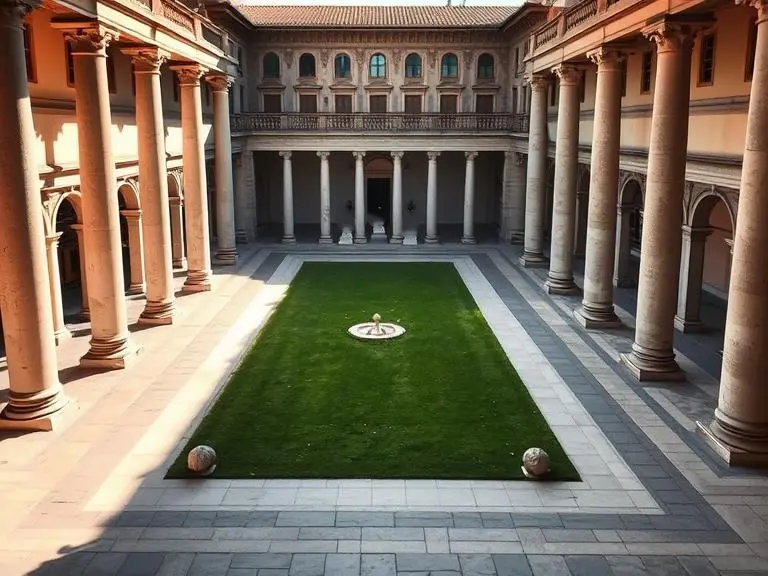
The Belvedere Courtyard, designed by Bramante in the early 16th century, connects the Vatican Palace with the Belvedere Villa through an magnificent architectural complex featuring terraced gardens and monumental staircases. This Renaissance masterpiece showcases classical architectural principles with its symmetrical design, elegant proportions, and harmonious integration of buildings and landscaping. The courtyard historically served as a venue for papal ceremonies and entertainment, including theatrical performances and festivals that demonstrated papal power and cultural sophistication. Today, visitors admire Bramante’s architectural genius while exploring the courtyard’s museums and galleries that house priceless ancient sculptures and artifacts. The courtyard’s design influenced Renaissance architecture throughout Europe, establishing principles of spatial organization and aesthetic harmony that continue inspiring architects and urban planners worldwide.
FAQs
Is it safe to travel to Vatican City? Vatican City is extremely safe for tourists, with dedicated security forces and comprehensive surveillance systems ensuring visitor protection. The Swiss Guard and Vatican Gendarmerie maintain constant vigilance, while metal detectors and bag checks at entrances prevent prohibited items. Pickpocketing can occur in crowded areas, so remain aware of personal belongings, especially in St. Peter’s Square and museum queues. Emergency medical services are readily available, and multilingual staff assist visitors throughout the complex. The Vatican’s zero-tolerance approach to crime and its small size make it one of the world’s safest destinations for travelers of all ages.
What’s the best month to visit Vatican City? April through June and September through October offer ideal weather conditions with comfortable temperatures and fewer crowds than peak summer months. Spring provides pleasant weather for outdoor exploration while avoiding summer’s intense heat and tourist masses. Fall offers similar advantages with beautiful lighting for photography and comfortable walking conditions. Summer months (July-August) bring large crowds and extreme heat but longer daylight hours. Winter visits offer intimate experiences with minimal crowds, though weather can be unpredictable. Consider papal audience schedules, religious holidays, and museum closure dates when planning your visit for optimal experiences.
Do I need to speak Italian to visit Vatican City? Italian language skills aren’t necessary for visiting Vatican City, as most staff speak multiple languages including English, Spanish, French, and German. Audio guides are available in numerous languages for museums and basilica tours, while multilingual signage helps navigate major attractions. Tour guides offer comprehensive explanations in various languages, ensuring visitors understand historical and artistic significance. Vatican City’s international nature means visitors from worldwide destinations communicate effectively without Italian proficiency. However, learning basic Italian phrases enhances interactions with local vendors and restaurant staff in surrounding Borgo areas, creating more authentic cultural experiences during your Vatican visit.
Conclusion
Pack your bags and start exploring Vatican City’s treasures today! These magnificent landmarks offer transformative experiences that blend spiritual significance with artistic mastery, creating memories that last a lifetime. From Michelangelo’s masterpieces to ancient underground burial sites, Vatican City provides unparalleled cultural immersion within walking distance.
Join thousands of travelers who fell in love with Vatican City’s magic and discovered why this sacred enclave continues captivating visitors from every corner of the globe. Your journey through these must-see landmarks awaits – begin planning your Vatican adventure and prepare to witness some of humanity’s greatest artistic and spiritual achievements in the world’s smallest sovereign state.