10 Must-Visit Spots in San Fruttuoso for Nature Lovers
Introduction
Are you tired of overcrowded tourist destinations where the beauty of nature gets lost in the shuffle? Finding authentic, unspoiled natural landscapes that offer both tranquility and adventure can feel impossible in today’s world of mass tourism.
San Fruttuoso offers exactly what nature lovers crave: a secluded paradise where crystal-clear Mediterranean waters meet dramatic coastal cliffs and ancient forests. This hidden gem on the Italian Riviera promises an unforgettable escape into pristine wilderness.
With over a decade of exploring Italy’s coastal treasures and guiding travelers to off-the-beaten-path destinations, I’ve curated this comprehensive guide to help you discover the most breathtaking natural spots in San Fruttuoso. In this article, you’ll uncover why San Fruttuoso deserves a place on your travel bucket list, explore ten spectacular locations that showcase the area’s natural beauty, and gain practical insights through frequently asked questions to plan your perfect nature-focused getaway.
Table of Contents
Why You Should Visit San Fruttuoso
San Fruttuoso stands apart as one of Italy’s most enchanting coastal destinations, offering a rare combination of cultural richness, accessibility, and natural diversity. The historic abbey nestled in this secluded bay represents centuries of Benedictine heritage, while the surrounding Portofino Regional Natural Park provides endless opportunities for exploration. Unlike more commercialized destinations, San Fruttuoso maintains its authentic character while remaining surprisingly accessible by boat or hiking trails from nearby Camogli and Portofino.
The variety of experiences available makes San Fruttuoso ideal for every type of nature enthusiast. Whether you’re drawn to underwater adventures, challenging mountain trails, or peaceful coastal walks, this remarkable location delivers. The convergence of Mediterranean ecosystems creates exceptional biodiversity, from marine life thriving in protected waters to endemic plant species flourishing on hillsides. This unique blend of culture, convenience, and natural variety ensures that San Fruttuoso offers something special for everyone seeking connection with nature.
10 Must-Visit Spots in San Fruttuoso for Nature Lovers
Abbey of San Fruttuoso
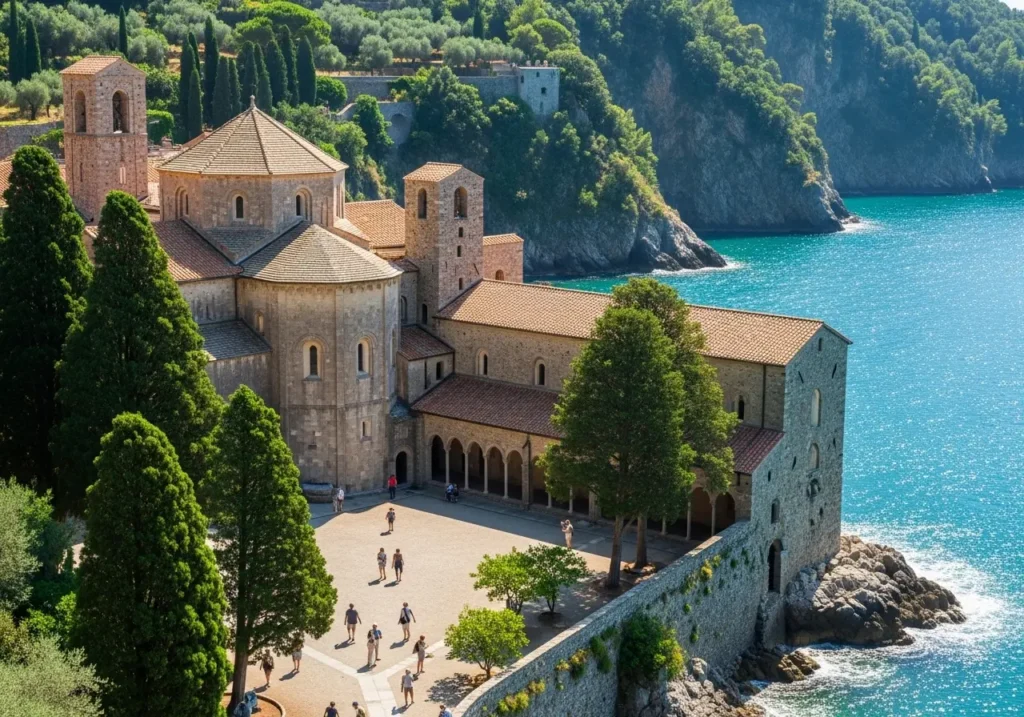
The Abbey of San Fruttuoso represents a stunning fusion of human history and natural beauty, nestled dramatically against towering cliffs where the mountains meet the sea. This medieval monastery, founded by Benedictine monks in the 10th century, showcases remarkable Romanesque and Gothic architecture surrounded by lush Mediterranean vegetation. The abbey’s strategic coastal location offers breathtaking views of the bay while providing insight into centuries of monastic life. Exploring the ancient cloisters, defensive tower, and burial chambers of the Doria family reveals fascinating layers of history. The surrounding gardens feature native plant species that have thrived in this microclimate for generations, creating a peaceful sanctuary where cultural heritage and natural splendor intertwine seamlessly.
San Fruttuoso Beach
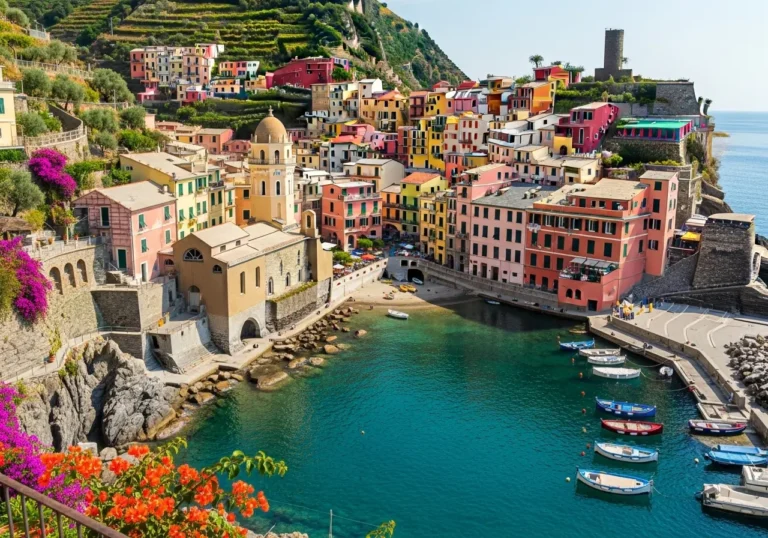
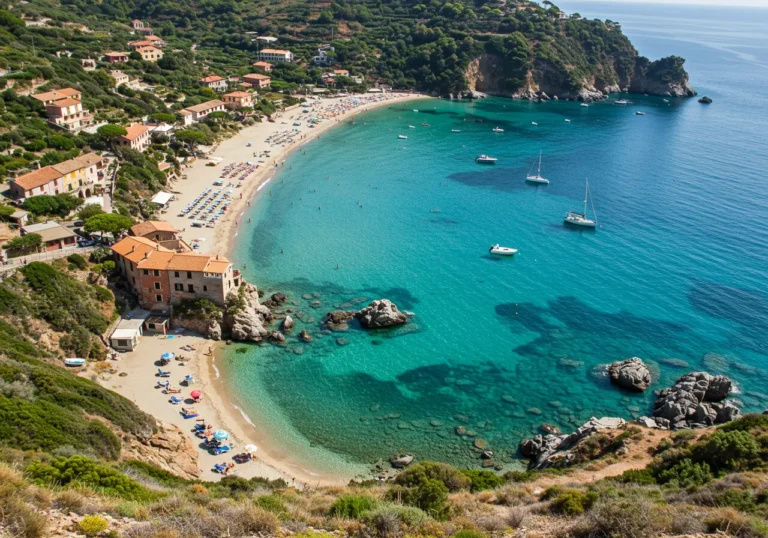
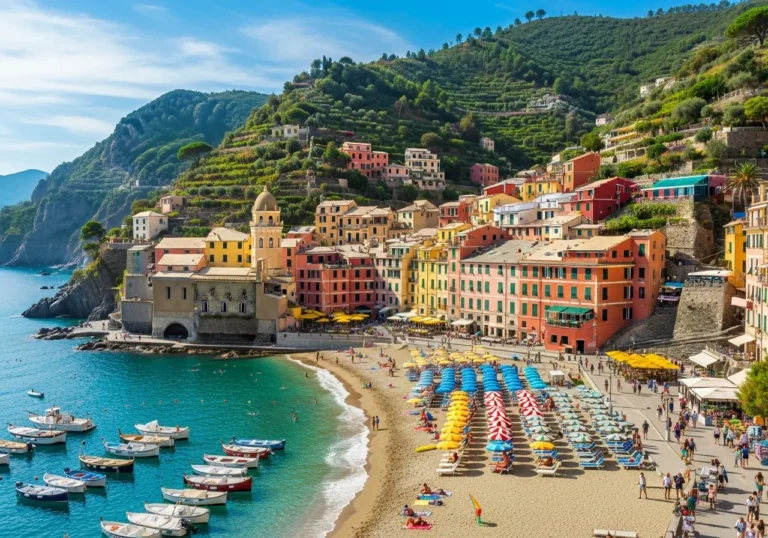
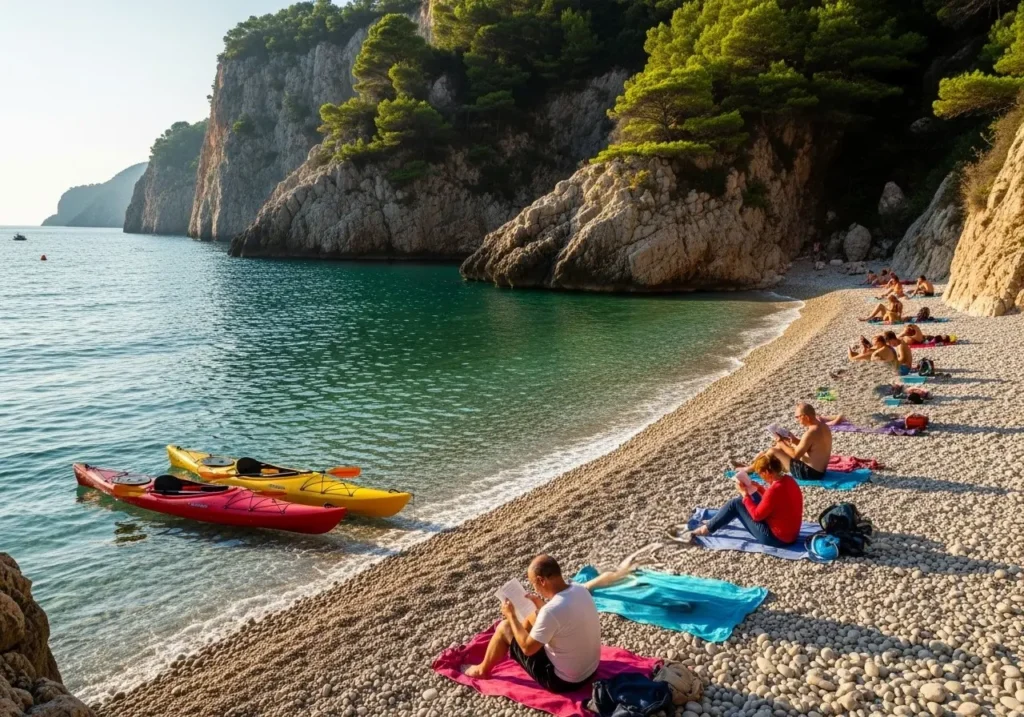
San Fruttuoso Beach presents a picture-perfect Mediterranean cove where smooth pebbles meet impossibly clear turquoise waters, creating an idyllic setting for nature lovers seeking coastal tranquility. This intimate beach stretches along the bay’s curve, framed by verdant hillsides that descend dramatically to the water’s edge. The exceptional water clarity makes it perfect for swimming and snorkeling, with visibility often exceeding 20 meters on calm days. Despite its relative seclusion, the beach offers basic amenities while maintaining its unspoiled character. The unique microclimate creates comfortable temperatures even during shoulder seasons, extending swimming opportunities beyond typical summer months. Sunbathers can relax on the pebbled shore while enjoying panoramic views of the surrounding natural amphitheater formed by mountains.
Christ of the Abyss Underwater Statue
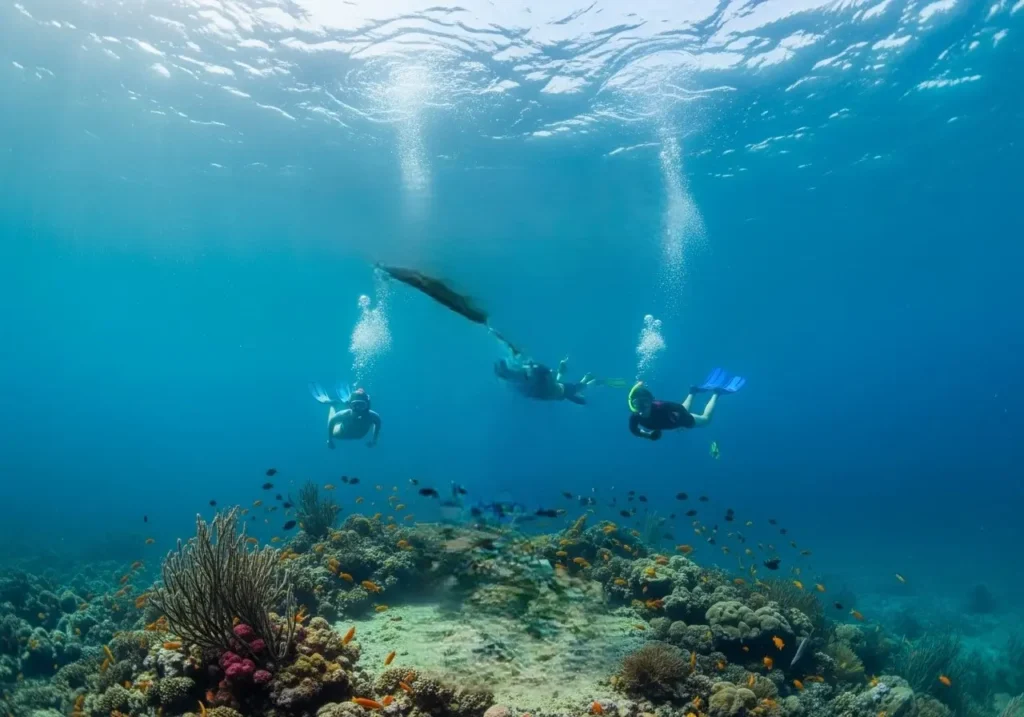
The Christ of the Abyss represents one of the Mediterranean’s most extraordinary underwater attractions, offering divers and snorkelers an unforgettable spiritual and natural experience. This bronze statue of Jesus Christ stands 17 meters below the surface with arms raised skyward, creating a hauntingly beautiful focal point in the marine sanctuary. Sculptor Guido Galletti created this masterpiece in 1954 to commemorate deceased divers and protect those exploring the depths. The statue has become an artificial reef, attracting diverse marine life including groupers, octopi, and colorful nudibranchs that make their homes on its weathered surface. Visibility conditions here are often exceptional, allowing even snorkelers to glimpse this underwater monument from above, creating magical encounters between art, spirituality, and marine ecosystems.
Portofino Regional Natural Park Trails
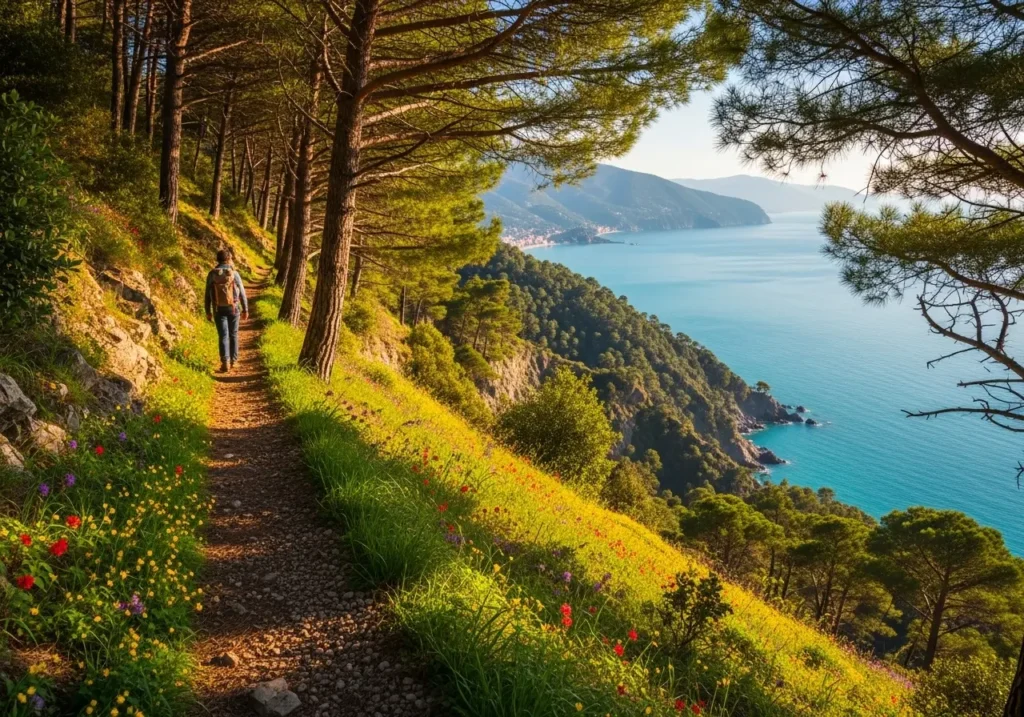
Portofino Regional Natural Park encompasses over 80 kilometers of hiking trails that wind through some of Liguria’s most spectacular coastal and mountain landscapes. These well-maintained paths traverse diverse ecosystems ranging from Mediterranean scrubland fragrant with rosemary and lavender to dense Aleppo pine forests providing welcome shade. Trail options accommodate all fitness levels, from gentle coastal walks to challenging climbs that reward hikers with breathtaking panoramic views. The network connects picturesque fishing villages, hidden beaches, and historic landmarks while showcasing the region’s remarkable biodiversity. Spring wildflowers transform hillsides into colorful tapestries, while autumn brings warm golden light perfect for photography. Endemic plant species and migratory birds make these trails particularly valuable for naturalists seeking authentic Mediterranean wilderness experiences.
Punta Chiappa Viewpoint
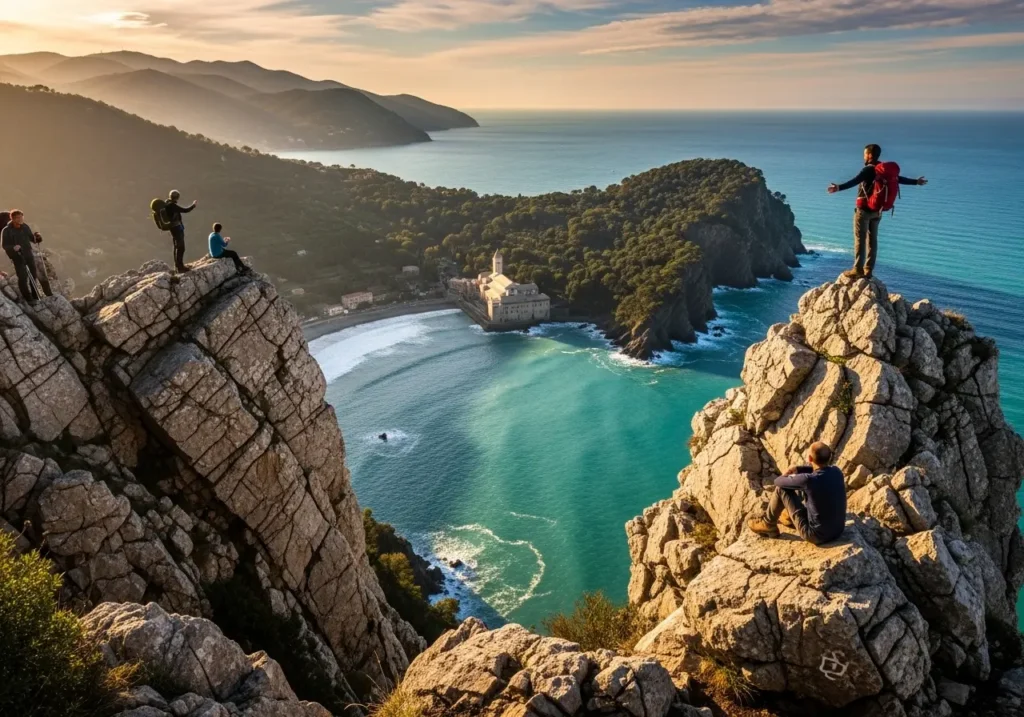
Punta Chiappa Viewpoint offers one of the Italian Riviera’s most dramatic coastal panoramas, where rugged cliffs plunge vertically into deep blue waters creating an awe-inspiring natural spectacle. This rocky promontory extends into the Ligurian Sea, providing unobstructed 180-degree views encompassing San Fruttuoso, Portofino, and the distant Cinque Terre on clear days. The geological formations here showcase millions of years of natural history, with layered sedimentary rocks revealing ancient seabeds thrust upward by tectonic forces.
Hardy Mediterranean vegetation clings to steep slopes, demonstrating remarkable adaptation to harsh coastal conditions. The viewpoint serves as an excellent spot for sunset photography, as the golden hour bathes the dramatic coastline in warm light. Adventurous visitors often dive from the rocks into crystalline waters below, though caution is essential.
Camogli Coastal Path
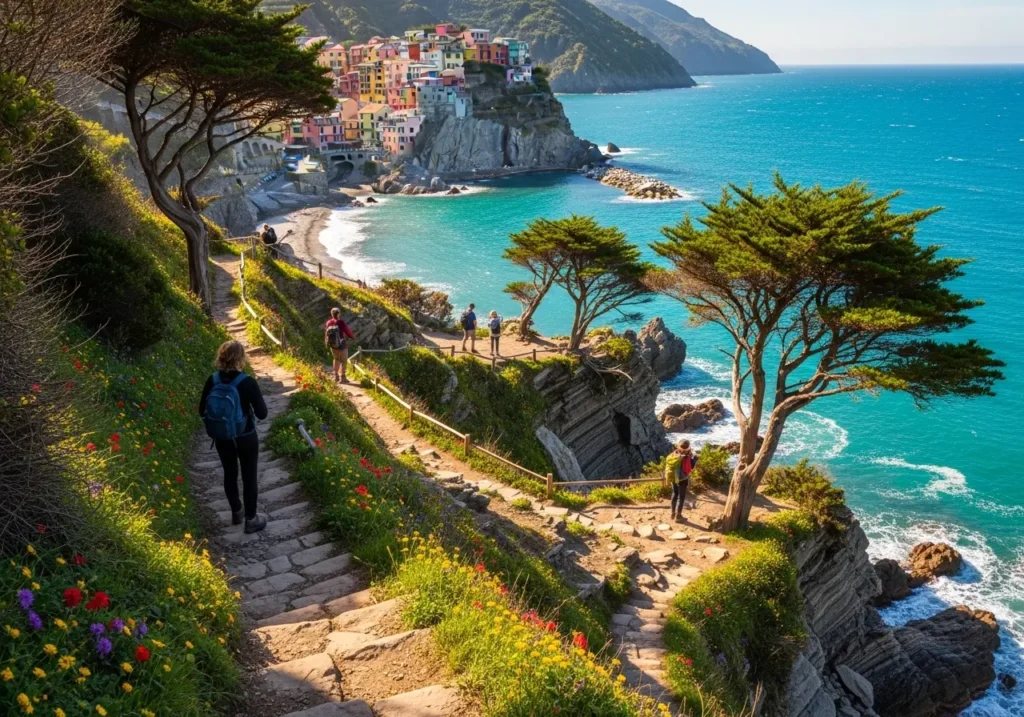
The Camogli Coastal Path delivers an enchanting hiking experience that connects the charming fishing village of Camogli to San Fruttuoso through some of Liguria’s most scenic coastal terrain. This approximately two-hour trek follows ancient mule tracks and stone staircases that once served as the primary transportation routes between isolated coastal communities. The path alternates between shaded forest sections fragrant with pine and exposed clifftop segments offering spectacular sea views. Wildflowers bloom abundantly in spring, while autumn brings vibrant foliage changes in deciduous species. Strategic rest points along the route provide opportunities to observe seabirds and occasionally spot dolphins offshore. The path’s moderate difficulty makes it accessible to most hikers while still providing enough challenge to feel accomplished upon arrival.
Cala dell’Oro Marine Reserve
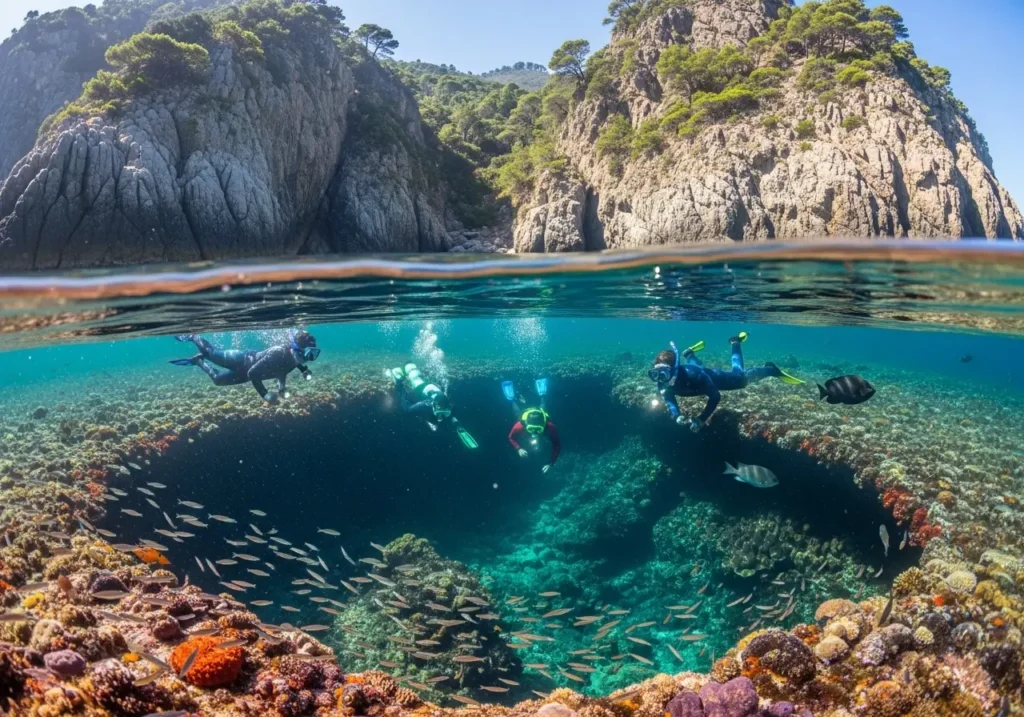
Cala dell’Oro Marine Reserve protects an exceptionally pristine underwater ecosystem where Mediterranean marine biodiversity flourishes in protected waters teeming with life. This designated conservation area features underwater meadows of Posidonia oceanica seagrass, often called the lungs of the Mediterranean for their oxygen production and role as nurseries for countless fish species. Snorkelers and divers encounter vibrant communities including painted combers, damselfish, sea bream, and occasionally larger species like amberjacks. The rocky seabed creates fascinating topography with caves, crevices, and boulder formations providing habitats for octopi, moray eels, and colorful invertebrates. Conservation regulations ensure sustainable tourism that allows visitors to appreciate this underwater paradise while protecting it for future generations. The exceptional water quality and visibility make every dive memorable.
Punta Torretta Cliffside Trail
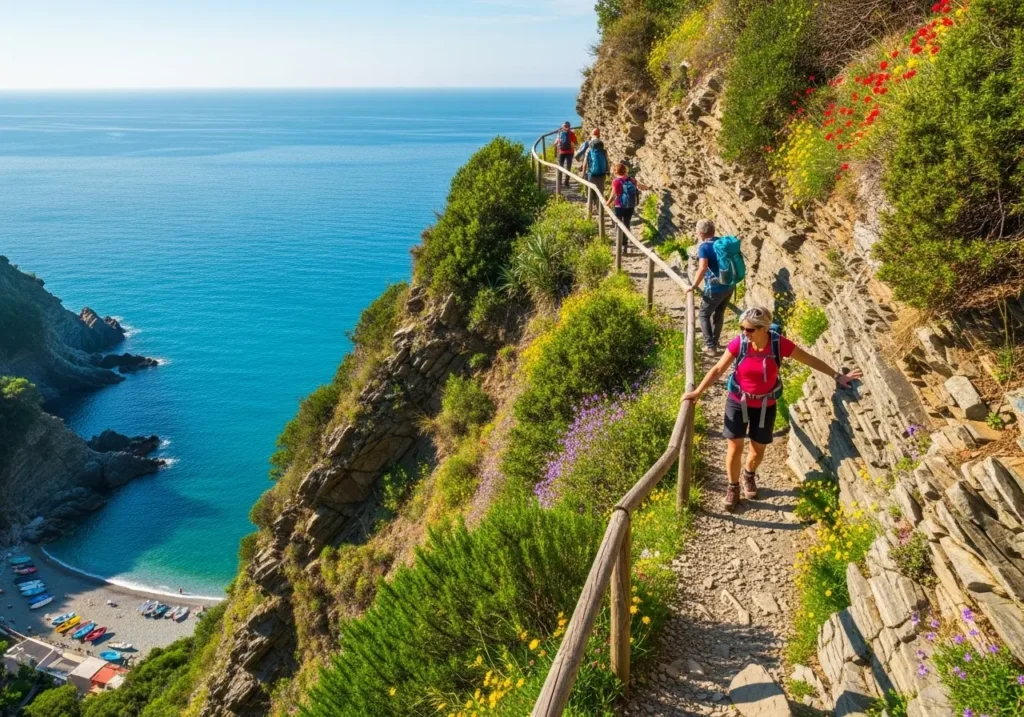
Punta Torretta Cliffside Trail provides adventure seekers with an exhilarating hiking experience along dramatic vertical landscapes where mountains meet the Mediterranean in spectacular fashion. This challenging route follows ancient defensive paths constructed to monitor coastal approaches, featuring narrow ledges carved into clifffaces that demand sure footing and reward confident hikers with unparalleled views. The trail passes through diverse microclimates created by elevation changes and aspect variations, supporting unique plant communities adapted to extreme coastal conditions.
Historical watchtowers punctuate the route, offering insight into the region’s strategic importance while serving as perfect rest stops. Spring brings cascading wildflowers that soften the rugged terrain, while summer reveals the full intensity of the Mediterranean sun on exposed rock. The sense of remoteness and natural power here is intoxicating.
San Fruttuoso Bay Lookout
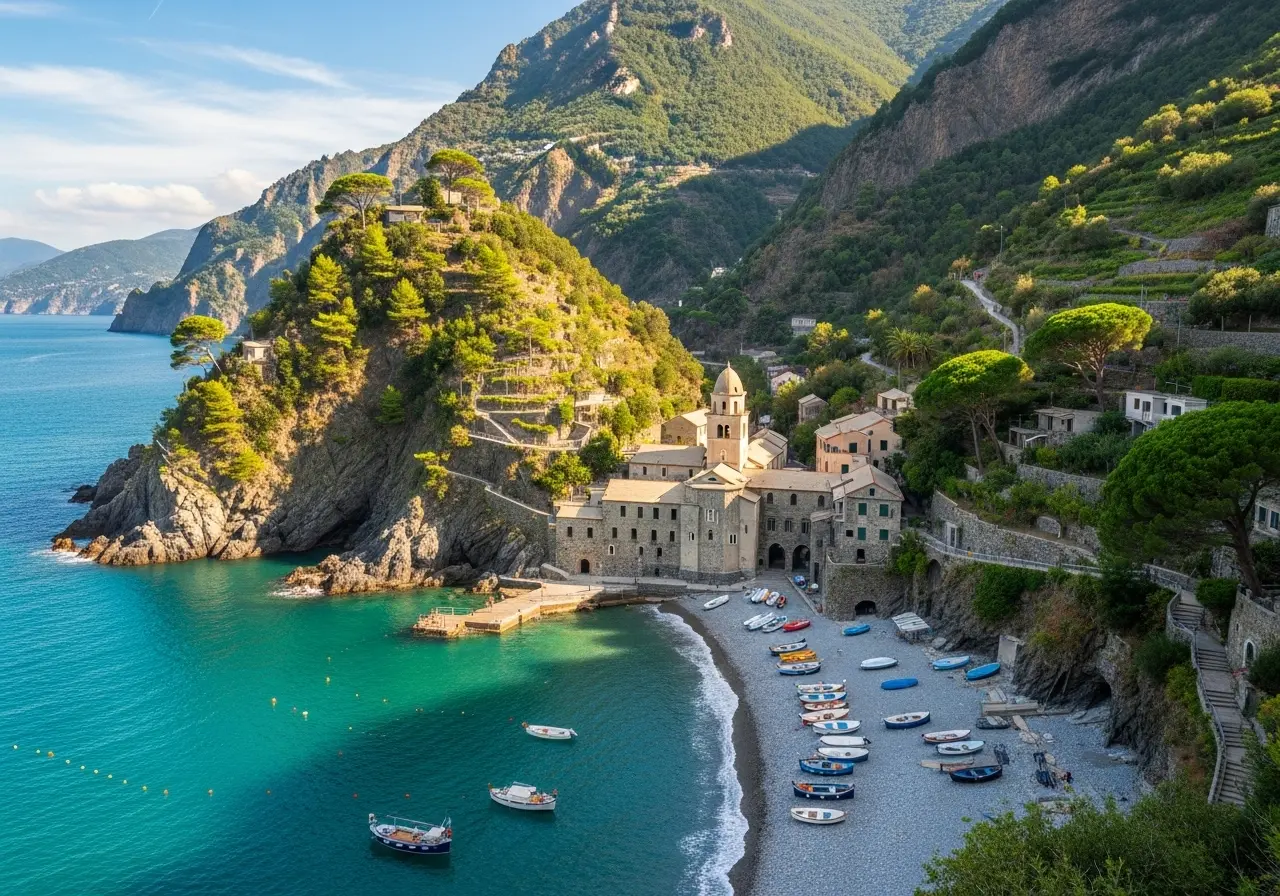
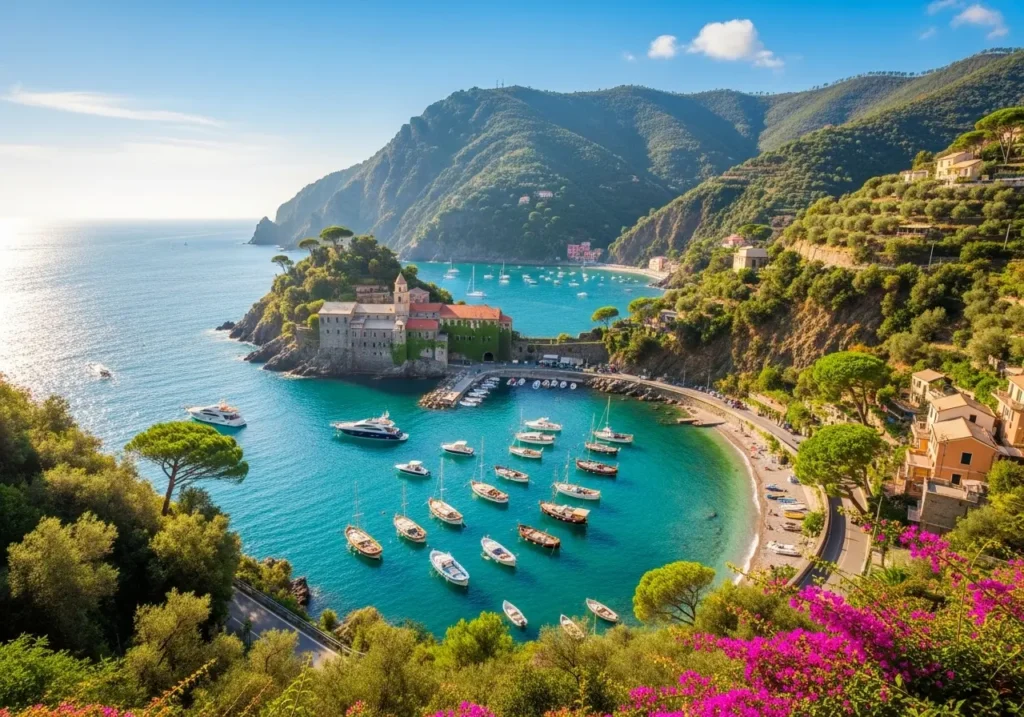
San Fruttuoso Bay Lookout occupies an elevated position above the abbey, delivering perhaps the most iconic photographic perspective of this legendary coastal sanctuary. The viewpoint reveals the bay’s perfect horseshoe shape, turquoise waters, and the ancient abbey nestled at the base of towering cliffs in one sweeping panorama. This vantage point illuminates the geographical isolation that made San Fruttuoso an ideal monastic retreat while showcasing the dramatic geology that characterizes the Portofino promontory.
The interplay of light throughout the day creates constantly changing moods, from morning mist softening mountain silhouettes to afternoon sun illuminating underwater features visible through clear waters. Vegetation framing the viewpoint includes aromatic Mediterranean herbs and wind-sculpted pines that add foreground interest to compositions while providing insight into ecological adaptations.
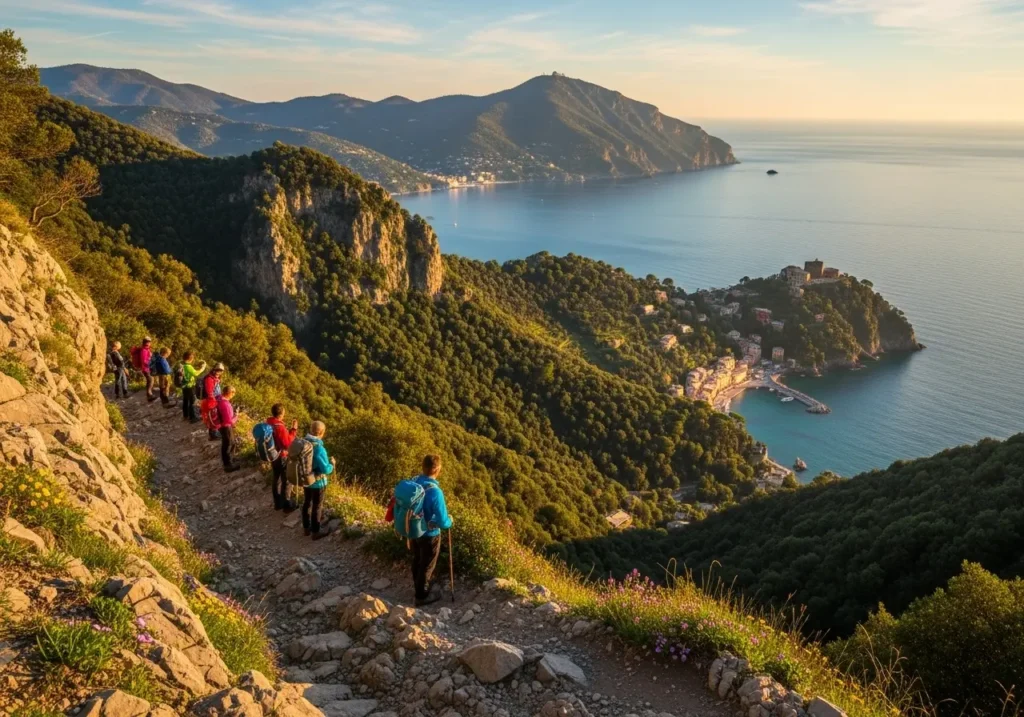
Monte di Portofino Hiking Route
Monte di Portofino Hiking Route culminates at the 610-meter summit offering the ultimate reward for determined hikers: 360-degree panoramic views encompassing the entire Portofino promontory and beyond. This challenging ascent traverses the park’s most diverse ecosystems, beginning in coastal scrubland before climbing through mixed forests and emerging above treeline into alpine-like conditions.
The route passes numerous junctions connecting to other trail networks, allowing flexible itinerary planning based on time and energy. Endemic plant species found nowhere else on Earth thrive in these unique conditions, making the summit area particularly valuable for botanists. On exceptionally clear days, views extend to Corsica and the Alps, creating unforgettable moments. The descent options include various routes back to coastal villages, each offering different perspectives on this magnificent landscape.
FAQs About San Fruttuoso
How do I get to San Fruttuoso? San Fruttuoso is accessible only by boat or hiking trails, with no road access preserving its pristine character. Seasonal ferry services operate from Camogli, Portofino, Santa Margherita Ligure, and Rapallo, typically running from April through October. The most popular hiking routes include the two-hour coastal path from Camogli and the challenging descent from Portofino village. Always check current ferry schedules and weather conditions before planning your visit.
What’s the best time to visit San Fruttuoso? Late spring (May-June) and early autumn (September-October) offer ideal conditions with pleasant temperatures, fewer crowds, and excellent visibility for underwater activities. Summer months provide warmest water temperatures but attract peak tourist numbers. Winter visits are possible via hiking trails when ferries don’t operate, offering solitude but requiring preparation for cooler, potentially rainy conditions and reduced daylight hours.
Do I need special equipment for the Christ of the Abyss? The underwater statue sits 17 meters deep, accessible to certified divers with standard scuba equipment. Snorkelers can view the statue from above on calm days with good visibility using basic mask, snorkel, and fins. Several dive centers in nearby towns offer guided excursions with equipment rental. Boat tours with glass-bottom viewing are also available for those preferring to stay dry.
Are the hiking trails difficult? Trail difficulty varies considerably throughout the Portofino Regional Natural Park. Coastal paths like the Camogli to San Fruttuoso route involve moderate elevation changes with some steep sections but are manageable for reasonably fit hikers. Summit routes to Monte di Portofino require good fitness and proper hiking footwear. Always carry water, sun protection, and check trail conditions before departing, especially after rain.
Can I swim at San Fruttuoso Beach? Swimming is excellent at San Fruttuoso Beach from May through October, with July and August offering warmest water temperatures around 24-26°C. The pebble beach slopes gradually into deeper water, suitable for various swimming abilities. The protected bay location typically ensures calm conditions, though occasional afternoon winds can create small waves. Snorkeling equipment enhances the experience by revealing the rich marine life inhabiting the bay.
Is there accommodation in San Fruttuoso? Limited accommodation exists directly in San Fruttuoso, including a historic locanda offering basic rooms above the beach. Most visitors base themselves in nearby Camogli, Portofino, Santa Margherita Ligure, or Rapallo, which provide extensive accommodation options and easy ferry access. Day visits work perfectly given the compact nature of the site and excellent transportation connections from surrounding villages.
Conclusion
San Fruttuoso represents a rare jewel where centuries of history blend seamlessly with some of the Mediterranean’s most spectacular natural landscapes. From the mystical underwater Christ statue to dramatic clifftop trails and the serene abbey grounds, these ten must-visit spots showcase why nature lovers return year after year to this enchanting corner of the Italian Riviera.
Call to Action
Ready to experience the natural wonders of San Fruttuoso for yourself? Start planning your adventure today by booking your ferry tickets and researching accommodation in nearby villages. Don’t forget to pack your hiking boots, snorkel gear, and camera to capture every unforgettable moment. Share your San Fruttuoso experiences with fellow travelers using #SanFruttuosoNature to inspire others to discover this hidden paradise.
Social Proof
Thousands of nature enthusiasts have discovered San Fruttuoso’s magic, with travelers consistently rating it among Italy’s top coastal destinations on major travel platforms. The Christ of the Abyss alone attracts over 50,000 divers and snorkelers annually, while the Portofino Regional Natural Park welcomes hundreds of thousands of hikers seeking authentic Mediterranean wilderness. Join the growing community of travelers who’ve found their perfect nature escape in San Fruttuoso – your own transformative experience awaits in this extraordinary coastal sanctuary.