12 Fun Things to Do in Bergamo for First-Timers
Introduction
Ever felt overwhelmed trying to plan your first trip to an Italian city, unsure where to start or what truly deserves your limited vacation time? You’re not alone. Many travelers arrive in Bergamo expecting just another stopover near Milan’s airports, only to discover they’ve barely scratched the surface of one of Lombardy’s most enchanting destinations.
This guide will transform your Bergamo experience from ordinary to unforgettable. Whether you have 24 hours or a full weekend, you’ll discover exactly how to navigate this stunning medieval city, from its gravity-defying funiculars to hidden Renaissance masterpieces that rival anything in Florence.
As someone who has explored Bergamo’s cobblestone streets countless times and guided travelers through its layered history, I’ve curated this list to help you avoid tourist traps and discover the authentic experiences that make this city special. We’ll cover the essential historical landmarks, the best viewpoints for that perfect Instagram shot, and where to taste traditional Bergamasque cuisine that locals actually eat.
In this guide, you’ll find why Bergamo deserves more than a quick stopover, followed by 12 carefully selected activities that balance culture, adventure, and culinary delights. Let’s dive in.
Table of Contents
Why You Should Visit Bergamo
Bergamo offers something rare in Italian tourism: an authentic medieval experience without the overwhelming crowds of Venice or Florence. This UNESCO World Heritage city seamlessly blends old-world charm with modern sophistication, making it perfect for first-time visitors who want Italy’s magic without the chaos.
Culture runs deep here. The city’s unique split personality—with Città Alta (Upper Town) perched dramatically above Città Bassa (Lower Town)—creates a living museum where 16th-century Venetian walls protect Renaissance art collections and Romanesque churches. Walking through Bergamo feels like stepping through different centuries in a single afternoon.
Convenience is unbeatable. Located just 45 minutes from Milan and served by its own international airport, Bergamo makes an ideal base for exploring northern Italy. The compact Città Alta can be explored on foot in a day, while the modern lower city offers excellent restaurants, shopping, and nightlife—all connected by a charming funicular that’s an attraction itself.
Variety keeps every moment interesting. Morning might find you admiring Botticelli paintings in world-class museums, afternoon exploring a medieval fortress with panoramic Alpine views, and evening savoring casoncelli pasta in a family-run trattoria where recipes haven’t changed in generations. From art lovers to food enthusiasts to history buffs, Bergamo delivers experiences that feel both extraordinary and refreshingly unpretentious.
12 Fun Things to Do in Bergamo for First-Timers
1. Ride the Funicular to Città Alta
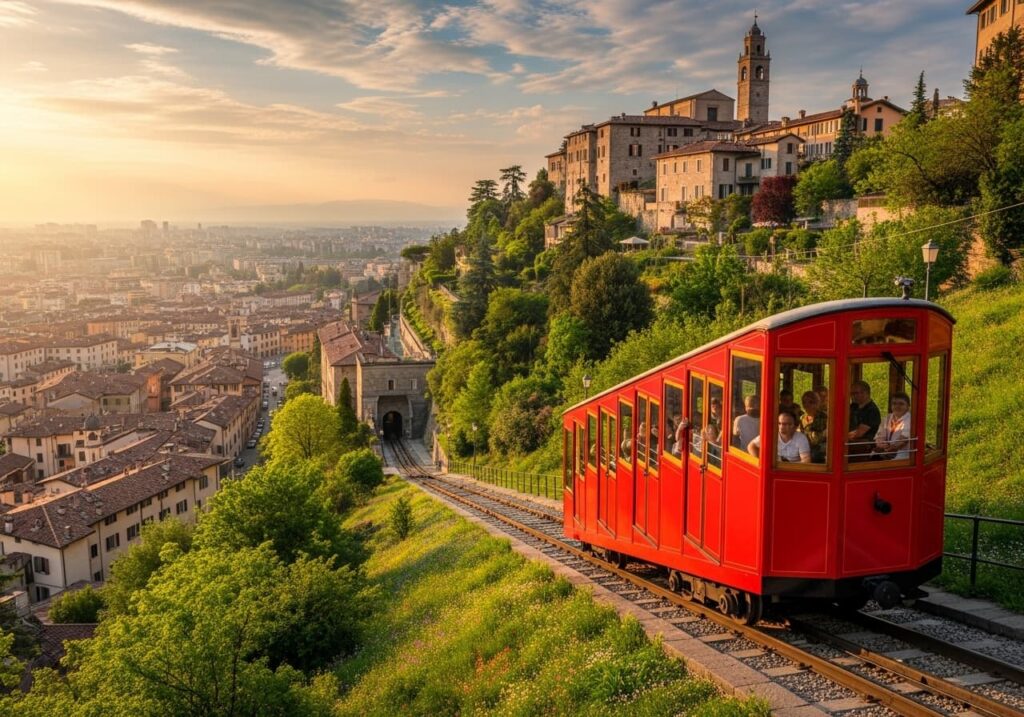
Start your Bergamo adventure the most thrilling way possible: aboard the bright red funicular that’s been carrying passengers up the steep hillside since 1887. This isn’t just transportation—it’s a two-minute journey through time as you ascend from the modern lower city into the medieval world above.
The lower station sits conveniently on Viale Vittorio Emanuele II, where you’ll board vintage wooden cars that climb at a dramatic angle. As you rise, watch the cityscape transform below while ancient walls grow closer above. The ride costs just a few euros and runs every seven minutes, making it both affordable and accessible.
Pro tip: Stand on the right side going up for the best views of Città Bassa spreading out below. Early morning rides offer the most elbow room and the clearest light for photos. If you’re staying multiple days, consider a transit pass that includes unlimited funicular rides—you’ll use it more than you think.
2. Walk Along the Venetian Walls
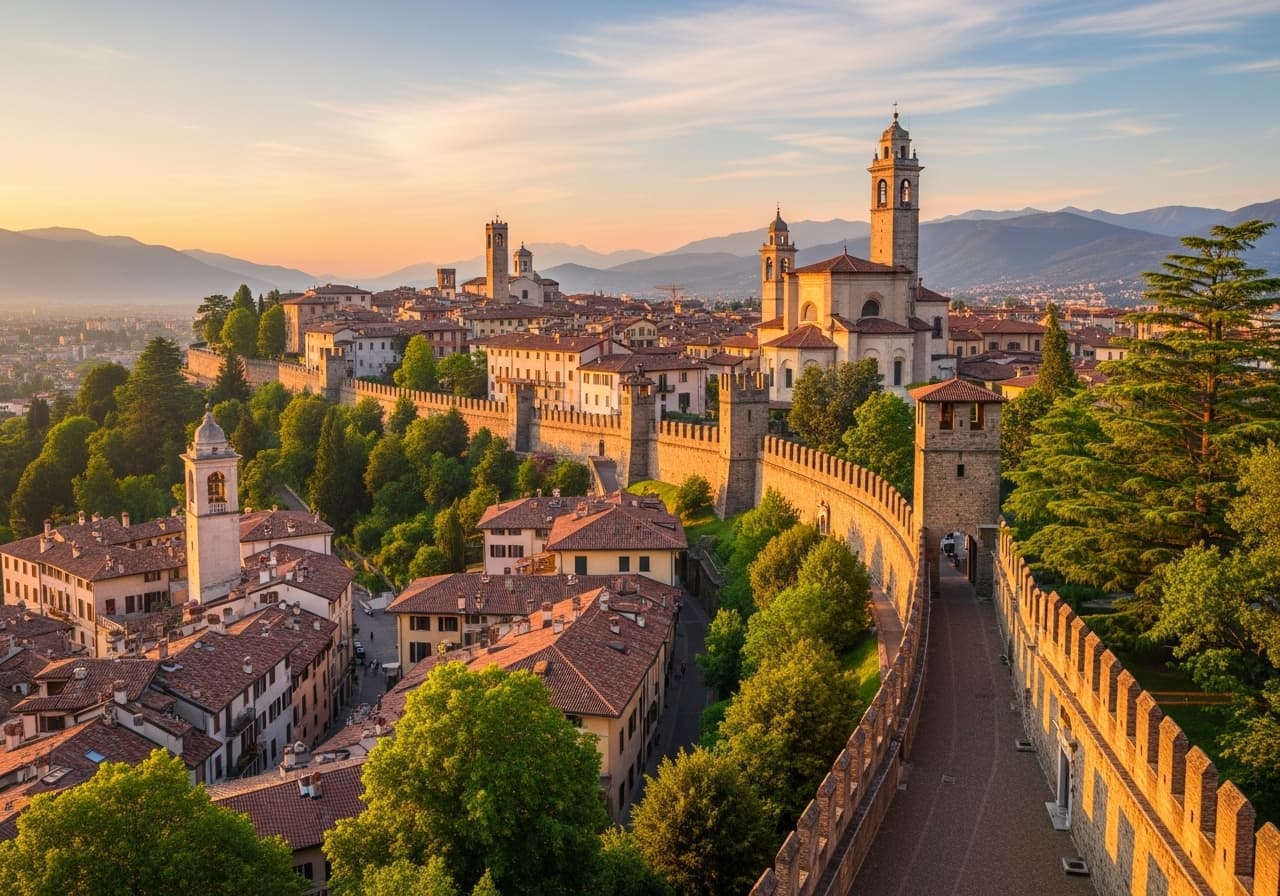
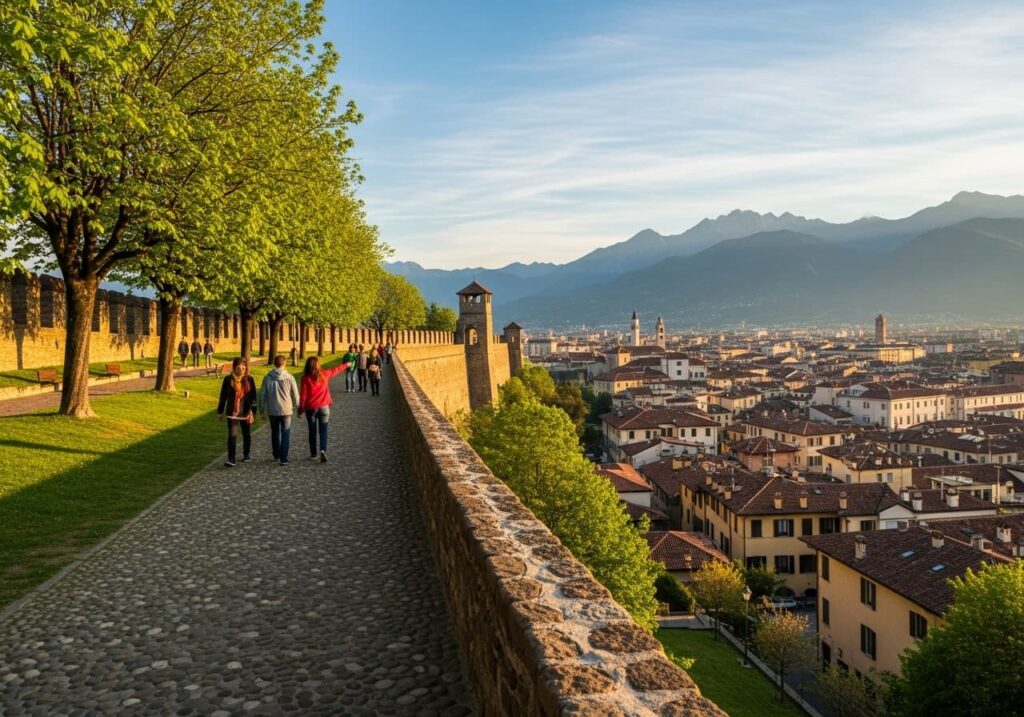
Once you reach Città Alta, take time to walk the magnificent Venetian Walls that encircle the old city. Built between 1561 and 1588, these imposing fortifications stretch for over six kilometers and represent one of the finest examples of Renaissance military architecture in Europe—which is exactly why UNESCO added them to the World Heritage list in 2017.
The walls feature massive gates, bastions, and platforms that offer spectacular views across the Lombardy plains toward Milan on clear days. The walkway along the top provides a peaceful promenade where locals jog, couples stroll at sunset, and photographers capture the changing light on the terracotta rooftops below.
Start at Porta San Giacomo, the most photographed gate, then follow the path counterclockwise. The entire circuit takes about two hours at a leisurely pace, though you can walk shorter sections. Pack water and wear comfortable shoes—some stretches involve stairs and uneven surfaces. The golden hour before sunset bathes everything in magical light and makes for unforgettable photos.
3. Explore Piazza Vecchia
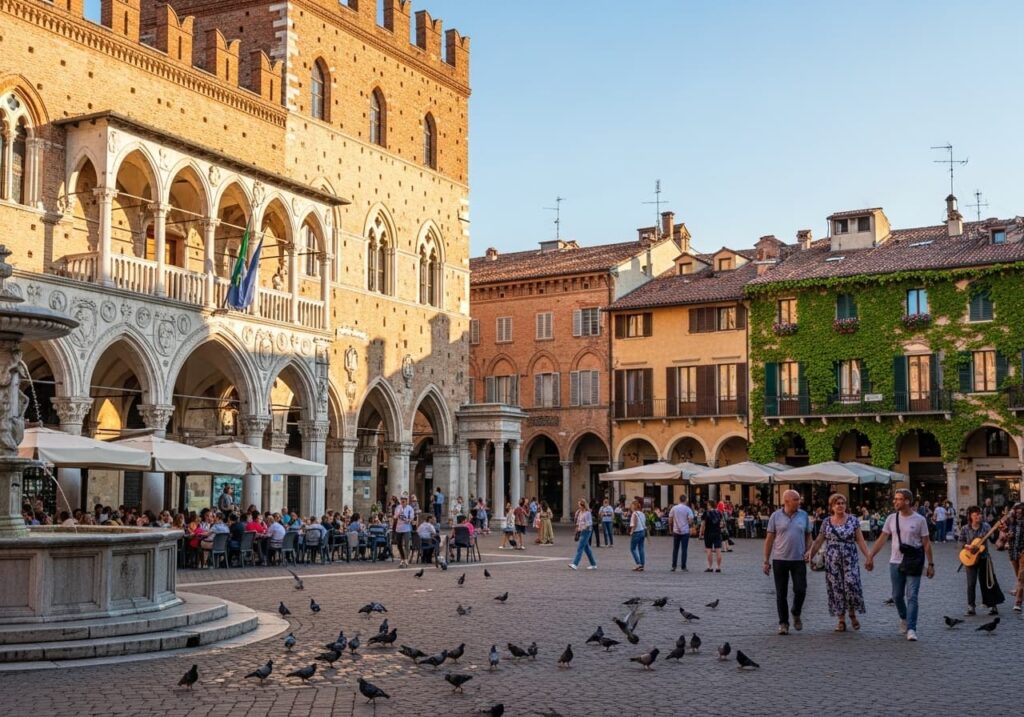
Step into Piazza Vecchia and you’ll understand why architect Le Corbusier called it one of Europe’s most beautiful squares. This harmonious Renaissance plaza serves as Città Alta’s beating heart, surrounded by elegant palaces, arcaded buildings, and the soaring Campanone tower that watches over everything.
The square’s centerpiece is the Contarini Fountain, an 18th-century marble confection topped with sphinxes and lions that’s been quenching thirst since 1780. On one side rises the white marble Palazzo della Ragione, Lombardy’s oldest town hall dating to the 12th century. Opposite stands the neoclassical Palazzo Nuovo, now housing the city library.
Arrive early in the morning to see the square in peaceful solitude before tour groups arrive, or come in the evening when locals gather at the outdoor cafés. Sit with an aperitivo and watch the light shift across the ancient stones. During summer, the square hosts open-air cinema screenings and concerts—check the cultural calendar if you’re visiting between June and September.
4. Visit the Basilica di Santa Maria Maggiore
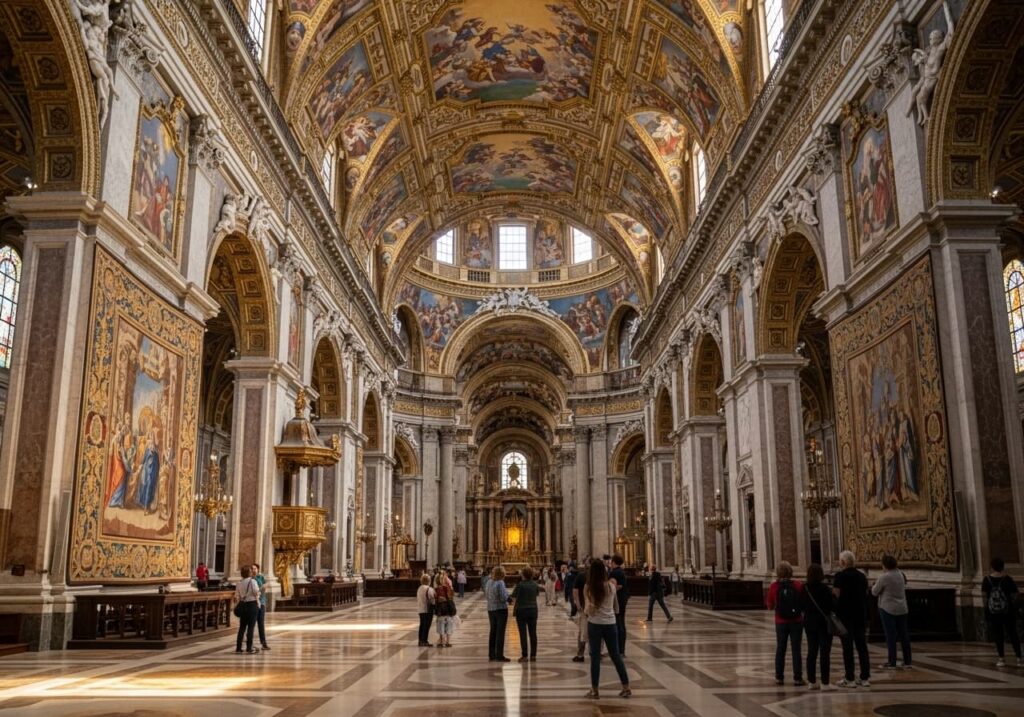
Adjacent to Piazza Vecchia stands one of Italy’s most stunning yet underrated churches. The Basilica di Santa Maria Maggiore began construction in 1137 as thanks for the city’s deliverance from plague, and what emerged over centuries is a masterwork of Romanesque architecture hiding a Baroque interior that will make your jaw drop.
The exterior appears relatively modest—carved lions guard the doorway and intricate sculptures decorate the portals—but step inside and you enter a world of overwhelming beauty. Every surface gleams with gold, frescoes, tapestries, and intricate wood inlays. The choir stalls feature marquetry panels depicting biblical scenes with such detail they resemble paintings. Don’t miss the tomb of composer Gaetano Donizetti, Bergamo’s most famous son.
Admission is free, though donations are appreciated. Dress modestly (shoulders and knees covered) and speak quietly—this remains an active place of worship. The basilica opens daily except during masses, and free guided tours run on weekends. Photography is permitted but flash is prohibited. Allow at least 30 minutes to absorb the artistry.
5. Climb the Torre Civica
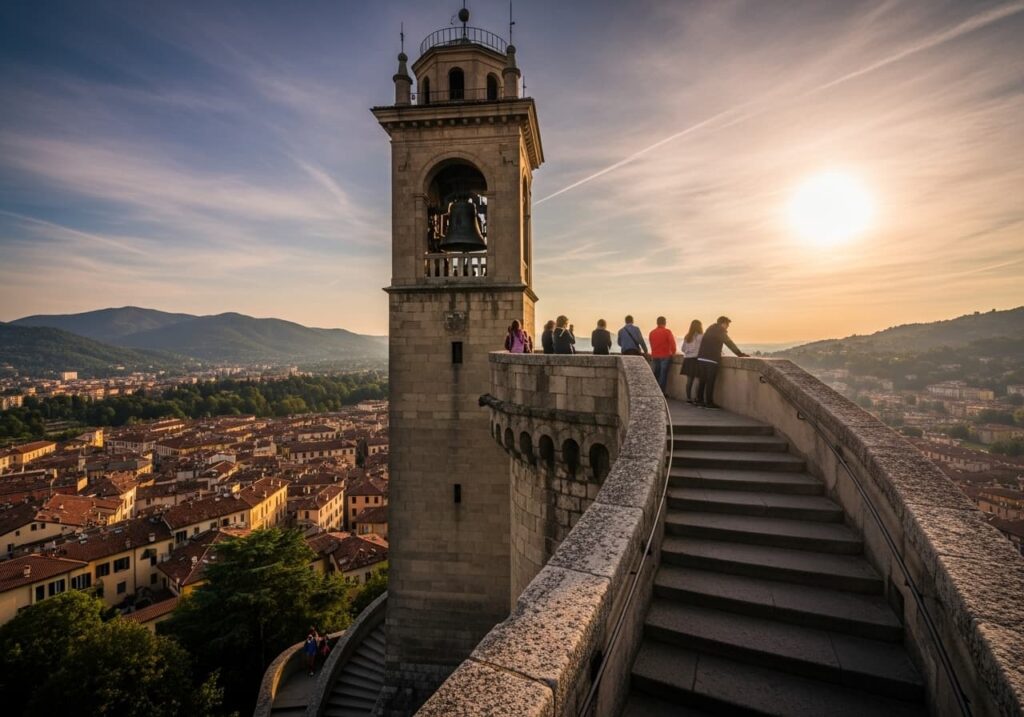
Rising 52 meters above Piazza Vecchia, the Torre Civica—affectionately called “Campanone” (big bell)—offers the most rewarding workout in Bergamo. This 12th-century tower has dominated the skyline for nearly 900 years, and climbing its 230 steps rewards you with panoramic views that photographers dream about.
The climb isn’t for everyone—the stone spiral staircase is narrow and steep—but reaching the top provides 360-degree vistas across terracotta rooftops, church spires, and the dramatic backdrop of the Alps. On clear days, you can spot Milan’s skyscrapers to the west and mountain peaks to the north. Time your visit for late afternoon when the light turns golden.
The tower is open daily with timed entry tickets to prevent overcrowding. Buy tickets at the base or online to skip lines during peak summer months. Every evening at 10 PM, the Campanone rings 100 times—a tradition dating to medieval curfew—so if you’re in the square, pause and experience this atmospheric moment. Children under 8 aren’t permitted to climb, and visitors with mobility issues should skip this one.
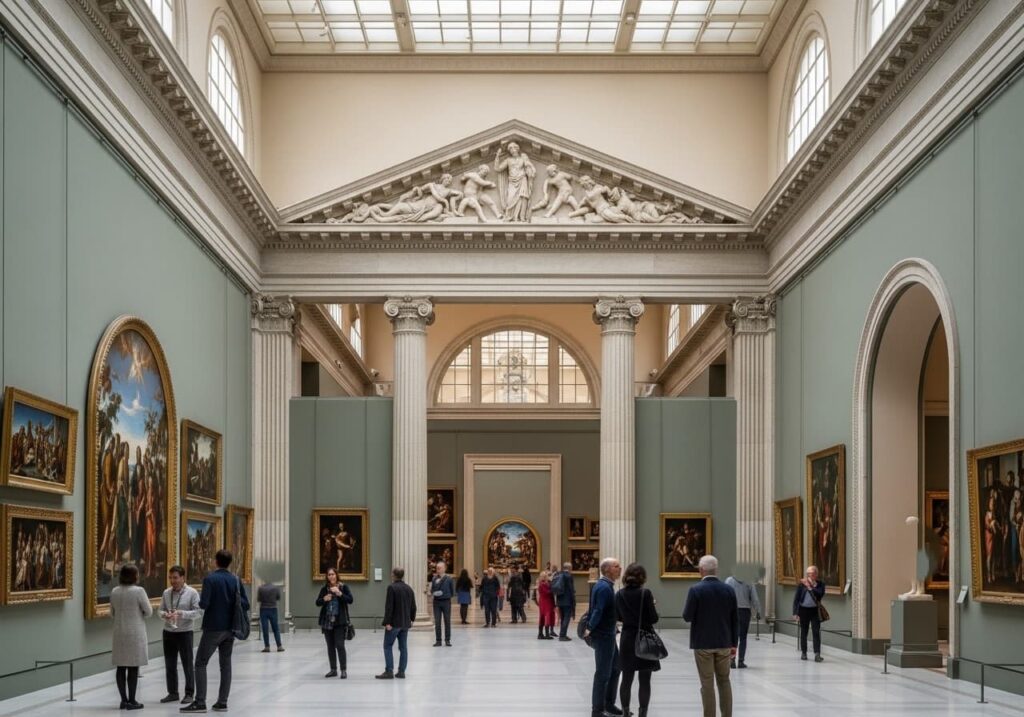
6. Tour the Accademia Carrara
Art lovers, rejoice: Bergamo’s Accademia Carrara ranks among Italy’s finest art museums yet somehow escapes the crushing crowds of Florence’s Uffizi or Rome’s Borghese. This intimate gallery houses an exceptional collection of Italian Renaissance and Baroque masterpieces in a beautifully restored neoclassical building.
The collection includes works by Botticelli, Raphael, Bellini, Titian, and Canaletto—names you’d travel anywhere to see. But the museum’s manageable size (about 600 works displayed across well-lit galleries) means you can actually appreciate each painting without museum fatigue. Don’t miss Bellini’s haunting “Madonna and Child” or Lorenzo Lotto’s penetrating portraits.
Located in Città Bassa, the Accademia reopened in 2015 after extensive renovations that modernized the space while respecting its historic character. Admission is affordable, and combination tickets with GAMeC offer excellent value. Audio guides provide context in multiple languages. Plan for two hours minimum, longer if you’re a serious art enthusiast. The museum café makes a lovely spot for mid-visit espresso.
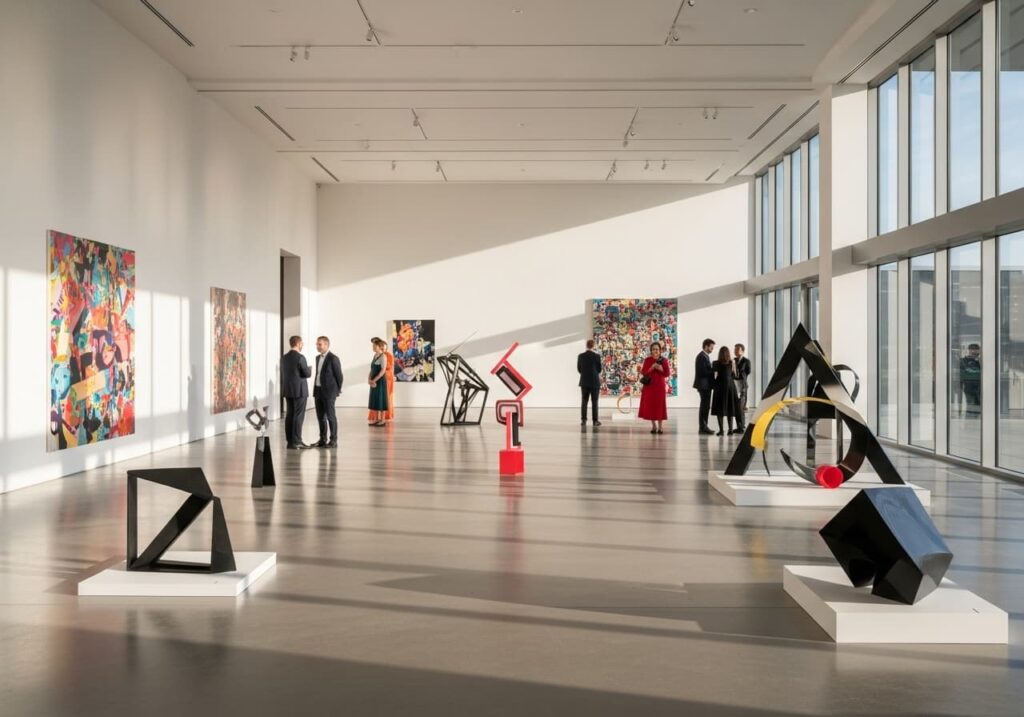
7. Visit GAMeC
Cross the street from the Accademia Carrara and you’ll discover its contemporary counterpart: GAMeC (Galleria d’Arte Moderna e Contemporanea). This dynamic museum proves Bergamo isn’t stuck in the Renaissance—the city embraces cutting-edge art with the same passion it preserves its medieval treasures.
GAMeC’s permanent collection focuses on Italian modern art from the 19th century forward, with particular strengths in Futurism and Arte Povera movements. But the rotating exhibitions are the real draw, featuring international contemporary artists in thought-provoking installations that spark conversation. Recent shows have included everything from video art to avant-garde photography.
The museum occupies a stunning 15th-century monastery that’s been sensitively adapted for modern use—the juxtaposition of ancient architecture and contemporary art creates fascinating dialogues. Admission is reasonable, and Wednesday evenings often feature extended hours with special events. Allow 90 minutes for the permanent collection, longer if there’s a temporary exhibition that catches your interest.
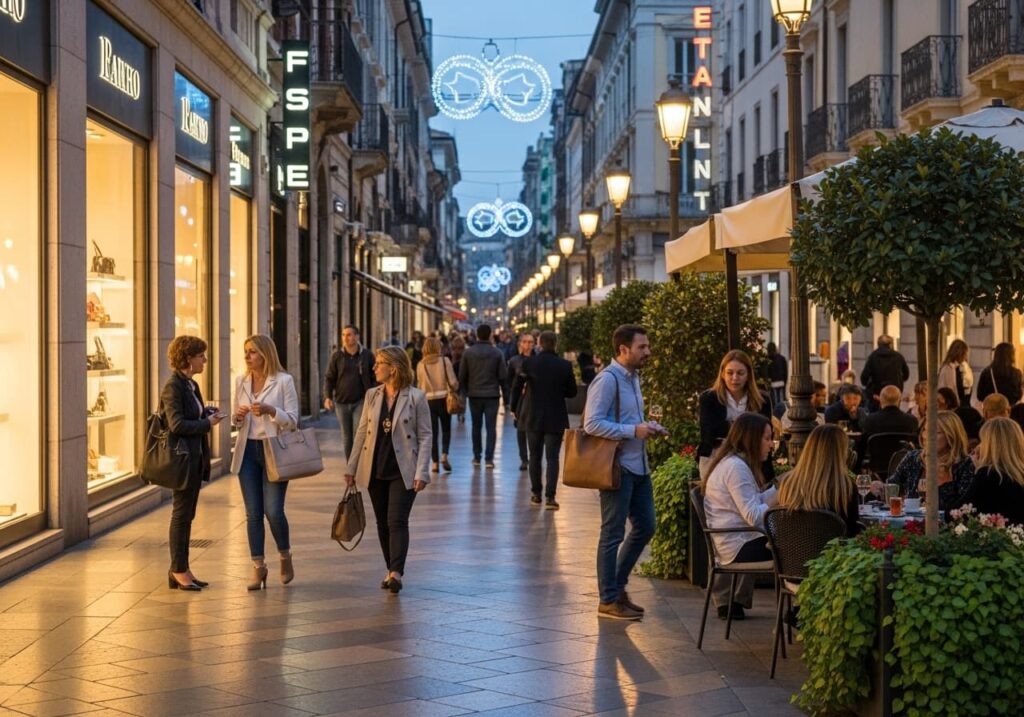
8. Stroll Via XX Settembre
When you need a break from museums and monuments, descend to Città Bassa and explore Via XX Settembre, Bergamo’s elegant shopping street that pulses with modern Italian life. This tree-lined boulevard stretches from the train station to the funicular, offering a perfect blend of retail therapy and people-watching.
The street mixes international chains with local boutiques, historic cafés with trendy bars, and traditional shops selling regional products you won’t find elsewhere. Pop into a salumeria for vacuum-packed bergamasque cheese to take home, or browse bookstores carrying English titles. The architecture impresses too—Liberty-style buildings and Art Deco facades line the street.
Via XX Settembre comes alive during the evening passeggiata, when locals dress up and stroll before dinner. Join them around 6 or 7 PM, grab an aperitivo at one of the outdoor cafés, and watch the parade. Sunday mornings see the street closed to traffic for the weekly market, where vendors sell everything from fresh produce to vintage clothing. It’s touristy in the best way—authentic yet accessible.

9. Try Casoncelli and Polenta
You haven’t truly experienced Bergamo until you’ve tasted its signature dishes, and that means casoncelli and polenta. These humble comfort foods define bergamasque cuisine and appear on every traditional menu in the city.
Casoncelli are half-moon ravioli stuffed with a mixture of meat, breadcrumbs, raisins, and amaretti cookies—an unexpected sweet-savory combination that tastes far better than it sounds. They’re traditionally dressed simply with melted butter, crispy pancetta, and sage, allowing the filling’s complex flavors to shine. Polenta, meanwhile, is creamy cornmeal cooked slowly until it reaches perfect consistency, often served with braised meats, wild mushrooms, or rich cheese.
For authentic versions, avoid tourist-trap restaurants around Piazza Vecchia and seek out neighborhood trattorias where locals eat. Oltrecielo in Città Alta offers refined takes on traditional dishes with spectacular views, while Ol Giopi e la Margi in the upper town serves hearty portions in rustic surroundings. Da Mimmo in Città Bassa is beloved by locals for its honest, generous cooking at fair prices. Make reservations, especially on weekends.
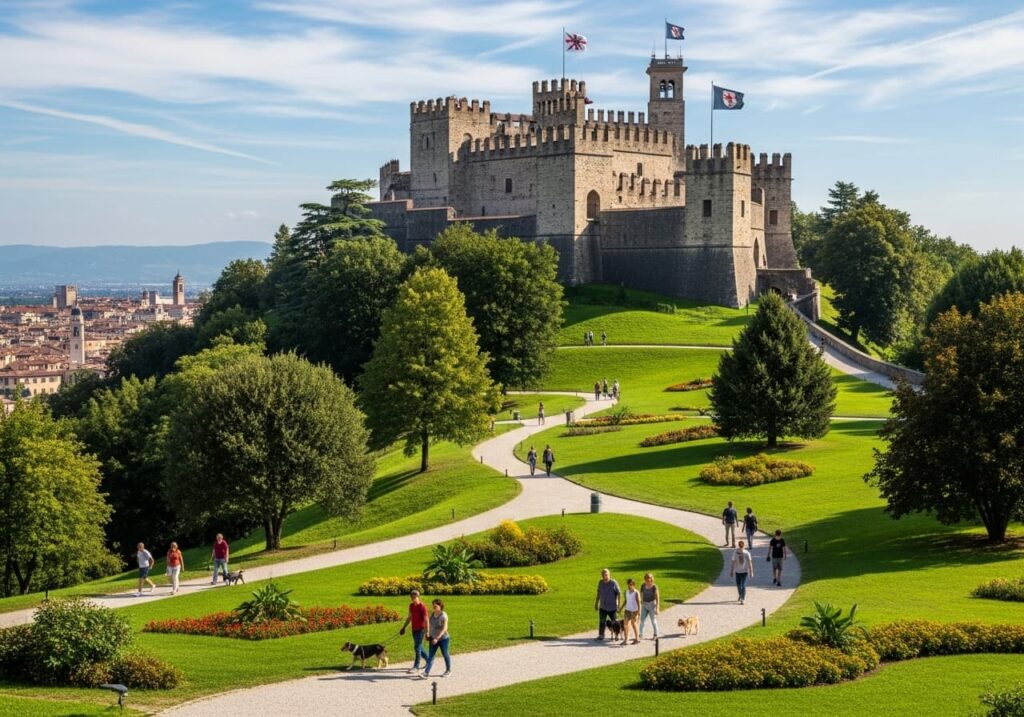
10. Visit the Rocca Fortress
Perched on the highest point of Città Alta, the Rocca fortress offers history, military museums, and views that justify the uphill walk. This 14th-century fortification was built by the Visconti rulers and later expanded by the Venetians, serving as Bergamo’s primary defense for centuries.
The fortress now houses the History Museum, with sections devoted to the Italian Risorgimento and both World Wars. Exhibits include weapons, uniforms, photographs, and personal artifacts that bring local history to life. But honestly, many visitors come primarily for the panoramic views from the fortress walls—you’ll overlook all of Bergamo with the Alps forming a dramatic backdrop.
The walk uphill from the center of Città Alta takes about 15 minutes via steep cobblestone lanes that wind through residential neighborhoods. Alternatively, catch bus number 1 if you’re feeling less ambitious. The fortress grounds are free to explore, with modest admission for the museum. Pack a picnic and enjoy it in the fortress gardens—locals do this all the time, especially on sunny weekends.
11. Explore San Vigilio Castle
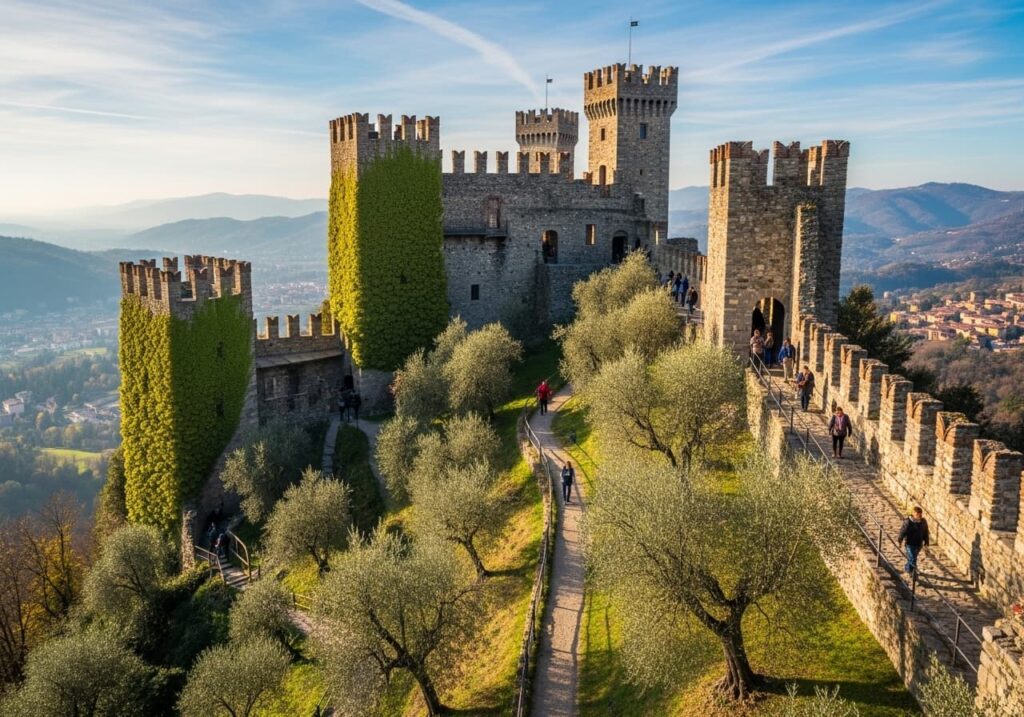
For the ultimate Bergamo viewpoint, continue beyond the Rocca to San Vigilio Castle, perched even higher at 496 meters. This hilltop fortress crowns the city’s highest point, and while less intact than the Rocca, it offers arguably the most spectacular panoramas in Bergamo.
The castle dates to the 6th century, though what remains today mostly comes from later Venetian renovations. You’ll find partial walls, towers, and underground passages to explore, all set among peaceful gardens where locals escape the tourist crowds. The true reward is standing at the highest point and seeing Bergamo spread below like a three-dimensional map, with the Po Valley extending to the horizon.
Reach San Vigilio via a second funicular that departs from Città Alta near the Rocca—the ride itself is an attraction, climbing through gardens and offering changing perspectives. Alternatively, walk the steep but scenic path (about 20 minutes from Piazza Vecchia). The castle grounds are free to wander. Visit late afternoon for the best light, or come for dinner at the excellent restaurant near the castle entrance.
12. Enjoy Sunset at Belvedere di San Vigilio
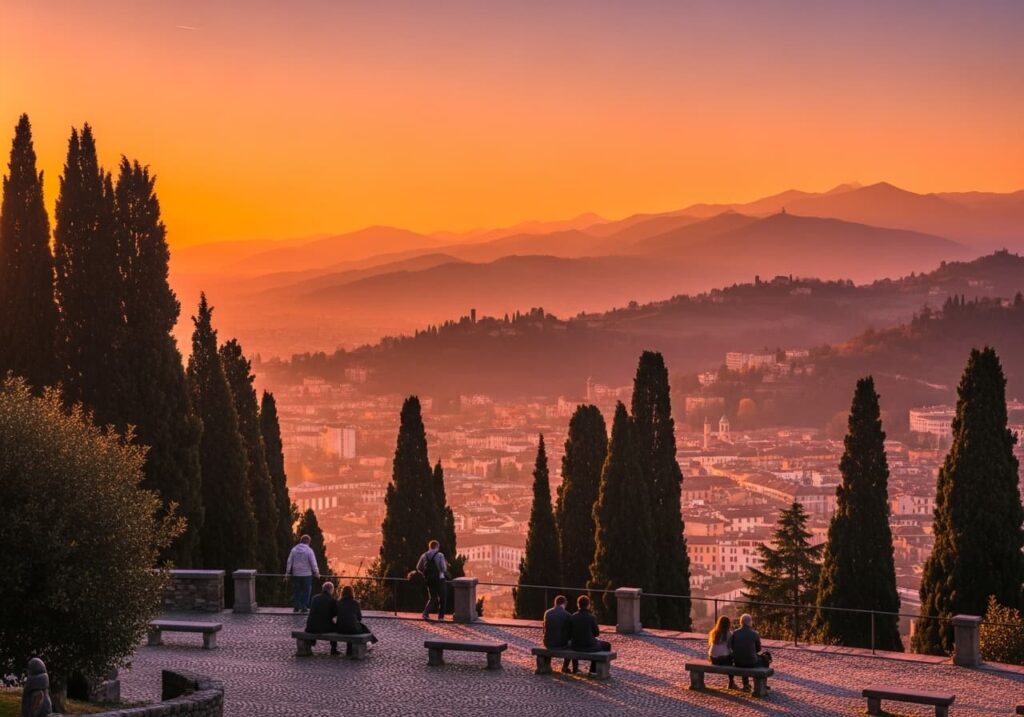
Cap your Bergamo exploration at the Belvedere di San Vigilio, a scenic terrace near the castle that transforms into pure magic during the golden hour. This peaceful spot draws couples, photographers, and anyone who appreciates nature’s nightly show performed against an unforgettable backdrop.
As the sun sinks toward the western horizon, watch it paint the Alps in shades of pink and gold while shadows lengthen across the valleys below. The city lights begin twinkling in Città Bassa, creating a romantic transition from day to night. Benches line the viewpoint, though many visitors spread blankets on the grass for impromptu sunset picnics.
The Belvedere sits just steps from the San Vigilio funicular station, making it easily accessible. Arrive 30 minutes before sunset to claim a good spot—locals know about this place, so summer evenings can get crowded. Bring a light jacket even in summer, as temperatures drop quickly at this elevation. For an extra-special experience, book dinner at Baretto di San Vigilio, where you can enjoy sunset views with an aperitivo or full meal featuring traditional bergamasque cuisine.
FAQs About Bergamo
How many days do I need in Bergamo? Two to three days is ideal for first-timers. This gives you time to explore Città Alta thoroughly, visit the main museums, enjoy leisurely meals, and maybe take a day trip to nearby Lake Iseo or Franciacorta wine region. However, Bergamo’s compact size means you can hit the highlights in a single packed day if time is limited.
Is Bergamo expensive to visit? Compared to Milan, Venice, or Florence, Bergamo offers excellent value. Accommodation and dining cost significantly less, many churches are free to enter, and museum admission is reasonable. Budget €60-80 per day for modest hotels and restaurants, or €100-150 for more comfortable travel. The biggest expense is often getting there.
What’s the best time to visit Bergamo? Spring (April-May) and fall (September-October) offer ideal weather, fewer crowds, and pleasant temperatures for walking. Summer brings warm weather and outdoor events but also peak tourist numbers. Winter is quiet and atmospheric, though some sights have reduced hours. Avoid visiting during Milan Fashion Week when hotels fill up and prices spike.
Do I need to speak Italian? While less English is spoken here than in major tourist cities, you’ll manage fine with basic courtesy phrases and translation apps. Restaurant staff and hotel workers generally speak some English, but learning a few Italian basics will enhance your experience and earn smiles from locals.
Is Bergamo safe for tourists? Very safe. Violent crime is rare, and the main concerns are pickpocketing in crowded areas and tourist scams. Use common sense—watch your belongings on the funicular and in busy piazzas, and avoid unlicensed taxi drivers at the airport. The streets are well-lit and comfortable to walk at night.
Can I visit Bergamo as a day trip from Milan? Absolutely, though you’ll wish you’d stayed longer. Trains run frequently between Milan Centrale and Bergamo (50 minutes), or you can drive in about 45 minutes depending on traffic. Start early to maximize your time, focus on Città Alta’s highlights, and accept you’ll need to return for a longer visit.
Conclusion
Bergamo rewards travelers who venture beyond Italy’s famous tourist trail with experiences that feel refreshingly authentic. From the thrill of ascending by funicular into a perfectly preserved medieval city to savoring casoncelli in a family trattoria where the recipe hasn’t changed in generations, this Lombardy gem delivers moments you’ll remember long after you’ve returned home.
Ready to experience Bergamo’s magic firsthand? Book your accommodation in either Città Alta for historic atmosphere or Città Bassa for modern convenience, and remember that the best discoveries often happen when you wander off the main routes. Give yourself time to simply sit in Piazza Vecchia with a coffee, walk the Venetian Walls at sunset, and trust that Bergamo’s charms reveal themselves to those who slow down enough to notice.
Join thousands of travelers who’ve discovered why Bergamo deserves more than a quick airport stopover. Share your own Bergamo experiences in the comments below, tag your photos with #BergamoDiscovered, or connect with fellow travelers planning their first visit. This hidden treasure of northern Italy is waiting for you—and it won’t stay hidden much longer.