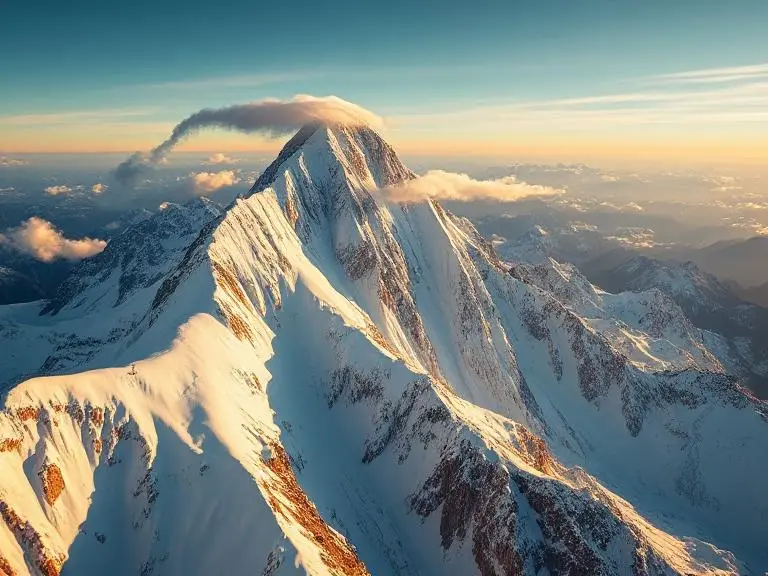
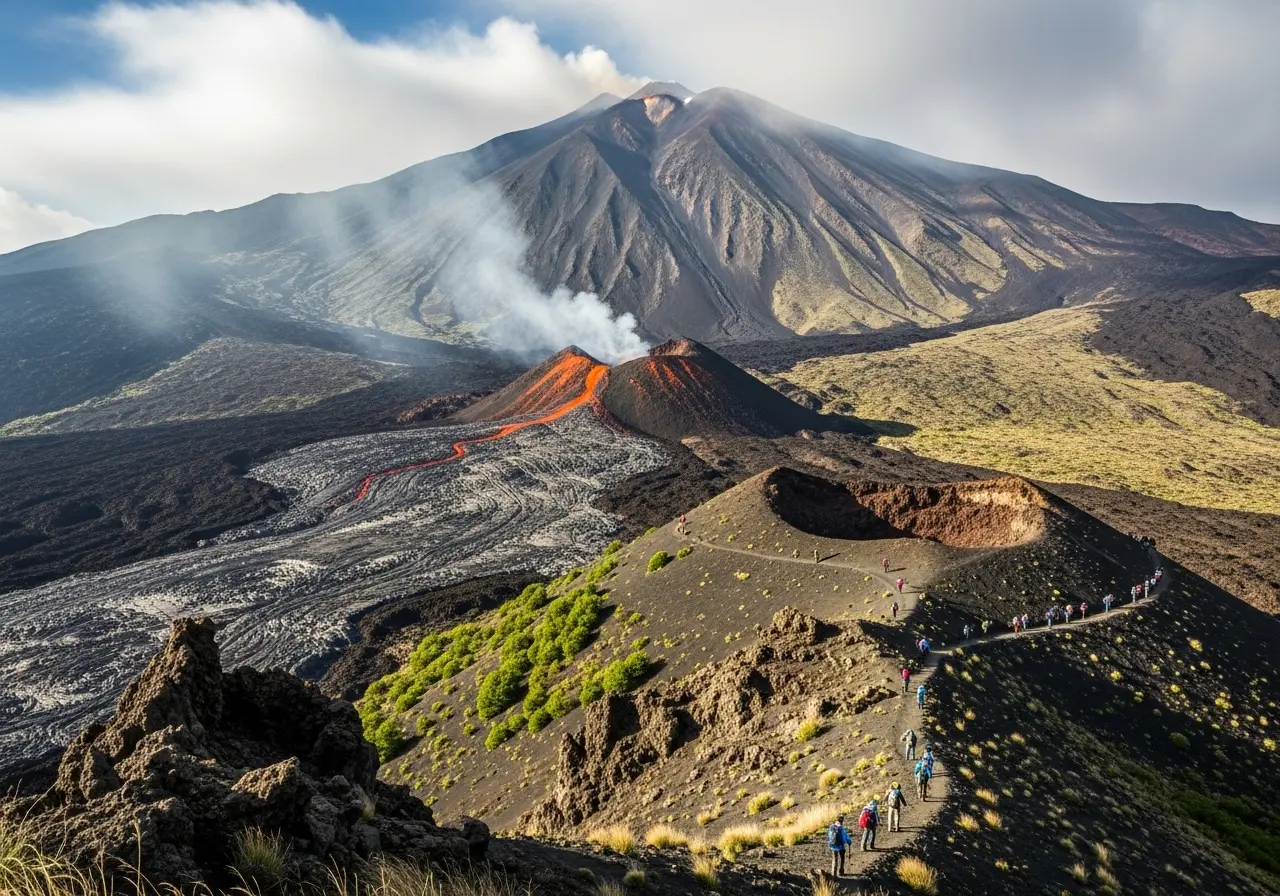
12 Monte Etna Highlights You Can’t Miss
Introduction
Picture this: you’re standing at the base of Europe’s most active volcano, guidebook in hand, wondering if you’ll actually get to experience the real Monte Etna or just end up at another overcrowded tourist trap. The fear of missing out on authentic experiences while wasting precious vacation time is real, especially when traveling to a destination as unique and dynamic as Sicily’s volcanic giant.
Here’s the truth: Monte Etna offers far more than just smoking craters. From otherworldly lava landscapes to unexpected beach escapes, award-winning wines to thrilling winter sports, this UNESCO World Heritage site delivers experiences that will redefine what you thought a volcano visit could be. As someone who has spent years exploring Sicily’s volcanic terrain and guiding travelers through its most spectacular corners, I’ve curated this definitive list to ensure you don’t miss a single extraordinary moment.
In this guide, you’ll discover the top 12 highlights that showcase Monte Etna’s incredible diversity, practical tips for visiting each location, and insider knowledge that only comes from firsthand experience. Whether you’re an adventure seeker, culture enthusiast, or simply curious about one of the world’s most fascinating natural wonders, you’re about to unlock the full potential of your Monte Etna adventure.
Table of Contents
Why You Should Visit Monte Etna
Monte Etna isn’t just a volcano—it’s a living, breathing testament to nature’s raw power and Sicily’s enduring spirit. This magnificent mountain offers a rare combination of accessibility, cultural richness, and natural diversity that few destinations on Earth can match.
The cultural significance of Monte Etna runs deep through Sicilian identity. For millennia, communities have lived in harmony with this temperamental giant, developing unique traditions, cuisines, and agricultural practices shaped by volcanic soil. The mountain’s influence extends beyond geology into mythology, art, and daily life, creating an authentic cultural experience that goes far beyond typical sightseeing.
Convenience is another compelling reason to visit. Unlike many volcanic destinations that require multi-day expeditions or specialized permits, Monte Etna is remarkably accessible. Located just 30 minutes from Catania’s international airport and well-connected by roads, the volcano welcomes visitors of all fitness levels. Whether you prefer guided tours, cable car rides, or independent hiking, you’ll find options that suit your comfort level and schedule.
The variety of experiences available around Monte Etna is truly staggering. Within a single day, you can explore lunar-like craters, descend into underground lava tubes, sample wines grown in volcanic soil, and relax at a Mediterranean beach. The mountain’s different slopes and elevations create microclimates and ecosystems that range from lush forests to barren lava fields, offering photographers, nature lovers, and adventure seekers endless opportunities for discovery.
From winter skiing to summer stargazing, from wine routes to wilderness treks, Monte Etna delivers year-round appeal. The volcano’s ongoing activity adds an element of unpredictability and excitement—this isn’t a museum piece but a dynamic force of nature that continues to shape the landscape and captivate visitors from around the world.
12 Monte Etna Highlights You Can’t Miss
1. Summit Craters with Panoramic Lunar-Like Landscapes
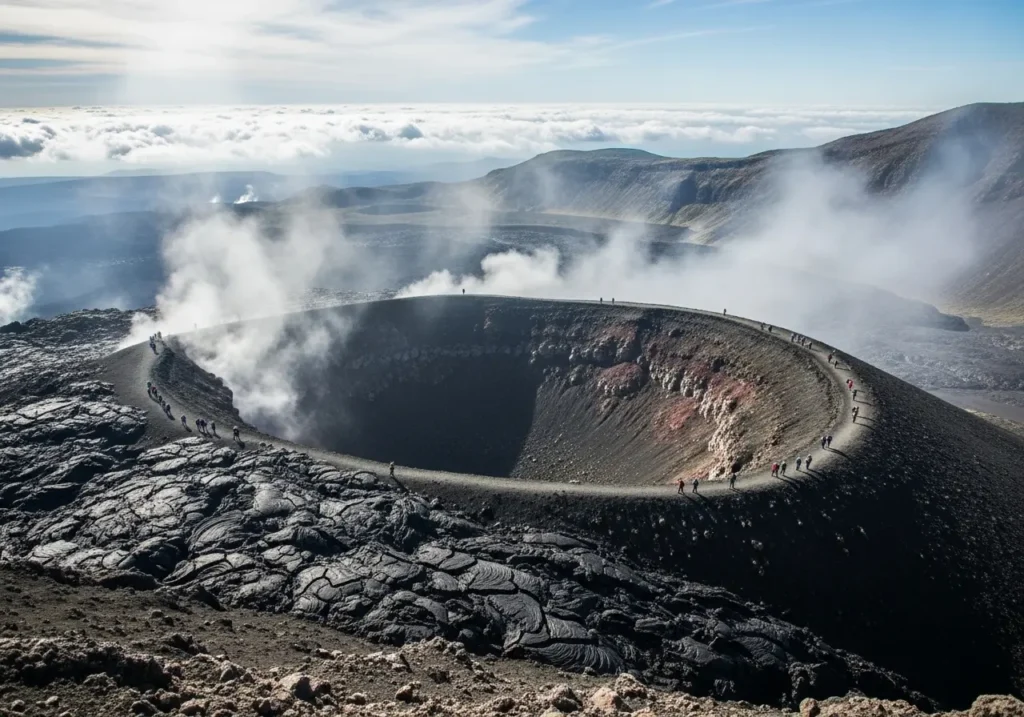
The summit craters of Monte Etna represent the ultimate volcanic experience. Standing at approximately 3,300 meters above sea level, these active vents offer breathtaking panoramic views that stretch across Sicily to the Mediterranean Sea and the Calabrian coast. The landscape here is utterly alien—ash fields, steaming fumaroles, and solidified lava flows create a terrain that resembles the surface of another planet.
Access to the summit requires a certified guide due to ongoing volcanic activity and safety concerns. Tours typically combine a cable car ride with a 4×4 vehicle ascent, followed by a guided trek to the crater rim. The thin air, sulfurous gases, and dramatic temperature changes add to the otherworldly experience. Sunrise and early morning tours offer the clearest visibility and most dramatic lighting, though the summit can be visited year-round, weather and volcanic activity permitting.
2. Silvestri Craters Near Rifugio Sapienza
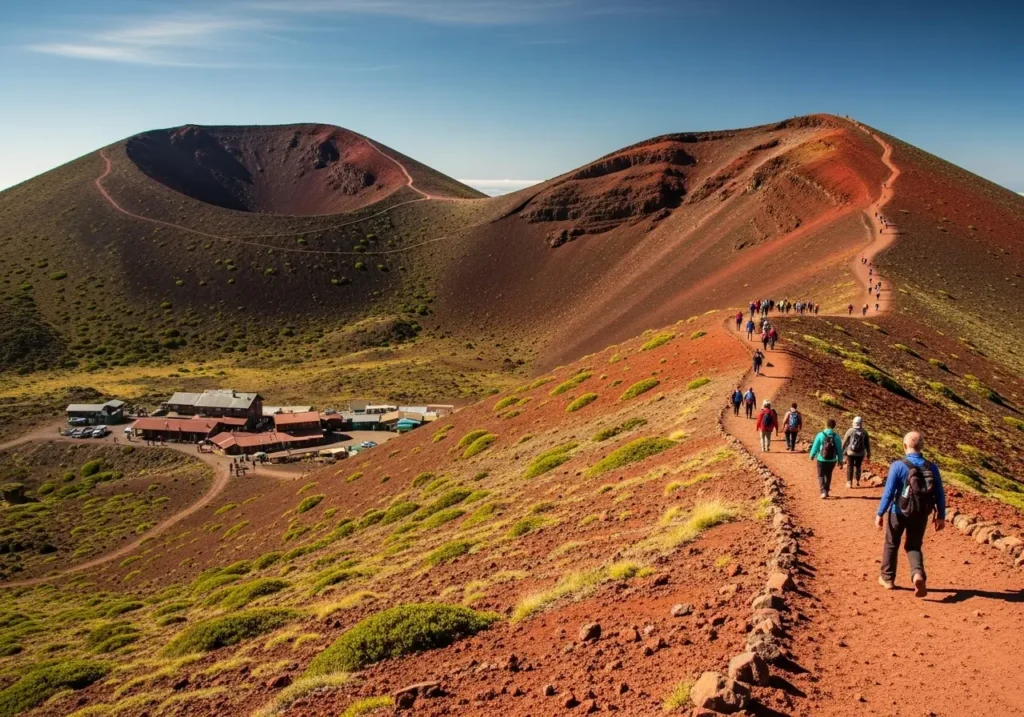
The Silvestri Craters provide an accessible introduction to Monte Etna’s volcanic features without requiring summit-level fitness or specialized tours. Located at approximately 1,900 meters elevation near the Rifugio Sapienza mountain station, these extinct craters formed during the 1892 eruption and now offer easy walking paths around their rims.
The site serves as the southern approach to Monte Etna and features visitor facilities including restaurants, souvenir shops, and the lower cable car station. The craters themselves are beautifully symmetrical, with colorful volcanic rocks and vegetation gradually reclaiming the slopes. This location is perfect for families, casual hikers, or anyone wanting to experience volcanic terrain without extreme exertion. The panoramic views encompass both the summit area above and the valleys below, making it an ideal spot for photography.
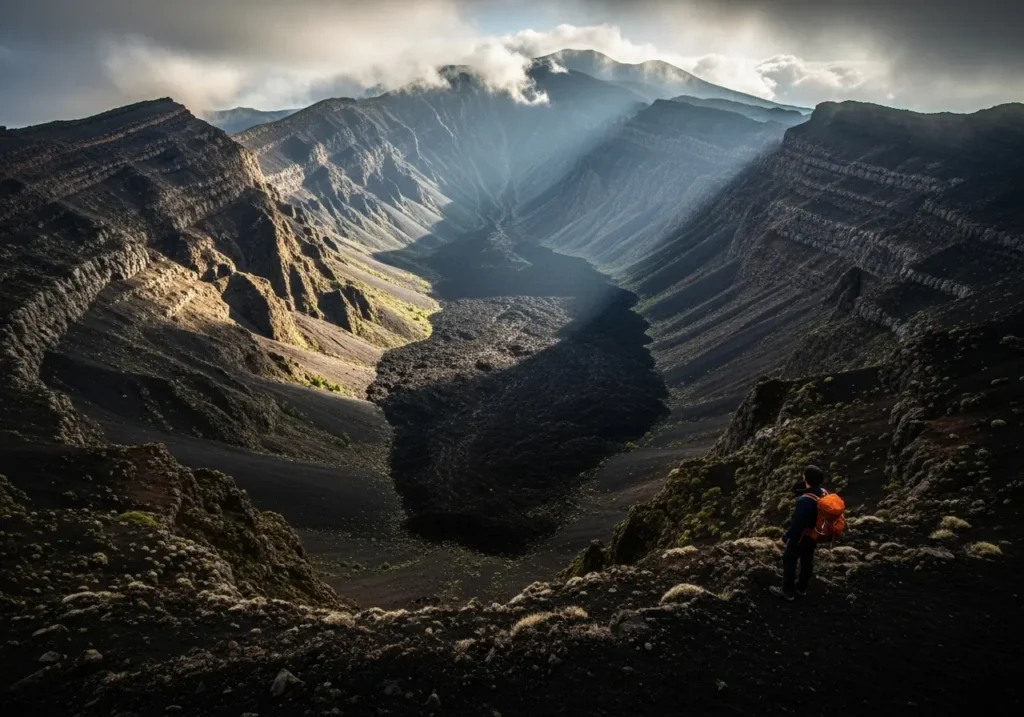
3. Valle del Bove: The Vast Volcanic Depression
Valle del Bove is a massive horseshoe-shaped depression on Monte Etna’s eastern flank, measuring approximately 7 kilometers wide and 1,000 meters deep. This dramatic geological feature formed through a series of collapses over thousands of years, creating one of the volcano’s most visually stunning landscapes. The valley walls expose layers of lava flows and volcanic material, providing a cross-section through Etna’s eruptive history.
Several viewpoints offer spectacular perspectives into Valle del Bove, with the Schiena dell’Asino being particularly popular among hikers. The scale of this natural amphitheater is difficult to comprehend until you’re standing at its edge, watching clouds drift through the valley below while the summit looms above. Recent lava flows often channel through this depression, and you may witness active flows during periods of heightened volcanic activity. The area is accessible via hiking trails of varying difficulty, with guided tours available for those seeking expert interpretation of the geological features.
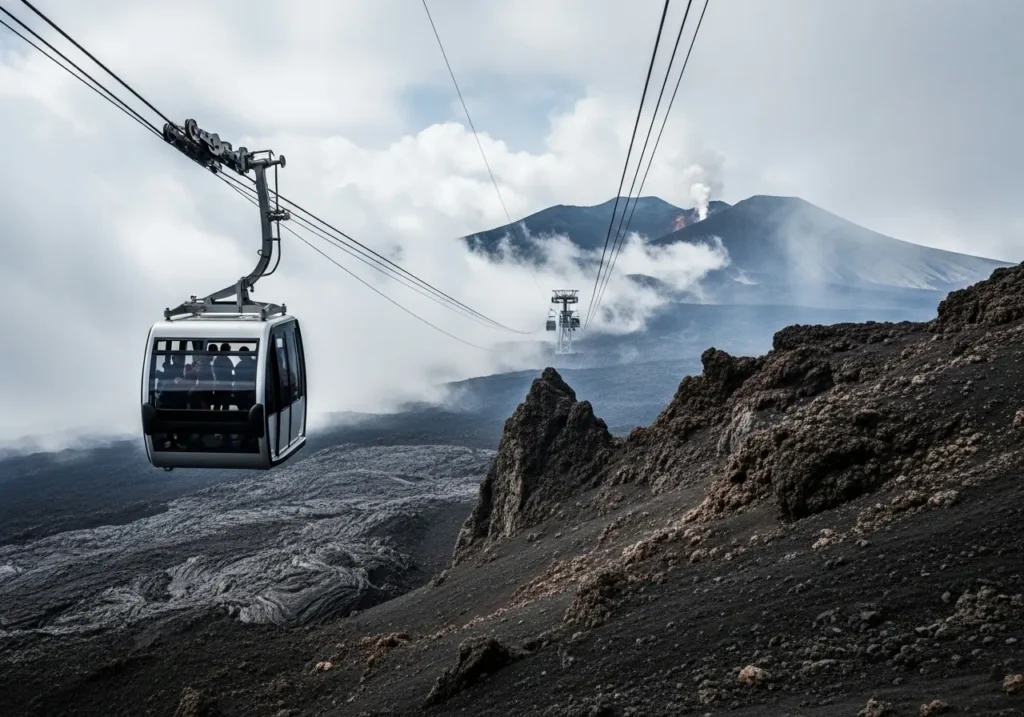
4. Cable Car Ride from the Southern Slope
The Funivia dell’Etna cable car offers a thrilling and effortless way to ascend Monte Etna’s southern slope, climbing from Rifugio Sapienza at 1,900 meters to approximately 2,500 meters in just 15 minutes. This engineering marvel provides panoramic views as you rise above the tree line into increasingly barren volcanic landscapes.
The cable car operates year-round, weather permitting, and serves as the first stage for summit expeditions as well as a destination in itself. From the upper station, you can explore the surrounding area on foot, visit the small observatory, or continue to higher elevations via 4×4 tours. The ride is suitable for all ages and abilities, making it an excellent option for families or visitors with mobility concerns. The changing perspective during ascent highlights Monte Etna’s different ecological zones and provides countless photo opportunities.
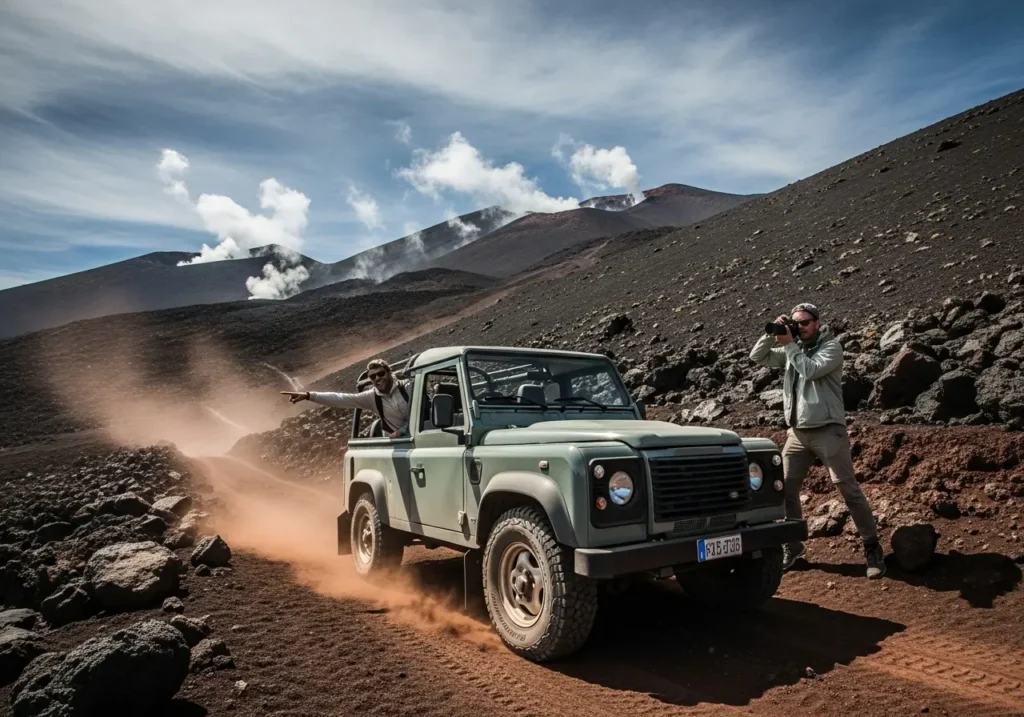
5. Guided 4×4 Excursion to Higher-Altitude Zones
For those seeking adventure beyond the cable car’s reach without committing to summit climbing, guided 4×4 excursions offer the perfect middle ground. These specialized off-road vehicles navigate rough volcanic tracks to reach areas around 2,900-3,000 meters, significantly higher than most visitors experience.
Tours typically last 2-4 hours and include stops at recent lava flows, secondary craters, and viewpoints inaccessible by regular vehicles. Expert guides provide geological insights, safety briefings, and historical context while navigating terrain that ranges from smooth volcanic sand to rugged lava rock. The experience combines comfort with adventure—you’ll explore extreme environments without extreme physical demands. Many operators offer combined packages that include the cable car, 4×4 transport, and guided trekking for a comprehensive volcanic experience.
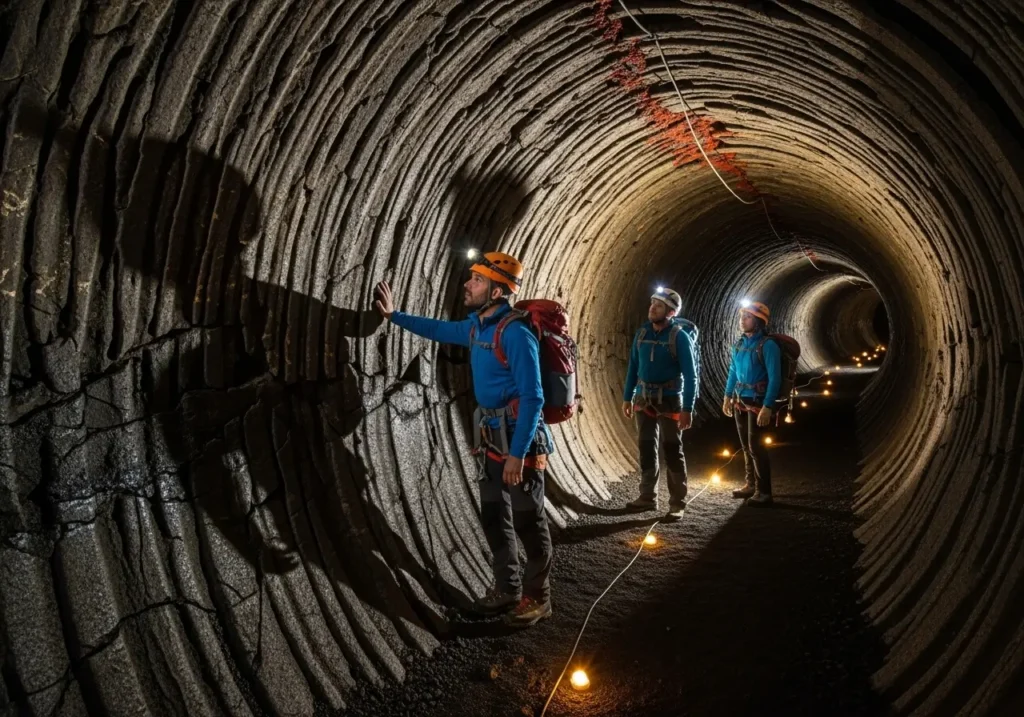
6. Lava Tube Exploration at Grotta dei Lamponi
Descending into a lava tube offers a completely different perspective on Monte Etna’s volcanic processes. Grotta dei Lamponi (Raspberry Cave), formed when the surface of a lava flow cooled while molten rock continued flowing beneath, creates a subterranean tunnel with fascinating geological features.
The cave extends approximately 700 meters and features smooth, rippled walls that showcase the movement of ancient lava. Stalactites formed from re-melted minerals hang from the ceiling, while the floor’s undulating surface reveals where the final lava drained away. Tours require helmets and flashlights and involve some scrambling over uneven surfaces, making them moderately physical. The constant cool temperature provides relief during summer visits, and the complete darkness deep within the cave creates an unforgettable sensory experience. Multiple lava tube tour options exist around Monte Etna, with Grotta dei Lamponi being among the most accessible and impressive.
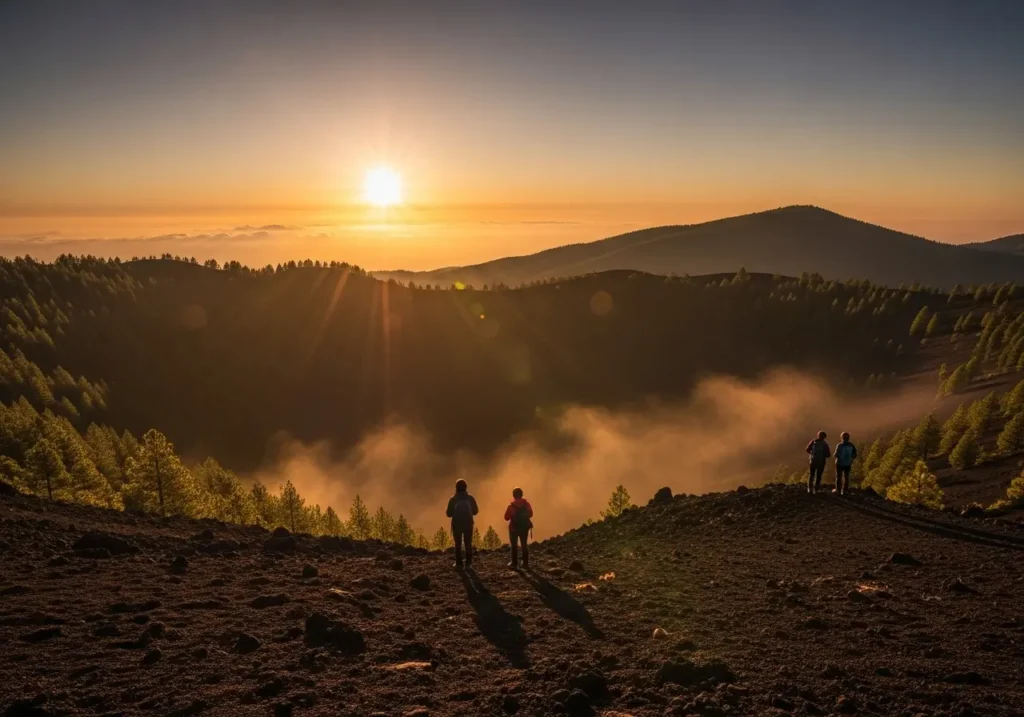
7. Sunset Views from the Sartorius Craters
The Sartorius Craters, formed during the 1865 eruption on Monte Etna’s northeastern flank, offer one of the mountain’s most accessible and rewarding hiking experiences. A well-maintained nature trail loops through this chain of extinct craters, providing close-up views of volcanic formations and surrounding forests.
What makes Sartorius truly special is the sunset experience. As daylight fades, the volcanic landscape transforms, with shadows accentuating the craters’ contours and the lowering sun painting the sky in spectacular colors. The relatively low elevation (around 1,700 meters) means comfortable temperatures and less demanding hiking compared to higher-altitude destinations. The trail is well-marked and suitable for families, typically taking 1-2 hours to complete. Birch forests surrounding the craters add unexpected greenery to the volcanic scenery, demonstrating nature’s resilience. Photographers particularly appreciate the dramatic lighting conditions and diverse compositional opportunities.
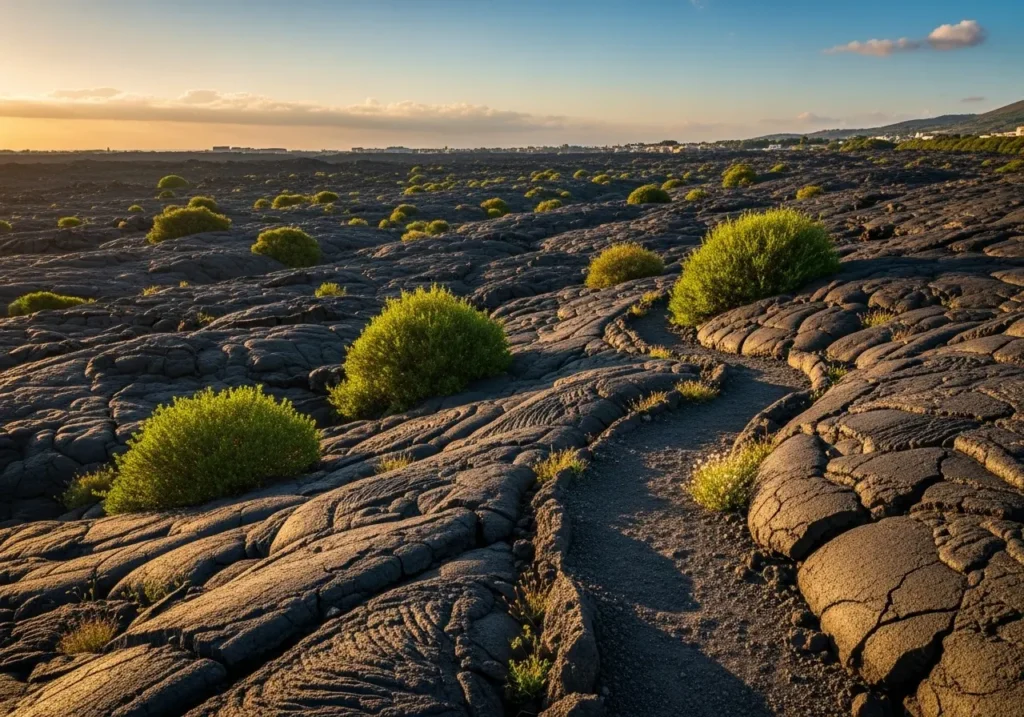
8. Historic Lava Flows Near Nicolosi
The town of Nicolosi sits on Monte Etna’s southern flank and serves as a gateway to exploring the volcano’s impact on human settlements. Historic lava flows from various eruptions have repeatedly threatened and occasionally destroyed parts of this area, creating a landscape where human habitation and volcanic activity intersect dramatically.
Walking among solidified lava flows that once threatened homes provides sobering perspective on living with an active volcano. The contrast between fertile agricultural land and barren lava rock often occurs within meters, illustrating how quickly eruptions transform the landscape. Several marked trails near Nicolosi allow visitors to safely explore recent and historic flows, with informative signs explaining eruption dates and impacts. The town itself offers excellent restaurants featuring local cuisine, accommodations ranging from budget to luxury, and museums dedicated to volcanic history. Nicolosi serves as an ideal base for exploring Monte Etna, combining convenience with authentic Sicilian character.

9. Wine Tasting Along the Etna Wine Route
Monte Etna’s volcanic soil creates exceptional conditions for viticulture, producing wines with distinctive mineral characteristics and remarkable complexity. The designated Etna Wine Route connects numerous wineries across the volcano’s slopes, offering tastings, tours, and culinary experiences that showcase this unique terroir.
Indigenous grape varieties like Nerello Mascalese and Carricante thrive in the mineral-rich soil and significant temperature variations between day and night. The resulting wines have gained international acclaim, with Etna DOC classifications representing some of Sicily’s finest production. Many wineries occupy historic properties with cellars carved from volcanic rock, adding atmospheric charm to tasting experiences. Beyond wine, these estates often produce olive oil, honey, and other local specialties, making visits a comprehensive introduction to Etna’s agricultural bounty. The combination of volcanic landscapes, historic architecture, and world-class wines creates an unforgettable cultural and gastronomic experience. Guided tours are available, or visitors can independently explore using the wine route map.
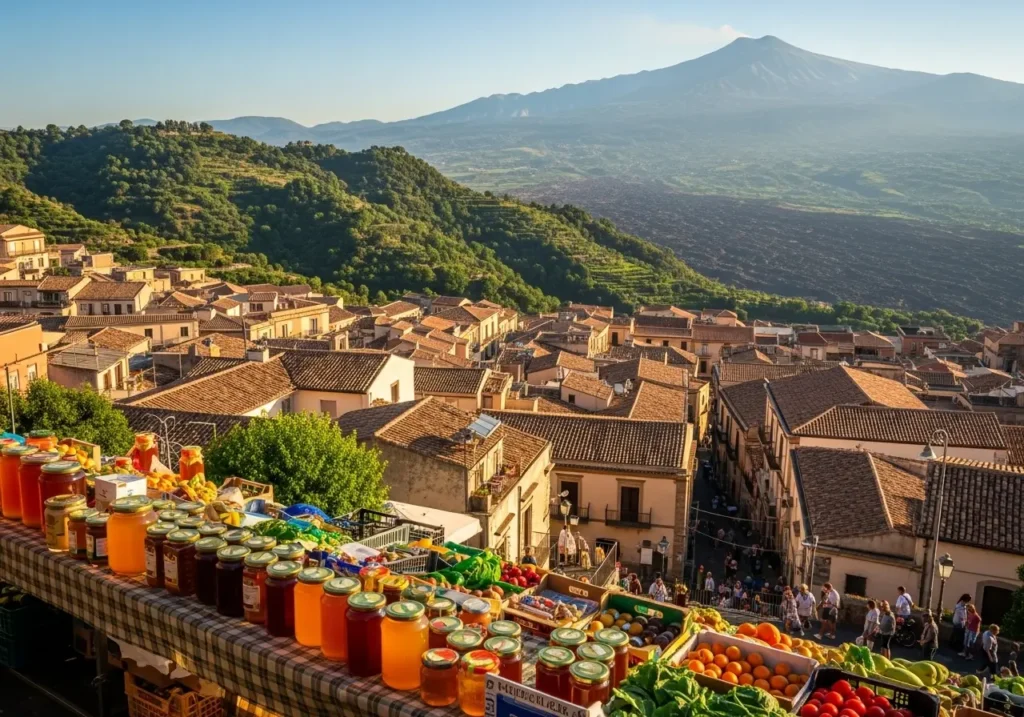
10. Zafferana Etnea: Known for Honey and Views
Perched on Monte Etna’s eastern slope at approximately 600 meters elevation, Zafferana Etnea offers a perfect blend of natural beauty, local culture, and culinary traditions. This charming town is renowned throughout Sicily for its exceptional honey production, with local beekeepers harvesting varieties influenced by the diverse volcanic flora.
The town’s main street features numerous shops selling honey, nougat, pastries, and other local products, making it a delightful destination for food enthusiasts. Several honey producers offer tours and tastings, explaining how volcanic biodiversity creates unique flavors. Beyond culinary attractions, Zafferana Etnea provides spectacular views across the Ionian coast and serves as a starting point for hiking trails into Monte Etna’s forests and volcanic landscapes. The town’s position on the volcano’s more verdant eastern slope contrasts beautifully with the barren higher elevations, showcasing Etna’s ecological diversity. Annual festivals celebrating honey and autumn products bring authentic local culture to life, offering visitors insight into traditional Sicilian life shaped by the volcano’s presence.
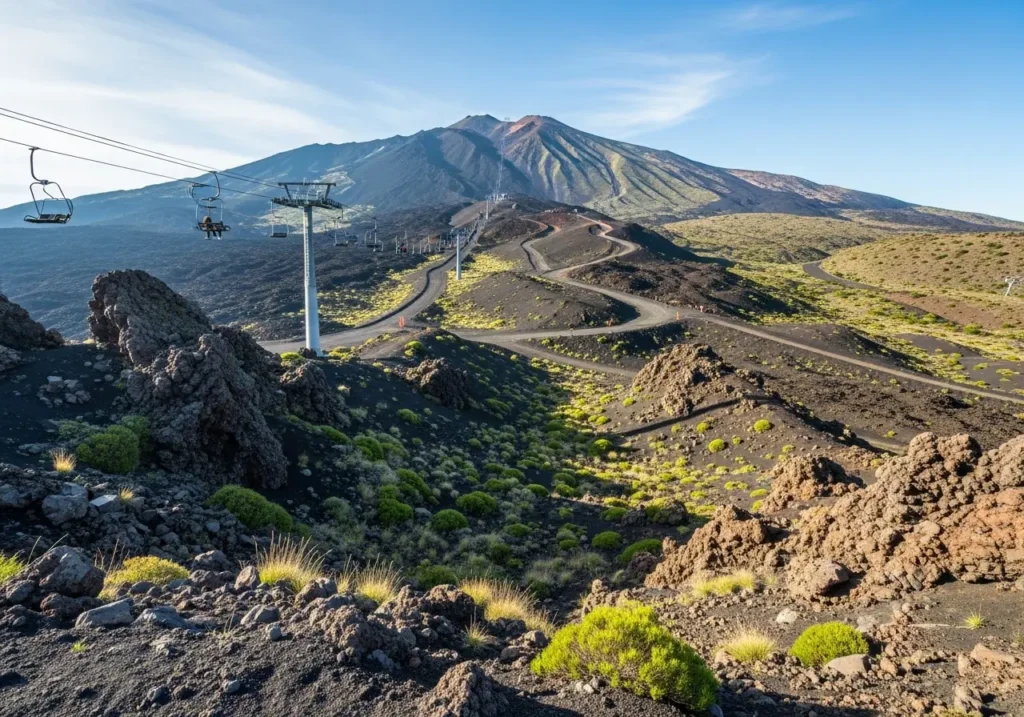
11. The Rugged Northern Slope at Piano Provenzana
Piano Provenzana represents Monte Etna’s wilder northern face, where the volcano’s character differs markedly from the more developed southern approach. This area experienced significant destruction during the 2002 eruption, with lava flows consuming tourist facilities and forests. The rebuilding has been modest, preserving a more rugged and authentic volcanic atmosphere.
The northern slope offers different geological features, vegetation patterns, and perspectives compared to southern routes. Fewer crowds mean more solitude for hikers and nature enthusiasts, while the landscape’s raw power is more immediately apparent. Recent lava flows remain clearly visible, with signs explaining the 2002 eruption’s progression. Winter transforms Piano Provenzana into a ski area, with runs descending through volcanic terrain—truly a unique combination. The area serves as a base for summit attempts via the northern route and provides access to several crater chains and lava caves. Visitor facilities include a modest ski lodge, equipment rentals, and guide services. The drive to Piano Provenzana through forests and past volcanic features is scenic and less trafficked than southern approaches.
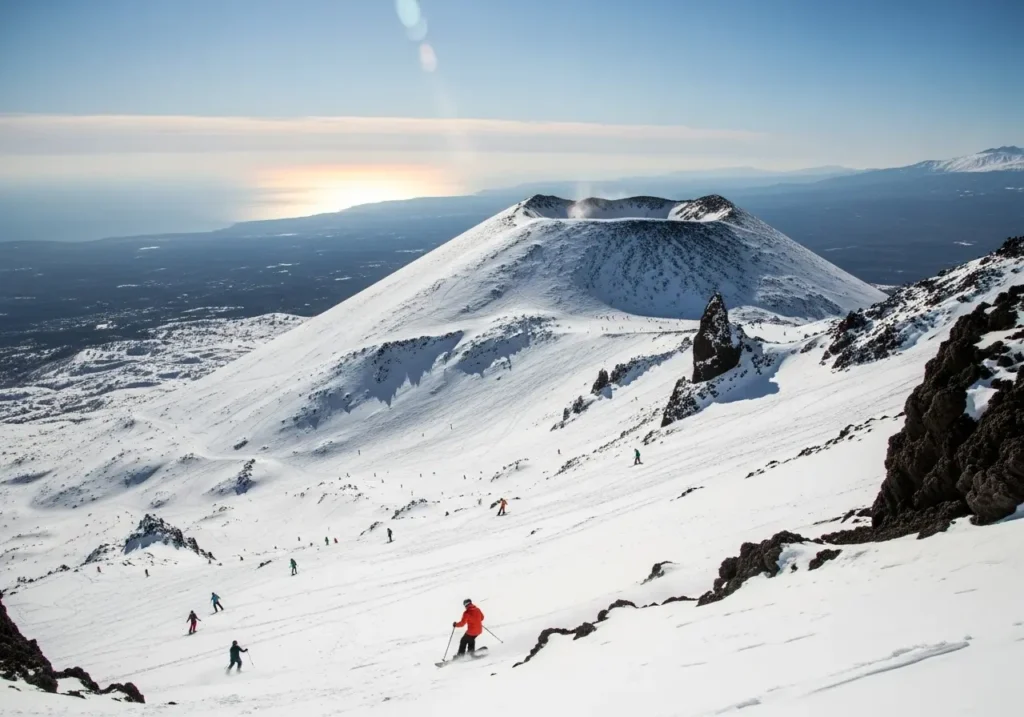
12. Winter Skiing or Snowboarding on the Volcano’s Slopes
Few places on Earth offer the opportunity to ski down an active volcano with Mediterranean views extending to the horizon. Monte Etna’s ski areas operate from approximately December through March, snow conditions permitting, providing a surreal winter sports experience unlike any traditional alpine resort.
The southern slope’s Nicolosi-Etna Sud area and northern slope’s Piano Provenzana both feature ski lifts, equipment rentals, and runs suitable for various ability levels. Snow quality depends on elevation and conditions, with higher slopes offering the most reliable coverage. The volcanic landscape creates a dramatic backdrop for skiing, with black lava rocks contrasting against white snow and occasional volcanic steam rising from fumaroles.
Après-ski culture here focuses on Sicilian cuisine and wine rather than typical mountain resort fare, adding authentic local flavor to the experience. While facilities are more modest than major European ski destinations, the novelty of skiing a volcano and the absence of crowds appeal to adventurous winter sports enthusiasts. Combining a day of skiing with volcano exploration and wine tasting creates a uniquely Sicilian winter adventure.
Bonus: San Terenzo Beach
While not on the volcano itself, San Terenzo Beach near Lerici represents the remarkable diversity of experiences available in the Monte Etna region. After days exploring volcanic landscapes, the Mediterranean coastline offers relaxation and a different perspective on the area’s natural beauty. The contrast between mountain and sea, volcanic rock and sandy beaches, encapsulates the multifaceted character of this extraordinary corner of Sicily. The beach provides an ideal complement to volcanic adventures, allowing visitors to experience the full range of what this dynamic region offers.
FAQs About Monte Etna
Is Monte Etna safe to visit?
Yes, Monte Etna is safe to visit when following official guidelines and respecting restricted areas. The volcano is constantly monitored by the National Institute of Geophysics and Volcanology (INGV), which issues warnings if activity increases. Tour operators and park authorities adjust access based on current conditions. Lower-elevation areas remain safe even during increased activity, while summit access may be temporarily restricted. Always check current volcanic activity status before planning summit excursions and book with licensed guides who prioritize safety.
When is the best time to visit Monte Etna?
Monte Etna offers year-round appeal with seasonal variations. Spring (April-June) and fall (September-October) provide ideal conditions with comfortable temperatures, clear visibility, and fewer crowds. Summer (July-August) is warmest and busiest, with excellent weather but potential haze affecting views. Winter (December-March) brings snow to higher elevations, enabling skiing but limiting summit access for casual visitors. Early morning visits any season offer the best visibility and lighting for photography. Consider your priorities—skiing, hiking, wine harvest festivals, or avoiding crowds—when selecting your visit timing.
How long does it take to visit Monte Etna?
A basic visit to lower-elevation sites like Silvestri Craters requires 2-3 hours minimum. Adding a cable car ride extends this to 4-5 hours. Summit excursions typically consume a full day (8-10 hours) including transportation. Comprehensive experiences combining multiple highlights—wine tasting, lava caves, and crater visits—benefit from 2-3 days. Many visitors split their time between intensive volcano exploration and cultural/culinary experiences in surrounding towns. Half-day tours are available from Catania and Taormina, though full-day excursions provide more thorough experiences.
What should I wear when visiting Monte Etna?
Dress in layers regardless of season, as temperatures drop significantly with elevation. Even in summer, bring a warm jacket for higher altitudes where temperatures can be 15-20°C cooler than sea level. Sturdy hiking boots or shoes with good grip are essential, as volcanic terrain is rough and uneven. Sunscreen, sunglasses, and hats protect against intense sun exposure at altitude. For summit attempts, pack windproof and waterproof outer layers. Winter visits require proper cold-weather gear. Lava cave exploration requires long pants and closed-toe shoes. Avoid sandals, flip-flops, or any open footwear anywhere on the volcano.
Can I visit Monte Etna independently or do I need a tour?
Lower-elevation areas including Silvestri Craters, Rifugio Sapienza, and several marked hiking trails are accessible independently with your own vehicle. The cable car operates as a public service requiring only a ticket purchase. However, summit access and zones above 2,900 meters require certified guides by law due to safety concerns. Guided tours offer significant advantages even in accessible areas—expert geological interpretation, transportation logistics, and insider knowledge enhance the experience considerably. Many visitors combine independent exploration of lower areas with guided tours for summit or specialized experiences like lava caves.
Are there accommodations near Monte Etna?
Numerous accommodation options exist around Monte Etna, from luxury hotels to agriturismos (farm stays). Towns like Nicolosi, Zafferana Etnea, Linguaglossa, and Randazzo offer convenient bases with restaurants and services. Mountain refugios provide basic accommodations at higher elevations for early summit attempts. Many wineries offer guest rooms combining volcano access with wine country ambiance. Catania and Taormina, while farther from the volcano, provide extensive accommodation options and easy day-trip access. Booking in advance is recommended, especially during peak season and winter ski periods.
Conclusion
Monte Etna stands as one of the world’s most accessible and diverse volcanic destinations, offering experiences that extend far beyond the stereotypical image of a smoking mountain. From lunar-like summit craters to verdant wine country, underground lava tubes to Mediterranean beaches, winter skiing to sunset hikes, this remarkable volcano delivers extraordinary variety within a remarkably compact area.
The 12 highlights detailed in this guide represent just the beginning of what Monte Etna offers curious travelers. Each visit reveals new perspectives on this living, breathing natural wonder—a force of nature that has shaped Sicilian culture, agriculture, and identity for millennia while continuing to surprise and inspire visitors from around the world.
Ready to experience Monte Etna’s magic firsthand? Start planning your volcanic adventure today by researching tour operators, checking current volcanic activity status, and booking accommodations in your preferred base town. Whether you’re seeking adrenaline-pumping summit climbs, serene wine country explorations, or cultural immersion in volcano-side communities, Monte Etna awaits with experiences you’ll treasure forever. Don’t just read about Europe’s most active volcano—stand on its slopes, taste its terroir, and discover why this UNESCO World Heritage site captivates everyone who visits.
Join thousands of satisfied travelers who’ve discovered that Monte Etna offers far more than expected. Share your own Etna highlights in the comments below, and help fellow adventurers plan their perfect volcanic journey. The mountain is calling—will you answer?