12 Must-See Spots in Brescia for First-Time Visitors
Introduction
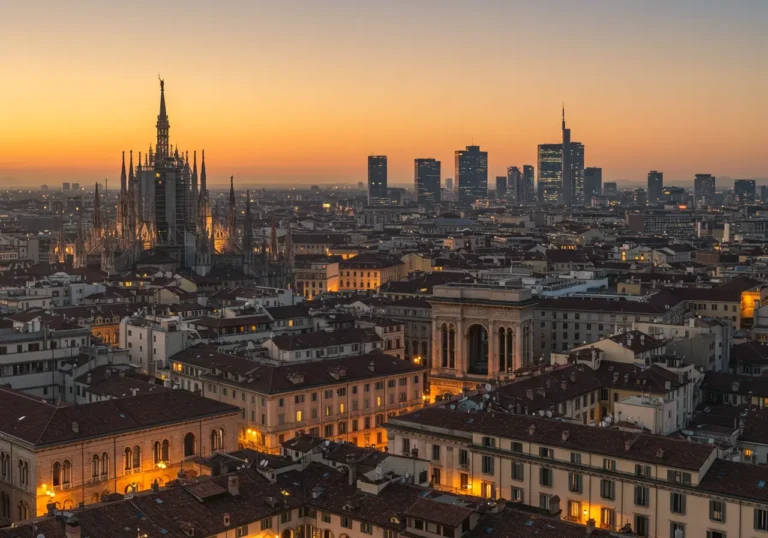
Standing in the shadow of Milan and Venice, many travelers overlook one of Northern Italy’s most rewarding destinations. You’ve probably spent hours researching Italian itineraries, only to find the same crowded hotspots recommended again and again. Meanwhile, Brescia—a UNESCO World Heritage city brimming with Roman ruins, Renaissance palaces, and medieval castles—remains surprisingly undiscovered by international tourists.
After guiding hundreds of travelers through Lombardy’s hidden gems over the past decade, I’ve watched Brescia transform from a local secret into an essential stop for discerning visitors. This comprehensive guide will walk you through the city’s twelve unmissable attractions, practical visiting tips, and insider recommendations that will help you experience Brescia like a seasoned traveler rather than a rushed tourist.
In this article, you’ll discover why Brescia deserves a place on your Italian itinerary, explore detailed descriptions of each must-see location, and find answers to the most common questions first-time visitors ask.
Table of Contents
Why You Should Visit Brescia
Brescia offers something most Italian destinations have lost: authenticity without the tourist crowds. This Lombard city presents an extraordinary blend of cultural heritage spanning over 3,000 years, from its Roman origins as Brixia to its current status as a thriving modern metropolis.
The cultural depth here rivals Italy’s most famous cities. Brescia houses the largest surviving Capitolium from the Roman era, UNESCO-protected Longobard ruins, and Renaissance architecture that showcases centuries of Venetian influence. Unlike Florence or Rome, you can explore these treasures without navigating through tour groups or waiting in endless queues.
Convenience makes Brescia particularly appealing for travelers. Located just 55 kilometers east of Milan, the city serves as an ideal base for exploring Lake Garda, the Franciacorta wine region, and the Alpine valleys. High-speed trains connect Brescia to major Italian cities in under two hours, while the compact historic center allows you to walk between major attractions in minutes.
The variety of experiences sets Brescia apart from single-focus destinations. Morning might find you examining ancient Roman mosaics, afternoon enjoying contemporary art in a converted monastery, and evening sipping Franciacorta sparkling wine in a Renaissance piazza. This diversity means Brescia appeals equally to history enthusiasts, art lovers, food connoisseurs, and adventure seekers.
12 Must-See Spots in Brescia for First-Time Visitors
1. Piazza della Loggia
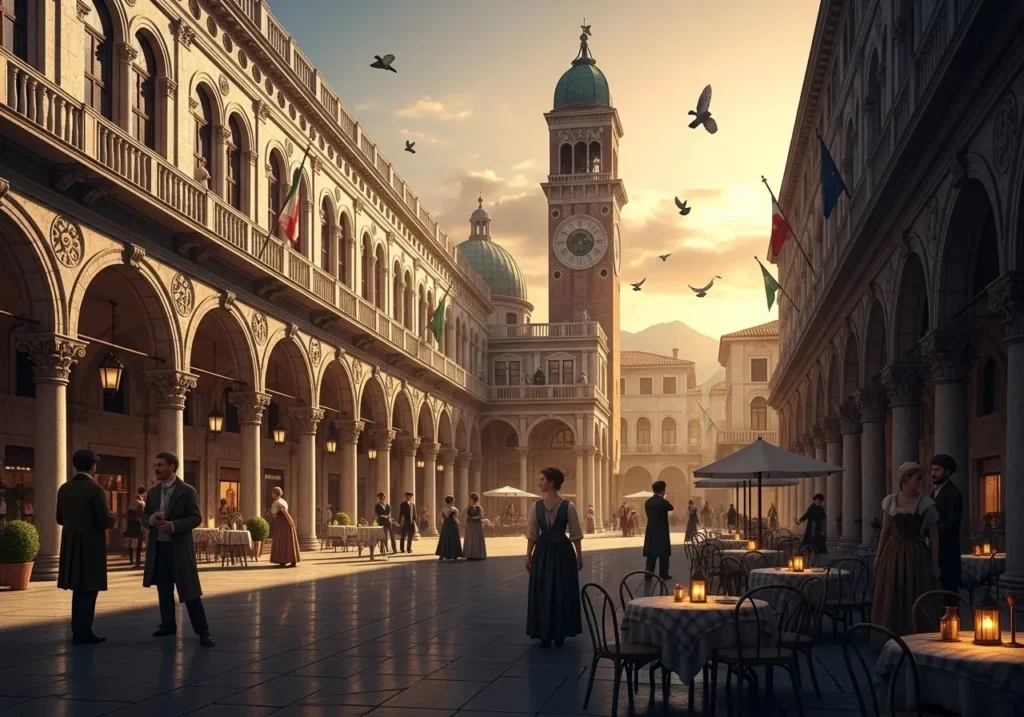
The beating heart of Brescia’s social and political life, Piazza della Loggia showcases the city’s Venetian Renaissance heritage with breathtaking architectural harmony. The magnificent Loggia palace, built between 1492 and 1574, dominates the square with its elegant porticoes and ornate façade that reflects Venice’s influence during centuries of Serenissima rule.
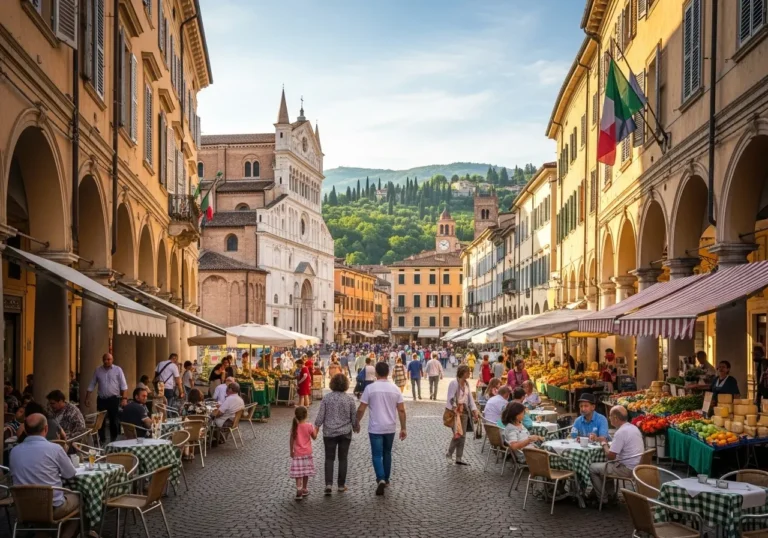
The astronomical clock tower, featuring moving figures that strike the hours, has measured time for Brescians since the 16th century. Surrounding arcades house charming cafés where locals gather for morning espresso and evening aperitivo, creating an authentic Italian atmosphere that welcomes visitors into daily city life.
Beyond its beauty, the piazza carries profound historical significance as the site of the 1974 Piazza della Loggia bombing, commemorated by a memorial plaque. Today, the square buzzes with markets, concerts, and festivals throughout the year, making it an essential stop for understanding Brescia’s past and present.
Practical tip: Visit during late afternoon when golden light bathes the Renaissance façades, then stay for aperitivo at one of the arcade cafés to experience local social traditions.
2. Brescia Castle
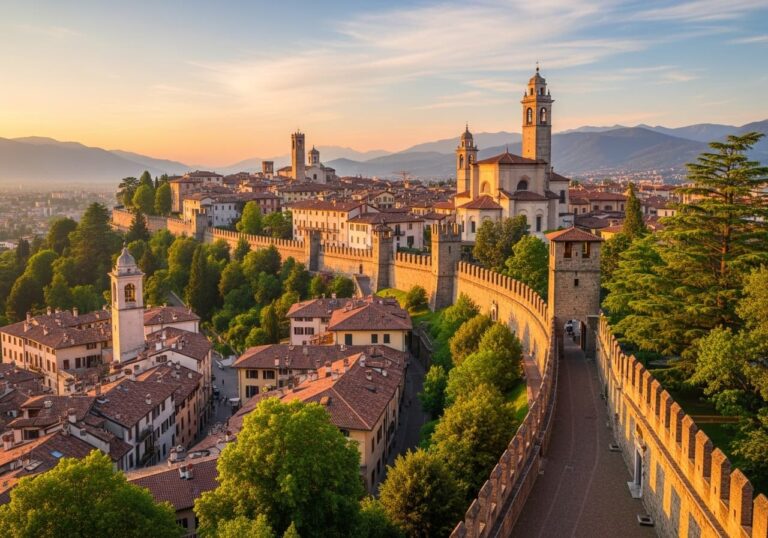
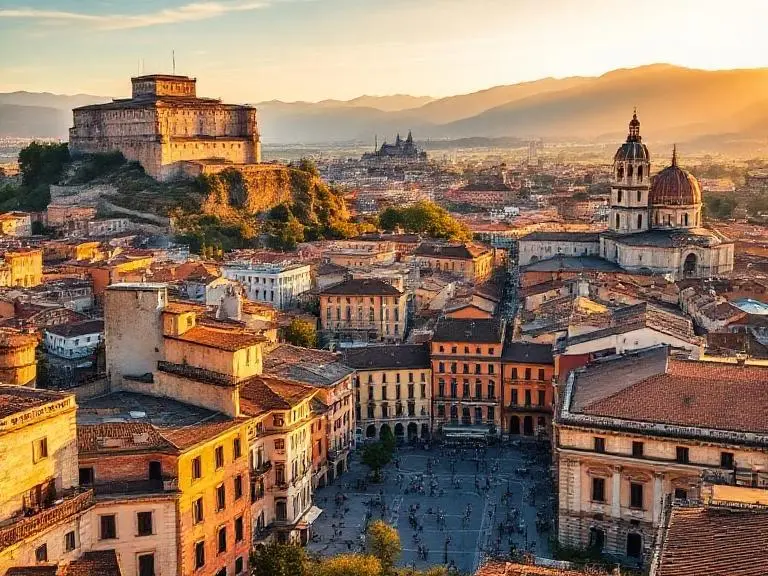
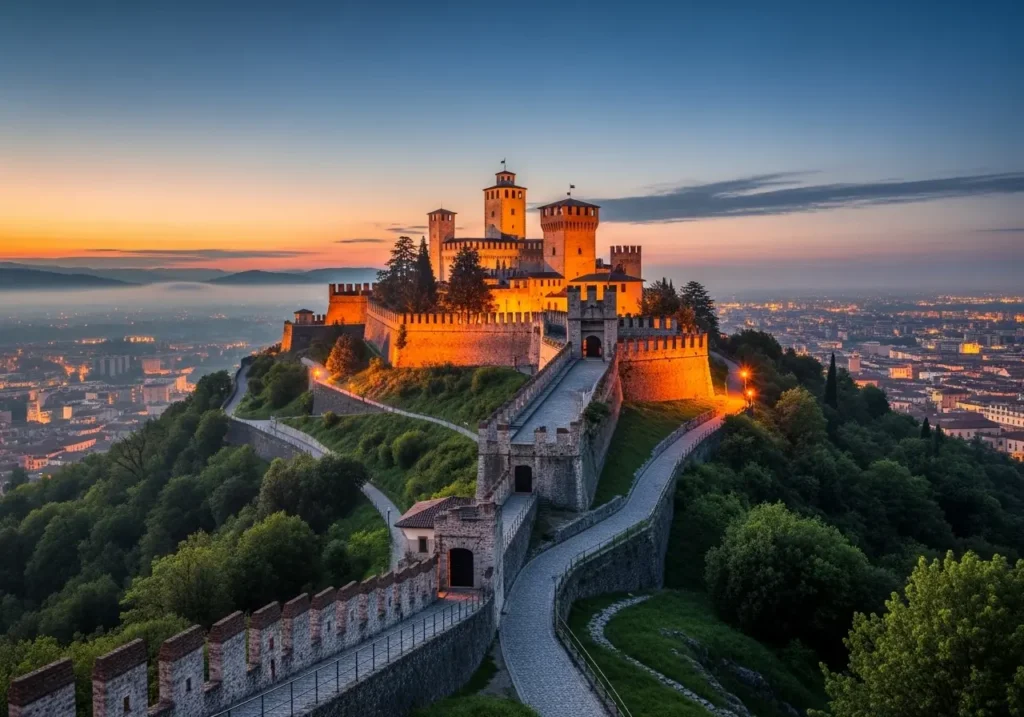
Perched atop Cidneo Hill, Brescia Castle offers commanding views over the city and houses centuries of defensive architecture within its imposing walls. This fortress complex, among Italy’s largest and best-preserved castles, tells the military history of Brescia through Venetian ramparts, medieval towers, and Renaissance bastions.
The journey upward through winding stone paths reveals defensive structures, hidden courtyards, and gardens that transform the castle into both historical monument and public park. Within the walls, the Luigi Marzoli Arms Museum displays one of Europe’s finest collections of ancient weapons and armor, spanning five centuries of military craftsmanship.
The Mastio Visconteo tower, the castle’s oldest structure dating to the 13th century, provides panoramic vistas stretching from the Alps to the Po Valley. Throughout summer, the castle grounds host concerts, theater performances, and cultural events that bring medieval spaces to life with contemporary creativity.
Practical tip: Allocate at least two hours for exploring the castle grounds and museums. Wear comfortable walking shoes, as the uphill path and uneven terrain require proper footwear.
3. Santa Giulia Museum
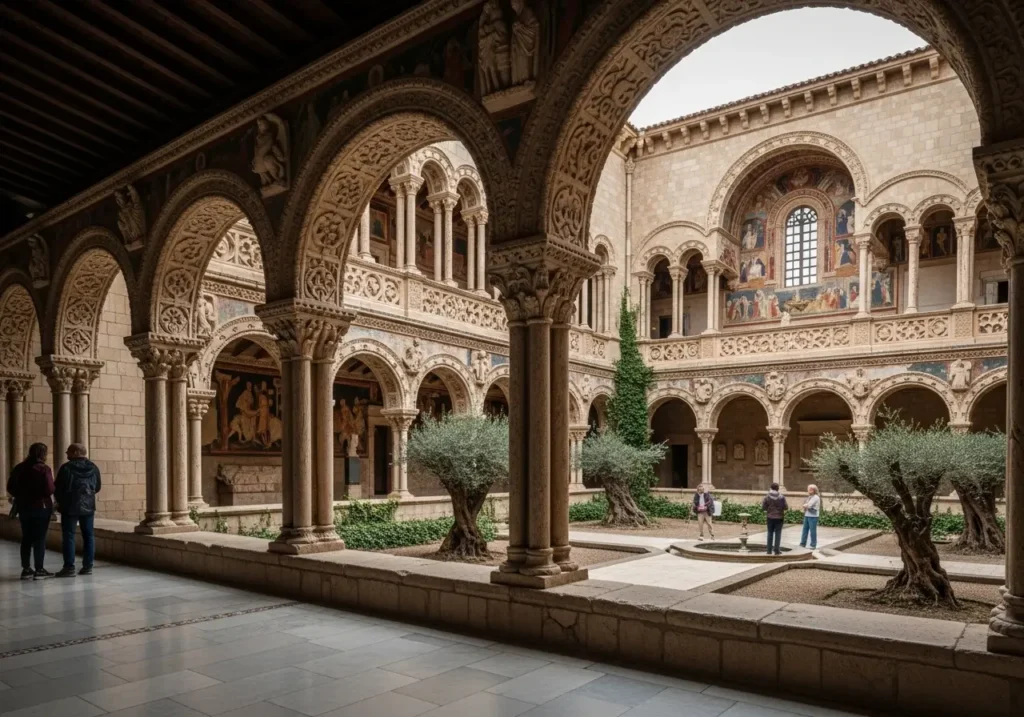
Housed within a former Benedictine monastery, Santa Giulia Museum presents 12,000 years of Brescia’s history through extraordinary archaeological collections and architectural treasures. This remarkable museum complex integrates Roman houses, medieval churches, and Renaissance cloisters into a unified narrative that earned it UNESCO World Heritage status.
The museum’s journey begins in prehistory and progresses through Roman Brixia, the Longobard period, medieval communes, Venetian rule, and modern times. Standout exhibits include the bronze Winged Victory statue, intricate Roman floor mosaics preserved in situ beneath the monastery, and the stunning Cross of Desiderius adorned with over 200 gemstones.
Three distinct churches within the complex showcase evolving architectural styles: the early Christian Basilica of San Salvatore with its Longobard frescoes, the Romanesque Santa Maria in Solario featuring the spectacular Cross, and the 16th-century Santa Giulia church. The monastery’s elegant Renaissance cloisters provide peaceful spaces for reflection between galleries.
Practical tip: Purchase the combined ticket that includes Santa Giulia Museum and the Capitolium to save money and time. Plan for at least three hours to properly appreciate the extensive collections.
4. Capitolium of Brixia
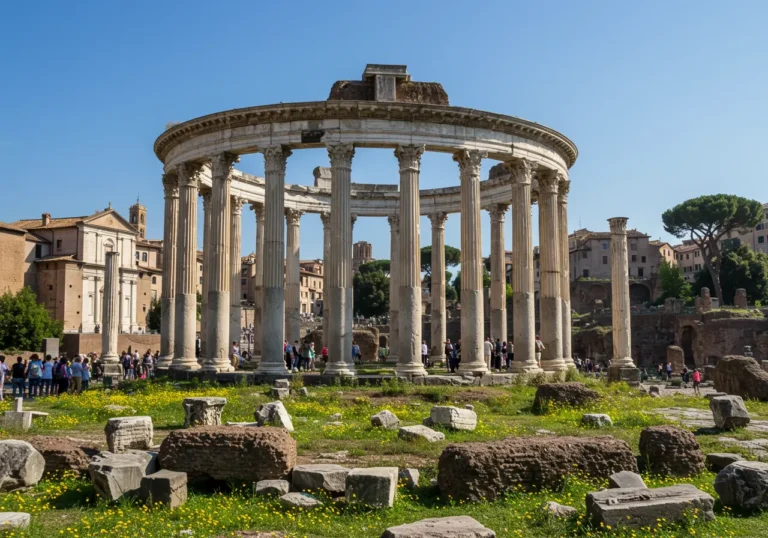
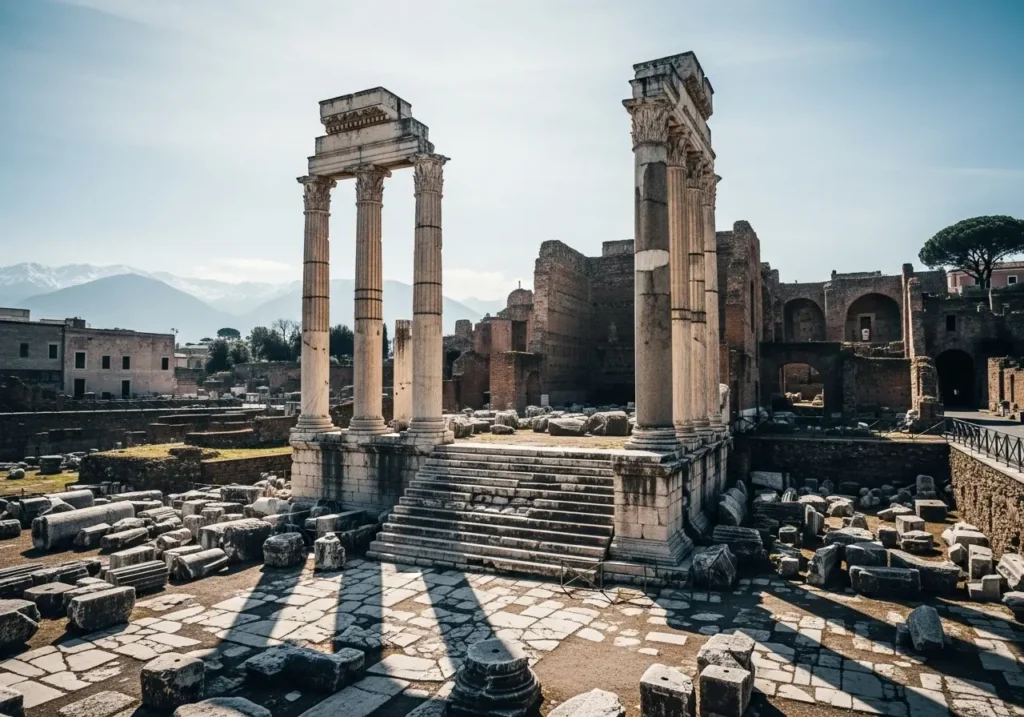
The Capitolium stands as the most significant Roman temple complex surviving north of Rome, offering an extraordinary glimpse into ancient Brixia’s religious and civic life. Built in 73 CE during Emperor Vespasian’s reign, this temple dedicated to Jupiter, Juno, and Minerva demonstrates Rome’s architectural grandeur and engineering prowess.
Three reconstructed temple chambers preserve original marble floors, frescoes, and architectural elements that transport visitors to the height of Roman power. The central cella, dedicated to Jupiter, retains exceptional decorative details including intricate ceiling coffers and painted wall fragments that showcase ancient Roman artistry.
Archaeological excavations beneath the temple floors reveal earlier Republican-era structures, providing insight into Brixia’s evolution over centuries. Adjacent to the Capitolium, the Roman theater, though less complete, demonstrates the scale of Roman Brixia’s entertainment infrastructure.
The site’s inclusion in the UNESCO “Longobards in Italy: Places of Power” designation, alongside Santa Giulia Museum, recognizes its exceptional historical value. Recent restoration and preservation efforts have enhanced visitor understanding through informative displays and atmospheric lighting that highlights architectural details.
Practical tip: Visit early morning or late afternoon to avoid midday heat, as the site offers limited shade. The combined ticket with Santa Giulia Museum provides excellent value.
5. Duomo Vecchio
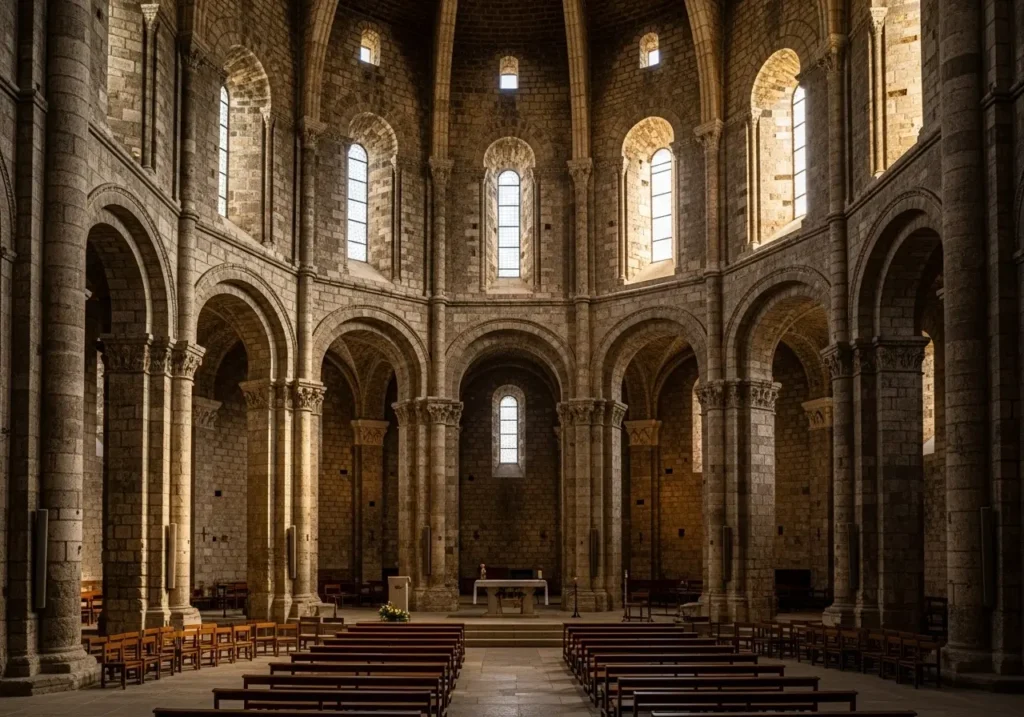
The Duomo Vecchio, affectionately called “La Rotonda” by locals due to its distinctive circular shape, represents one of Italy’s most important Romanesque churches. Built over the ruins of an earlier basilica between the 11th and 12th centuries, this architectural masterpiece combines Byzantine influence with Lombard Romanesque style in harmonious proportions.
The church’s unique circular plan, measuring 38 meters in diameter, creates an intimate spiritual atmosphere despite its monumental size. Interior simplicity emphasizes pure architectural forms, with massive stone pillars supporting the dome above a raised presbytery that houses the main altar and crypt.
The crypt beneath the presbytery preserves remains of the earlier Basilica of Santa Maria Maggiore, including stunning 8th-century mosaics that demonstrate early medieval craftsmanship. The church treasury contains precious liturgical objects, illuminated manuscripts, and religious artifacts spanning centuries of Brescian devotion.
Adjacent to its newer neighbor, the Duomo Nuovo, the contrast between Romanesque austerity and Baroque exuberance creates a fascinating architectural dialogue. The Duomo Vecchio continues serving as an active place of worship, maintaining living spiritual traditions within its ancient walls.
Practical tip: Entrance is free, but respectful attire is required. Visit during weekday mornings for quieter contemplation and better photography opportunities.

6. Duomo Nuovo
Rising above Piazza Paolo VI with its imposing white marble façade and towering dome, the Duomo Nuovo represents Brescia’s ambitious cathedral project that spanned nearly three centuries. Construction began in 1604 but wasn’t completed until 1825, resulting in an architectural synthesis that blends late Renaissance and Baroque elements with 19th-century neoclassical touches.
The cathedral’s massive dome, visible across Brescia’s skyline, ranks among Italy’s tallest at 80 meters high. This architectural feat demonstrates engineering advances and civic pride that drove generations of Brescians to complete their cathedral despite wars, plagues, and financial challenges.
Inside, the vast nave extends 92 meters, creating impressive spatial drama enhanced by Baroque decorations, paintings by notable Venetian and Lombard artists, and magnificent marble work. Notable artworks include Romanino’s frescoes in the Chapel of the Santissimo Sacramento and paintings by Moretto da Brescia, one of the city’s greatest Renaissance masters.
The cathedral’s organ, built in the 19th century and later expanded, ranks among Italy’s most important instruments, hosting renowned organists and concerts throughout the year. The juxtaposition with the adjacent Romanesque Duomo Vecchio creates one of Italy’s most striking architectural contrasts.
Practical tip: Visit during late afternoon when sunlight illuminates the dome’s interior, creating spectacular lighting effects. Attend Sunday mass to experience the cathedral’s acoustic qualities.
7. Piazza Paolo VI
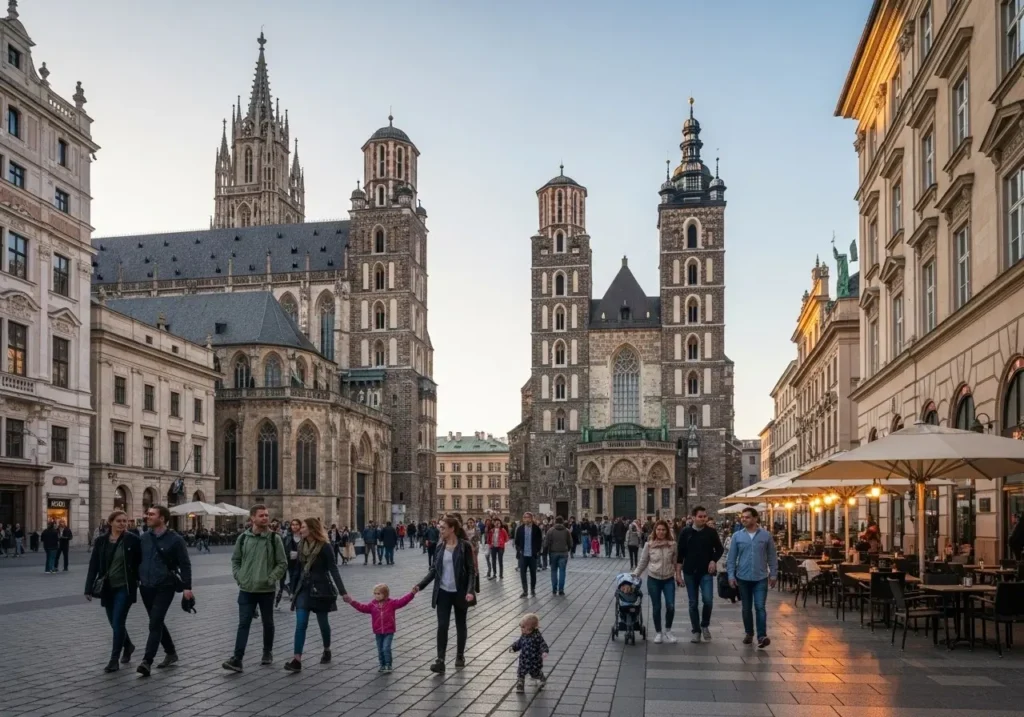
Piazza Paolo VI forms Brescia’s monumental religious center, where the Duomo Vecchio and Duomo Nuovo create an extraordinary architectural ensemble. Named after Pope Paul VI, born Giovanni Battista Montini in Brescia, the square honors the city’s most famous son who led the Catholic Church through the transformative Second Vatican Council.
The piazza’s medieval Broletto palace, with its distinctive tower and loggia, served as Brescia’s communal government seat during the Middle Ages. Today, this beautifully restored building hosts cultural exhibitions and events that connect Brescia’s civic history with contemporary culture.
The square’s openness and architectural variety make it a gathering place for religious celebrations, cultural festivals, and daily life. The contrast between the two cathedrals provides endless fascination for architecture enthusiasts and photographers seeking to capture Brescia’s layered history.
Surrounding the piazza, historic buildings house museums, shops, and restaurants that make this area both a tourist attraction and a living neighborhood. The proximity to Via dei Musei places visitors at the crossroads of Brescia’s most important historical sites.
Practical tip: Start your Brescia exploration here to orient yourself geographically and historically before venturing to other attractions. The Tourist Information Office nearby provides maps and guidance.
8. Teatro Grande
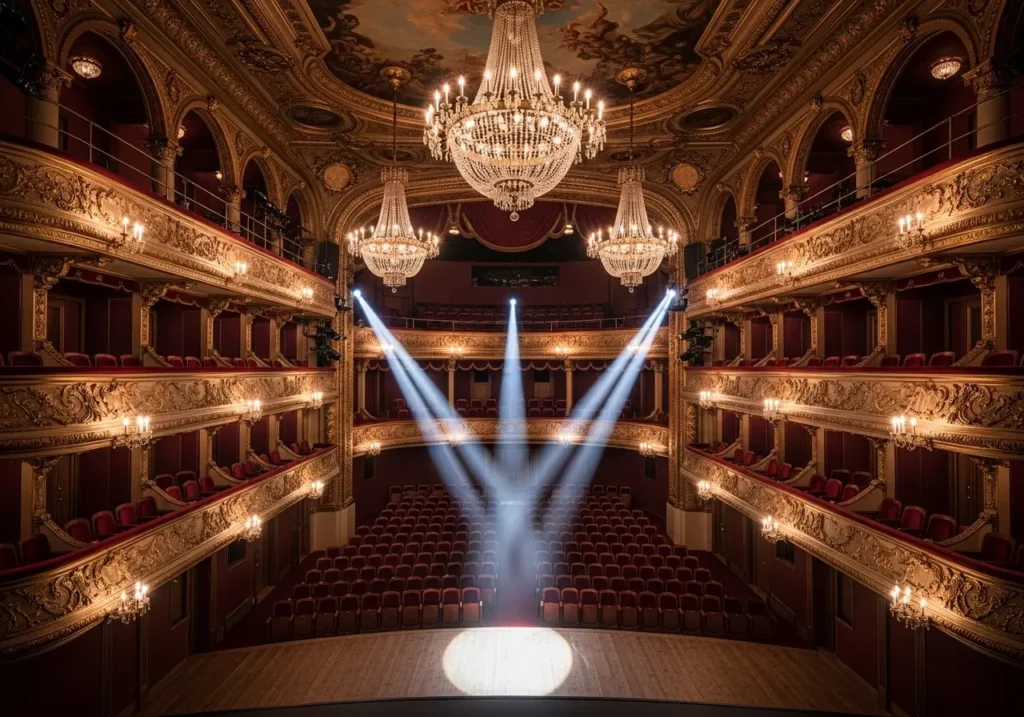
Teatro Grande stands as one of Italy’s most elegant 18th-century theaters, combining exceptional acoustics with sumptuous Neoclassical decoration. Originally built in 1664 and completely reconstructed in 1810, the theater showcases the refined taste of Brescia’s cultural elite who demanded a venue worthy of the city’s artistic ambitions.
The horseshoe-shaped auditorium, adorned with gilded decorations, crystal chandeliers, and velvet upholstery, accommodates nearly 1,000 spectators across four tiers of boxes and galleries. The theater’s intimate scale creates exceptional sight lines and acoustic properties that make every seat feel connected to performances.
Throughout its history, Teatro Grande has hosted legendary performers including Giuseppe Verdi, who conducted his operas here, and countless opera stars, theater companies, and orchestras. Today, the theater maintains an ambitious season featuring opera, ballet, classical concerts, and contemporary performances that attract audiences regionally and internationally.
Guided tours reveal backstage areas, the historic Royal Box, and architectural details while sharing stories of dramatic premieres, artistic triumphs, and the theater’s role in Brescia’s cultural life. The adjacent foyer and salons host pre-performance gatherings and special events throughout the year.
Practical tip: Book tickets in advance for performances during the opera season (October through May). If attending performances isn’t possible, join a guided tour to experience this architectural gem.

9. Pinacoteca Tosio Martinengo
The Pinacoteca Tosio Martinengo houses one of Northern Italy’s most important art collections within an elegantly restored Renaissance palace. Following extensive renovation completed in 2018, the museum presents six centuries of painting with particular strength in Venetian and Brescian Renaissance masters.
The collection’s crown jewels include masterpieces by Raphael, whose “Angel” demonstrates the artist’s divine grace, and significant works by Lorenzo Lotto, whose psychological portraiture influenced generations of painters. The Brescian school receives particular attention through extensive holdings of works by Moretto da Brescia, Romanino, and Savoldo, whose innovations in light and color anticipate Caravaggio.
The museum’s thoughtful installation in a historic palace enhances the viewing experience, with period rooms providing appropriate contexts for Renaissance and Baroque paintings. Later galleries progress through Neoclassical, Romantic, and modern Italian art, tracing evolving aesthetic sensibilities through the 19th and early 20th centuries.
Special exhibitions featuring international loans and thematic presentations complement the permanent collection, ensuring fresh reasons to visit repeatedly. Educational programs, guided tours, and workshops make the museum accessible to diverse audiences from art historians to families.
Practical tip: Visit on the first Sunday of each month when admission is free. Audio guides provide valuable context for understanding the Brescian school’s unique characteristics.
10. Via dei Musei
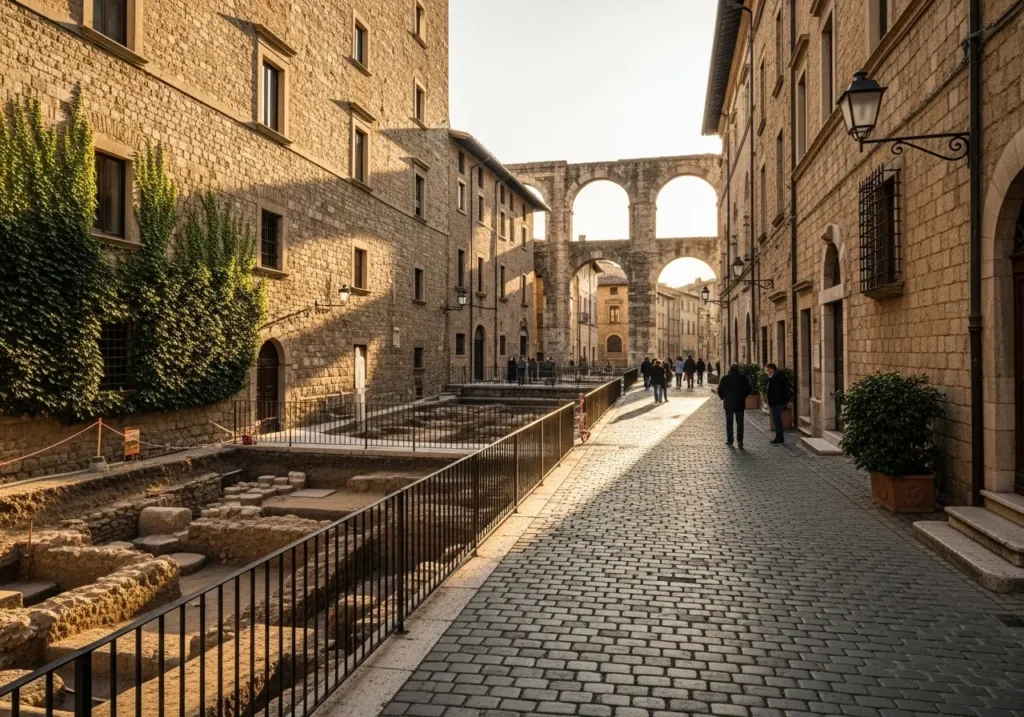
Via dei Musei, the “Street of Museums,” follows the path of ancient Brixia’s Roman decumanus maximus through the heart of Brescia’s archaeological park. This extraordinary urban space integrates the Capitolium, Roman theater, and Santa Giulia Museum into a continuous journey through millennia of history.
Walking Via dei Musei reveals architectural layers from Roman columns to medieval towers to Renaissance palaces, demonstrating Brescia’s continuous habitation and evolution. Archaeological excavations visible beneath protective structures show Roman streets, houses, and infrastructure preserved beneath modern street level.
The street’s name reflects its concentration of cultural institutions: beyond the major Roman and medieval sites, smaller museums dedicated to photography, numismatics, and local history enrich the area’s educational offerings. This density of cultural resources makes Via dei Musei essential for any serious exploration of Brescia.
Recent pedestrianization and enhancement projects have transformed Via dei Musei into an open-air museum where visitors can wander freely between sites, pause in small piazzas, and observe ongoing archaeological research. Evening illumination creates magical atmospheres that bring ancient stones to life.
Practical tip: Allow an entire day to properly explore Via dei Musei and its museums. Start early morning at Santa Giulia, break for lunch in the historic center, then visit the Capitolium in the afternoon.
11. Tempio Longobardo
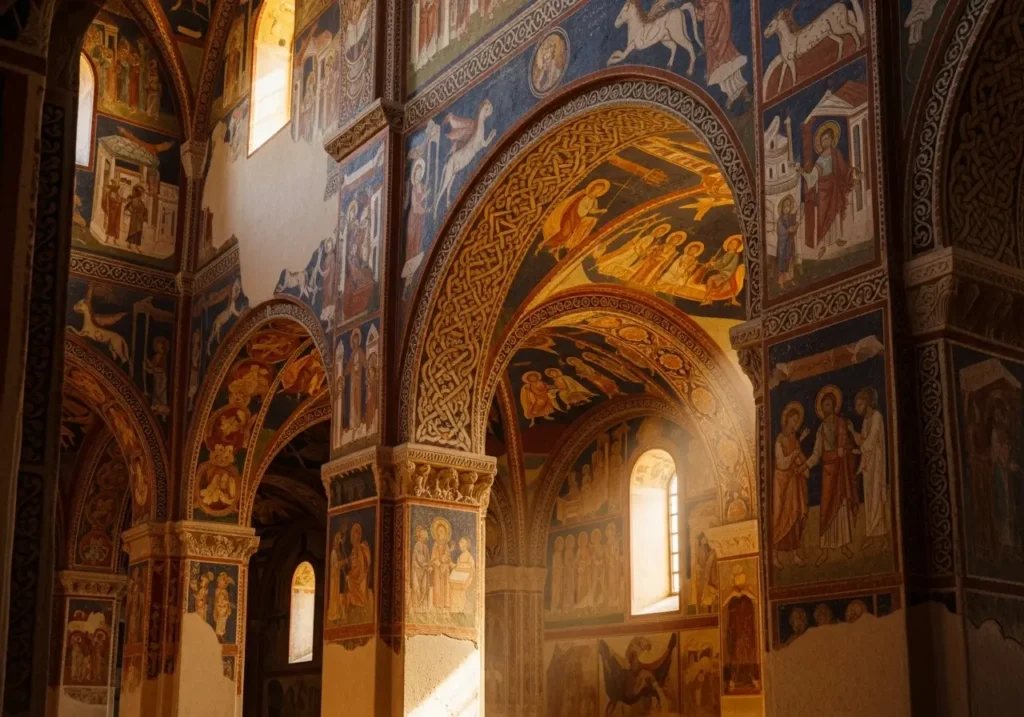
The Tempio Longobardo, formally the Basilica of San Salvatore within the Santa Giulia monastery complex, represents one of the finest examples of early medieval architecture surviving in Europe. Built in the mid-8th century during the Longobard kingdom’s final decades, the church demonstrates sophisticated architectural understanding and artistic achievement.
The basilica’s interior reveals three naves separated by Roman columns repurposed from earlier buildings, a common practice showing Longobard appreciation for classical architecture. Extraordinarily rare frescoes surviving on walls and vaults depict religious scenes in styles that bridge late antique and medieval artistic traditions.
The church’s inclusion in UNESCO’s “Longobards in Italy” designation recognizes its exceptional historical and artistic value. The Longobards, despite their relatively brief rule, profoundly influenced Italian culture, and this basilica represents their highest architectural achievement.
Archaeological evidence visible throughout the structure reveals multiple construction phases and modifications, allowing visitors to understand how the building evolved through centuries. The adjacent museum interpretation helps decode complex architectural history for non-specialists.
Practical tip: The Tempio Longobardo is accessed through the Santa Giulia Museum complex, so visit both together. Focus particularly on the frescoes, which represent irreplaceable examples of early medieval painting.
12. Parco Ducos
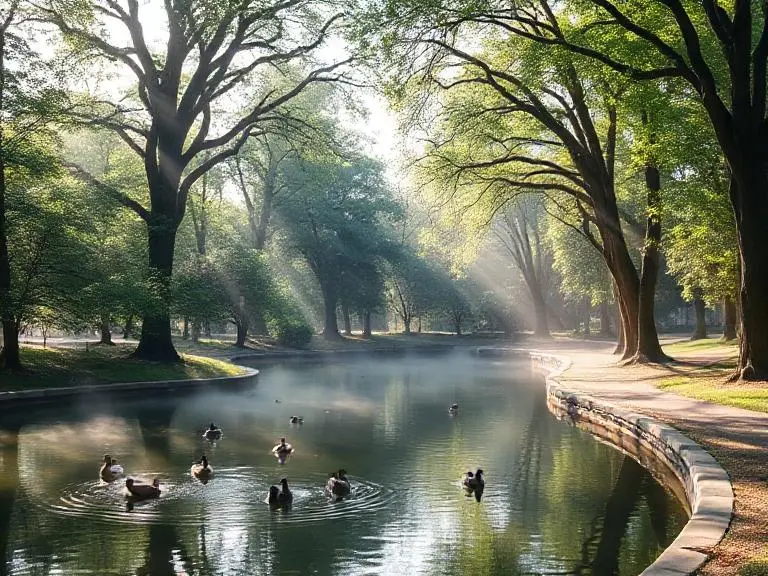
Parco Ducos offers a peaceful green retreat at the base of Brescia Castle’s hill, combining natural beauty with historical significance. This landscaped park, created in the early 20th century, provides shade, walking paths, and recreational spaces that serve both tourists seeking respite and locals enjoying daily exercise.
The park’s strategic location between the historic center and castle makes it an ideal pause point during cultural explorations. Shaded benches offer views toward the castle above and city below, creating pleasant spots for picnics, reading, or simply resting tired feet.
Children’s playgrounds, fitness areas, and open lawns make Parco Ducos popular with Brescian families, offering visitors glimpses of authentic local life beyond tourist attractions. Weekend afternoons bring neighborhood gatherings, sports activities, and social interactions that reveal community rhythms.
The park’s mature trees, flower gardens, and maintained paths demonstrate Italian landscaping traditions adapted to urban settings. Spring brings blooming flowers, summer offers cooling shade, autumn displays colorful foliage, and even winter’s bare branches create sculptural beauty.
Practical tip: Visit Parco Ducos before or after exploring Brescia Castle. The park provides pleasant walking routes to the castle entrance, gentler than the steepest direct approaches.
FAQs About Brescia
How many days do you need to visit Brescia?
Two to three days allow thorough exploration of Brescia’s major attractions without feeling rushed. A well-planned two-day itinerary covers the essential sites including Santa Giulia Museum, the Capitolium, both cathedrals, Brescia Castle, and the Pinacoteca. Adding a third day permits deeper dives into specific interests, day trips to nearby Lake Garda or Franciacorta wine region, or simply enjoying Brescia’s café culture and local neighborhoods at a relaxed pace. Travelers with limited time can experience highlights in one intensive day, though this requires early starts and efficient planning.
What is Brescia best known for?
Brescia is renowned for its exceptional Roman archaeological sites, particularly the Capitolium and Roman theater, which together represent the most significant Roman public buildings surviving north of Rome. The city’s UNESCO World Heritage recognition for Longobard heritage, especially the monastery of Santa Giulia, brings international attention to its medieval treasures. Brescia also claims fame as the birthplace of Pope Paul VI, its thriving metalworking and manufacturing industries, and its position as gateway to the Franciacorta wine region, Italy’s premier sparkling wine production area.
Is Brescia worth visiting?
Absolutely. Brescia offers exceptional cultural and historical value without the overwhelming crowds that characterize more famous Italian destinations. The city provides authentic Italian experiences, from morning markets to evening aperitivo rituals, while housing world-class museums and monuments that rival those in tourist-saturated cities. The combination of major attractions, walkable historic center, excellent regional cuisine, and convenient location for exploring northern Italy makes Brescia an outstanding choice for travelers seeking depth beyond Italy’s typical tourist circuit.
How do I get to Brescia from major Italian cities?
High-speed trains connect Brescia to Milan in approximately 50 minutes, Venice in 90 minutes, and Rome in about 3.5 hours. Regional trains provide frequent service to Verona, Bergamo, and other Lombard cities. Brescia’s train station, located within walking distance of the historic center, makes rail travel particularly convenient. Drivers will find Brescia accessible via the A4 autostrada connecting Milan and Venice, with clear signage to the historic center. Bergamo’s Orio al Serio Airport, just 45 kilometers away, offers budget flight connections, while Milan’s airports provide international access.
What is the best time to visit Brescia?
Spring (April through June) and fall (September through October) offer ideal weather conditions with comfortable temperatures, fewer crowds than peak summer, and beautiful lighting for photography. Summer brings heat and humidity but also extended museum hours, outdoor concerts, and festivals. Winter receives fewer tourists and provides opportunities to experience Brescia’s Christmas markets and authentic local atmosphere, though some attractions may have reduced hours. Regardless of season, Brescia’s numerous indoor museums and covered arcades make it enjoyable year-round.
Can I use Brescia as a base for exploring the region?
Brescia serves as an excellent base for regional exploration. Lake Garda’s southern shores lie just 30 minutes away, offering lakeside towns, water sports, and scenic beauty. The Franciacorta wine region to the west provides vineyard tours and tastings within 20 minutes. Alpine valleys north of Brescia offer hiking, skiing, and mountain villages. Day trips to Verona, Mantua, Bergamo, and even Milan remain easily achievable by train. Brescia’s accommodation options, ranging from budget hotels to luxury properties, combined with its central location, make it ideal for travelers wanting to explore multiple destinations while unpacking just once.
Conclusion
Brescia rewards travelers who venture beyond Italy’s crowded tourist trails with extraordinary cultural treasures, authentic experiences, and remarkable value. From Roman temples to Longobard churches, Renaissance palaces to contemporary museums, the city offers depth and variety that satisfy even the most demanding cultural appetites. The twelve essential spots detailed in this guide provide a framework for discovery, but Brescia’s true magic emerges in unexpected moments: afternoon light illuminating ancient stones, locals gathering for aperitivo, or the discovery of a hidden courtyard untouched by time.
Start planning your Brescia adventure today. Book accommodations in the historic center to maximize your walking convenience, purchase museum tickets in advance for popular sites like Santa Giulia, and arrive with an open mind ready to embrace discovery. Share your Brescia experiences on social media using #DiscoverBrescia to inspire other travelers and contribute to growing recognition of this remarkable destination.
Join thousands of travelers who’ve discovered that Italy’s best-kept secret isn’t a secret at all—it’s simply waiting for those curious enough to explore beyond the guidebook standards. Brescia welcomes you to experience Italian culture, history, and hospitality at its authentic finest. Your journey through three millennia of history begins with that first step into Piazza della Loggia, where every visitor becomes part of Brescia’s continuing story.