10 Best Classic Italian Appetizers to Start Your Meal Right
Introduction
Walking into an Italian restaurant and staring at an unfamiliar menu can feel overwhelming. You want an authentic experience, but where do you start? The appetizer section often holds the key to unlocking Italy’s culinary treasures, yet many travelers skip this essential part of the meal or order something safe but forgettable.
This guide will transform you into a confident diner who knows exactly which classic Italian appetizers to order for an unforgettable start to your meal. Whether you’re planning a trip to Italy or recreating the experience at home, you’ll discover the authentic starters that Italians have perfected over centuries.
As a content strategist with years of experience exploring Italy’s food culture and dining alongside locals from Rome to Sicily, I’ve learned that the appetizer course—known as antipasti—sets the tone for everything that follows. It’s where Italian cuisine truly shines with fresh ingredients, simple preparations, and bold flavors.
In this comprehensive guide, you’ll explore ten essential classic Italian appetizers, understand why they’re worth trying, learn what makes each one special, and get answers to your most common questions about Italian starters.
Table of Contents
Why You Should Try Classic Italian Appetizers
Classic Italian appetizers offer much more than just food—they provide a window into Italy’s rich culinary heritage. Each region boasts its own signature starters, reflecting local ingredients and centuries-old traditions. From Tuscany’s rustic crostini to Sicily’s golden arancini, these dishes tell stories of Italian families, festivals, and everyday meals shared with love.
Convenience meets authenticity when you order classic Italian appetizers. These dishes are designed to be shared, making them perfect for groups who want to sample multiple flavors. They’re also typically quick to prepare, which is why trattorias and osterias excel at serving them. Whether you’re hosting a dinner party or dining out, antipasti create a relaxed, social atmosphere that embodies the Italian philosophy of la dolce vita.
The variety within classic Italian appetizers is truly remarkable. You’ll find everything from light and refreshing options like Caprese salad to rich and indulgent choices like chicken liver pâté. Vegetarians, seafood lovers, and meat enthusiasts all have exceptional options. This diversity means you can customize your meal to match your mood, dietary preferences, and appetite while experiencing the full spectrum of Italian flavors from tangy to savory to herbaceous.
10 Best Classic Italian Appetizers to Start Your Meal Right
Bruschetta al Pomodoro
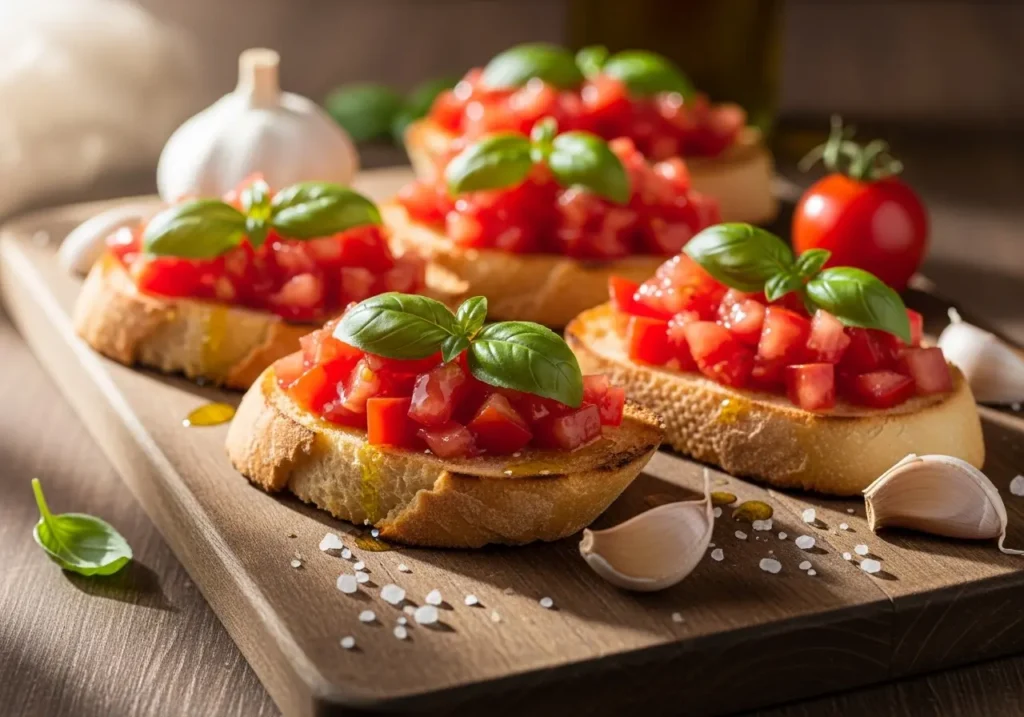
Bruschetta al Pomodoro represents Italian simplicity at its finest—grilled bread rubbed with garlic and topped with fresh tomatoes, basil, and olive oil. This Tuscan classic showcases the importance of quality ingredients in Italian cooking. The bread should be rustic and chewy, toasted until golden with slight char marks that add smokiness. Ripe tomatoes are diced and combined with fresh basil, minced garlic, extra virgin olive oil, and a touch of salt. The result is a perfect balance of textures and flavors: crunchy bread, juicy tomatoes, and aromatic herbs that dance on your palate with each bite.
Caprese Salad
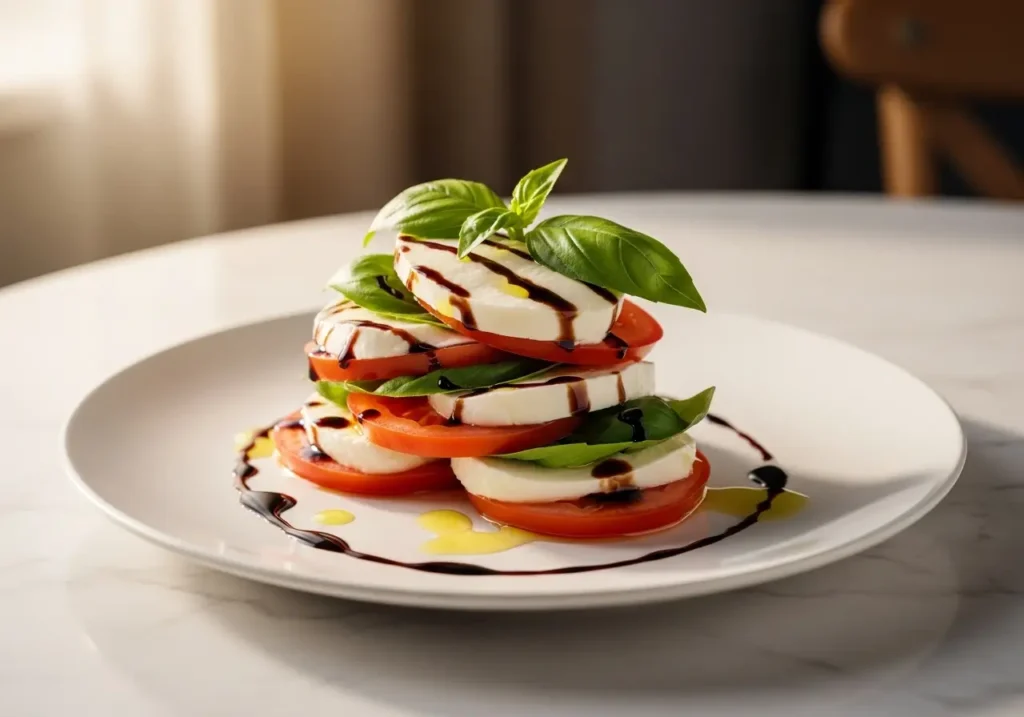
Caprese salad celebrates the colors of the Italian flag with layers of fresh mozzarella, ripe tomatoes, and vibrant basil leaves drizzled with olive oil. Originating from the island of Capri, this salad requires minimal preparation but maximum attention to ingredient quality. The mozzarella should be creamy buffalo mozzarella (mozzarella di bufala), the tomatoes should be sweet and seasonal, and the basil must be fresh and fragrant. When assembled simply with good olive oil, sea salt, and sometimes a balsamic reduction, Caprese becomes more than a salad—it’s an edible expression of Italian terroir and the Mediterranean diet’s health benefits.

Prosciutto e Melone
Prosciutto e Melone pairs the savory richness of dry-cured ham with the sweet juiciness of cantaloupe melon, creating a flavor combination that epitomizes Italian culinary genius. This classic appetizer is especially popular during summer months when melons are at peak ripeness. The prosciutto should be sliced paper-thin and allowed to reach room temperature, which enhances its buttery texture and complex flavor. Draped over or wrapped around cool melon wedges, the salty-sweet contrast refreshes the palate while preparing it for courses to come. This dish requires no cooking, making it an elegant yet effortless choice for any occasion.

Arancini (Rice Balls)
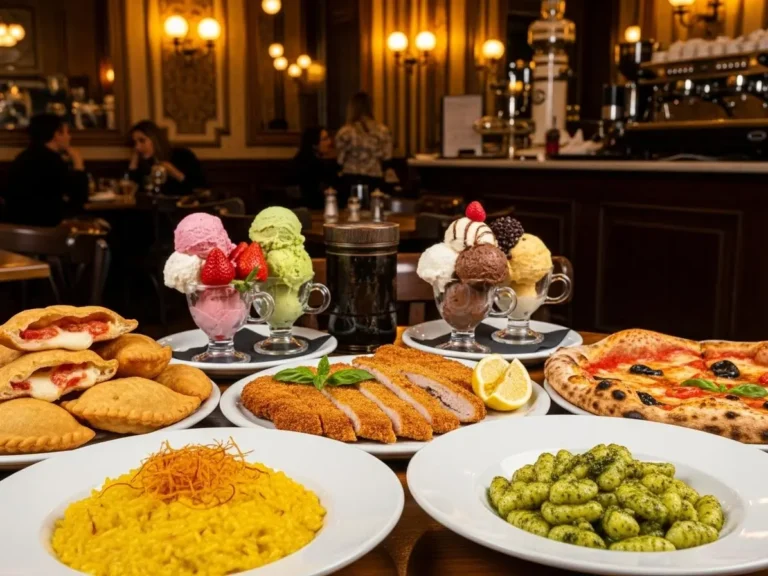
Arancini are golden, crispy rice balls filled with ragù, mozzarella, and peas—a Sicilian street food that has conquered hearts worldwide. These “little oranges” start with leftover risotto rice mixed with eggs and cheese, formed into balls around savory fillings, then breaded and deep-fried to perfection. The exterior shatters satisfyingly when bitten, revealing creamy risotto and molten cheese inside. While the classic version features meat sauce, modern variations include mushrooms, spinach, or even seafood. Arancini demonstrate Italian resourcefulness, transforming yesterday’s rice into today’s irresistible appetizer that delivers comfort with every crispy, cheesy bite.

Crostini with Chicken Liver Pâté
Crostini with chicken liver pâté (crostini toscani) is a Tuscan delicacy featuring rich, velvety pâté spread on small toasted bread slices. The pâté combines chicken livers sautéed with butter, onions, garlic, capers, and anchovies, often finished with vin santo wine and a touch of cream. The mixture is pureed until smooth, creating a luxurious spread that tastes both rustic and refined. This appetizer isn’t for the timid—it’s deeply flavorful with earthy, savory notes that pair beautifully with Chianti wine. Crostini toscani appears at every traditional Tuscan gathering, proving that humble ingredients can create extraordinary flavors.
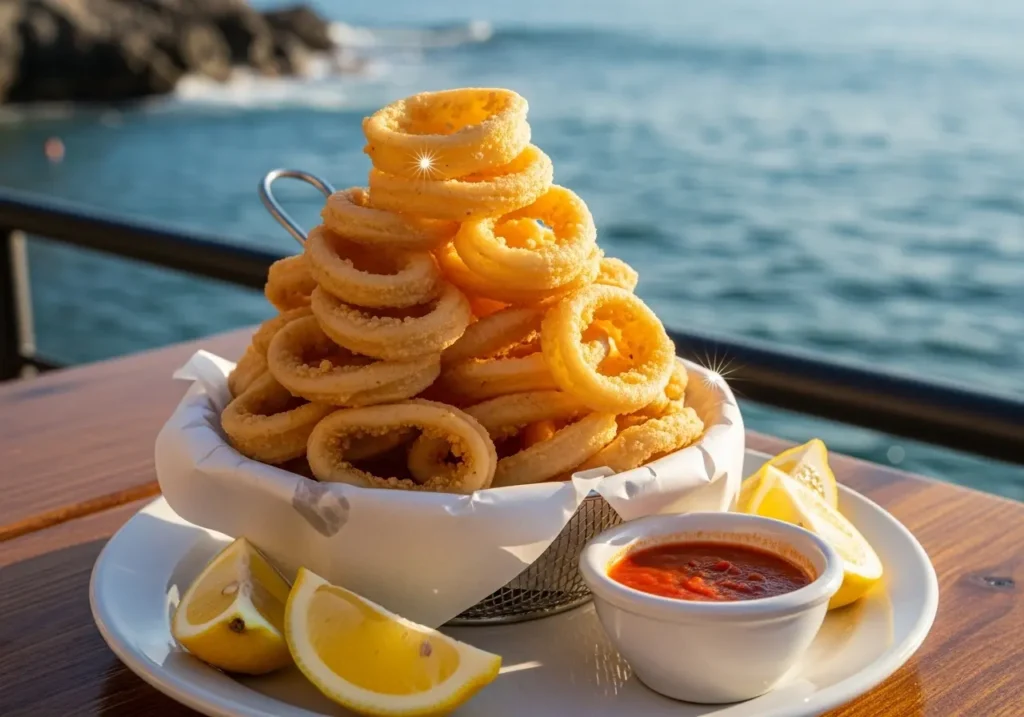
Fried Calamari (Calamari Fritti)
Fried calamari delivers crispy, tender rings and tentacles of squid, lightly battered and fried until golden brown. This beloved Italian appetizer originated in coastal regions where fresh seafood is abundant. The secret to perfect calamari fritti lies in quick frying at high temperature, which seals in moisture while creating an impossibly light, crispy coating. Traditionally seasoned with just sea salt and served with lemon wedges, the squid remains tender rather than rubbery. Some regions add a light dusting of flour or semolina to the batter for extra crunch. Properly prepared fried calamari melts in your mouth while delivering ocean-fresh flavor with satisfying textural contrast.
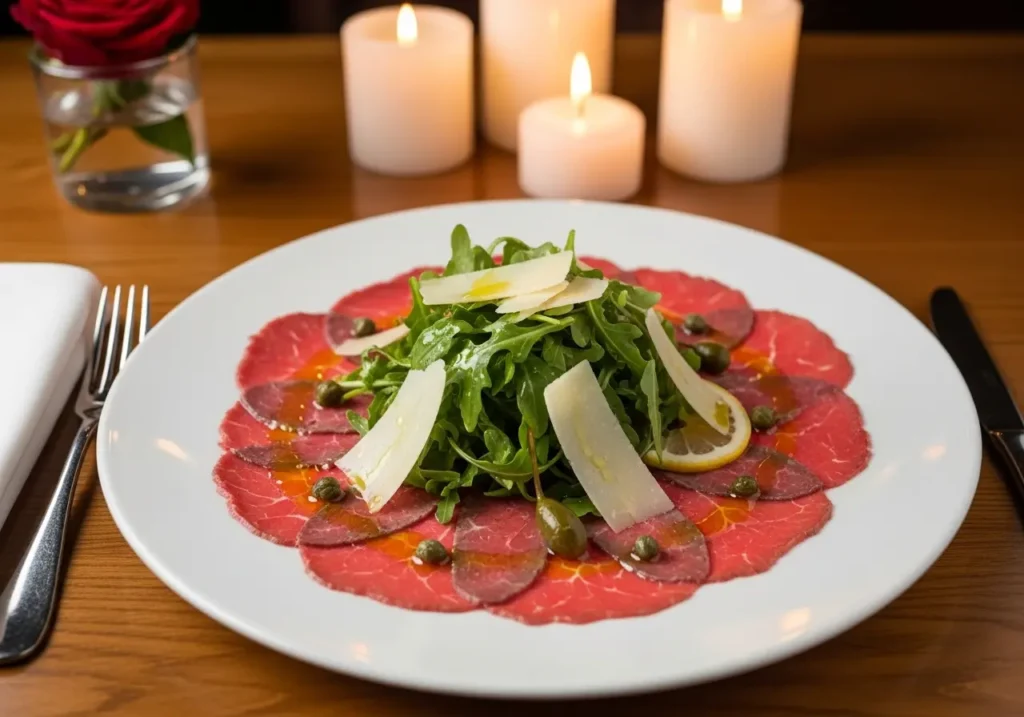
Carpaccio di Manzo
Carpaccio di Manzo features paper-thin slices of raw beef tenderloin dressed with olive oil, lemon juice, arugula, and shaved Parmesan. Invented in Venice at Harry’s Bar in the 1950s, this dish was named after Renaissance painter Vittore Carpaccio, known for his red-toned paintings. The beef must be extremely fresh and properly sliced—nearly transparent sheets that barely need chewing. Dressed simply, the meat’s natural flavor shines through while the peppery arugula, salty Parmesan, and bright lemon create layers of taste. Carpaccio represents Italian elegance and the confidence to let premium ingredients speak for themselves without heavy cooking or complicated sauces.

Stuffed Zucchini Flowers
Stuffed zucchini flowers (fiori di zucca) are delicate blossoms filled with ricotta and herbs, then lightly battered and fried. These golden-orange flowers are harvested in early morning when they’re fully open, making them a seasonal delicacy available mainly in spring and summer. The traditional filling combines creamy ricotta cheese with mint, lemon zest, and sometimes mozzarella or anchovies. Each flower is carefully stuffed, dipped in light batter, and fried until the exterior is crispy while the inside remains soft and cheesy. This appetizer showcases Italian ingenuity in utilizing every part of the plant and celebrating seasonal ingredients at their ephemeral peak.
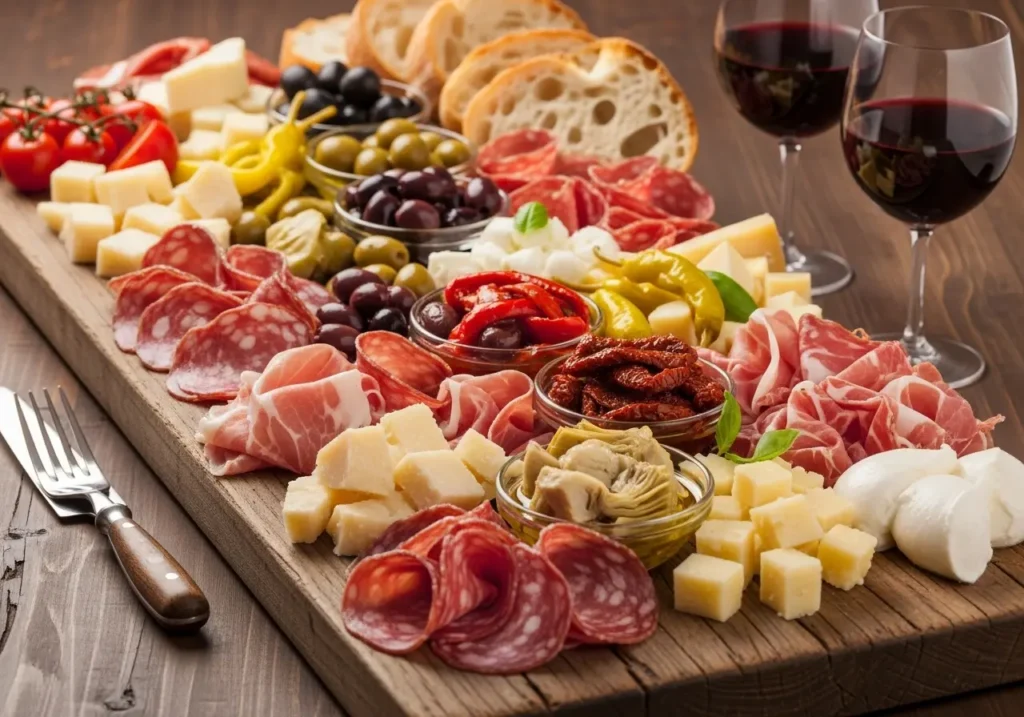
Antipasto Platter
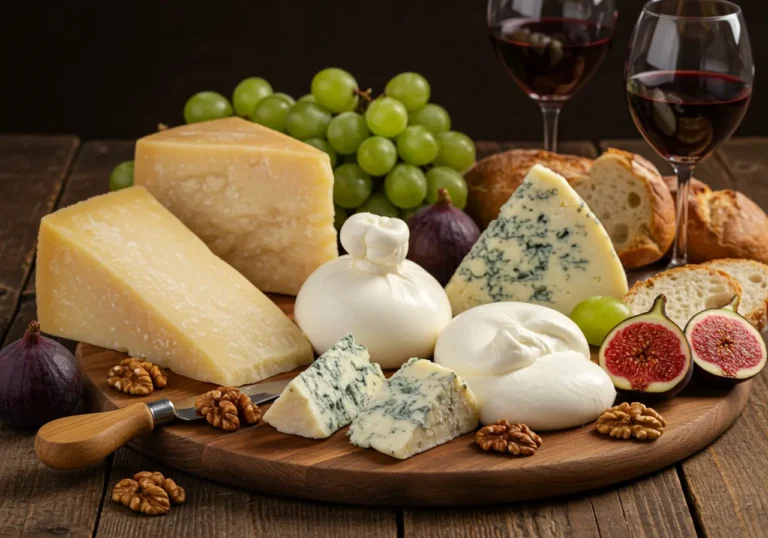
An antipasto platter serves as Italy’s answer to a charcuterie board, featuring an abundant selection of cured meats, cheeses, marinated vegetables, olives, and bread. The beauty of this appetizer lies in its variety—each component offers different flavors, textures, and colors that create a feast for all senses. Typical items include prosciutto, salami, mortadella, provolone, Parmigiano-Reggiano, marinated artichokes, roasted peppers, and sun-dried tomatoes. Arranged artfully on a large platter, antipasto encourages communal eating and conversation. It’s perfect for sharing, offers something for everyone, and allows diners to customize their experience by combining flavors according to personal preference.
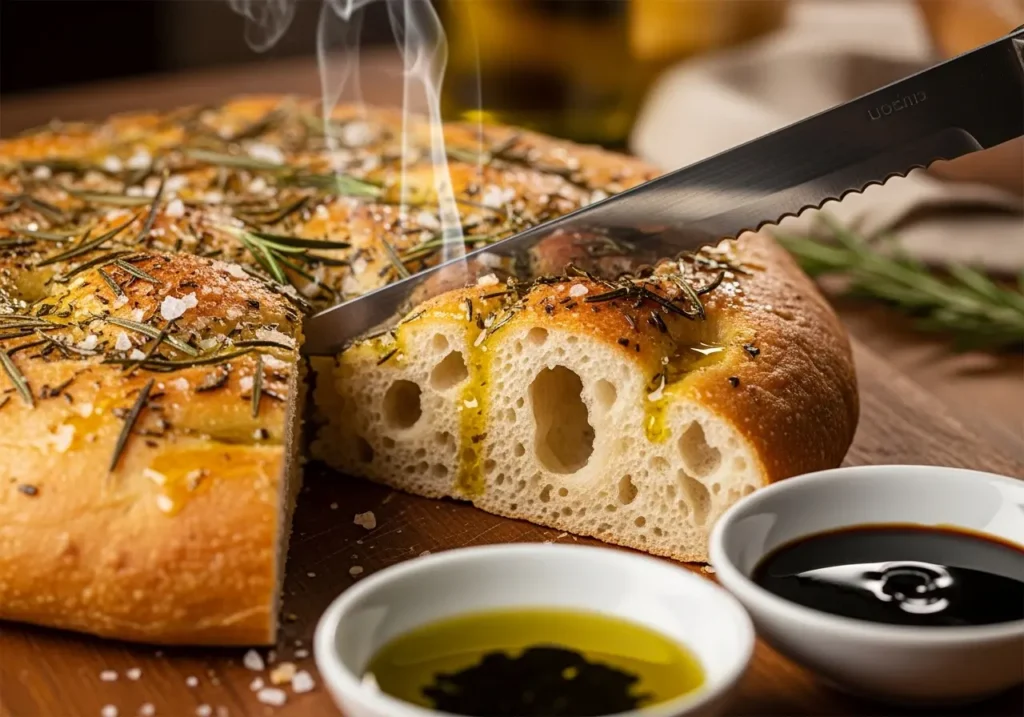
Garlic and Herb Focaccia
Garlic and herb focaccia is a pillowy Italian flatbread dimpled with fingerprints, drizzled with olive oil, and studded with aromatic garlic and fresh herbs like rosemary. Originating in Liguria, focaccia has become a beloved appetizer throughout Italy and beyond. The dough is generously olive oil-enriched, creating a tender crumb with a crispy, golden bottom. Before baking, coarse sea salt, garlic cloves, and herb sprigs are pressed into the dough’s characteristic dimples. The result is aromatic, satisfying bread that’s perfect for tearing and sharing. Whether served plain or topped with tomatoes, onions, or olives, focaccia embodies Italian baking traditions and hospitality.
FAQs About Classic Italian Appetizers
What is the difference between antipasto and appetizers?
Antipasto is the Italian term for appetizers, literally meaning “before the meal.” In Italy, antipasti are specifically designed to stimulate the appetite before the first course (primo) of pasta or risotto. Traditional Italian meals follow a structured sequence: antipasto, primo, secondo (main course), and dolce (dessert). While the term “appetizer” is more general and used globally, antipasto refers specifically to Italian starters and carries cultural significance about pacing and enjoying a meal leisurely.
Can I serve multiple classic Italian appetizers together?
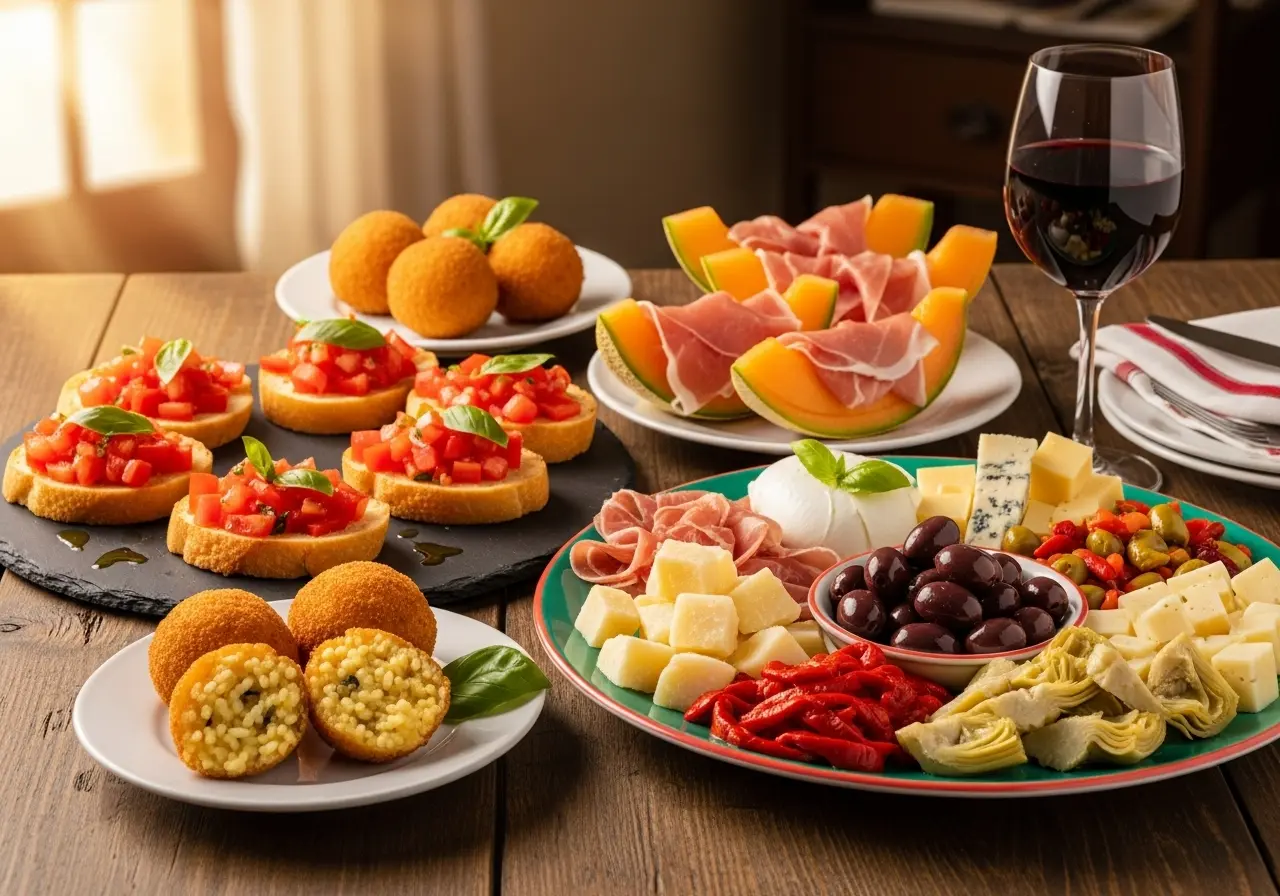
Absolutely! Serving multiple antipasti is not only acceptable but encouraged in Italian dining culture. An assortment allows guests to experience various flavors, textures, and regional specialties in one meal. When planning, aim for balance—combine hot and cold dishes, include options for different dietary preferences, and vary textures from crispy to creamy. A typical selection might include bruschetta, a cheese and meat platter, fried calamari, and Caprese salad. Just ensure portions are modest since several courses will follow.
Are classic Italian appetizers suitable for vegetarians?
Many classic Italian appetizers are naturally vegetarian or easily adapted. Bruschetta, Caprese salad, focaccia, stuffed zucchini flowers, and many items on an antipasto platter (cheeses, marinated vegetables, olives) contain no meat. Italian cuisine has a strong tradition of vegetable-forward cooking, especially in southern regions where vegetables are celebrated. When dining out, communicate your preferences, as some dishes like traditional Tuscan crostini or antipasto platters contain meat but can be modified or substituted with equally delicious vegetarian alternatives.
What wine pairs best with classic Italian appetizers?
Wine pairing depends on the specific appetizer, but generally, lighter wines work best with antipasti. Prosecco or other sparkling wines are excellent universal choices that cleanse the palate between different dishes. For seafood appetizers like calamari or carpaccio, try crisp white wines such as Pinot Grigio or Vermentino. Meat-based antipasti pair well with light reds like Chianti or Valpolicella. For rich options like chicken liver pâté, consider a fuller-bodied white or light red. When serving multiple appetizers, opt for versatile, food-friendly wines that won’t overpower delicate flavors.
How far in advance can I prepare classic Italian appetizers?
Preparation timing varies by dish. Bruschetta and Caprese should be assembled just before serving to maintain freshness and prevent sogginess. Arancini and fried calamari can be prepared ahead and reheated, though they’re best enjoyed freshly fried. Marinated items on antipasto platters actually improve when made a day ahead, allowing flavors to develop. Focaccia dough can be prepared the night before and baked fresh. Carpaccio should be sliced close to serving time but can be dressed at the last minute. Generally, plan cold items for advance preparation while keeping fried and fresh items for last-minute assembly.
What makes an Italian appetizer “authentic”?
Authentic Italian appetizers prioritize quality ingredients, regional traditions, and simplicity over complexity. They typically feature seasonal, local produce and products made using traditional methods—like DOP-certified cheeses or slow-cured prosciutto. Authentic recipes avoid unnecessary embellishment, letting each ingredient’s natural flavor shine. Portion sizes are moderate, designed to stimulate rather than satisfy appetite completely. Authenticity also means respecting regional variations; for example, Sicilian arancini differ from Roman supplì. Rather than following trendy food fusions, authentic antipasti honor centuries-old recipes while allowing for natural evolution based on available ingredients.
Conclusion
Classic Italian appetizers offer the perfect introduction to Italy’s extraordinary culinary tradition, combining simplicity, quality ingredients, and regional pride in every bite. From the coastal flavors of fried calamari to Tuscany’s rustic crostini, from Sicily’s golden arancini to the elegant simplicity of Caprese salad, these ten antipasti represent the best of Italian starter culture. Each dish tells a story about its region, showcases time-honored techniques, and proves that the most memorable meals begin long before the main course arrives.
Now it’s your turn to experience these flavors! Whether you’re planning your next Italian adventure, looking for menu guidance at your favorite trattoria, or preparing to recreate these dishes at home, you now have the knowledge to start your meal the Italian way. Don’t settle for ordinary appetizers when you can enjoy the classics that have delighted diners for generations. Choose two or three from this list for your next gathering, focus on quality ingredients, and embrace the Italian philosophy of slow, social dining.
Join thousands of food lovers who have discovered that the secret to an unforgettable Italian meal starts with the right antipasto. Share your favorite classic Italian appetizers in the comments below, tag us in your photos when you try these dishes, and let us know which regional specialties you’re eager to explore next. Buon appetito!