10 Best Sanremo Attractions You Should Visit
Introduction
Ever arrived in a coastal town only to wander aimlessly, wondering which attractions are truly worth your time? We’ve all been there, guidebook in hand, overwhelmed by countless recommendations and limited vacation days. Sanremo deserves better than a rushed, uncertain visit.
This comprehensive guide will transform your Sanremo experience from potentially frustrating to absolutely unforgettable. You’ll discover the city’s most captivating attractions, from Belle Époque grandeur to medieval charm, ensuring every moment of your Italian Riviera getaway counts.
Having explored Italy’s coastal gems extensively and researched Sanremo’s cultural landscape thoroughly, I’ve curated this list to help you experience the authentic soul of this remarkable city. Whether you’re a history enthusiast, architecture lover, or simply seeking Mediterranean beauty, you’ll find exactly what makes Sanremo special.
In this guide, you’ll explore Sanremo’s top ten must-visit attractions, understand why this coastal jewel deserves a spot on your itinerary, and get answers to the most common questions travelers have about visiting this enchanting Italian destination.
Table of Contents
Why You Should Visit Sanremo
Sanremo effortlessly blends Italian elegance with Riviera charm, creating a destination that appeals to diverse traveler interests. The city’s rich cultural heritage spans from medieval quarters to Belle Époque architecture, offering history buffs and casual explorers alike a fascinating journey through time.
Convenience is another compelling reason to choose Sanremo. Nestled along the Italian Riviera between Monaco and Genoa, the city serves as an ideal base for exploring the Ligurian coast. Its compact historic center means you can experience major attractions on foot, while excellent train connections make day trips to nearby French and Italian towns remarkably easy.
The variety of experiences available in Sanremo is truly impressive. Morning might find you exploring ancient church frescoes, afternoon strolling palm-lined promenades with Mediterranean views, and evening trying your luck at Italy’s oldest casino. From sacred sanctuaries perched on hillsides to world-class museums celebrating Nobel Prize winners, Sanremo offers experiences that cater to culture seekers, nature lovers, and leisure travelers alike. The city’s famous flower market, music festival legacy, and authentic Italian atmosphere create a destination that reveals new delights with every visit.
10 Best Sanremo Attractions You Should Visit
1. Concattedrale di San Siro
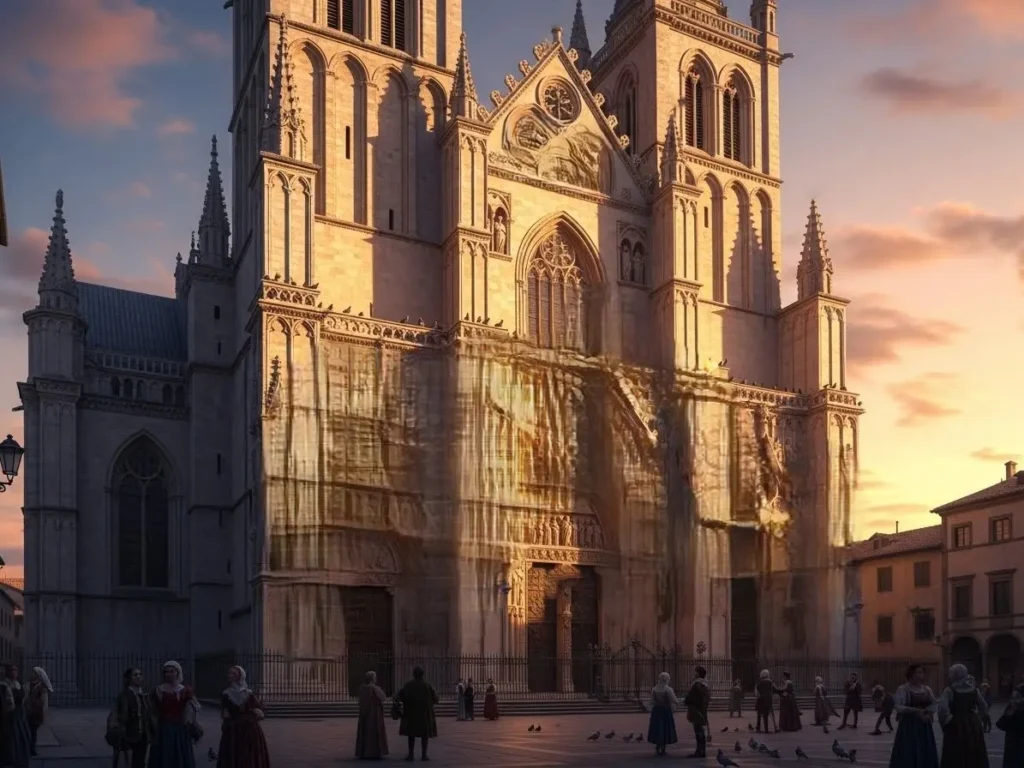
The Concattedrale di San Siro stands as Sanremo’s spiritual heart and architectural masterpiece. This Romanesque cathedral, dating back to the 12th century, showcases the city’s medieval heritage through its striking facade and impressive interior. The cathedral’s baroque modifications blend seamlessly with original Romanesque elements, creating a visual timeline of Sanremo’s religious and artistic evolution.
Inside, visitors discover stunning frescoes, intricate marble work, and sacred art that spans centuries. The cathedral’s bell tower offers a distinctive landmark visible throughout the old town, while its peaceful interior provides a contemplative contrast to the bustling streets outside. Art enthusiasts will appreciate the carefully preserved religious paintings and sculptural details that demonstrate the skill of Ligurian craftsmen across generations.
Located in the heart of La Pigna, the historic quarter, the cathedral serves as an ideal starting point for exploring Sanremo’s medieval core. Whether you’re drawn by faith, architecture, or history, this sacred space offers insights into the traditions that shaped this coastal community.
2. Santuario Diocesano Nostra Signora Assunta – Madonna della Costa
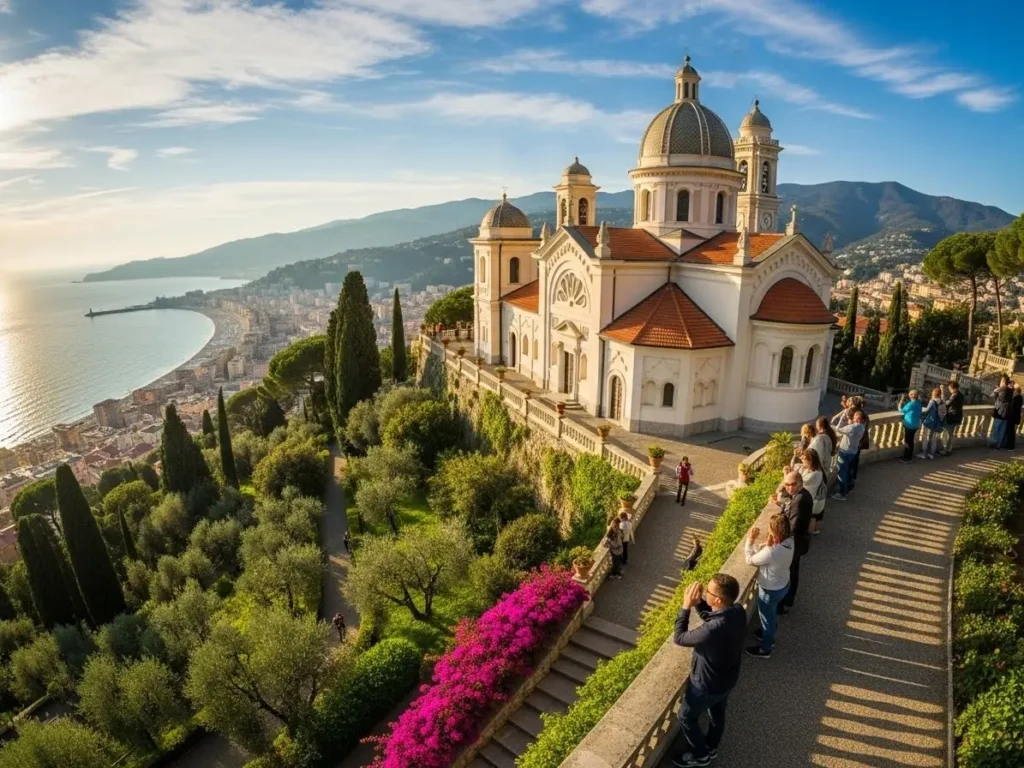
Perched high above Sanremo with commanding views of the Mediterranean, the Sanctuary of Madonna della Costa represents both spiritual devotion and architectural achievement. This baroque sanctuary, built in the 17th century, attracts pilgrims and visitors alike with its ornate interior and breathtaking hilltop location.
The sanctuary’s facade, adorned with elegant baroque details, prepares visitors for the visual splendor within. Inside, gilded decorations, vibrant frescoes, and marble altars create an atmosphere of reverence and beauty. The sanctuary houses numerous ex-votos, offerings from sailors and locals grateful for divine protection, providing touching glimpses into centuries of faith and maritime tradition.
The journey to reach Madonna della Costa rewards visitors with panoramic vistas of Sanremo, the coastline, and surrounding hills. The sanctuary’s elevated position makes sunset visits particularly magical, as golden light bathes both the sacred building and the azure sea below. For those seeking spiritual reflection or simply spectacular views, this hilltop treasure delivers unforgettable experiences.
3. Casinò di Sanremo
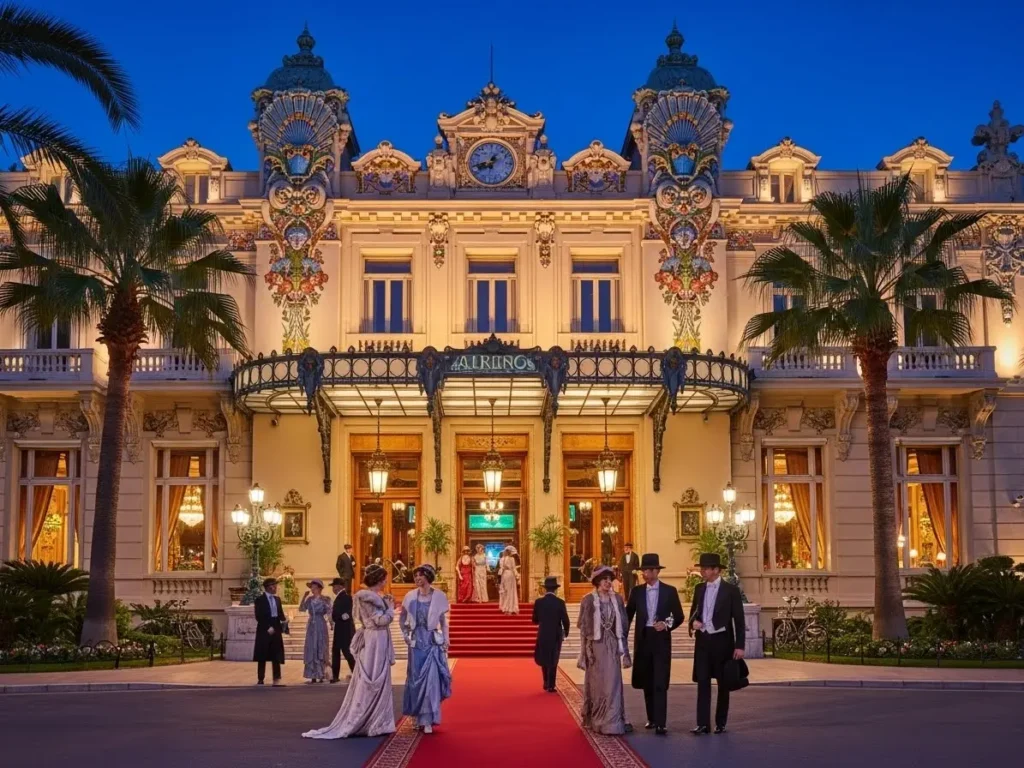
The Casinò di Sanremo embodies Belle Époque glamour and remains one of Italy’s most prestigious gaming establishments. Opened in 1905, this Art Nouveau masterpiece has hosted royalty, celebrities, and fortune-seekers for over a century. The casino’s elegant architecture, with its distinctive facade and lavish interiors, transports visitors to an era of European sophistication and leisure.
Beyond gaming tables and slot machines, the casino functions as a cultural venue hosting concerts, conferences, and special events throughout the year. The building’s ornate halls, crystal chandeliers, and period furnishings make it worth visiting even if gambling isn’t your interest. The casino’s role in Sanremo’s identity is significant—it has shaped the city’s development and international reputation for generations.
Visitors should note that appropriate attire is required for entry, and identification must be presented at the door. Whether you’re trying your luck at roulette, admiring the architecture, or simply soaking in the atmosphere, the Casinò di Sanremo offers a taste of Italian Riviera elegance that few other venues can match.
4. Passeggiata dell’Imperatrice
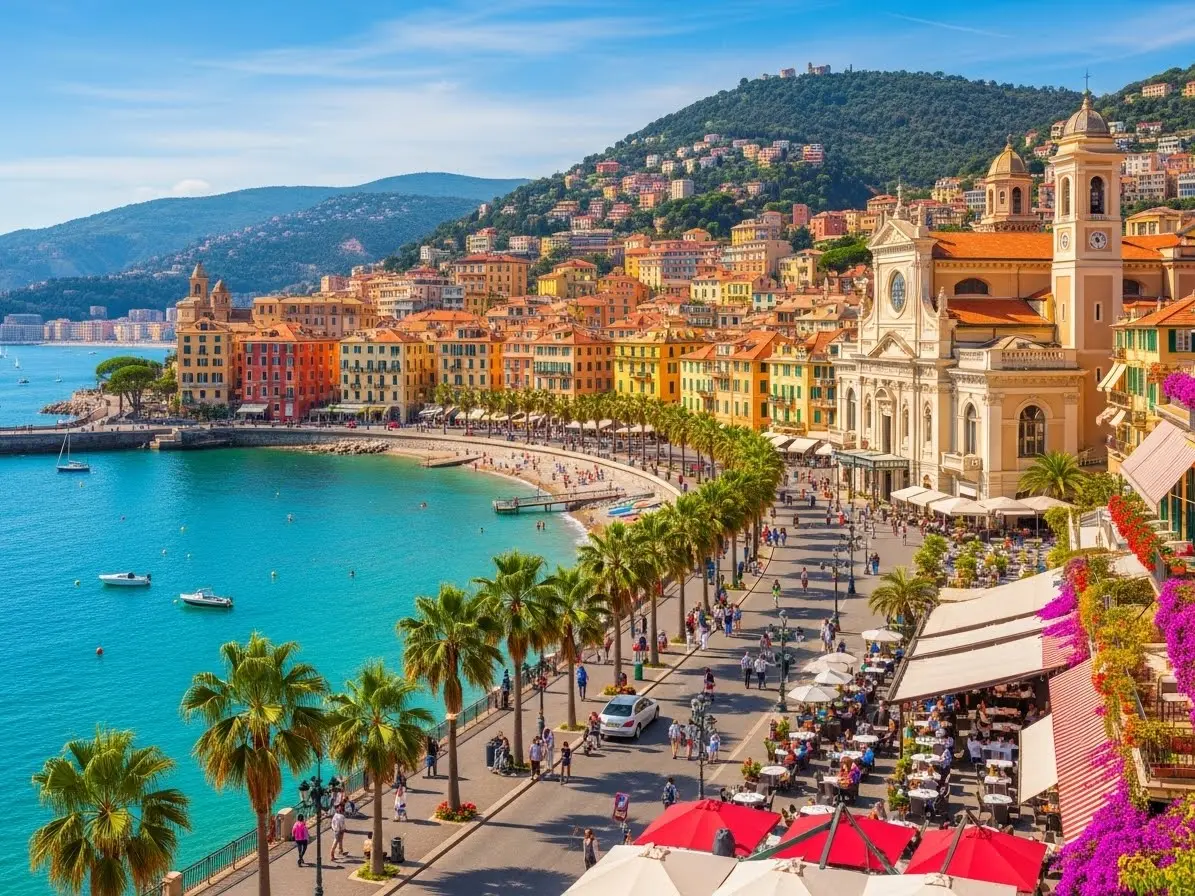
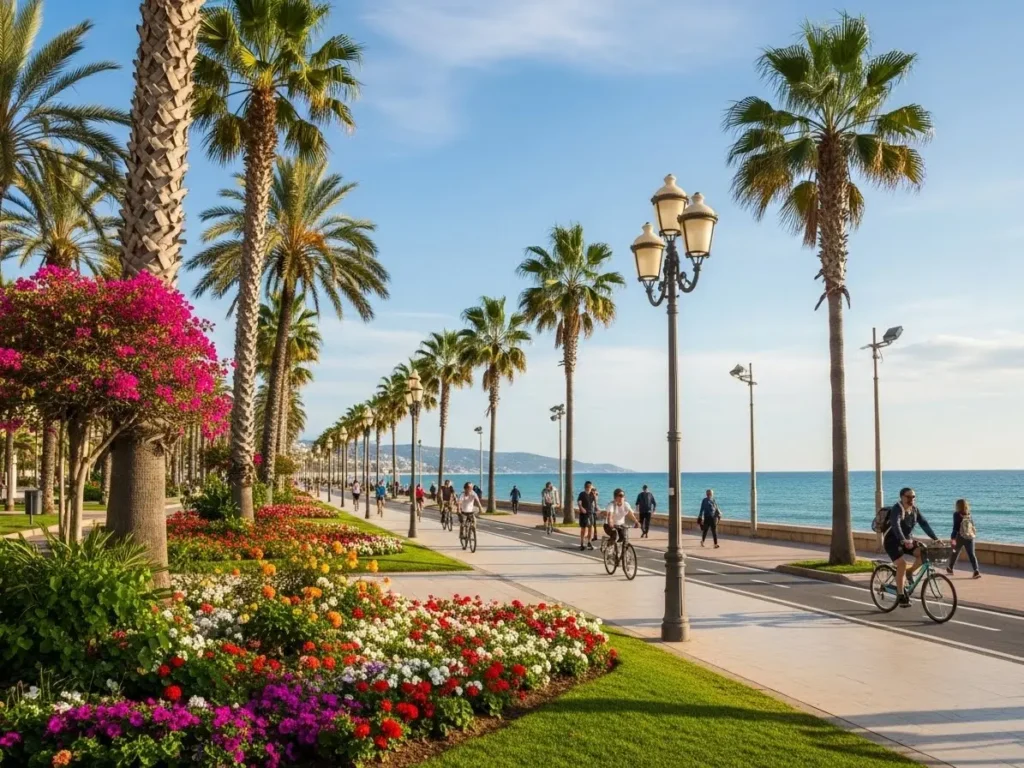
The Passeggiata dell’Imperatrice (Empress Promenade) epitomizes Mediterranean coastal beauty and remains Sanremo’s most beloved public space. Named after Empress Maria Alexandrovna of Russia, who wintered in Sanremo during the 1870s, this palm-lined waterfront boulevard stretches along the azure coast, offering stunning sea views and gentle breezes.
The promenade’s distinctive feature is its remarkable collection of palm trees, some towering over 20 meters high, creating an exotic canopy that provides shade while maintaining open views to the sea. Art Nouveau and Liberty-style buildings line portions of the walkway, their pastel facades adding architectural interest to the natural beauty. Benches positioned along the route invite leisurely contemplation of the Mediterranean, while well-maintained gardens add seasonal color.
Perfect for morning jogs, afternoon strolls, or sunset walks, the Passeggiata dell’Imperatrice connects visitors with Sanremo’s coastal essence. Street performers occasionally entertain passersby, cafes offer refreshment stops, and the gentle sound of waves provides a constant soundtrack. This elegant promenade demonstrates why Sanremo became a favored destination for European aristocracy seeking mild winters and coastal tranquility.
5. Villa Nobel
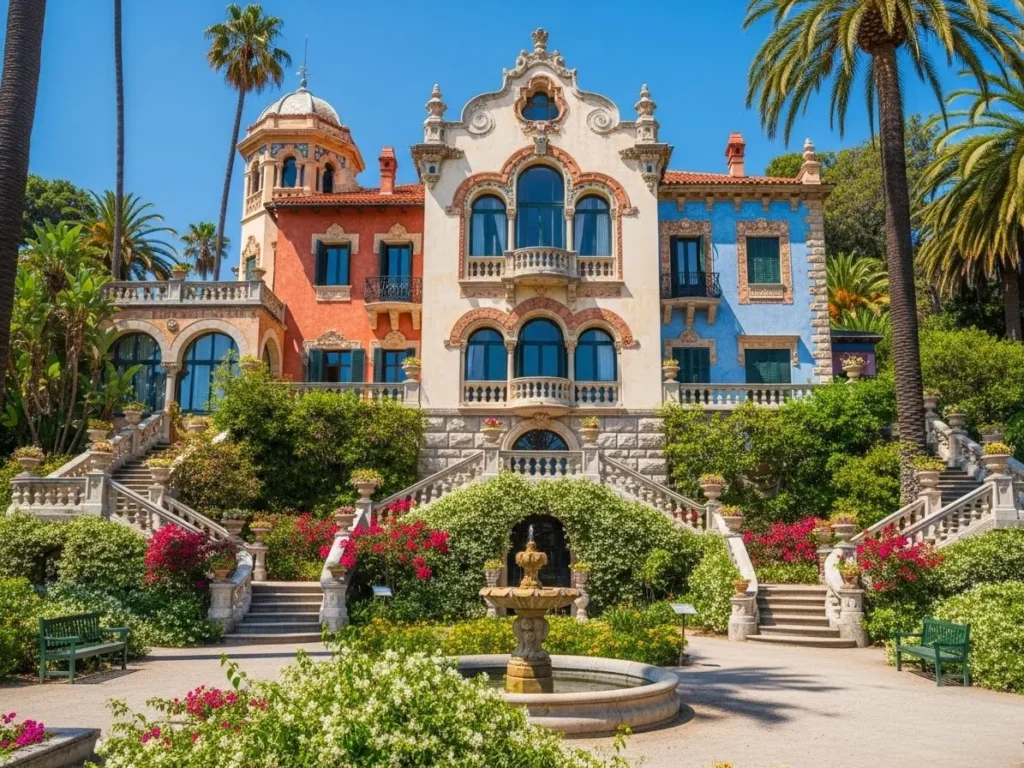
Villa Nobel preserves the legacy of Alfred Nobel, the Swedish inventor and philanthropist who established the world’s most prestigious awards. Nobel spent his final years in this elegant Moorish-style villa overlooking the sea, and today it serves as a museum dedicated to his life, work, and the Nobel Prize tradition.
The villa’s architecture alone justifies a visit, with its distinctive tower, ornate details, and beautifully maintained gardens offering panoramic coastal views. Inside, exhibitions explore Nobel’s inventions, particularly dynamite and other explosives, while also examining his complex personality and his decision to establish prizes recognizing achievements in physics, chemistry, medicine, literature, and peace.
Interactive displays make the museum engaging for visitors of all ages, while the peaceful gardens provide space for reflection on Nobel’s paradoxical legacy—an inventor of destructive materials who ultimately championed human progress and peace. The villa regularly hosts cultural events, conferences, and temporary exhibitions, maintaining its role as a center for intellectual exchange. For those interested in science history, innovation, or simply exploring a beautifully preserved historic residence, Villa Nobel offers enriching experiences.
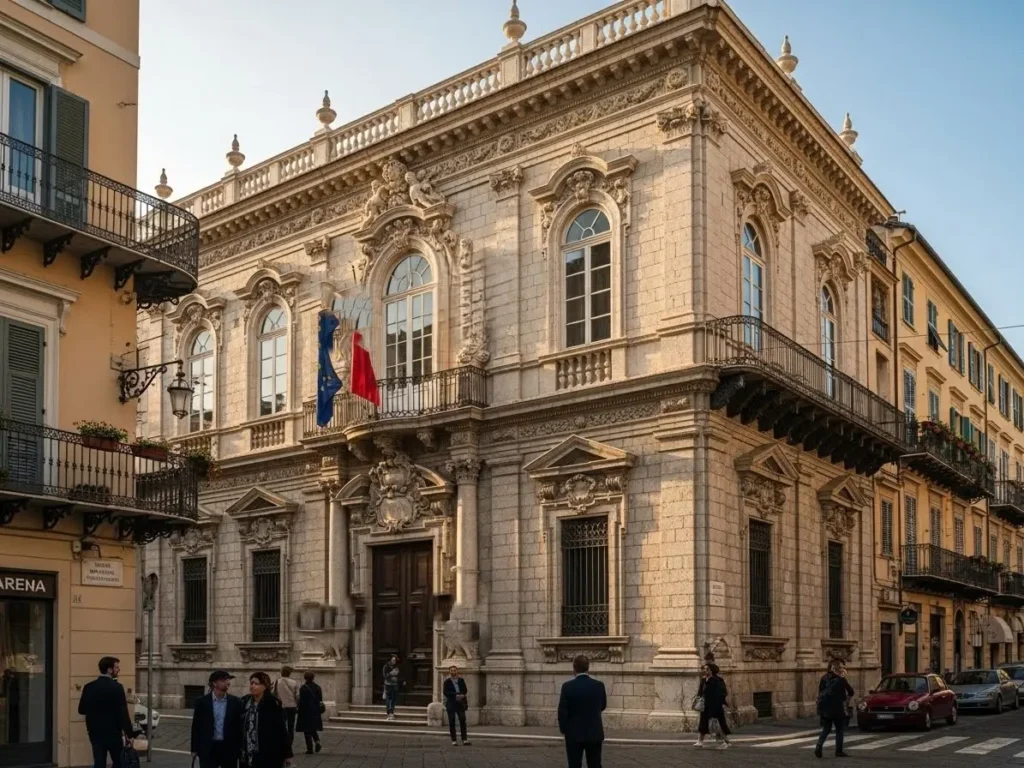
6. Palazzo Borea d’Olmo
Palazzo Borea d’Olmo stands as Sanremo’s finest example of aristocratic architecture, offering visitors a glimpse into the lifestyle of Ligurian nobility. This impressive 15th-century palace, with later baroque additions, showcases the wealth and taste of the Borea d’Olmo family, who played significant roles in Sanremo’s history.
The palace now houses the Civic Museum, where collections span archaeology, art, and local history. Ancient Roman artifacts reveal Sanremo’s classical past, while medieval and Renaissance pieces document the city’s evolution. Particularly noteworthy are the palace’s frescoed rooms, where original decorations transport visitors to an era of grand receptions and aristocratic life.
The museum’s layout allows visitors to explore both the historical collections and the architectural splendor of the building itself. Ornate ceilings, period furnishings, and carefully restored rooms create an immersive experience. The palace’s central location in Sanremo’s historic quarter makes it easily accessible, and its comprehensive collections provide valuable context for understanding the city’s development from ancient settlement to modern resort destination.
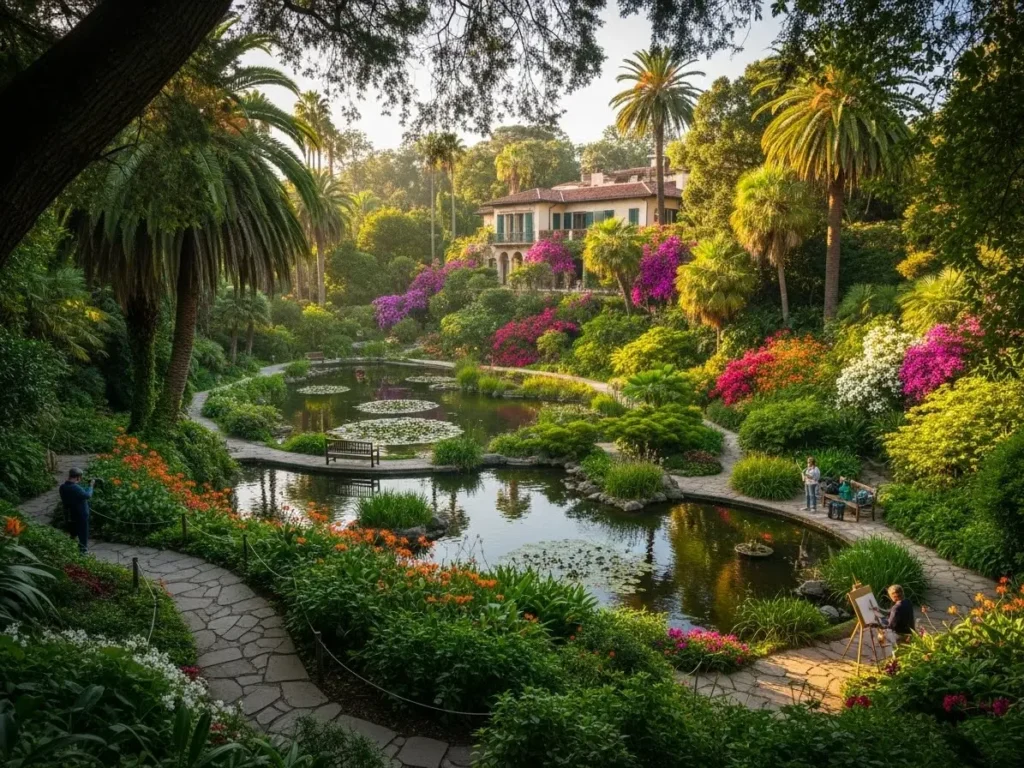
7. Villa Ormond
Villa Ormond represents 19th-century elegance combined with botanical splendor. This neoclassical villa, built for Swiss businessman Michel Louis Ormond, features architecture that balances grandeur with coastal charm. While the villa itself hosts municipal offices and cultural events, the surrounding gardens are the true attraction, open to the public and offering one of Sanremo’s most peaceful retreats.
The gardens showcase diverse plant species from around the world, reflecting the mild climate that allows exotic flora to flourish. Mature trees provide shade along winding paths, while flower beds offer seasonal color throughout the year. Japanese garden elements, including a traditional tea house, add international flair and demonstrate the cultural exchange that characterized the era when wealthy Europeans created these elaborate estates.
Fountains, sculptures, and carefully designed vistas create photogenic moments at every turn. The gardens’ elevation provides partial sea views, while their lush vegetation creates a green oasis in the heart of the city. Whether you’re a gardening enthusiast, seeking a tranquil spot for reading, or simply wanting to escape the midday sun, Villa Ormond’s gardens deliver beauty and serenity.
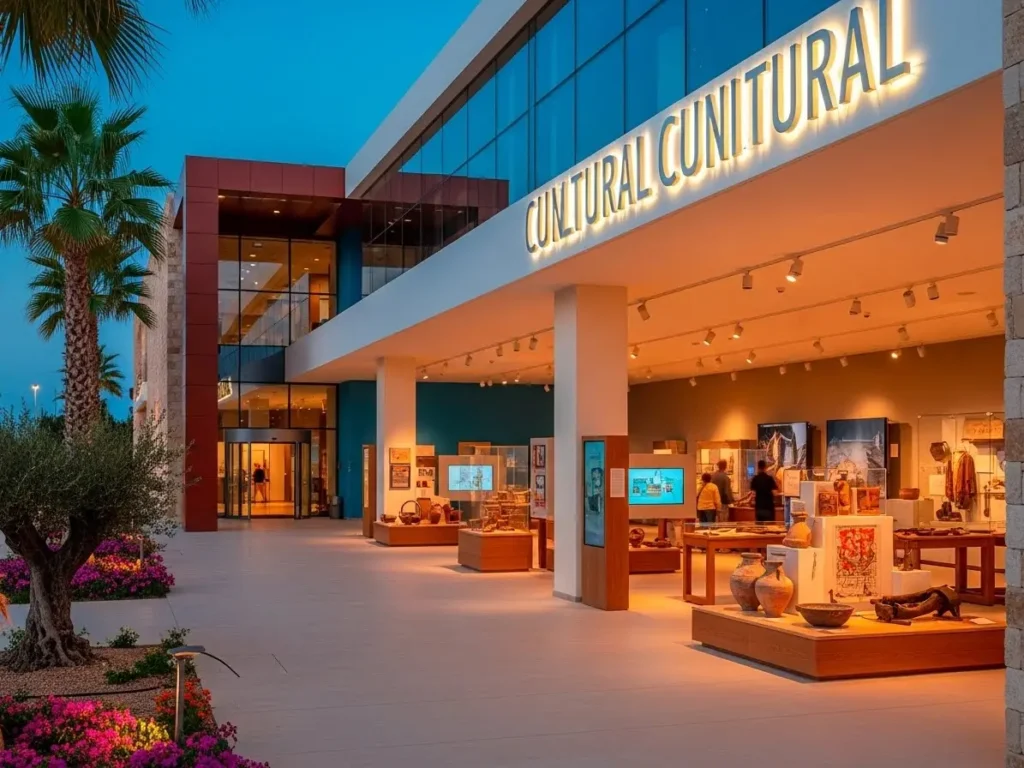
8. Museum of Sanremo
The Museum of Sanremo, housed within Palazzo Borea d’Olmo, deserves special mention for its comprehensive exploration of local history and culture. The museum’s collections bring Sanremo’s past to life through archaeological finds, historical documents, and artistic treasures that span from prehistoric times to the modern era.
Archaeological sections display Roman artifacts that demonstrate ancient settlement patterns, while medieval exhibits reveal the city’s development during centuries of maritime trade and political complexity. Artwork from local and regional artists provides insights into Ligurian artistic traditions, and the decorative arts collection showcases the craftsmanship that flourished in this prosperous coastal city.
Special exhibitions rotate throughout the year, often focusing on specific aspects of Sanremo’s heritage, from its famous flower cultivation to its role as a winter destination for European aristocracy. The museum’s educational programs and guided tours enhance understanding, making it valuable for both casual visitors and serious history enthusiasts. For those wanting to understand what shaped Sanremo into the city it is today, this museum provides essential context and fascinating discoveries.
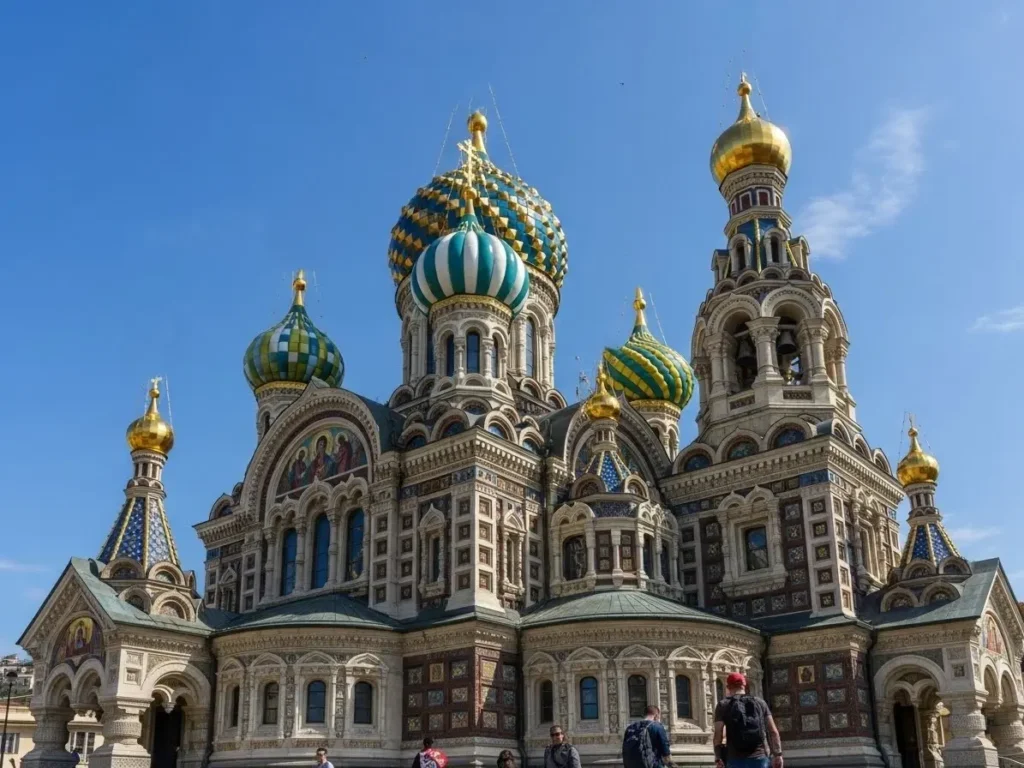
9. Russian Orthodox Church of Christ the Savior, St. Seraphim of Sarov and St. Catherine
The Russian Orthodox Church stands as a stunning testament to Sanremo’s cosmopolitan past and its role as a favored winter destination for Russian aristocracy in the late 19th century. This architectural gem, with its distinctive onion domes and white facade, transports visitors from the Italian Riviera to Imperial Russia.
Built in the early 20th century to serve the substantial Russian community wintering in Sanremo, the church showcases authentic Russian Orthodox architecture and decoration. Inside, visitors discover richly decorated iconostasis, beautiful icons, and the distinctive atmosphere of Eastern Orthodox worship. The church’s construction quality and artistic details reflect the wealth and devotion of the Russian aristocrats who funded its creation.
The church remains active for worship, hosting services that maintain Russian Orthodox traditions. Visitors are welcome outside service times, with modest dress required as in any house of worship. The surrounding garden area provides a peaceful setting for appreciating the building’s exterior beauty. This unique structure adds international flavor to Sanremo’s architectural landscape and serves as a reminder of the city’s historical role as a crossroads of European cultures.
10. Porticato de La Pigna
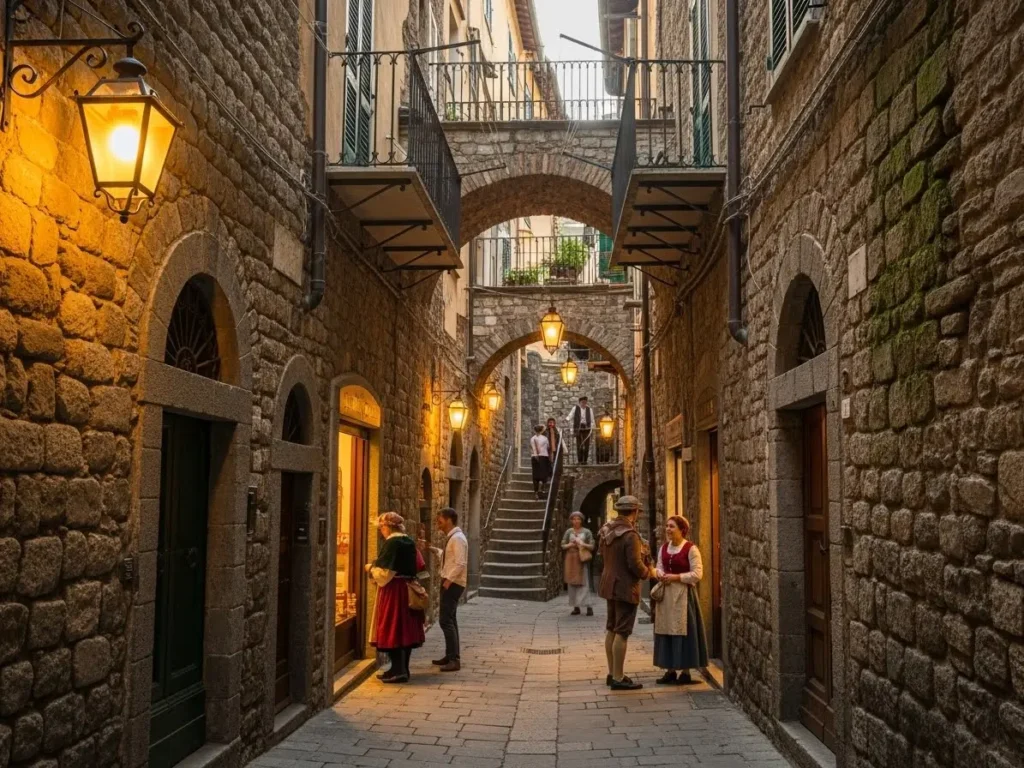
The Porticato de La Pigna offers an authentic journey into medieval Sanremo, where narrow covered passages and ancient stone buildings create an atmospheric maze that feels worlds away from the modern promenade below. La Pigna, meaning “the pine cone,” earned its name from the way its concentric streets spiral upward, mimicking the pattern of a pine cone’s scales.
This historic quarter represents Sanremo’s oldest inhabited area, with origins dating back to medieval times when defensive considerations shaped urban planning. The porticati (covered passages) provided shelter from sun and rain while creating defensive advantages against invaders. Today, these passages enchant visitors with their shadowy beauty, worn stone steps, and occasional glimpses of sea views between buildings.
Wandering La Pigna reveals hidden squares, ancient doorways, local workshops, and residential life that continues centuries-old patterns. Small churches, neighborhood shrines, and architectural details reward observant explorers. The quarter’s elevation means some climbing is required, but the authentic medieval atmosphere and panoramic views from upper reaches make the effort worthwhile. Visiting during late afternoon, when soft light filters through the passages, creates particularly magical experiences.
FAQs About Sanremo
How many days do I need to explore Sanremo?
Two to three days allows comfortable exploration of Sanremo’s main attractions while maintaining a relaxed pace. A single day covers highlights if you’re pressed for time, but additional days let you explore museums thoroughly, enjoy the coastal atmosphere, and take day trips to nearby towns like Bordighera or Dolceacqua.
What’s the best time of year to visit Sanremo?
Spring (April to June) and autumn (September to October) offer ideal conditions with pleasant temperatures, fewer crowds, and lower accommodation prices. The famous Sanremo Music Festival takes place in late February or early March, attracting music enthusiasts but also raising prices and crowds. Summer brings warm weather perfect for beaches but also peak tourist numbers.
Is Sanremo expensive to visit?
Sanremo offers moderate pricing compared to nearby Monaco or Portofino. Accommodation ranges from budget-friendly guesthouses to luxury hotels, with mid-range options widely available. Dining costs align with typical Italian Riviera prices—expect to pay more at waterfront restaurants than at trattorias in La Pigna. Many attractions, including churches and gardens, have free or low-cost entry.
How do I get to Sanremo?
Trains connect Sanremo to major Italian and French cities, with frequent service along the coastal line between Genoa and Ventimiglia. The nearest major airports are Nice (France), about 60 kilometers west, and Genoa, approximately 140 kilometers east. Both airports offer ground transportation to Sanremo via train or bus. Driving is possible, though parking in the historic center can be challenging.
What local dishes should I try in Sanremo?
Ligurian cuisine shines in Sanremo, with specialties including focaccia barese (local flatbread), pansotti (triangular pasta with walnut sauce), and sardenaira (Ligurian pizza with tomatoes, olives, and anchovies). Fresh seafood features prominently on menus, and the region’s pesto originated nearby. Don’t miss trying local olive oil and wines from Ligurian vineyards.
Can I visit Sanremo as a day trip?
Absolutely, Sanremo works well as a day trip from Nice, Monaco, Genoa, or other Riviera towns thanks to excellent train connections. A day allows you to see major attractions, stroll the promenade, explore La Pigna, and enjoy a meal. However, staying overnight lets you experience the city’s evening atmosphere and provides more time for museums and gardens.
Conclusion
Sanremo captivates visitors with its unique blend of medieval charm, Belle Époque elegance, and Mediterranean beauty. From the spiritual heights of Madonna della Costa to the historic passages of La Pigna, from Nobel’s legacy at Villa Nobel to the coastal splendor of Passeggiata dell’Imperatrice, each attraction reveals different facets of this remarkable city.
These ten attractions represent the essential Sanremo experience, but they’re just the beginning. Between visits to cathedrals and casinos, museums and gardens, you’ll discover neighborhood cafes, local markets, and coastal views that create lasting memories. Sanremo rewards those who wander its streets with curiosity and openness to discovery.
Start planning your Sanremo adventure today. Book your accommodation near La Pigna for easy access to historic attractions, or choose waterfront hotels for morning sea views. Research train schedules if visiting from nearby cities, and consider timing your visit during the shoulder seasons for optimal weather and value. Sanremo awaits with palm-lined promenades, cultural treasures, and that unmistakable Italian Riviera atmosphere.
Thousands of travelers have fallen under Sanremo’s spell, from Russian empresses to Nobel laureates, from music festival attendees to modern explorers seeking authentic Italian coastal experiences. Join them in discovering why this corner of Liguria has captivated visitors for generations—your perfect Mediterranean escape begins in Sanremo.