12 Incredible Details Inside the Pantheon in Rome
Introduction
Overwhelmed by planning the perfect Italy trip and wondering which Roman monuments truly deserve your precious vacation time? Standing before the Pantheon’s massive bronze doors, you’re about to discover why this 2,000-year-old architectural marvel continues to captivate millions of visitors annually. This comprehensive guide reveals the incredible details inside the Pantheon that transform a simple sightseeing stop into an unforgettable journey through ancient Roman ingenuity.
As a travel strategist who has explored Rome’s historical treasures for over a decade, I’ve witnessed countless travelers rush through the Pantheon without understanding its remarkable secrets. From the engineering genius of its perfect dome to the hidden drainage systems that still function today, these incredible details will forever change how you experience this iconic landmark.
This guide covers everything from the Pantheon’s architectural wonders and royal tombs to practical travel tips, suggested itineraries, and frequently asked questions that will help you maximize your Roman adventure.
Table of Contents
Why Visit Pantheon in Rome
The Pantheon represents Rome’s most accessible and awe-inspiring ancient monument, offering visitors an authentic encounter with Roman engineering genius that has survived nearly 2,000 years of history, wars, and natural disasters.
Perfect for history enthusiasts, architecture lovers, or casual sightseers – Whether you’re fascinated by ancient Roman civilization, appreciate innovative building techniques, or simply want to experience one of the world’s most famous monuments, the Pantheon delivers unforgettable experiences for every type of visitor.
Offers unmatched architectural wonder and historical significance – This perfectly preserved Roman temple showcases engineering techniques that modern builders still study, featuring the world’s largest unreinforced concrete dome and innovative design elements that continue to inspire architects worldwide.
Easy access in the heart of Rome with free admission – Located in Rome’s historic center within walking distance of other major attractions, the Pantheon requires no advance booking or entrance fees, making it accessible to all travelers regardless of budget or planning timeline.
12 Incredible Details Inside the Pantheon in Rome
The Oculus
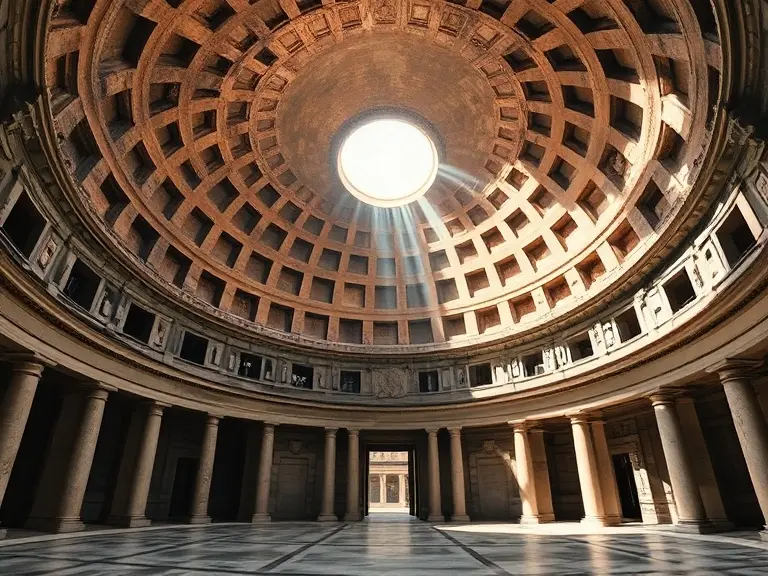
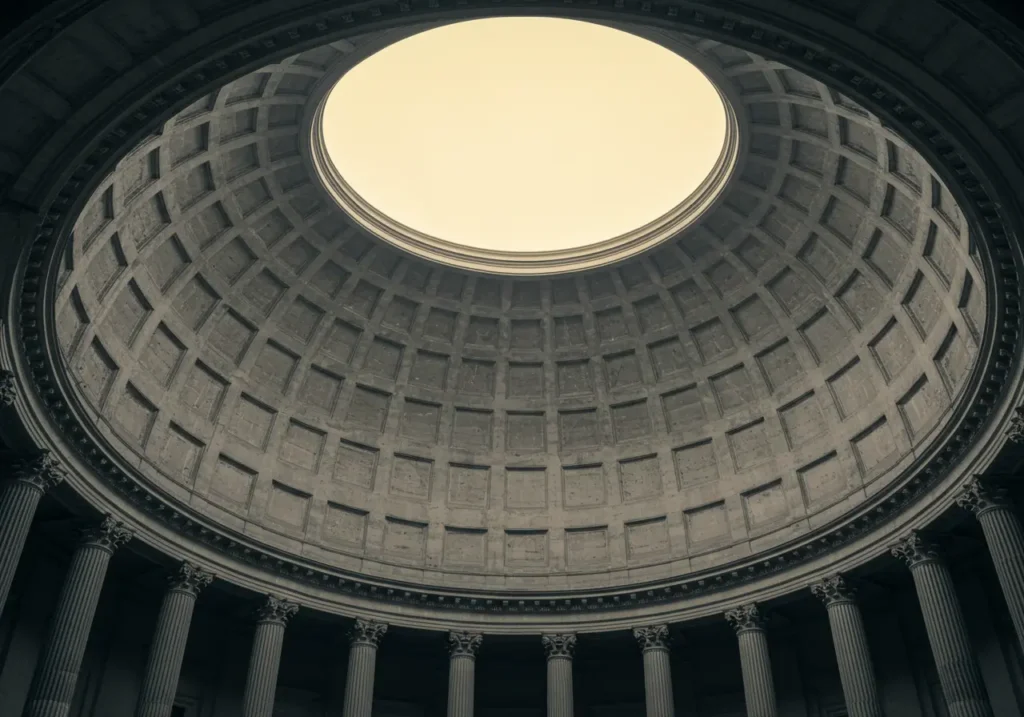
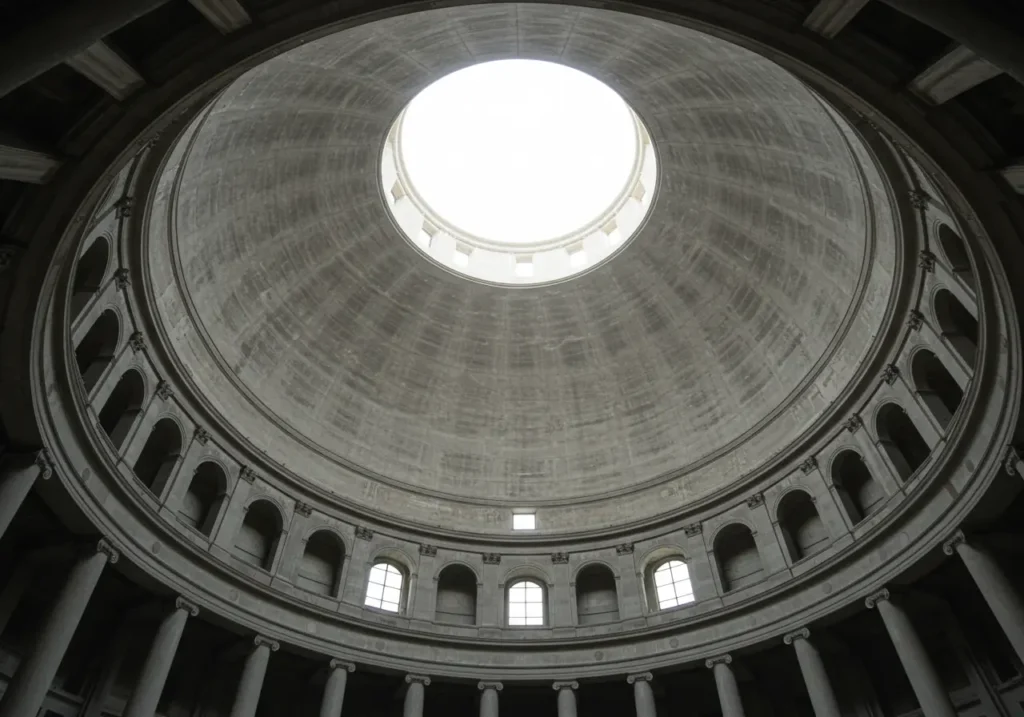
The Pantheon’s oculus represents ancient Rome’s most daring architectural achievement, featuring a perfect 30-foot circular opening at the dome’s apex that serves as the building’s sole light source. This engineering marvel eliminates the need for windows while creating dramatic lighting effects that change throughout the day, highlighting different architectural elements as the sun moves across the sky. The oculus also serves practical purposes, allowing rainwater to enter and drain through the sloped marble floor system, while the opening’s size perfectly balances structural integrity with natural illumination needs.
Perfect Dome
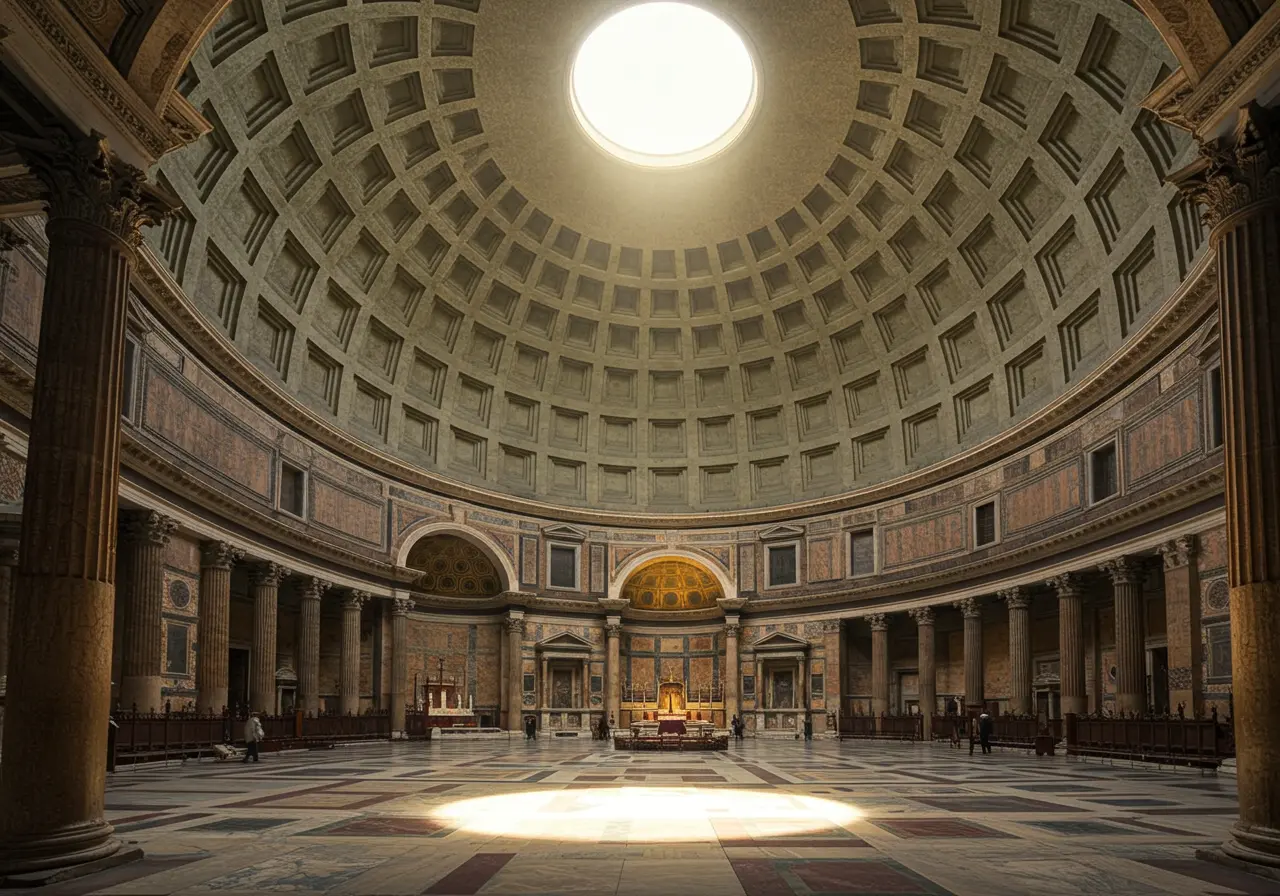
The Pantheon’s dome remains the world’s largest unreinforced concrete dome, measuring exactly 142 feet in diameter and height, creating perfect geometric harmony that has inspired architects for nearly two millennia. Roman engineers achieved this perfection by gradually reducing the concrete’s weight from the base to the top, using heavy travertine and tuff at the bottom while incorporating lightweight pumice near the oculus opening. The dome’s proportions follow precise mathematical ratios that create optical illusions, making the interior appear larger than its actual dimensions while maintaining structural stability that has survived earthquakes, wars, and centuries of weathering.
Coffered Ceiling
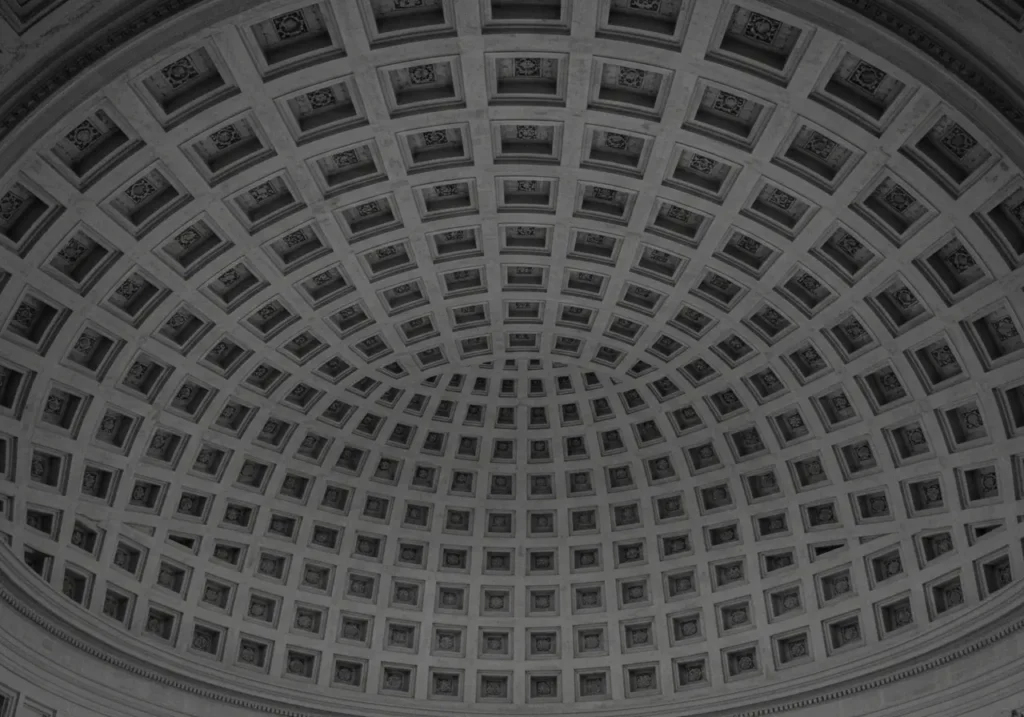
The Pantheon’s coffered ceiling features 140 precisely carved stone panels arranged in five concentric rings, each panel decreasing in size as they approach the central oculus to create stunning visual perspective effects. These coffers serve dual purposes as both decorative elements and structural engineering solutions, reducing the dome’s overall weight while maintaining its strength and stability. Originally, each coffer contained bronze rosettes and decorative elements that would have created an even more spectacular visual experience, reflecting light from the oculus and creating shadows that enhanced the three-dimensional geometric patterns throughout the day.
Marble Floors
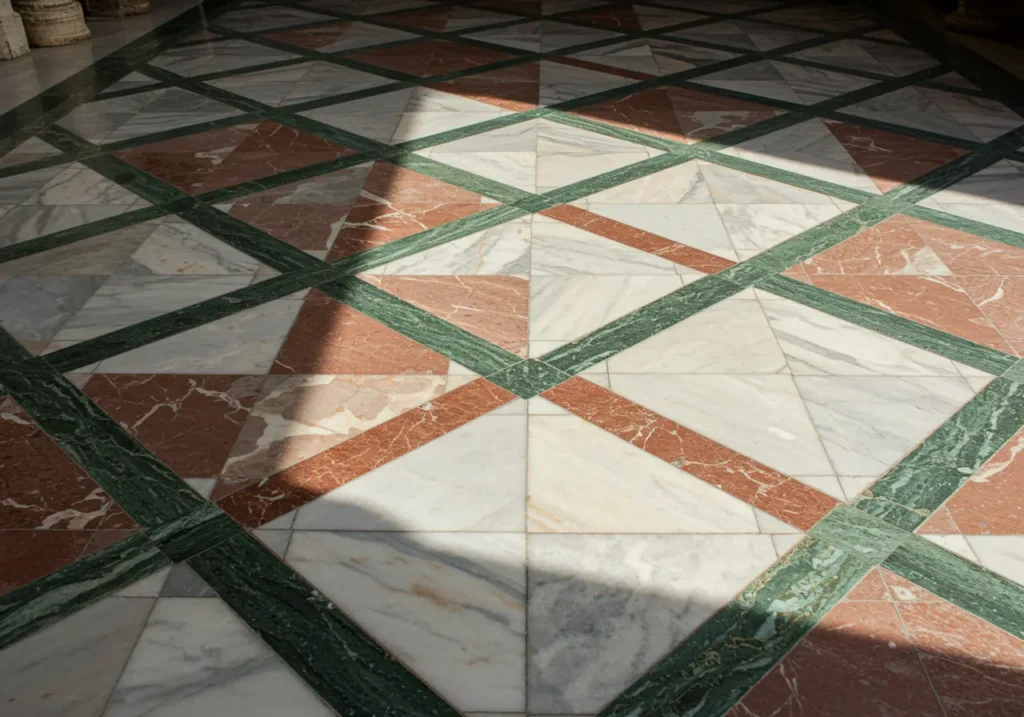
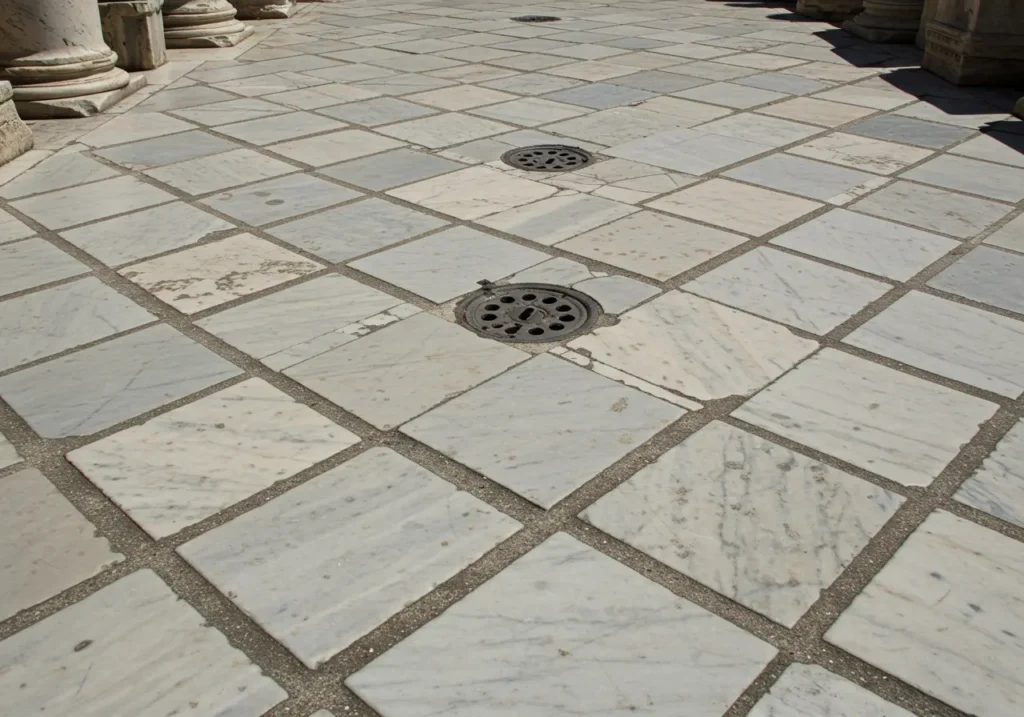
The Pantheon’s original marble floors showcase intricate geometric patterns using colored stones imported from across the Roman Empire, including Egyptian porphyry, African marble, and local travertine arranged in complex circular and square designs. These floors slope almost imperceptibly toward strategically placed drainage holes, allowing rainwater entering through the oculus to flow away efficiently without pooling or causing damage to the interior. The marble’s polished surface reflects natural light from above, amplifying the illumination throughout the vast interior space while the geometric patterns guide visitors’ eyes toward the altar and create visual connections between the floor and dome’s architectural elements.
Massive Bronze Doors
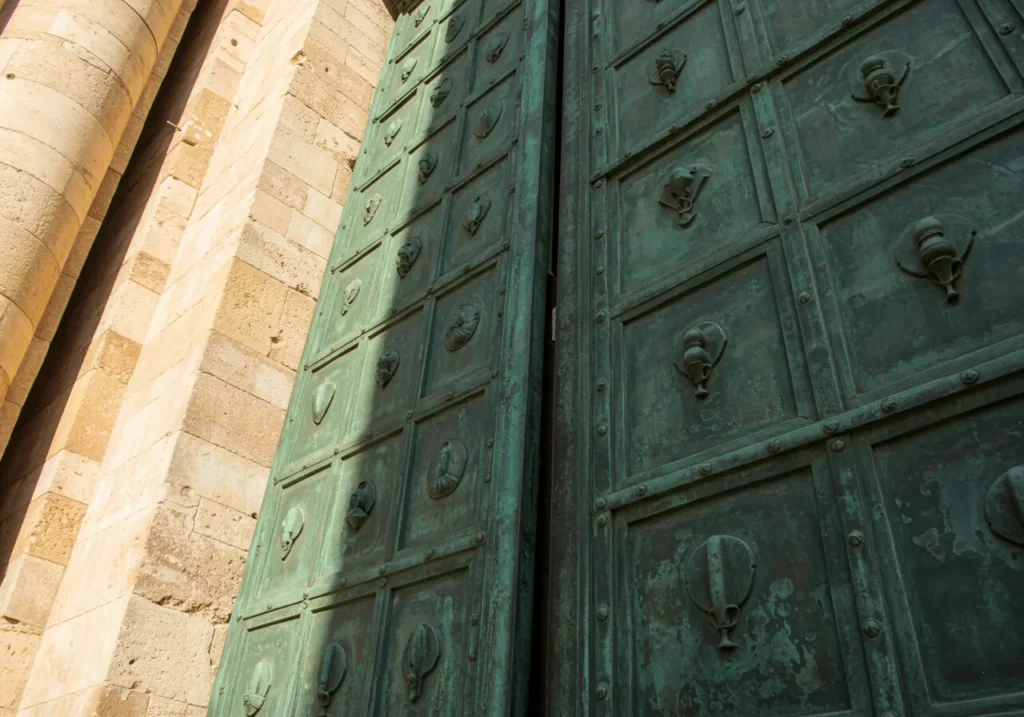
The Pantheon’s bronze doors stand 21 feet tall and weigh several tons each, representing some of the finest metalworking from ancient Rome, though the current doors date from medieval restorations using original Roman techniques and materials. These massive portals required sophisticated engineering to support their weight while allowing smooth operation, utilizing bronze hinges and counterweight systems that demonstrate Roman mechanical expertise. The doors’ surface features intricate relief work and patina that has developed over centuries, while their scale creates a dramatic threshold experience that prepares visitors for the awe-inspiring interior space beyond.
Hidden Drainage System
The Pantheon incorporates an ingenious hidden drainage system that has functioned continuously for nearly 2,000 years, channeling rainwater from the oculus through invisible floor drains connected to ancient Roman sewers beneath the building. The marble floor slopes at precisely calculated angles, directing water flow toward 22 concealed drainage holes positioned around the interior perimeter, preventing flooding while maintaining the floor’s apparent flatness. This system demonstrates Roman hydraulic engineering mastery, utilizing gravity flow principles and underground channels that connect to the larger urban drainage network, ensuring the building remains dry and structurally sound despite constant exposure to weather through the open oculus.
Royal Tombs
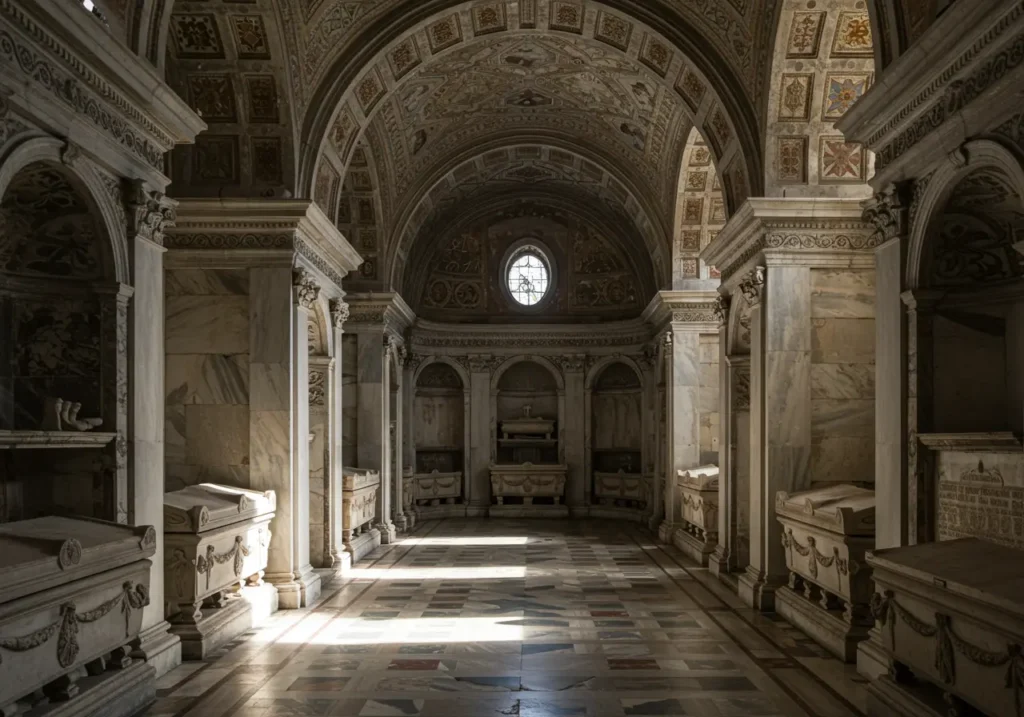
The Pantheon houses the tombs of Italian royalty, most notably King Victor Emmanuel II and King Umberto I, transforming this ancient Roman temple into a mausoleum for modern Italy’s founding monarchs. These marble sarcophagi occupy prominent positions within the rotunda, surrounded by wreaths and guarded by honor sentries, creating a solemn atmosphere that contrasts with the building’s tourist activity. The royal burials represent Italy’s connection between ancient Roman heritage and modern national identity, while the tomb of Renaissance master Raphael adds artistic significance, making the Pantheon both an architectural wonder and a repository of Italian cultural history.
Single Casting Dome
The Pantheon’s dome was constructed as a single, continuous concrete pour, representing the largest unreinforced concrete structure ever built and a testament to Roman engineering capabilities that wouldn’t be matched until modern times. This monolithic construction technique required precise planning, specialized concrete mixtures, and coordinated labor teams working continuously to prevent joints or weak points that could compromise structural integrity. The concrete composition varies throughout the dome’s thickness, with heavier aggregates at the base transitioning to lightweight pumice near the top, creating a structure that has survived earthquakes and millennia of weathering while maintaining its perfect hemispherical shape.
Inscribed Dedication
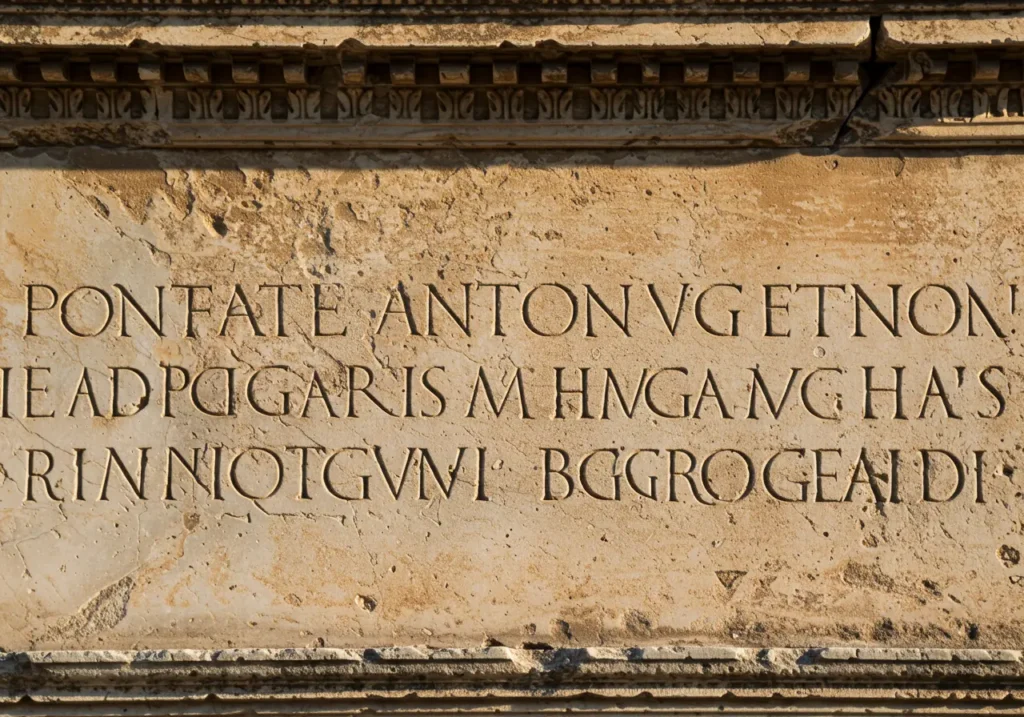
The Pantheon’s Latin inscription “M·AGRIPPA·L·F·COS·TERTIVM·FECIT” honors Marcus Agrippa, though the current building was actually constructed later under Emperor Hadrian, creating historical intrigue about the building’s true origins and construction timeline. This bronze lettering technique demonstrates Roman metalworking precision, with each letter carefully crafted and mounted to withstand centuries of weather exposure while remaining clearly legible today. The inscription’s placement on the portico creates a formal entrance announcement that establishes the building’s imperial significance and connects visitors to the personalities and politics of ancient Rome’s golden age.
Natural Light Show
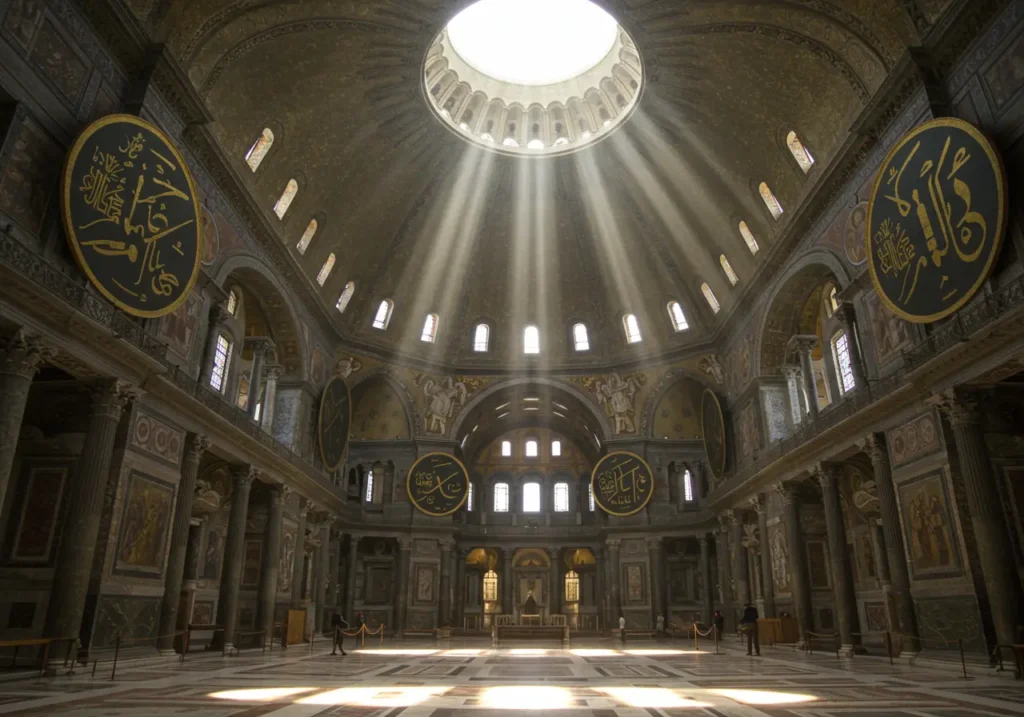
The Pantheon’s oculus creates an ever-changing natural light show as sunbeams move across the interior throughout the day, illuminating different architectural features, marble surfaces, and visitors in constantly shifting patterns of light and shadow. This dynamic lighting system transforms the interior experience hourly, highlighting the coffered ceiling’s geometry in morning light, creating dramatic vertical shafts during midday sun, and casting long shadows across the marble floors during afternoon visits. The light’s quality changes with weather conditions, seasons, and time of day, ensuring that no two visits to the Pantheon provide identical visual experiences, making each encounter with this ancient space uniquely memorable.
Columns of Egyptian Granite
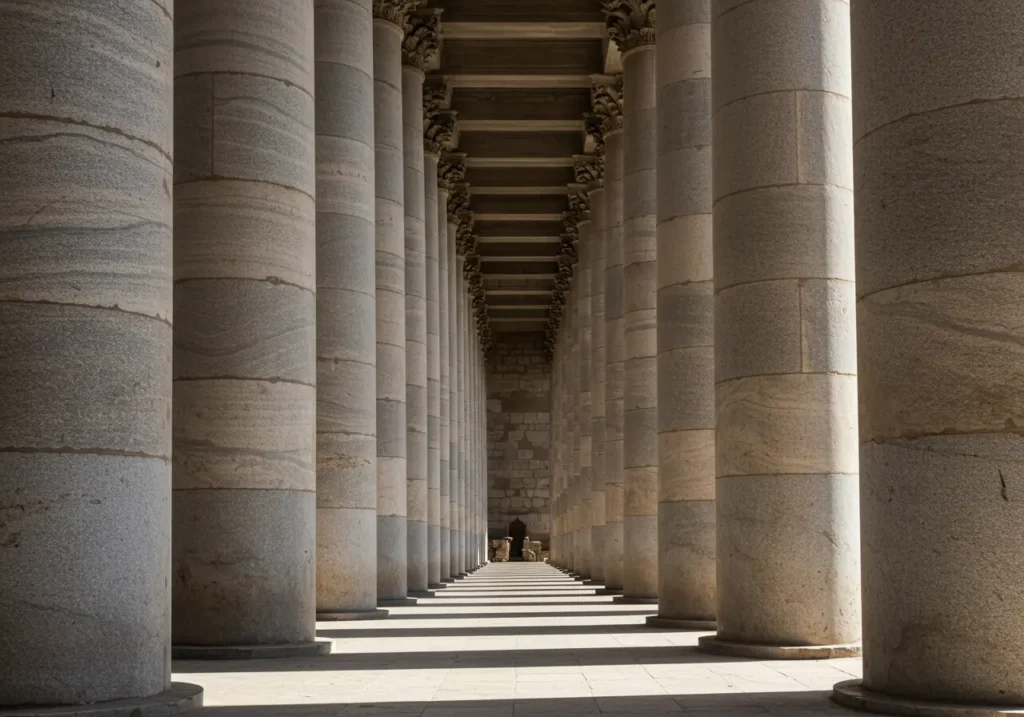
The Pantheon’s portico features 16 massive columns carved from single blocks of Egyptian granite, each measuring 40 feet tall and weighing approximately 60 tons, representing one of the Roman Empire’s most impressive stone transportation and construction achievements. These monolithic columns were quarried in Egypt, transported by ship across the Mediterranean, then moved overland to Rome using sophisticated Roman engineering techniques including specialized ships, rolling systems, and massive cranes. The granite’s pink and gray coloring creates visual warmth that contrasts beautifully with the building’s concrete and marble elements, while the columns’ Corinthian capitals showcase intricate carved details that have survived remarkably well despite nearly two millennia of exposure to Roman weather.
Continuous Use
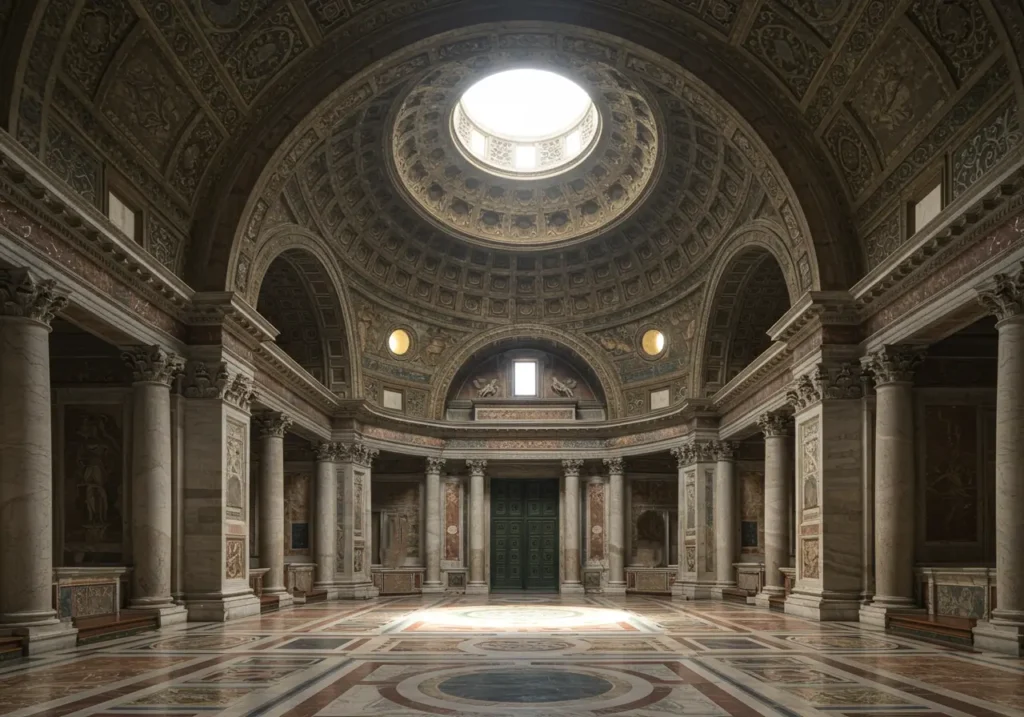
The Pantheon represents the longest continuously used building in Rome, transitioning from pagan temple to Christian church in 609 AD and maintaining active religious services for over 1,400 years while serving as a tourist attraction and architectural inspiration. This continuous occupation has ensured proper maintenance, protection, and preservation that might not have occurred if the building had been abandoned like many other Roman structures. The building’s adaptive reuse demonstrates how architectural heritage can survive through practical utilization, while regular masses and religious ceremonies create living connections between ancient Roman engineering achievements and contemporary Italian culture, making the Pantheon both a museum piece and an active sacred space.
FAQs
“Is it safe to travel in Italy?”
Italy ranks among Europe’s safest countries for tourists, with low violent crime rates and well-developed tourist infrastructure that provides security and assistance throughout major cities and tourist destinations. Exercise standard travel precautions like avoiding poorly lit areas at night, securing valuables, and staying aware of surroundings in crowded tourist areas where petty theft occasionally occurs. Italian police maintain visible presence at major attractions including the Pantheon, while medical facilities, emergency services, and tourist assistance programs provide reliable support for international visitors requiring help during their stay.
“What’s the best month to visit?”
May and September offer ideal Italian travel conditions with pleasant temperatures (65-75°F), manageable crowds, and extended daylight hours perfect for sightseeing and outdoor activities throughout most regions. Spring months (April-May) provide blooming landscapes, comfortable weather, and moderate tourist levels, while early fall (September-October) offers warm temperatures, harvest festivals, and reduced summer crowds. Avoid July-August peak season when temperatures exceed 85°F, crowds overwhelm major attractions, and accommodation prices reach yearly maximums, though coastal destinations become more appealing during these warmer months.
“Do I need to speak Italian to get by?”
English proficiency among Italian tourism workers, restaurant staff, and younger populations enables comfortable travel without Italian language skills, especially in major cities and tourist areas where international visitors are common. Learning basic Italian phrases like greetings, numbers, and food terms enhances cultural interactions and demonstrates respect for local culture while providing practical benefits in smaller towns or rural areas. Download translation apps, carry phrase books, and don’t hesitate to use gestures and pointing when language barriers occur, as Italians typically appreciate tourists’ efforts to communicate and remain patient with non-Italian speakers.
Conclusion
Pack your bags and start exploring Italy’s treasures today! The incredible details inside the Pantheon represent just one of countless architectural wonders, cultural experiences, and unforgettable moments waiting throughout this remarkable country. From the engineering genius of ancient Roman builders to the artistic masterpieces of Renaissance masters, Italy offers experiences that will enrich your perspective and create lifelong memories.
Join thousands of travelers who fell in love with Italy’s magic, discovering that each visit reveals new layers of history, culture, and beauty that keep drawing visitors back year after year. Whether you’re marveling at the Pantheon’s perfect dome, savoring authentic pasta in Roman trattorias, or watching sunset paint Tuscan hillsides golden, Italy provides transformative travel experiences that exceed every expectation and create stories you’ll treasure forever.