10 Epic Hiking Trails to Try on Marmolada
Introduction
Are you tired of overcrowded hiking trails where finding a moment of solitude feels impossible? Does the thought of navigating confusing mountain routes without proper guidance leave you hesitant to explore the Dolomites? You’re not alone—many adventurers struggle to find authentic alpine experiences that balance challenge with breathtaking beauty.
Discover Marmolada, the “Queen of the Dolomites,” where dramatic glaciers meet pristine trails and every path tells a story of geological wonder. This comprehensive guide will transform your hiking anxiety into confidence, revealing ten spectacular routes that cater to every skill level.
With over fifteen years of exploring the Dolomites and guiding countless hikers through Marmolada’s terrain, I’ve personally tested each trail in this guide. My expertise comes from both professional mountaineering certification and intimate knowledge gained through hundreds of hours on these peaks.
In this guide, you’ll discover why Marmolada deserves your attention, explore detailed descriptions of ten unforgettable hiking trails, and find answers to common questions that will prepare you for an adventure of a lifetime.
Table of Contents
Why You Should Visit Marmolada
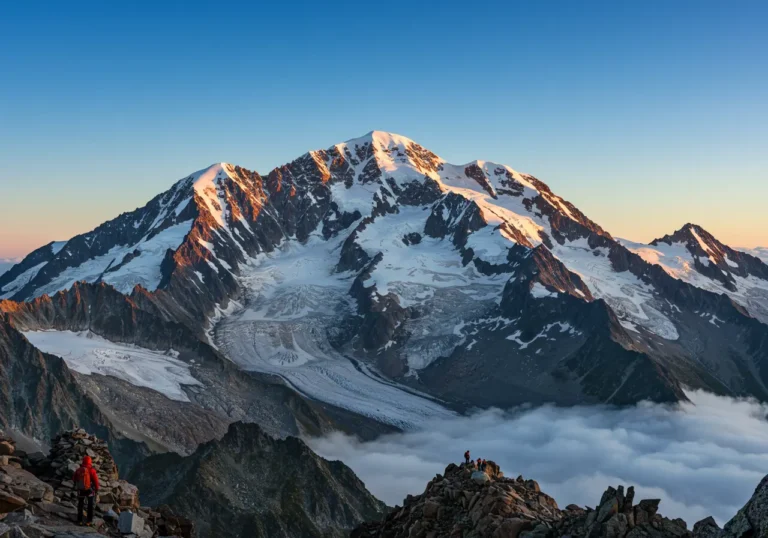
Marmolada stands as the highest mountain group in the Dolomites, reaching 3,343 meters at Punta Penia, offering hikers an unparalleled combination of accessible adventure and dramatic alpine scenery. The cultural richness here runs deep—this massif witnessed significant World War I battles, and you’ll encounter fascinating historical remnants, including ice caves and trenches carved into the glacier itself.
The convenience factor sets Marmolada apart from other Dolomite destinations. A modern cable car system provides easy access to high-altitude trails, making spectacular glacier views achievable even for families and less experienced hikers. The region features well-maintained rifugios (mountain huts) offering authentic cuisine, comfortable overnight stays, and strategic rest points along longer routes.
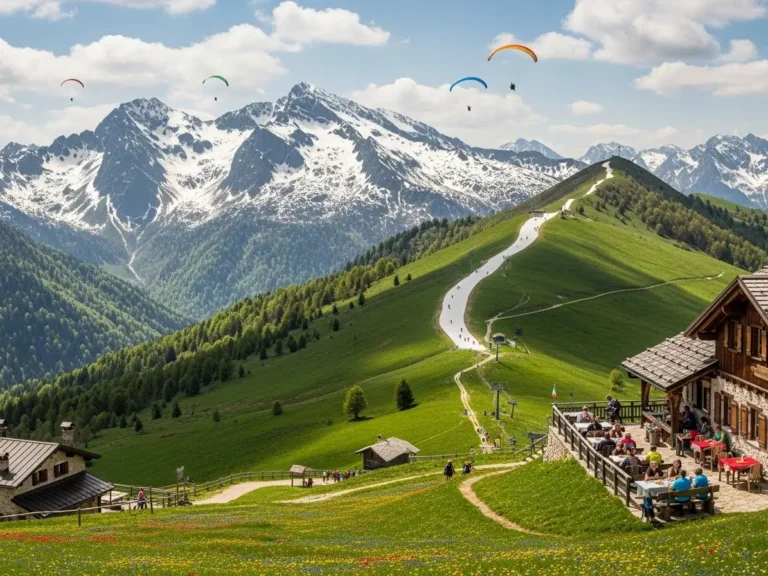
What truly distinguishes Marmolada is its remarkable variety. Within a single day, you can traverse flower-filled meadows, walk alongside turquoise alpine lakes, navigate historic war routes, and stand before one of the few remaining glaciers in the Dolomites. The network of trails accommodates everyone from casual walkers seeking gentle lake loops to technical climbers attempting via ferratas on vertical rock faces. This diversity means returning visitors discover something new with each visit, whether it’s golden larches in autumn, spring wildflowers, or the pristine silence of early winter snow.
10 Epic Hiking Trails to Try on Marmolada
Punta Penia Trail
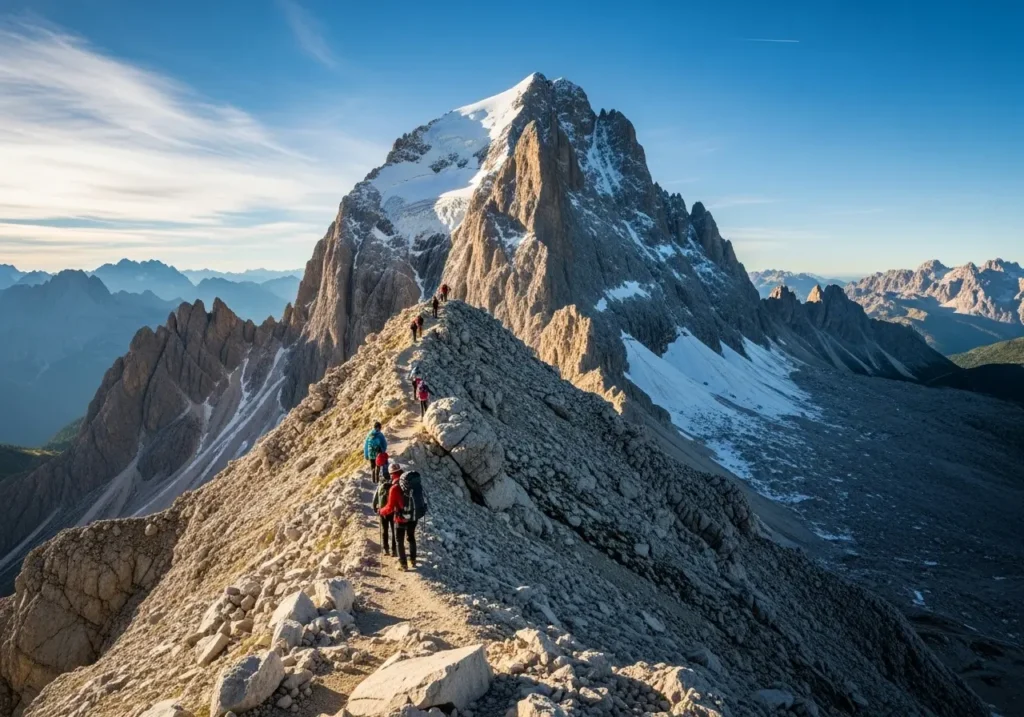
The Punta Penia Trail leads ambitious hikers to Marmolada’s highest summit at 3,343 meters, delivering the ultimate Dolomite mountaineering experience. This challenging route demands proper equipment, including crampons and ice axes, as you’ll traverse the glacier’s crevassed surface. Starting from Punta Rocca cable car station, the ascent typically takes 4-5 hours, requiring early morning starts to avoid afternoon weather changes. The reward? Three-hundred-sixty-degree panoramic views stretching across the entire Dolomite range, with visibility extending to the Adriatic Sea on exceptionally clear days. This trail suits experienced mountaineers comfortable with glacier travel and high-altitude conditions. The technical difficulty and exposure make hiring a certified mountain guide highly recommended for those without extensive alpine experience.
Fedaia Lake Loop
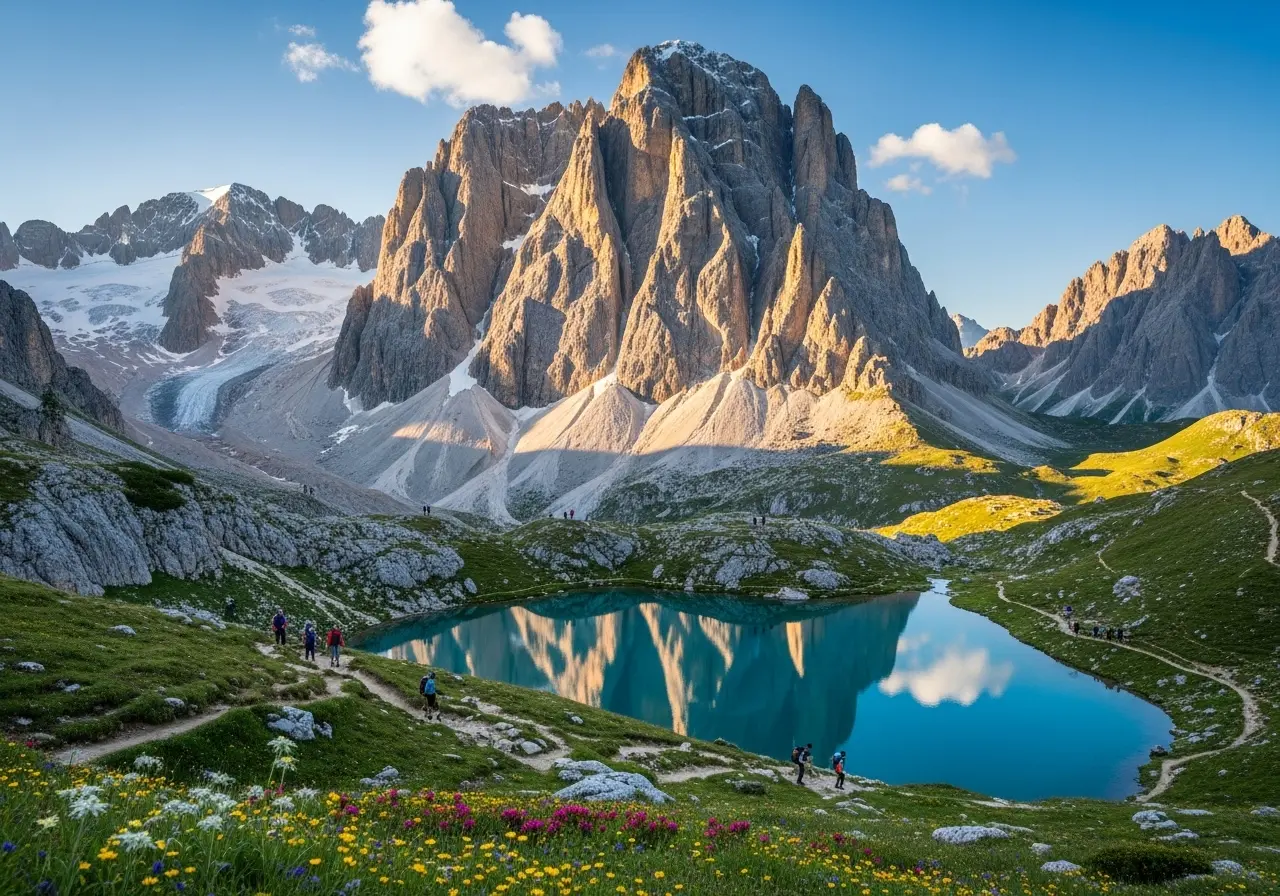
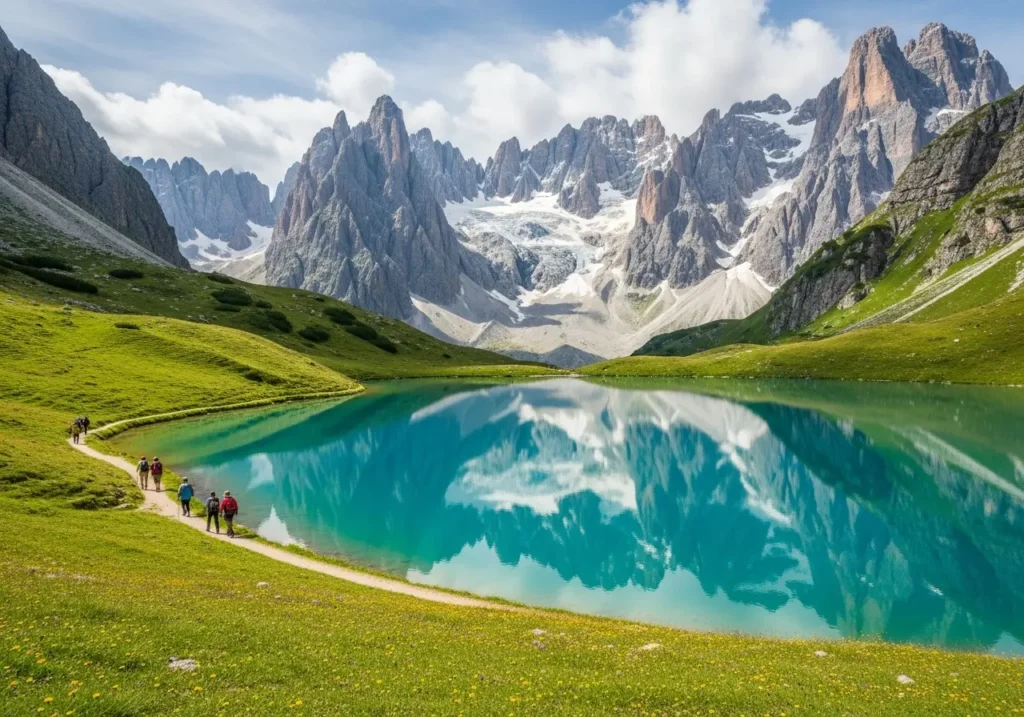
The Fedaia Lake Loop offers a gentle, family-friendly introduction to Marmolada’s beauty, circling the stunning turquoise reservoir at the mountain’s base. This easy 5-kilometer trail requires minimal elevation gain, making it perfect for all fitness levels, including families with young children and elderly hikers. The route showcases spectacular reflections of Marmolada’s south face in the lake’s crystal waters, particularly magical during calm morning hours. Several access points allow flexibility—start from Malga Ciapela or various spots along the Fedaia Pass road. Benches positioned at scenic viewpoints invite leisurely breaks for photography and picnicking. The entire loop takes approximately 1.5-2 hours at a relaxed pace, though many hikers extend their visit to explore the nearby dam and enjoy lakeside cafés.
Viel del Pan Trail
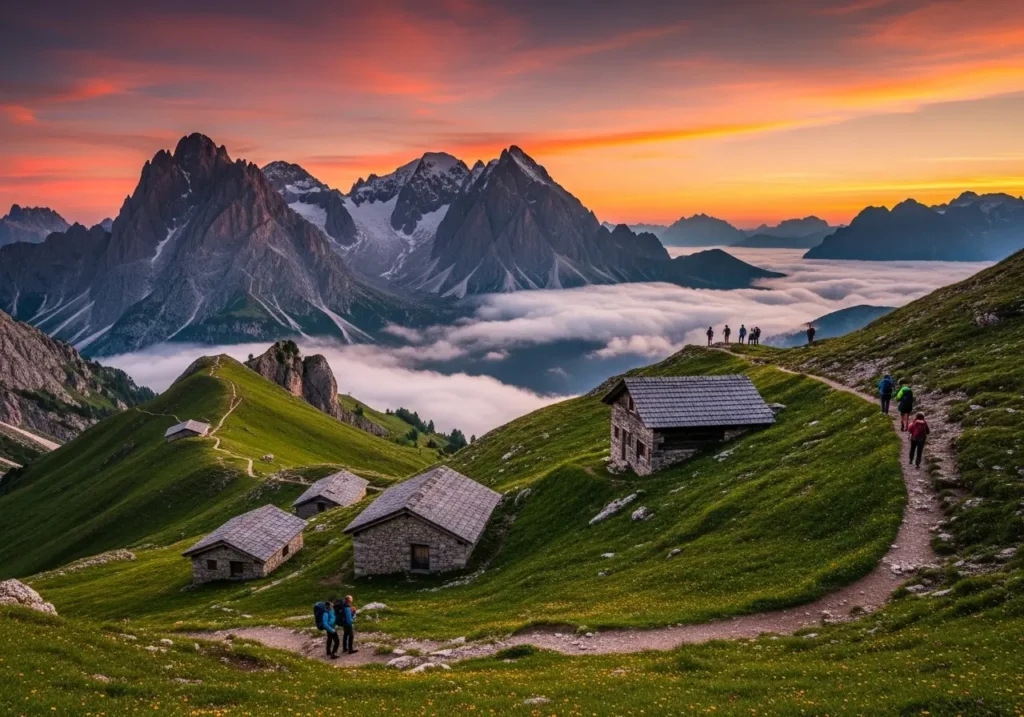
The Viel del Pan Trail combines historical significance with moderate hiking, following an ancient route once used to transport bread between valleys during World War I. This 6-kilometer path connects Pordoi Pass to Fedaia Pass, maintaining relatively consistent elevation around 2,400 meters throughout its traverse. Hikers encounter original war trenches, observation posts, and informative plaques explaining the area’s military history while enjoying continuous views of Marmolada’s imposing north face.
The trail’s name translates to “Bread Path,” commemorating the supply route that sustained soldiers stationed in these harsh mountain positions. Wildflower displays peak in July and August, carpeting meadows with vibrant alpine blooms. This moderate hike typically requires 2-3 hours, with the option to use cable cars at either end for added convenience.
Ghiacciaio della Marmolada Route
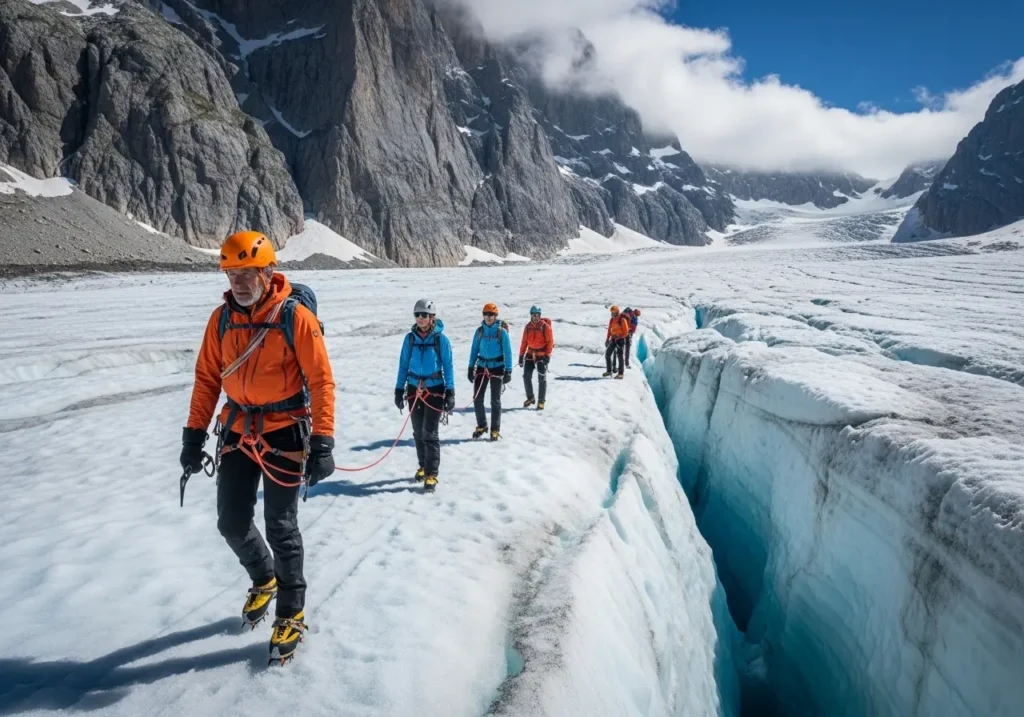
The Ghiacciaio della Marmolada Route provides intimate access to the Marmolada Glacier, one of the Dolomites’ few remaining ice masses. Accessed via the Marmolada cable car to Punta Rocca station at 3,265 meters, this route allows hikers to walk along the glacier’s edge without technical climbing equipment. The stunning white expanse contrasts dramatically with surrounding rocky peaks, creating photography opportunities that capture climate change’s visible impact—the glacier has retreated significantly in recent decades.
Interpretive signs along the route educate visitors about glacial geology and environmental challenges facing alpine ecosystems. The high altitude means proper acclimatization is essential; many visitors experience mild altitude effects at this elevation. Plan for strong sun exposure requiring high-SPF sunscreen, sunglasses, and protective clothing even during cooler months.
Passo Fedaia to Rifugio Pian dei Fiacconi
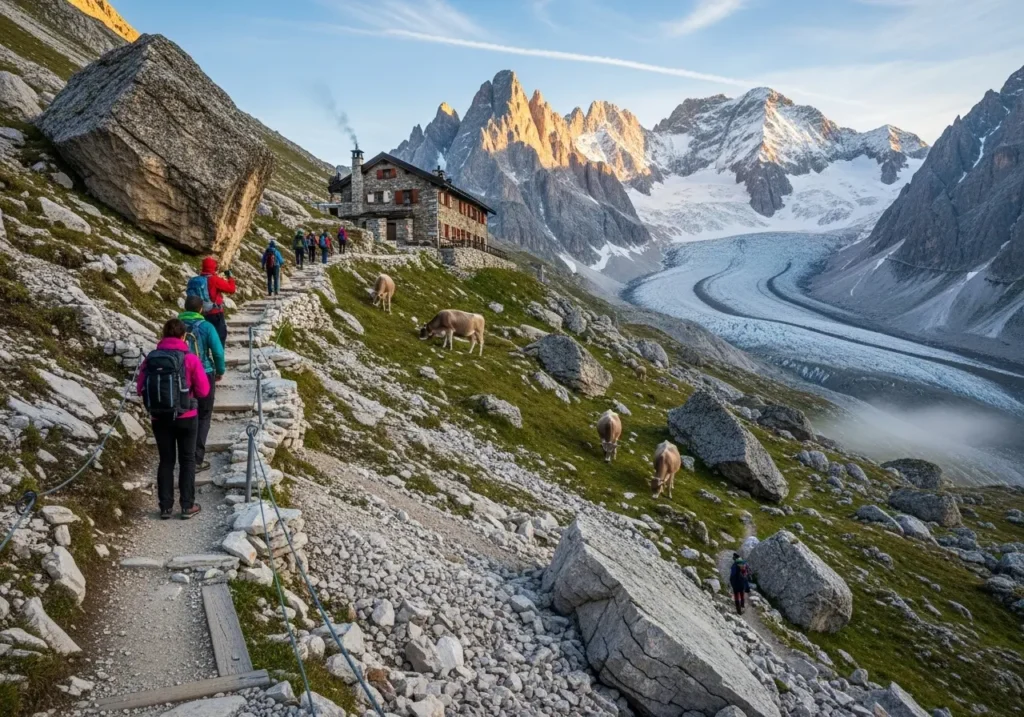
This moderate trail ascends from Passo Fedaia (2,057m) to Rifugio Pian dei Fiacconi (2,626m), serving as both a rewarding day hike and an approach route for summit attempts. The steady climb gains approximately 570 meters over 3 kilometers, winding through alpine terrain that transitions from meadows to rocky moraine near the glacier’s edge. Rifugio Pian dei Fiacconi offers spectacular panoramic views, hearty mountain cuisine, and overnight accommodations for those planning multi-day adventures.
The trail is well-marked with red-white blazes, following a clear path that poses no navigation challenges in good weather. Early season hiking (June-July) may encounter snow patches requiring attention, while late summer provides the most straightforward conditions. The ascent typically takes 2-2.5 hours, with the descent requiring about 90 minutes.
Arabba to Porta Vescovo Trail
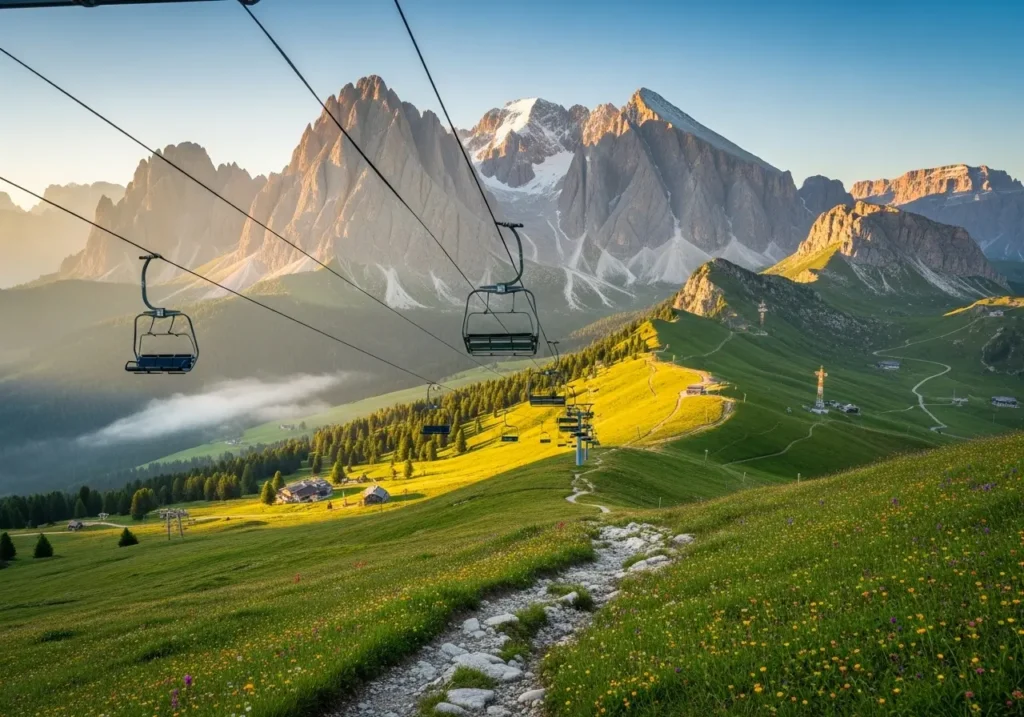
The Arabba to Porta Vescovo Trail rewards hikers with one of Marmolada’s most spectacular viewing angles, ascending from the charming village of Arabba to the dramatic Porta Vescovo saddle at 2,478 meters. This moderate-to-challenging 8-kilometer route gains approximately 900 meters elevation, demanding good fitness and sturdy hiking boots for steep, rocky sections. The trail passes through varied terrain including larch forests, alpine meadows abundant with marmots, and exposed ridgelines offering vertiginous views into the Cordevole Valley.
Porta Vescovo itself presents a natural rock gateway framing Marmolada’s imposing south face—a photographer’s dream location, especially during golden hour. Several rifugios along the route provide refreshment stops, though carrying sufficient water remains essential. Budget 4-5 hours for the ascent, making this ideal for strong hikers seeking solitude away from more popular routes.
Malga Ciapela to Rifugio Falier
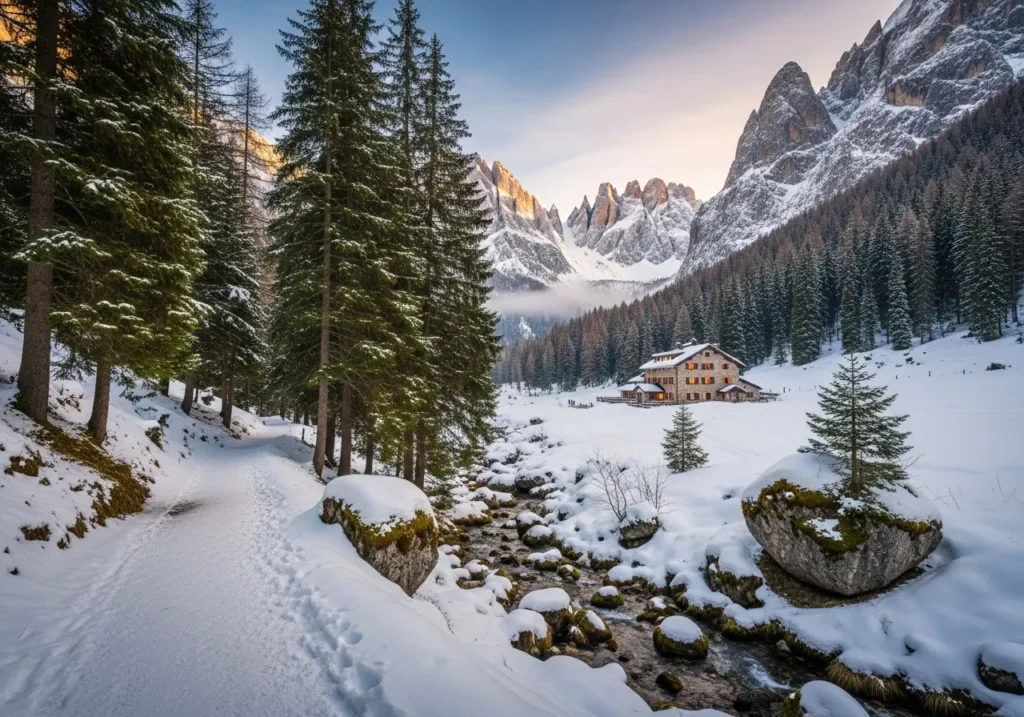
This beautiful trail climbs from Malga Ciapela (1,446m) to Rifugio Falier (2,074m), offering steady ascent through diverse alpine environments beneath Marmolada’s commanding south face. The 5-kilometer route gains 628 meters elevation, graded as moderate difficulty suitable for hikers with basic mountain experience and reasonable fitness. Initially traversing through fragrant pine forests, the path gradually opens into expansive meadows carpeted with wildflowers during summer months, with the glacier-clad peaks growing more imposing with each switchback.
Rifugio Falier provides excellent cuisine, locally-produced cheese, and comfortable overnight accommodation with unforgettable sunrise views over Marmolada. The well-maintained trail features clear signage and no technical difficulties, making it popular among families and intermediate hikers. Expect 2.5-3 hours for the ascent, with many choosing to overnight at the rifugio before continuing to higher elevations.
Serrai di Sottoguda Gorge Trail
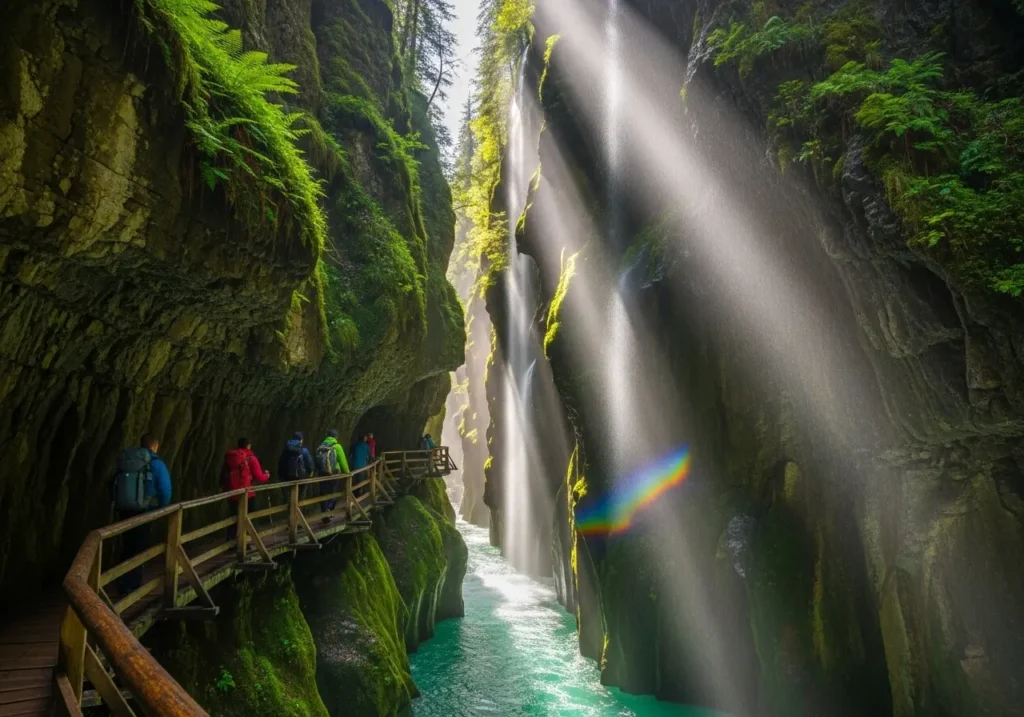
The Serrai di Sottoguda Gorge Trail offers a completely different Marmolada experience, exploring a dramatic limestone canyon carved by the Pettorina stream over millennia. This easy, flat 1.5-kilometer trail follows wooden walkways and tunnels through the narrow gorge where vertical walls soar 100 meters overhead, creating an almost cathedral-like atmosphere. Water cascades down moss-covered rock faces while the rushing stream below creates constant natural music—particularly impressive during spring snowmelt when water volume peaks.
This unique geological formation demonstrates the powerful erosive forces that shaped the Dolomites, with interpretive signs explaining the canyon’s formation. Suitable for all ages and abilities, the trail requires no special equipment beyond sturdy walking shoes and waterproof clothing, as spray from waterfalls creates perpetually damp conditions. The complete walk takes approximately 45 minutes, making it perfect for shorter days or weather-limited conditions.
Padon Ridge Trail
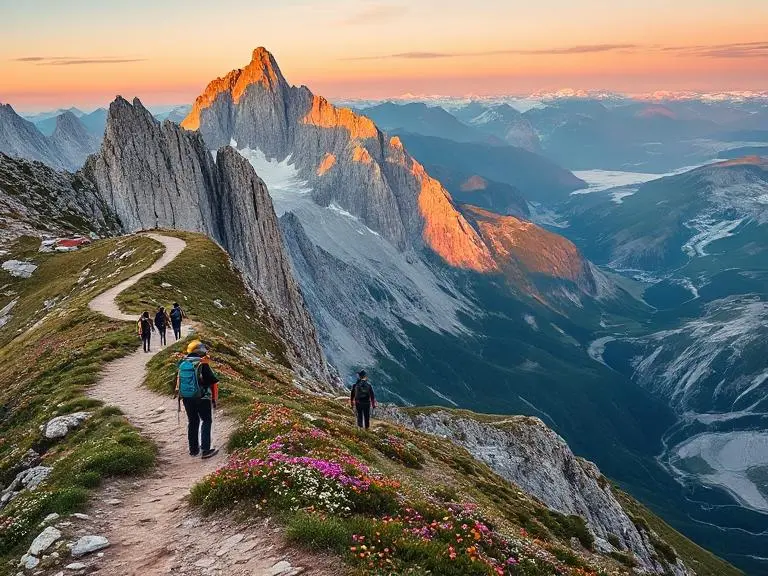
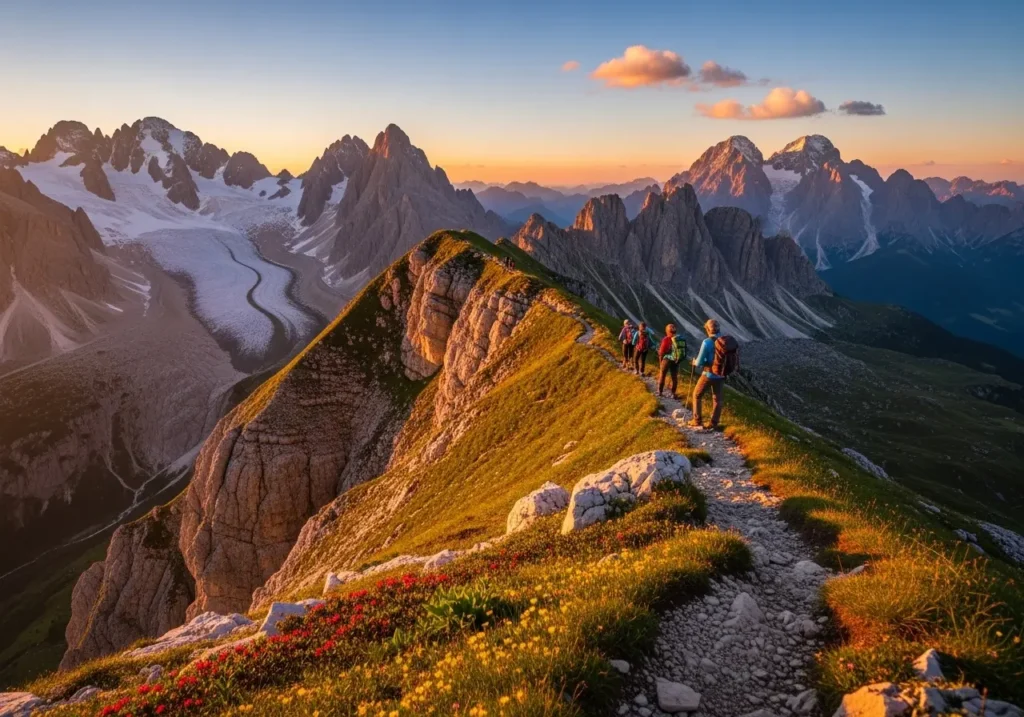
The Padon Ridge Trail traverses one of Marmolada’s most scenic high-altitude ridgelines, connecting Passo Fedaia with Rifugio Viel dal Pan while maintaining elevation around 2,400-2,600 meters. This challenging 10-kilometer route demands sure-footedness and comfort with exposure, as sections follow narrow paths with significant drop-offs on both sides—not recommended for those with height sensitivities.
The compensation for this challenge comes through absolutely spectacular panoramic views encompassing Marmolada’s north face, the Sella Group, and countless surrounding peaks stretching to the Austrian Alps. Alpine wildlife thrives here; ibex, chamois, and golden eagles frequently reward patient observers. The trail passes numerous World War I relics including trenches and military structures, providing historical context to this strategically important ridgeline. Strong winds are common at this elevation, making wind-resistant clothing essential regardless of forecast temperatures.
Marmolada Glacier Circuit
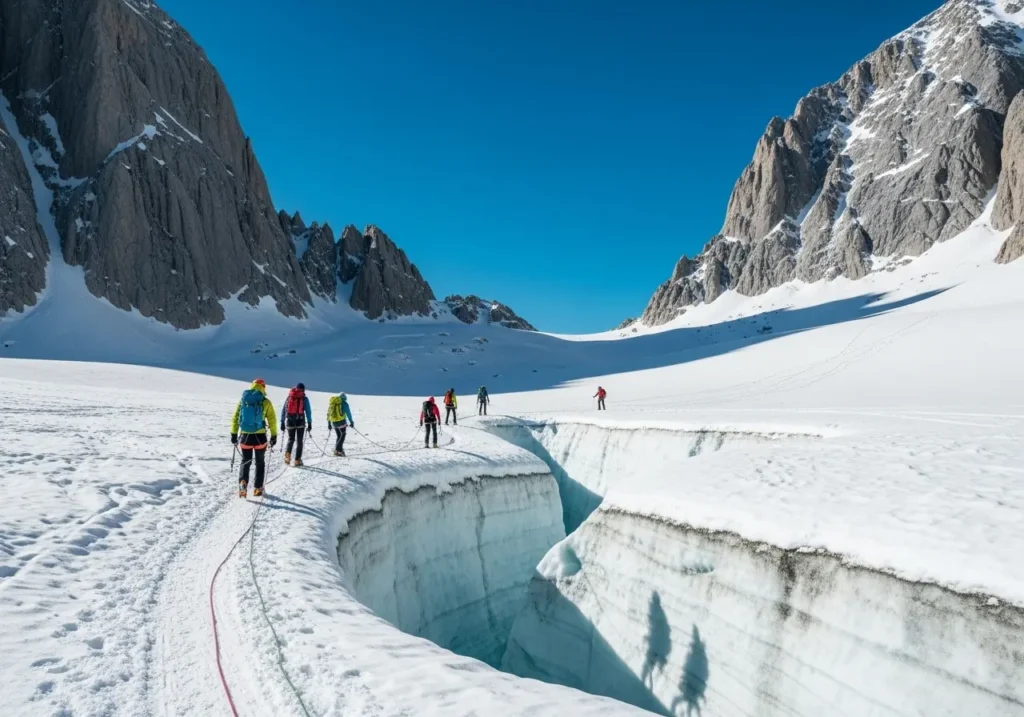
The Marmolada Glacier Circuit represents the ultimate comprehensive tour, circumnavigating the entire massif over approximately 30 kilometers of spectacular high-altitude terrain. This challenging multi-day trek typically requires 2-3 days, connecting a series of rifugios that provide overnight accommodation and eliminating the need for camping equipment. The route combines sections of several trails including Viel del Pan, passages through the Ombretta Valley, and traverses beneath the glacier’s dramatic seracs and ice falls.
Hikers experience Marmolada from every angle—the gentle southern slopes, the imposing glaciated north face, and the wild eastern approaches rarely visited by casual tourists. Proper planning is essential, including rifugio reservations during peak season (July-August) and weather monitoring, as conditions change rapidly at these elevations. This circuit demands excellent fitness, previous multi-day hiking experience, and comfort with extended periods in remote mountain environments.
FAQs About Marmolada
When is the best time to hike Marmolada?
The optimal hiking season runs from late June through mid-September when most trails are snow-free and rifugios are fully operational. July and August offer the warmest weather and longest daylight hours but bring the largest crowds. Early September provides excellent conditions with fewer hikers, stable weather, and the added bonus of autumn colors beginning to appear. Spring (late May-June) can be beautiful but requires checking trail conditions as snow may linger at higher elevations, and many facilities don’t open until mid-June.
Do I need special equipment for Marmolada hiking trails?
Equipment requirements vary significantly by trail difficulty. Easy routes like Fedaia Lake Loop need only comfortable walking shoes, water, and basic sun protection. Moderate trails require proper hiking boots with ankle support, layered clothing, navigation tools, and emergency supplies. Technical routes including Punta Penia demand specialized mountaineering equipment—crampons, ice axes, harnesses, helmets, and rope. For glacier travel and via ferrata routes, hiring equipment locally or joining guided tours provides safe, properly-fitted gear. All hikers should carry sufficient water, high-energy snacks, first-aid supplies, and weatherproof layers regardless of route difficulty.
Are Marmolada trails suitable for beginners?
Yes, several Marmolada trails accommodate beginning hikers beautifully. The Fedaia Lake Loop offers gentle, flat terrain with spectacular views requiring no previous hiking experience. The Serrai di Sottoguda Gorge provides easy walking on maintained paths suitable for families with children. Even the cable car ride to Punta Rocca allows non-hikers to experience high-altitude mountain environments safely. However, beginners should avoid technical routes, stick to well-marked trails, start with shorter distances, and choose clear weather days for their adventures. Building confidence gradually ensures positive experiences that encourage continued mountain exploration.
How do I access Marmolada from major cities?
Marmolada is accessible from several northern Italian cities. From Venice (approximately 170 kilometers), drive via A27 and SR203 toward Belluno, then follow signs to Arabba or Malga Ciapela, taking roughly 2.5 hours. From Bolzano (about 90 kilometers), head east through Val Gardena and over mountain passes to reach Marmolada’s northern approaches in approximately 1.5-2 hours. Public transportation requires combining trains to Belluno or Bolzano with regional buses serving mountain villages—the SAD bus company operates routes to Arabba and Canazei. Summer schedules increase service frequency, though having a private vehicle provides significantly more flexibility for accessing different trailheads.
What should I know about altitude on Marmolada?
Marmolada’s summit exceeds 3,300 meters elevation, where reduced oxygen levels can cause altitude sickness symptoms including headache, nausea, dizziness, and fatigue. Even moderate elevations around 2,500 meters affect some individuals, particularly those arriving directly from sea level. Acclimatize gradually by spending time at intermediate elevations before attempting high-altitude trails. Stay well-hydrated, avoid alcohol the evening before high hikes, and ascend slowly to allow your body to adjust. Recognize warning signs of severe altitude sickness (confusion, severe headache, difficulty breathing) and descend immediately if serious symptoms develop. Most visitors experience only minor effects that resolve with rest.
Are there accommodation options on Marmolada?
The Marmolada region offers diverse accommodation ranging from valley hotels to high-altitude rifugios. Towns like Malga Ciapela, Arabba, and Canazei provide hotels, apartments, and bed-and-breakfasts with various comfort levels and price points. Mountain rifugios including Rifugio Pian dei Fiacconi, Rifugio Falier, and Rifugio Padon offer authentic alpine experiences with dormitory or private rooms, hearty meals, and spectacular locations. Rifugio accommodation books quickly during peak season, requiring reservations weeks or months in advance. These mountain huts operate approximately June through September, with exact dates depending on snow conditions and weather. Staying at rifugios significantly enhances multi-day hiking experiences and provides safe high-altitude overnight options.
Conclusion
Marmolada’s ten epic hiking trails offer something truly special—a chance to experience the Dolomites’ highest peaks through routes ranging from gentle lake strolls to challenging glacier traverses. Whether you’re seeking family-friendly adventures like the Fedaia Lake Loop, historical journeys along the Viel del Pan Trail, or the ultimate mountaineering challenge of Punta Penia, these trails deliver unforgettable alpine memories.
The Queen of the Dolomites awaits your footsteps, promising dramatic scenery, rich history, and that profound sense of accomplishment that comes only from mountain exploration. Don’t let another season pass without experiencing these extraordinary trails—your Marmolada adventure will create stories you’ll share for years to come.
Ready to start planning your Marmolada hiking adventure? Download our free comprehensive trail map and preparation checklist to ensure your trip is perfectly organized. Join thousands of hikers who’ve discovered why Marmolada remains the Dolomites’ most spectacular destination.
See what other adventurers are saying: “These trails exceeded every expectation—the Padon Ridge Trail alone was worth the entire trip!” – Marco R., experienced hiker. “As a beginner, I felt completely comfortable on the Fedaia Lake Loop while still experiencing world-class mountain scenery.” – Sarah T., first-time Dolomite visitor. Share your own Marmolada experiences with #MarmoladadaHiking and inspire the next generation of mountain explorers!