10 Unforgettable Foods You Have to Try in Rome
Introduction
Picture this: you’re wandering through the cobblestone streets of Rome, stomach rumbling, surrounded by countless trattorias and cafés. But which dishes are truly worth your time and appetite? With so many options competing for your attention, it’s easy to fall into tourist traps or miss the authentic Rome foods that locals have cherished for generations.
This guide will transform you from a confused tourist into a confident food explorer, ensuring every meal in the Eternal City becomes an unforgettable memory. After years of exploring Rome’s culinary landscape and consulting with local chefs and food historians, I’ve curated the definitive list of must-try dishes that capture the soul of Roman cuisine.
In this article, you’ll discover the ten essential Rome foods that define the city’s gastronomic identity, learn why Roman cuisine deserves a place on every traveler’s bucket list, and get answers to your most pressing questions about eating in Rome like a local.
Table of Contents
Why You Should Try Rome Foods
Roman cuisine isn’t just about satisfying hunger—it’s about connecting with centuries of culinary tradition that has shaped Italian food culture worldwide. The dishes you’ll encounter in Rome tell stories of resourceful home cooks, ancient Jewish communities, and pastoral traditions that have survived millennia.
Cultural Authenticity: Rome foods reflect the city’s unique position as both an ancient capital and a living, breathing metropolis. Unlike the cream-heavy dishes of Northern Italy or the seafood-focused cuisine of the coast, Roman cooking celebrates simple, bold flavors using just a handful of quality ingredients. Each bite connects you to the cucina povera (peasant cooking) tradition that transformed humble ingredients into culinary masterpieces.
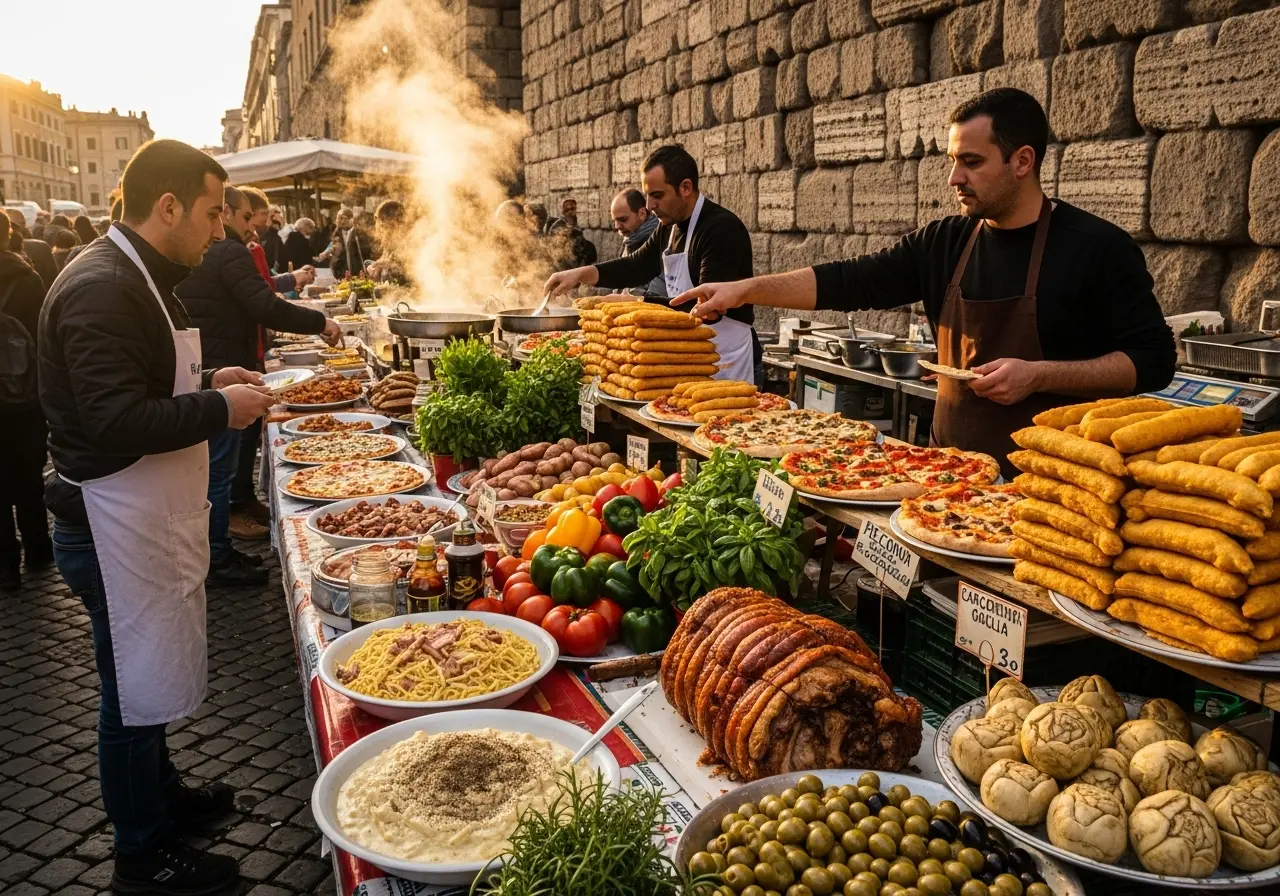
Unmatched Convenience: One of Rome’s greatest strengths is how accessible great food is at every price point. From Michelin-starred restaurants to hole-in-the-wall trattorias and street food vendors, you’ll find exceptional Rome foods everywhere. Many classic dishes are available as quick street food options, meaning you can fuel your sightseeing without sacrificing quality or authenticity.
Incredible Variety: Despite its reputation for simplicity, Roman cuisine offers remarkable diversity. You’ll find everything from Jewish-Roman specialties that date back to the ancient ghetto, to seasonal dishes that appear only at certain times of year, to hearty meat preparations and delicate vegetable creations. Whether you’re a carnivore, vegetarian, or somewhere in between, Rome’s culinary scene has something extraordinary waiting for you.
10 Unforgettable Foods You Have to Try in Rome
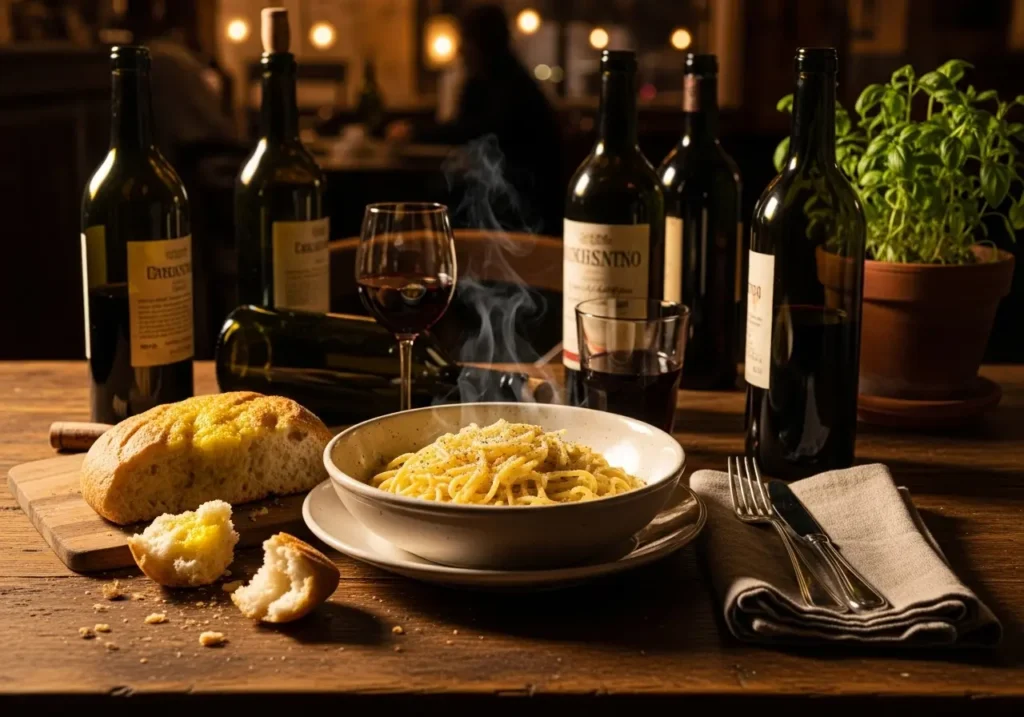
1. Cacio e Pepe
The ultimate expression of Roman minimalism, cacio e pepe combines just three ingredients—pasta, Pecorino Romano cheese, and black pepper—into something transcendent. This deceptively simple dish requires perfect technique to create the creamy, silky sauce that clings to each strand of tonnarelli or spaghetti.
Watch skilled Roman chefs toss the pasta in a wheel of hollowed Pecorino, and you’ll understand why this Rome food has conquered menus worldwide. The sharp, salty cheese perfectly balances the heat from freshly cracked pepper, creating a flavor profile that’s both comforting and complex. Visit traditional restaurants in Testaccio or Trastevere for the most authentic versions.
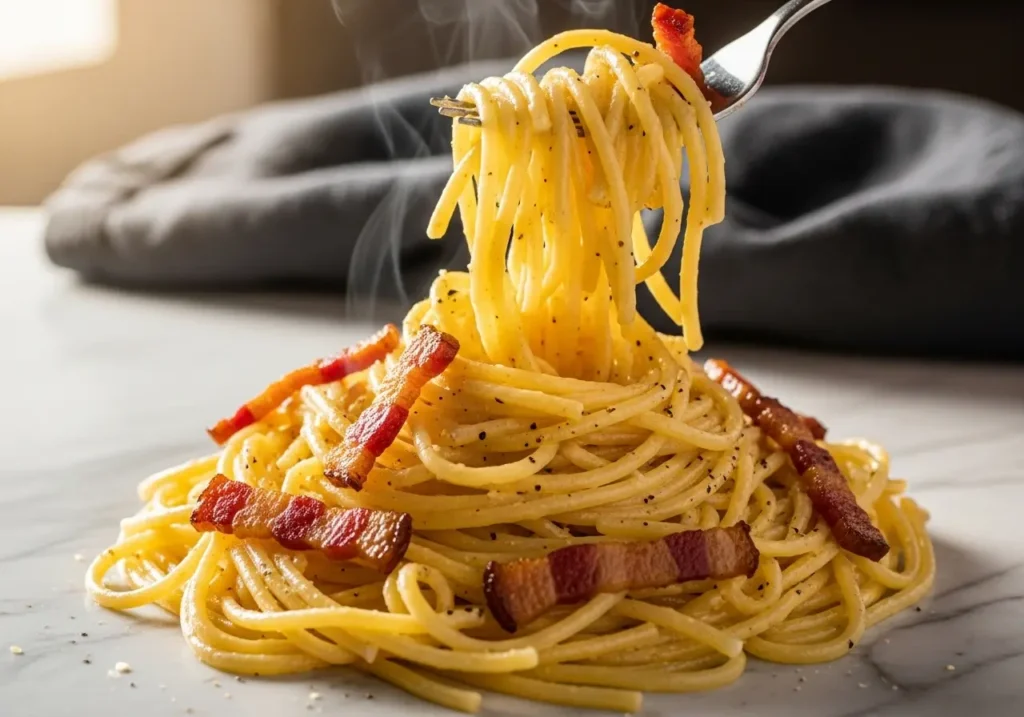
2. Carbonara
Perhaps Rome’s most famous culinary export, authentic carbonara bears little resemblance to the cream-laden imposters found elsewhere. True Roman carbonara uses guanciale (cured pork jowl), eggs, Pecorino Romano, and black pepper to create a luscious sauce that coats the pasta without feeling heavy.
The secret lies in the technique: pasta water emulsifies with egg yolks and cheese to form a silky coating, while crispy guanciale adds bursts of savory richness. Avoid any restaurant that adds cream, peas, or garlic—these are cardinal sins in Roman cooking. For the real deal, locals swear by family-run trattorias rather than tourist-focused establishments.
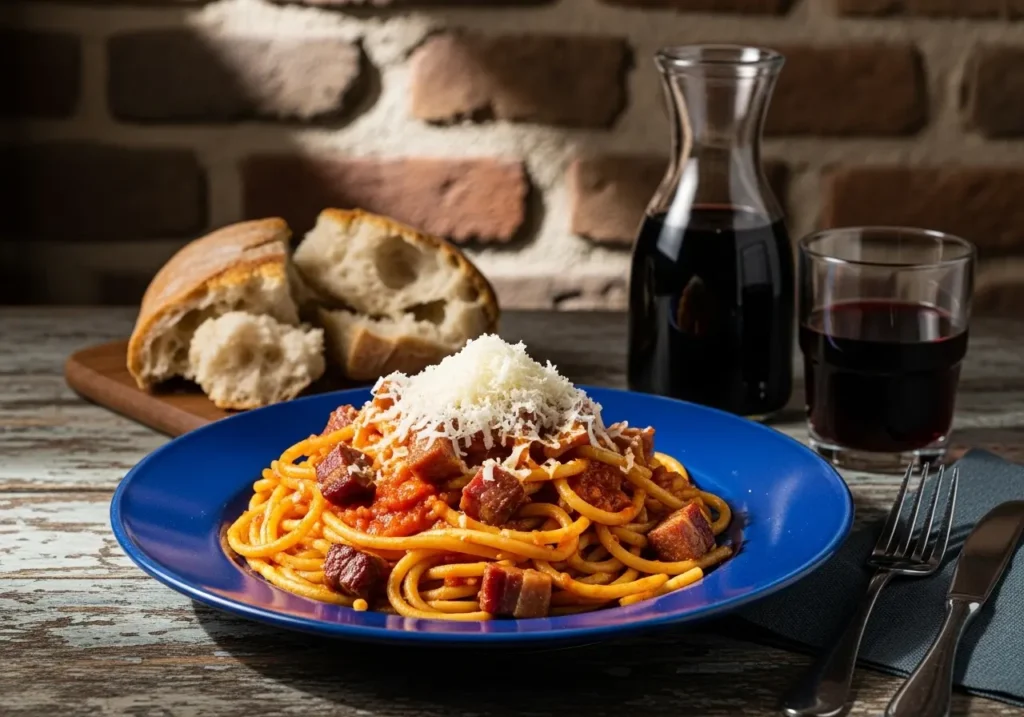
3. Amatriciana
Named after the mountain town of Amatrice, this beloved Rome food features a vibrant tomato sauce enriched with guanciale, Pecorino Romano, and a touch of chili pepper. The dish represents the perfect marriage of sweet tomatoes and savory pork, with a subtle heat that builds with each bite.
Traditionally served with bucatini (thick, hollow spaghetti), amatriciana showcases how Roman cuisine elevates simple ingredients through careful balance and timing. The sauce should be thick enough to cling to the pasta but not so heavy that it overwhelms. Every Roman has their favorite amatriciana spot, making it a dish that inspires passionate debate and fierce loyalty.
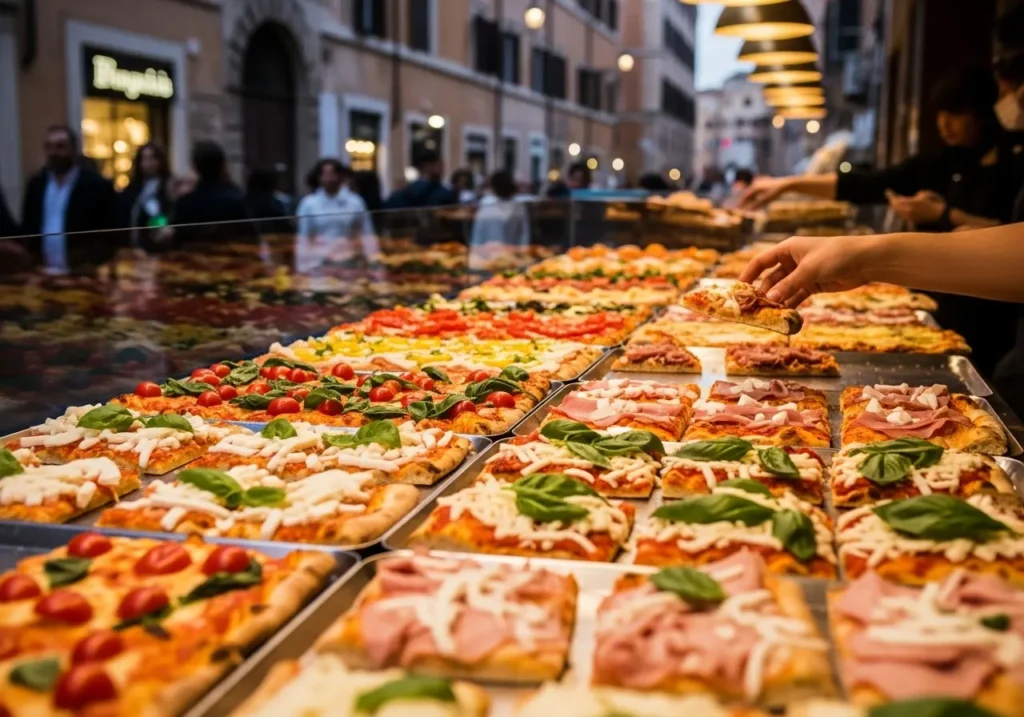
4. Pizza al Taglio
Unlike the Neapolitan round pizzas you might expect, Roman pizza al taglio (pizza by the slice) features a rectangular shape with a thin, crispy base that’s light yet satisfying. Sold by weight rather than by the slice, this Rome food is the ultimate street snack for exploring the city.
Toppings range from classic margherita to creative combinations featuring seasonal vegetables, cured meats, and local cheeses. The dough undergoes long fermentation, creating complex flavors and an incredibly digestible crust. Look for shops with rotating seasonal specials and avoid places where the pizza sits under heat lamps—the best spots bake fresh batches continuously throughout the day.
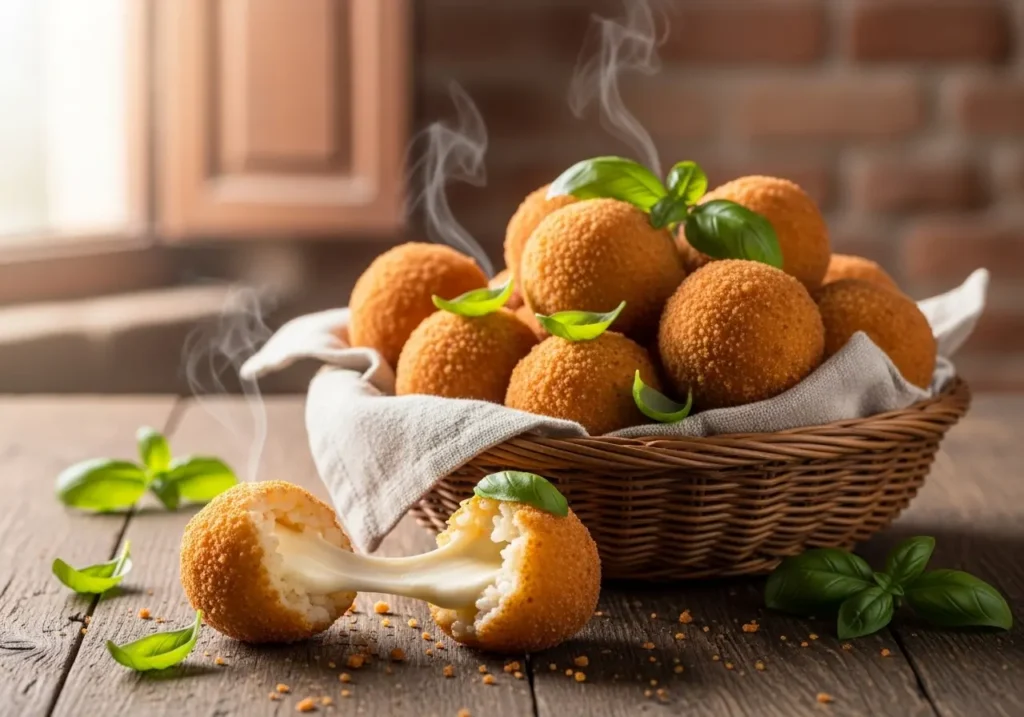
5. Supplì
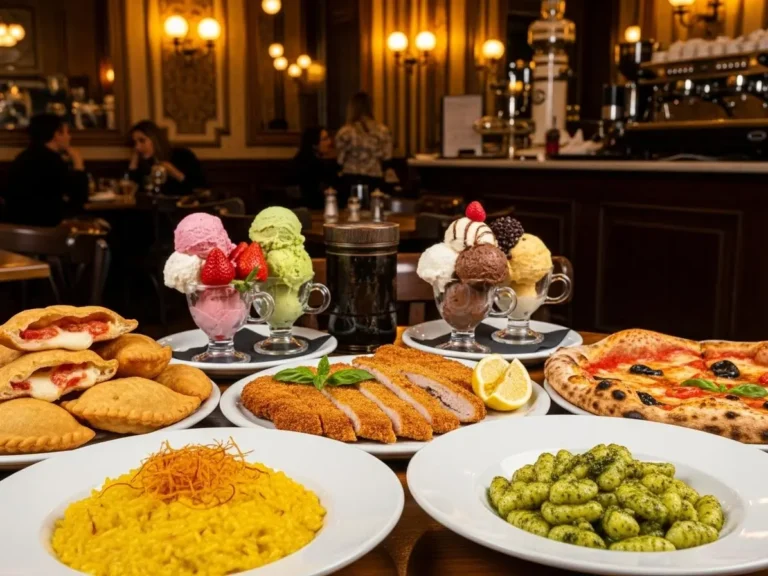
These golden, crispy rice croquettes are Rome’s answer to comfort food. Supplì features risotto mixed with tomato sauce and ground meat, formed into an oval, stuffed with mozzarella, then breaded and deep-fried until gloriously crunchy. When you bite into a properly made supplì, the mozzarella stretches into strings—earning them the nickname “supplì al telefono” (telephone supplì).
Perfect as a snack, appetizer, or light meal, supplì showcases Rome’s talent for transforming leftovers into something special. The contrast between the crispy exterior and creamy interior makes this Rome food dangerously addictive. Pizzerias and tavola calda (hot table) shops serve the best versions, often fresh from the fryer.
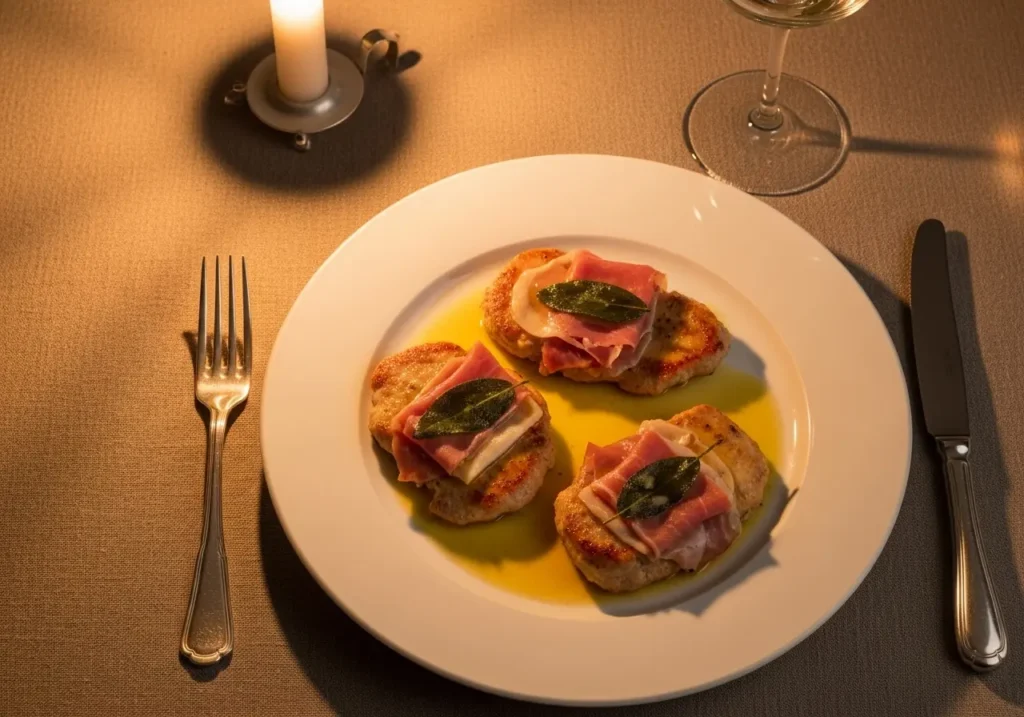
6. Saltimbocca alla Romana
This elegant dish literally means “jump in the mouth,” and once you taste it, you’ll understand why. Paper-thin veal cutlets are topped with prosciutto and fresh sage, then quickly pan-fried in white wine and butter. The result is tender, flavorful meat with a delicate sauce that ties everything together.
Saltimbocca represents Roman cuisine’s more refined side, proving that simplicity doesn’t mean rustic. The quality of ingredients matters enormously here—look for restaurants that source their veal and prosciutto carefully. This Rome food pairs beautifully with roasted potatoes or seasonal vegetables, making it a satisfying main course that feels both indulgent and light.
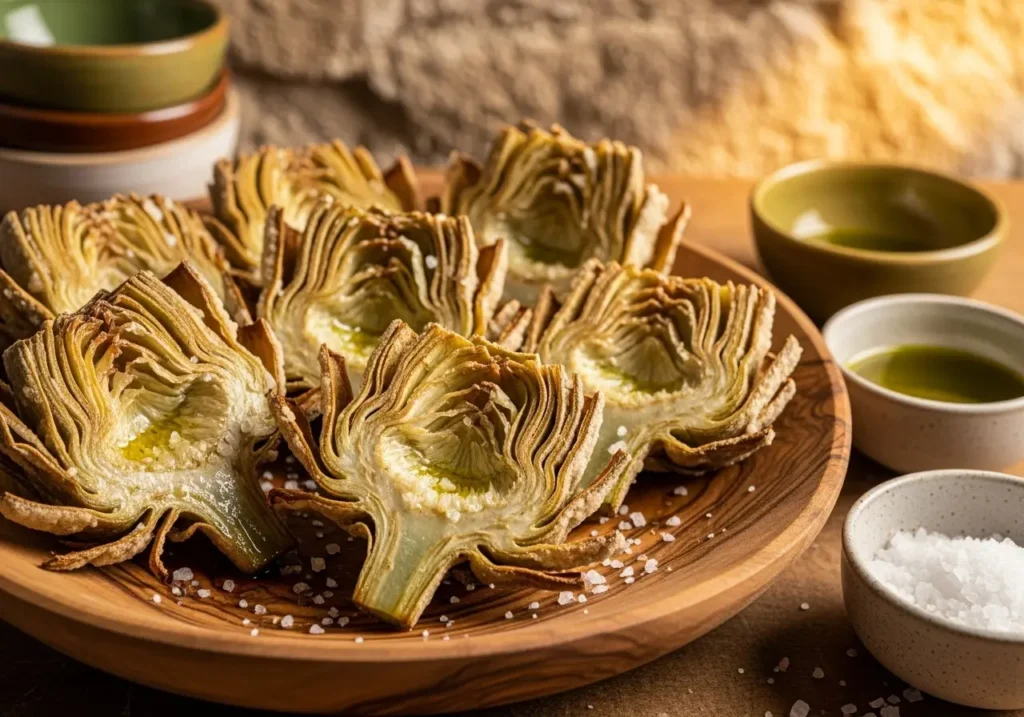
7. Carciofi alla Giudia
Jewish-Roman cuisine contributes this stunning preparation of artichokes, deep-fried until the leaves become crispy and flower-like. Carciofi alla giudia (Jewish-style artichokes) requires specific artichoke varieties and expert technique to achieve the perfect balance of crispy exterior and tender heart.
Available primarily in spring when artichokes are in season, this Rome food is worth planning your trip around. The whole artichoke is flattened and fried twice—first at a lower temperature to cook through, then at high heat to achieve that spectacular crispness. Served with just a sprinkle of salt, the natural sweetness of the artichoke shines through. The Jewish Ghetto neighborhood offers the most authentic versions, where generations of families have perfected the technique.
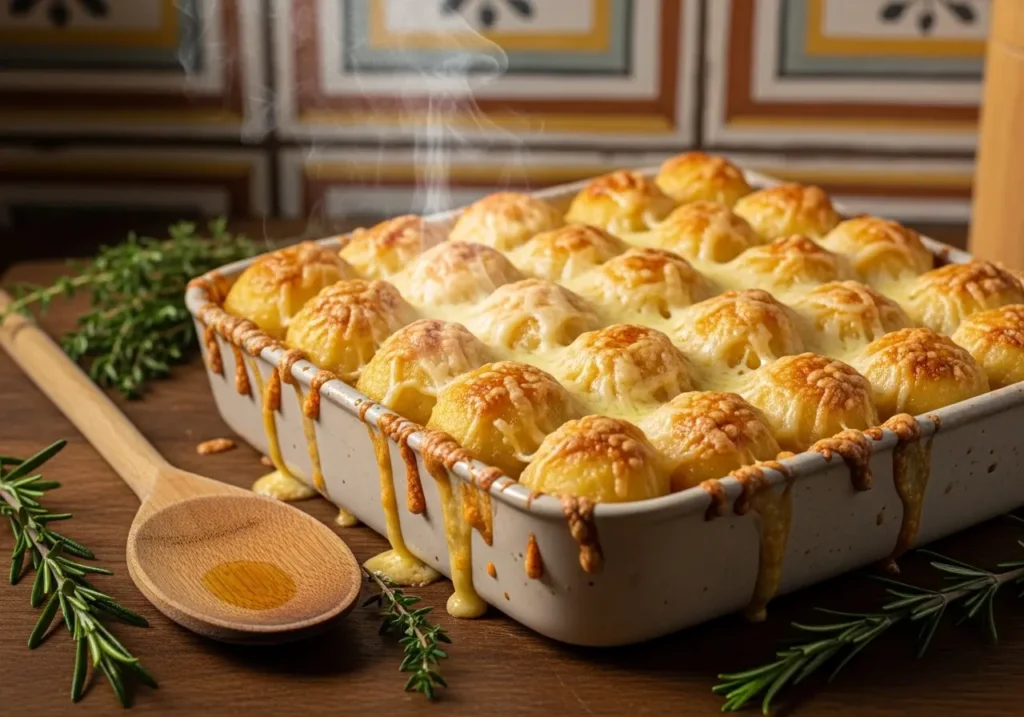
8. Gnocchi alla Romana
Don’t confuse these with potato gnocchi—gnocchi alla Romana uses semolina flour, milk, butter, and Pecorino Romano to create discs of rich, comforting goodness. The semolina mixture is spread thin, cut into rounds, layered in a baking dish, and gratinated until golden and bubbling.
Traditionally served on Thursdays in Roman households, this Rome food offers a different take on pasta entirely. The texture falls somewhere between polenta and pudding, with a crispy top that gives way to creamy richness underneath. While less famous than other dishes on this list, gnocchi alla Romana represents the kind of home cooking that Romans crave, making it a must-try for anyone seeking authentic local flavor.
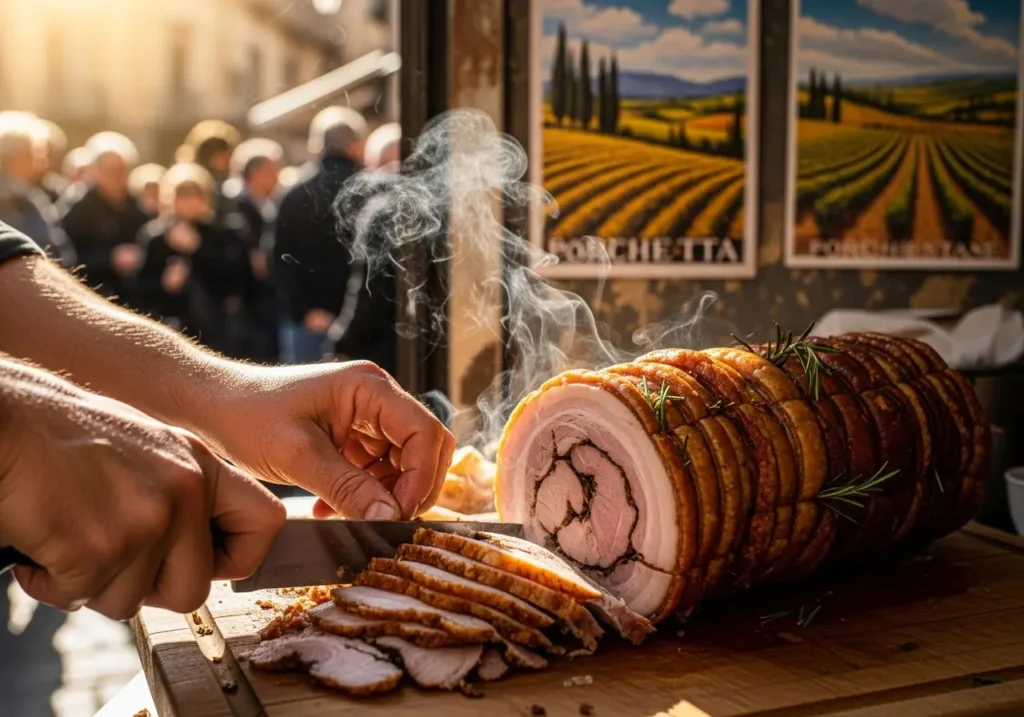
9. Porchetta
Walk through any Roman market or festival, and you’ll encounter porchetta—whole roasted pork seasoned with garlic, rosemary, fennel, and other herbs, slow-cooked until the meat is impossibly tender and the skin crackles with each bite. This Rome food originated in the nearby Castelli Romani area but has become a staple throughout the city.
The best porchetta comes from dedicated porchetta stands and specialized shops, where masters of the craft tend their roasting spits with the care of artists. Served on crusty bread as a sandwich or plated with roasted potatoes, porchetta delivers intense, satisfying flavors that fuel hours of sightseeing. The combination of juicy meat, aromatic herbs, and crispy skin creates an unforgettable taste experience.

10. Maritozzo
End your culinary tour of Rome with this pillowy sweet bun filled with mountains of fresh whipped cream. Maritozzo represents Rome’s pastry traditions at their finest—a slightly sweet, soft bread bun that’s sliced and generously stuffed with sweetened whipped cream.
Traditionally eaten for breakfast with coffee, maritozzo works equally well as an afternoon treat or dessert. The ratio of cream to bun is outrageously indulgent, yet somehow the light, airy texture keeps it from feeling too heavy. Historic bakeries and pasticcerie throughout Rome serve maritozzo, with some offering modern variations featuring chocolate, fruit, or flavored creams. For purists, however, the classic version remains unbeatable.
FAQs About Rome Foods
What is the most famous food in Rome? Carbonara is arguably Rome’s most internationally recognized dish, though locals might debate whether cacio e pepe or amatriciana deserves that honor. All three pasta dishes represent the pinnacle of Roman cooking and should be on every visitor’s list.
When is the best time to eat Rome foods? Romans follow traditional meal times—lunch typically runs from 1:00 PM to 3:00 PM, while dinner starts around 8:00 PM or later. Many restaurants close between lunch and dinner service. For the best selection and authentic atmosphere, align your eating schedule with local customs.
Are Rome foods expensive? Not necessarily. While fine dining exists, many traditional Rome foods are quite affordable. Expect to pay €10-15 for pasta dishes at neighborhood trattorias, €3-5 for pizza al taglio or supplì, and €5-8 for porchetta sandwiches. The best food often comes from unassuming, family-run establishments rather than touristy restaurants near major monuments.
Can vegetarians enjoy Rome foods? Absolutely. While Roman cuisine features plenty of meat, dishes like cacio e pepe, carciofi alla giudia, gnocchi alla Romana, and numerous vegetable-based antipasti offer excellent options. Many restaurants prepare seasonal vegetable dishes that showcase local produce beautifully.
What’s the difference between Roman and other Italian cuisines? Roman cooking emphasizes simplicity, bold flavors, and specific ingredients like Pecorino Romano cheese and guanciale. Unlike Northern Italian cuisine with its butter and cream, or Southern Italian cooking with its emphasis on seafood, Roman food centers on pasta, offal, vegetables, and a few signature meat dishes, all prepared with minimal ingredients but maximum flavor.
Should I avoid restaurants near tourist sites? Generally, yes. Restaurants immediately surrounding the Colosseum, Trevi Fountain, or Vatican tend to charge premium prices for mediocre food. Walk a few blocks away from major monuments, or head to neighborhoods like Testaccio, Trastevere, Monti, or Prati for more authentic experiences and better value.
Conclusion
Rome’s culinary landscape offers far more than ancient ruins and Renaissance art—it provides a direct connection to living traditions that have shaped how the world eats. The ten Rome foods featured in this guide represent centuries of culinary evolution, from peasant cooking techniques to sophisticated preparations that have conquered international menus.
Each dish tells a story of resourcefulness, community, and an unwavering commitment to quality ingredients prepared with respect and skill. Whether you’re savoring the minimalist perfection of cacio e pepe, biting into the crispy indulgence of carciofi alla giudia, or ending your day with a cream-filled maritozzo, you’re participating in traditions that Romans have cherished for generations.
Ready to taste the real Rome? Start planning your culinary adventure today by booking a food tour or making reservations at renowned trattorias in neighborhoods like Testaccio or Trastevere. Don’t just see Rome—taste it, one unforgettable dish at a time.
Join thousands of satisfied food lovers who’ve discovered that the best way to understand Rome isn’t through guidebooks alone, but through the incredible flavors that have defined this eternal city for centuries. Your Roman food journey awaits—buon appetito!