10 Hidden Gems to Discover at Lake Maggiore
Introduction
Are you tired of crowded tourist attractions and overpriced experiences that leave you feeling like just another face in the crowd? Most travelers visiting Italy’s lake region get stuck following the same predictable routes, missing out on the authentic magic that lies beyond the guidebooks.
Discover Lake Maggiore’s best-kept secrets that will transform your Italian lake experience from ordinary to extraordinary. You’ll uncover pristine islands, ancient hermitages, and thermal springs that even seasoned travelers overlook.
As a travel specialist with over a decade of experience exploring Italy’s hidden corners, I’ve personally visited every location mentioned in this guide. My local connections and extensive research have revealed these remarkable gems that offer the perfect blend of natural beauty, cultural richness, and authentic Italian charm.
In this comprehensive guide, you’ll explore ten extraordinary hidden gems around Lake Maggiore, learn why this destination deserves a spot on your travel bucket list, and get practical tips for making the most of your visit to this enchanting region.
Table of Contents
Why You Should Visit Lake Maggiore
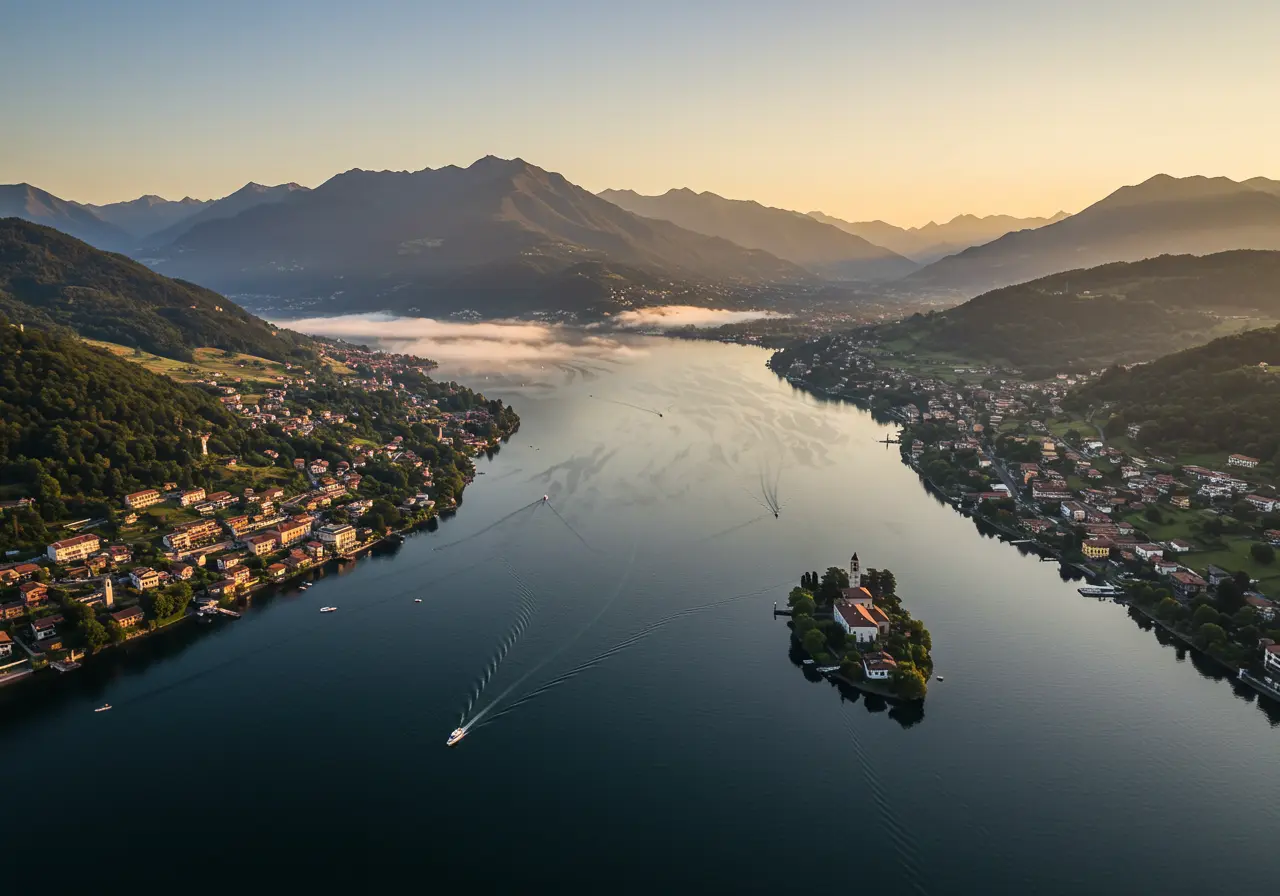
Lake Maggiore offers an unparalleled combination of cultural richness, travel convenience, and incredible variety that makes it one of Italy’s most rewarding yet underexplored destinations.
Culturally, this region serves as a fascinating crossroads where Italian elegance meets Swiss precision. Ancient Roman settlements blend seamlessly with medieval castles, baroque gardens, and contemporary art installations. The lake’s strategic location has attracted nobility, artists, and writers for centuries, creating a cultural tapestry that’s both sophisticated and accessible.
The convenience factor cannot be overstated. Lake Maggiore sits just 90 minutes from Milan’s airports, with excellent train connections and an efficient ferry system connecting all major towns. Unlike more remote Italian destinations, you can easily explore multiple locations in a single day while enjoying reliable transportation and well-developed infrastructure.
The variety here is simply breathtaking. Within a few kilometers, you’ll find pristine wilderness in nature reserves, opulent baroque palaces on private islands, charming fishing villages, thermal springs with Alpine views, and hiking trails that range from gentle lakeside strolls to challenging mountain ascents. This diversity means every type of traveler finds something to love.
10 Hidden Gems to Discover at Lake Maggiore
Isolino di San Giovanni
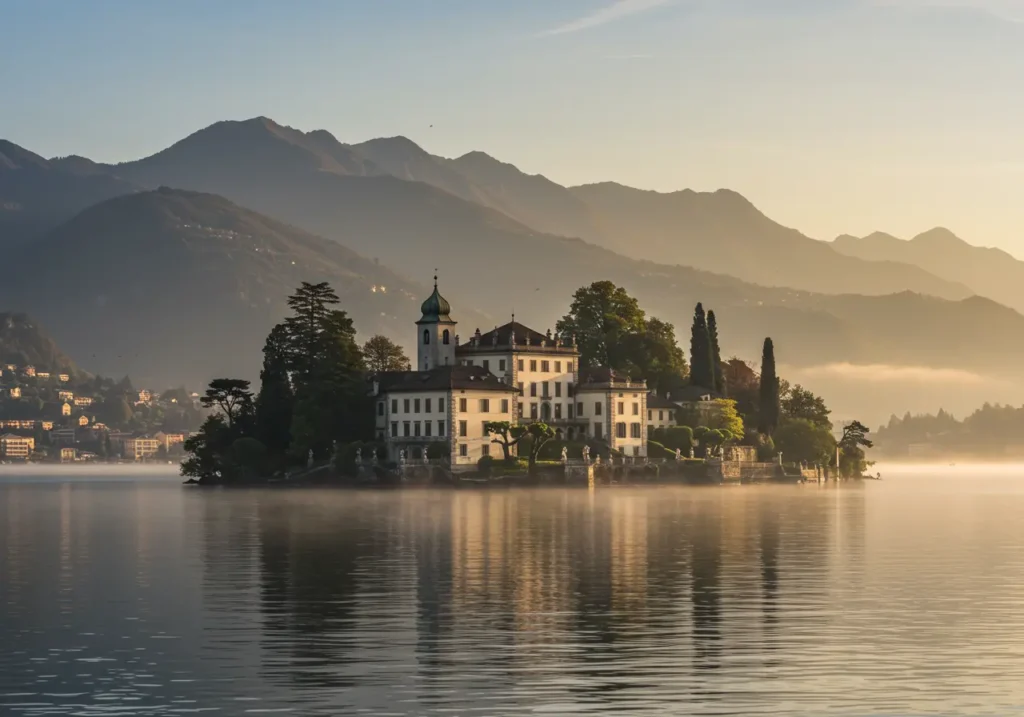
This private island sanctuary offers one of Lake Maggiore’s most exclusive experiences, featuring a stunning 17th-century villa surrounded by meticulously maintained botanical gardens. Unlike the famous Borromean Islands, Isolino di San Giovanni remains largely unknown to mainstream tourism, creating an intimate atmosphere perfect for photography and quiet contemplation. The island’s unique microclimate supports rare Mediterranean plants that thrive alongside Alpine species, creating a botanical wonderland. Accessible only by private boat or kayak, this hidden gem rewards adventurous travelers with pristine beaches, crystal-clear swimming spots, and panoramic views of the surrounding mountains. The villa occasionally hosts classical music concerts, adding cultural sophistication to natural beauty.
Isolino Partegora (“Isulin”)
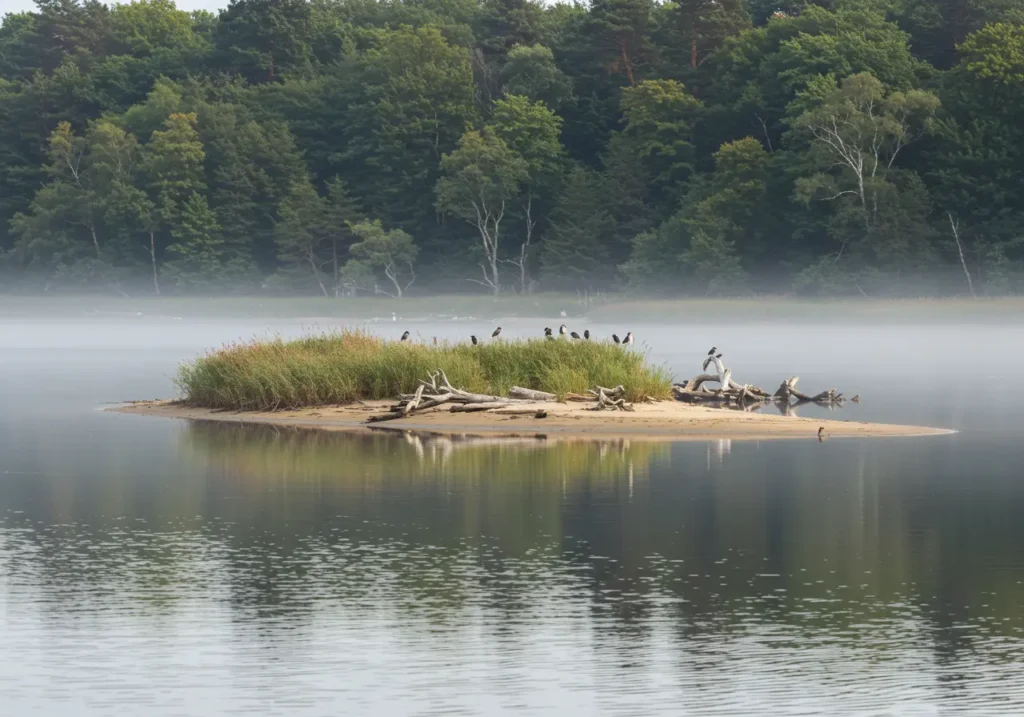
Known locally as “Isulin,” this tiny uninhabited island near Pallanza represents Lake Maggiore’s wild, untouched side. Covered in dense vegetation and surrounded by shallow waters perfect for swimming, it offers an authentic escape from modern life. The island’s rocky shores provide excellent spots for sunbathing and picnicking, while its interior trails wind through ancient oak and chestnut forests. Archaeological evidence suggests Roman settlements once existed here, adding historical intrigue to natural beauty. Accessible by swimming from nearby beaches or short kayak trips, Isolino Partegora attracts nature lovers seeking solitude. Local legends speak of hidden treasures and ancient rituals, making exploration feel like a treasure hunt through living history.
Lagoni di Mercurago Nature Park
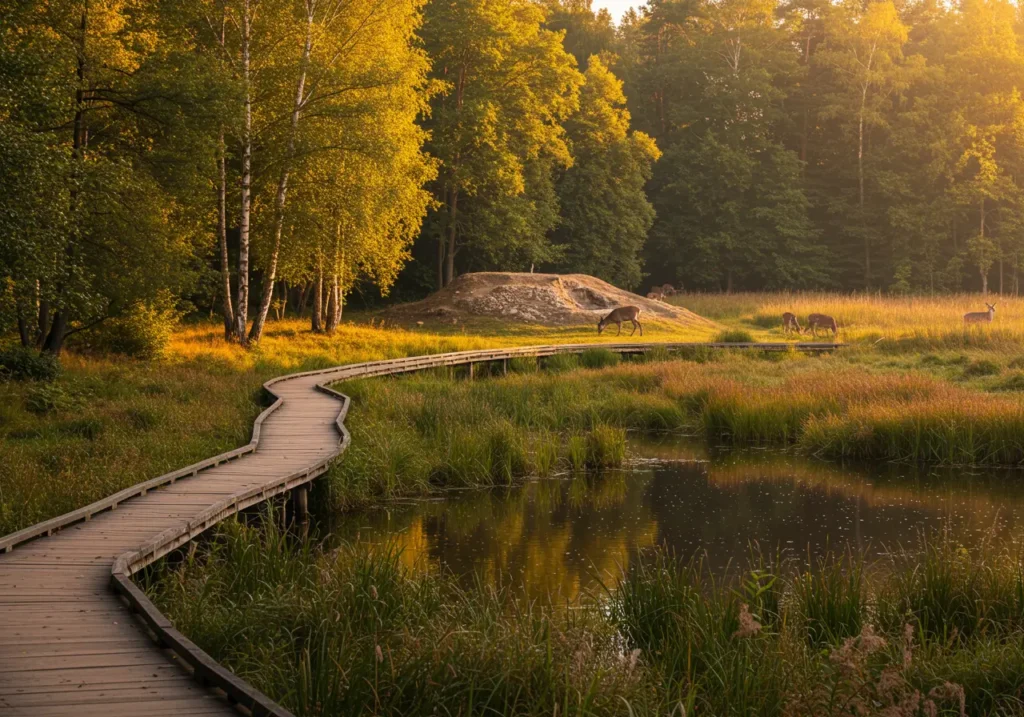
This UNESCO World Heritage wetland preserve protects one of Northern Italy’s most important ecosystems, featuring prehistoric lake settlements over 5,000 years old. Ancient pile dwellings emerge from the water during dry seasons, offering glimpses into Bronze Age life. The park’s diverse habitats support over 200 bird species, making it a paradise for birdwatchers and nature photographers. Well-maintained boardwalks lead through reed beds, marshes, and ancient forests without disturbing wildlife. Educational centers provide fascinating insights into both natural history and archaeological discoveries. The park’s proximity to Lake Maggiore creates unique microclimates supporting rare orchids, carnivorous plants, and migratory species. Sunrise and sunset visits reveal the park’s magical atmosphere when mist rises from the water.
Rocca Borromeo di Angera
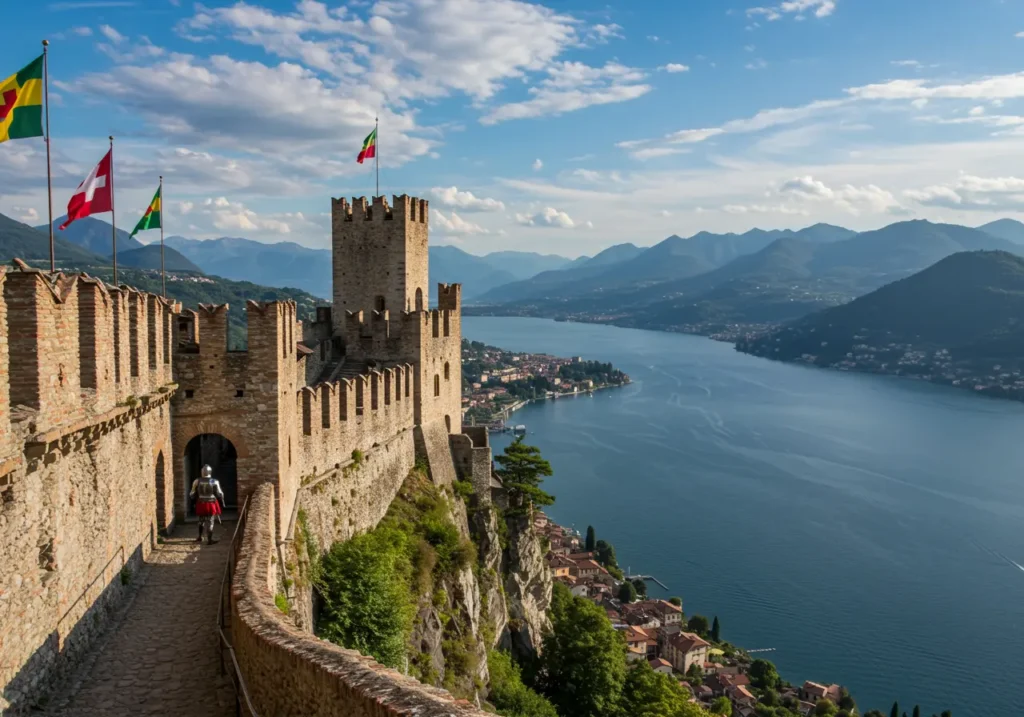
This imposing medieval fortress dominates Lake Maggiore’s southern shores, housing one of Europe’s finest doll and toy museums within ancient stone walls. The castle’s strategic position offers commanding views across the entire lake, making it both a defensive masterpiece and scenic wonder. Perfectly preserved 14th-century frescoes in the Justice Hall depict medieval life with remarkable detail and vibrant colors. The museum’s collection spans centuries of European toy-making, from intricate dollhouses to mechanical marvels that delight visitors of all ages. Gardens cascade down terraced slopes, featuring heirloom roses and medicinal herbs once used by castle residents. Underground passages, secret chambers, and torture chambers add mysterious elements to historical exploration. Special evening events include candlelit tours and medieval banquets.
Hermitage of Santa Caterina del Sasso
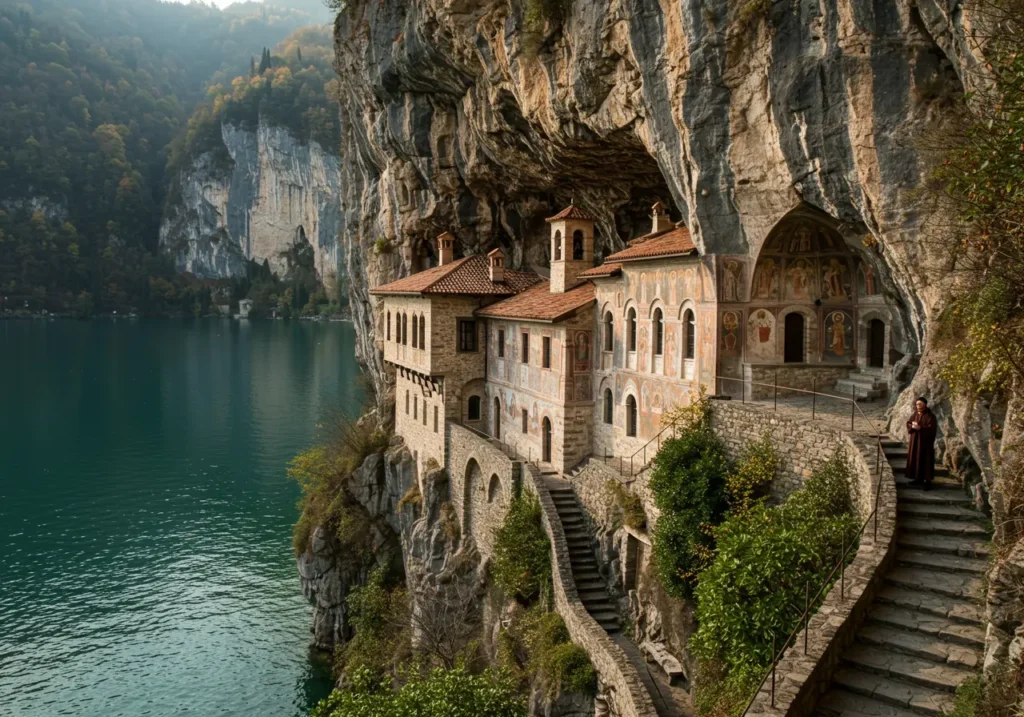
Carved directly into vertical cliffs rising from Lake Maggiore’s waters, this remarkable sanctuary represents one of Italy’s most dramatically positioned religious sites. Founded in 1170, the hermitage appears to float between heaven and earth, accessible only by boat or challenging clifftop paths. Ancient frescoes cover every available surface, creating a stunning gallery of medieval religious art in natural cave settings.
The complex includes multiple chapels, a convent, and meditation gardens that seem suspended over the lake. Restoration projects have revealed hidden chambers and ancient burial sites, adding archaeological significance to spiritual importance. The hermitage’s acoustic properties make it perfect for contemplation and prayer. Sunset visits create magical lighting effects as golden light filters through ancient windows carved from living rock.
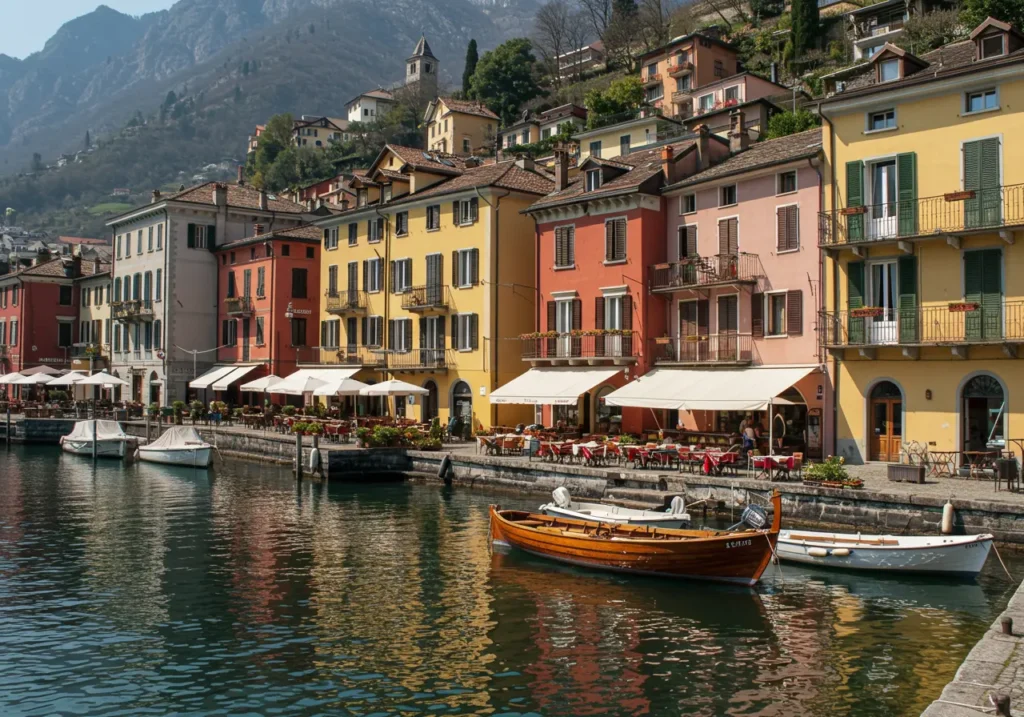
Cannobio
This charming medieval town near the Swiss border maintains authentic Italian character while offering sophisticated amenities that attract discerning travelers. Cobblestone streets wind past colorful houses, traditional trattorias, and artisan workshops that have operated for generations. The Sunday market transforms the lakefront promenade into a vibrant showcase of local produce, handmade crafts, and regional specialties.
Cannobio’s pristine beaches feature fine sand rare in the lake district, creating perfect spots for swimming and sunbathing. The nearby Cannobino Valley offers excellent hiking trails leading to Alpine villages, waterfalls, and mountain refuges. Local restaurants specialize in lake fish prepared according to ancient recipes passed down through fishing families. Cultural events include jazz festivals, art exhibitions, and traditional celebrations that welcome visitors into community life.
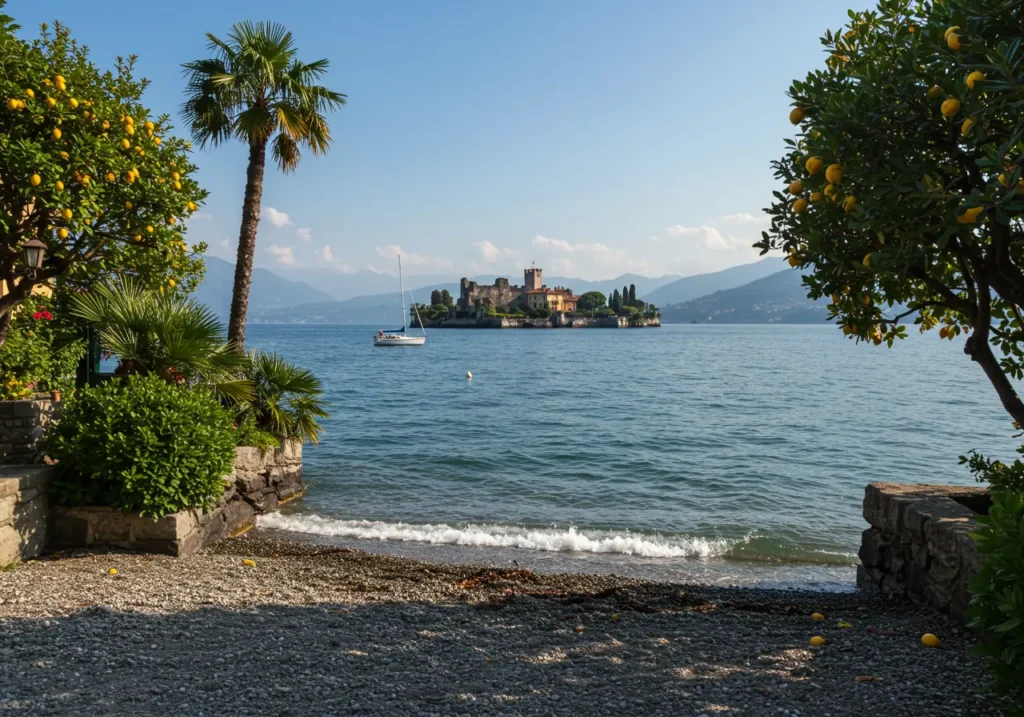
Cannero Riviera
This picturesque lakefront village boasts the mildest climate on Lake Maggiore, supporting citrus groves, olive trees, and palm gardens that create an almost Mediterranean atmosphere. Medieval towers rising from small islands offshore add romantic mystery to scenic beauty. These “Castelli di Cannero” ruins tell stories of noble families, ancient battles, and legendary treasures hidden beneath lake waters. The village’s elegant hotels and restaurants attract sophisticated travelers seeking authentic Italian experiences away from tourist crowds.
Lakefront promenades connect charming harbors where traditional fishing boats rest alongside modern pleasure craft. Local producers create exceptional olive oils, wines, and honey that reflect the region’s unique terroir. Art galleries showcase contemporary works inspired by the area’s natural beauty, while hiking trails lead to panoramic viewpoints overlooking Switzerland.
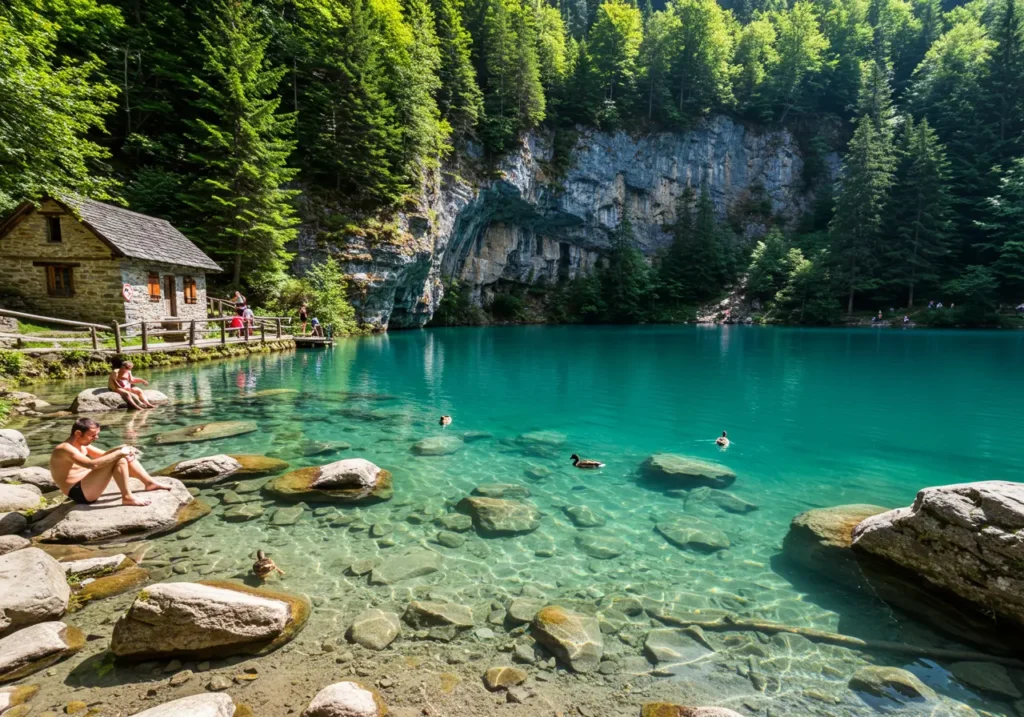
Mergozzo and Lake Mergozzo
Separated from Lake Maggiore by centuries of sediment deposits, tiny Lake Mergozzo offers crystal-clear waters in an intimate setting surrounded by granite peaks. The medieval village of Mergozzo features perfectly preserved stone architecture, ancient churches, and traditional restaurants serving exceptional local cuisine. This small lake prohibits motorboats, creating peaceful conditions perfect for swimming, kayaking, and stand-up paddleboarding. Underwater visibility often exceeds 10 meters, making it popular with snorkelers and underwater photographers.
Ancient granite quarries provide fascinating insights into traditional stone-cutting techniques still used in restoration projects. The lake’s thermal layers create unique ecosystems supporting rare fish species and aquatic plants. Hiking trails connect to Lake Maggiore, offering spectacular views of both water bodies from elevated vantage points throughout the surrounding mountains.
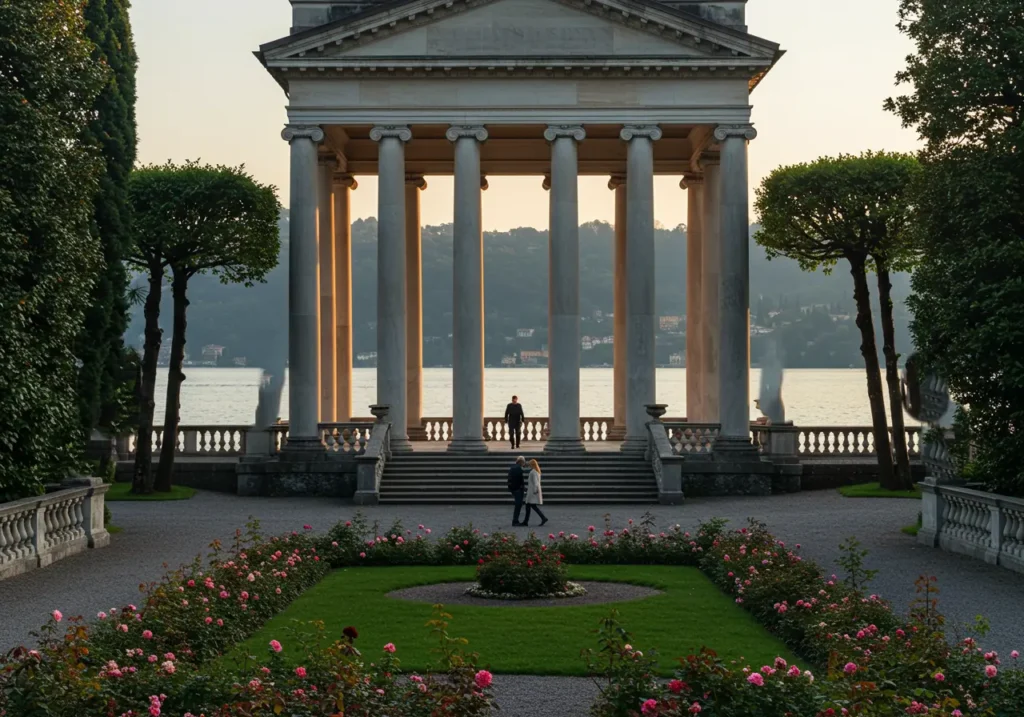
Villa Farragiana (Meina)
This neoclassical masterpiece showcases 19th-century aristocratic elegance through perfectly preserved interiors, formal gardens, and exceptional art collections. Built by wealthy industrialists, the villa demonstrates how Northern Italy’s elite lived during the region’s golden age of tourism. Original furnishings, paintings, and decorative objects create immersive experiences in historical luxury. The estate’s terraced gardens feature rare botanical specimens, sculptural elements, and hidden grottos that reward careful exploration.
Guided tours reveal fascinating stories about famous guests, including European royalty and renowned artists who found inspiration here. Special exhibitions showcase rotating displays of period costumes, historical photographs, and cultural artifacts. The villa’s private chapel contains remarkable frescoes and stained glass windows. Evening concerts in the grand salon create magical atmospheric experiences combining classical music with architectural grandeur.
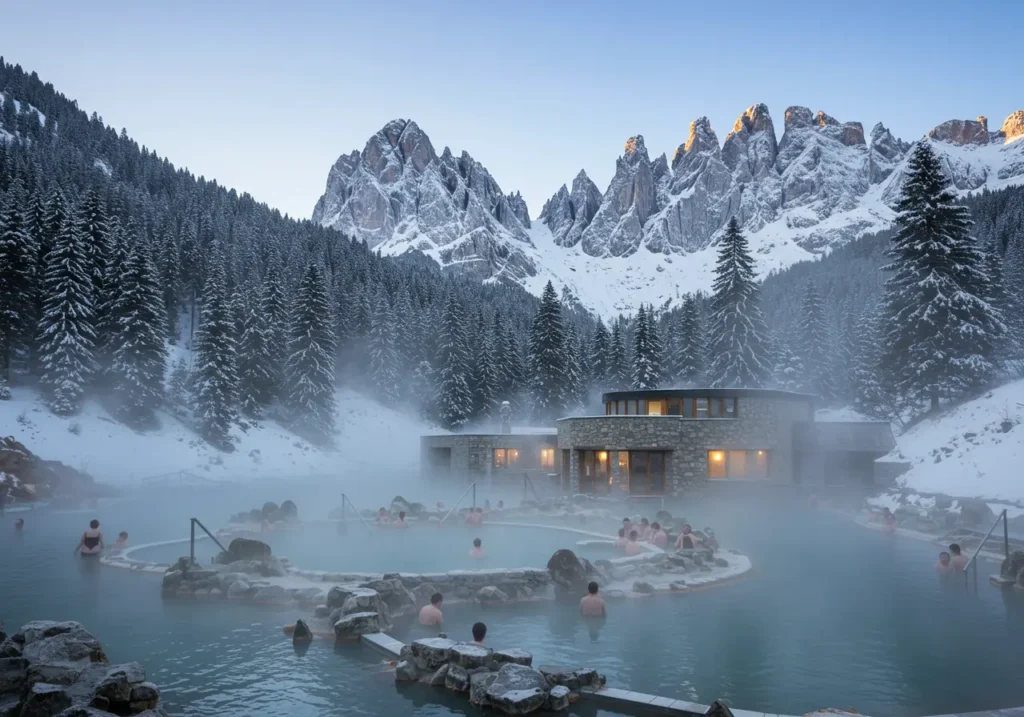
Premia Hot Springs
Nestled in the Antigorio Valley, these natural thermal springs offer Alpine wellness experiences in pristine mountain settings surrounded by peaks reaching over 3,000 meters. The mineral-rich waters, heated by geothermal activity, provide therapeutic benefits for various health conditions while creating relaxing spa experiences. Multiple pools maintain different temperatures, allowing visitors to customize their thermal bathing according to personal preferences. The facility’s mountain architecture blends harmoniously with surrounding landscapes, featuring local stone, wood, and traditional Alpine design elements.
Hiking trails connect the springs to ancient Roman thermal sites, medieval villages, and mountain refuges serving traditional Walser cuisine. Winter visits offer unique experiences as outdoor pools steam dramatically against snowy backdrops. The springs’ location provides easy access to Switzerland, adding international flavor to Italian Alpine adventures.
FAQs Lake Maggiore
What is the best time to visit Lake Maggiore’s hidden gems? Late spring (May-June) and early autumn (September-October) offer ideal weather conditions with fewer crowds. Summer provides warmest swimming conditions, while winter offers unique atmospheric experiences at thermal springs and indoor attractions.
How do I reach the smaller islands like Isolino di San Giovanni? Private boat charters, kayak rentals, or swimming from nearby beaches provide access to these secluded islands. Some hotels can arrange exclusive boat transfers for their guests.
Are these hidden gems suitable for families with children? Most locations welcome families, though some require moderate physical fitness for hiking or climbing. The doll museum at Rocca Borromeo and Lake Mergozzo’s calm waters are particularly family-friendly.
Do I need advance reservations for these attractions? Villa Farragiana and Hermitage of Santa Caterina del Sasso benefit from advance booking, especially during peak season. Nature parks and public beaches typically don’t require reservations.
Can I visit multiple hidden gems in one day? Yes, Lake Maggiore’s efficient ferry system and proximity of attractions make multi-location visits feasible. Plan 2-3 gems per day for a comfortable pace that allows proper exploration.
Conclusion
Lake Maggiore’s hidden gems offer extraordinary experiences that transform ordinary vacations into unforgettable adventures. From ancient hermitages carved into cliffs to pristine islands accessible only by boat, these secret treasures provide authentic Italian experiences away from tourist crowds.
Each location reveals different facets of this remarkable region’s character, whether you’re exploring prehistoric settlements, soaking in Alpine thermal springs, or discovering medieval villages that time forgot. These hidden gems prove that the most rewarding travel experiences often lie just beyond the beaten path.
Your Lake Maggiore adventure awaits – start planning your journey to these incredible hidden gems today. Book your accommodations near these secret locations to maximize your exploration time and create memories that will last a lifetime.
Thousands of travelers have already discovered these hidden gems and transformed their Italian lake experiences. Join the growing community of savvy travelers who know that Lake Maggiore’s best treasures are waiting to be explored by those adventurous enough to seek them out.