10 Italian Cheese Varieties You Need to Taste Now
Introduction
Walking through Italian markets or scanning restaurant menus can feel overwhelming when you’re faced with dozens of unfamiliar cheese names. You want to experience authentic Italian flavors, but without local knowledge, it’s easy to stick with the safe, familiar options and miss out on extraordinary taste experiences.
This comprehensive guide reveals the essential Italian cheese varieties that will transform your culinary journey through Italy. Whether you’re planning a trip, hosting an Italian-themed dinner, or simply expanding your cheese knowledge, you’ll discover the rich traditions and distinctive flavors that make Italian cheese world-renowned.
As a content strategist specializing in authentic travel experiences, I’ve worked with food experts and spent years researching Italy’s gastronomic treasures to bring you insider knowledge that goes beyond tourist traps.
In this guide, you’ll explore why Italian cheese varieties deserve your attention, discover ten must-try cheeses with their unique characteristics, and get answers to common questions about selecting, storing, and enjoying these dairy masterpieces.
Table of Contents
Why You Should Try Italian Cheese Varieties
Italian cheese varieties represent centuries of artisan craftsmanship and regional pride. Each cheese tells a story of its terroir, from the mountain pastures of the Alps to the sun-drenched plains of Southern Italy. Understanding these cheeses connects you to Italian culture in a profound way that transcends typical tourist experiences.
The convenience of exploring Italian cheese varieties has never been better. Specialty food shops, online retailers, and even mainstream supermarkets now stock authentic Italian cheeses with protected designation of origin (PDO) certifications. This accessibility means you can embark on a genuine taste journey without leaving your hometown, though nothing compares to tasting these treasures in their native regions.
The variety within Italian cheese offerings is staggering. From fresh, delicate cheeses perfect for summer salads to aged, complex varieties that pair beautifully with robust wines, there’s an Italian cheese for every palate and occasion. This diversity reflects Italy’s regional differences, with each area developing unique production methods that have been refined over generations.
10 Italian Cheese Varieties You Need to Taste Now

Parmigiano-Reggiano
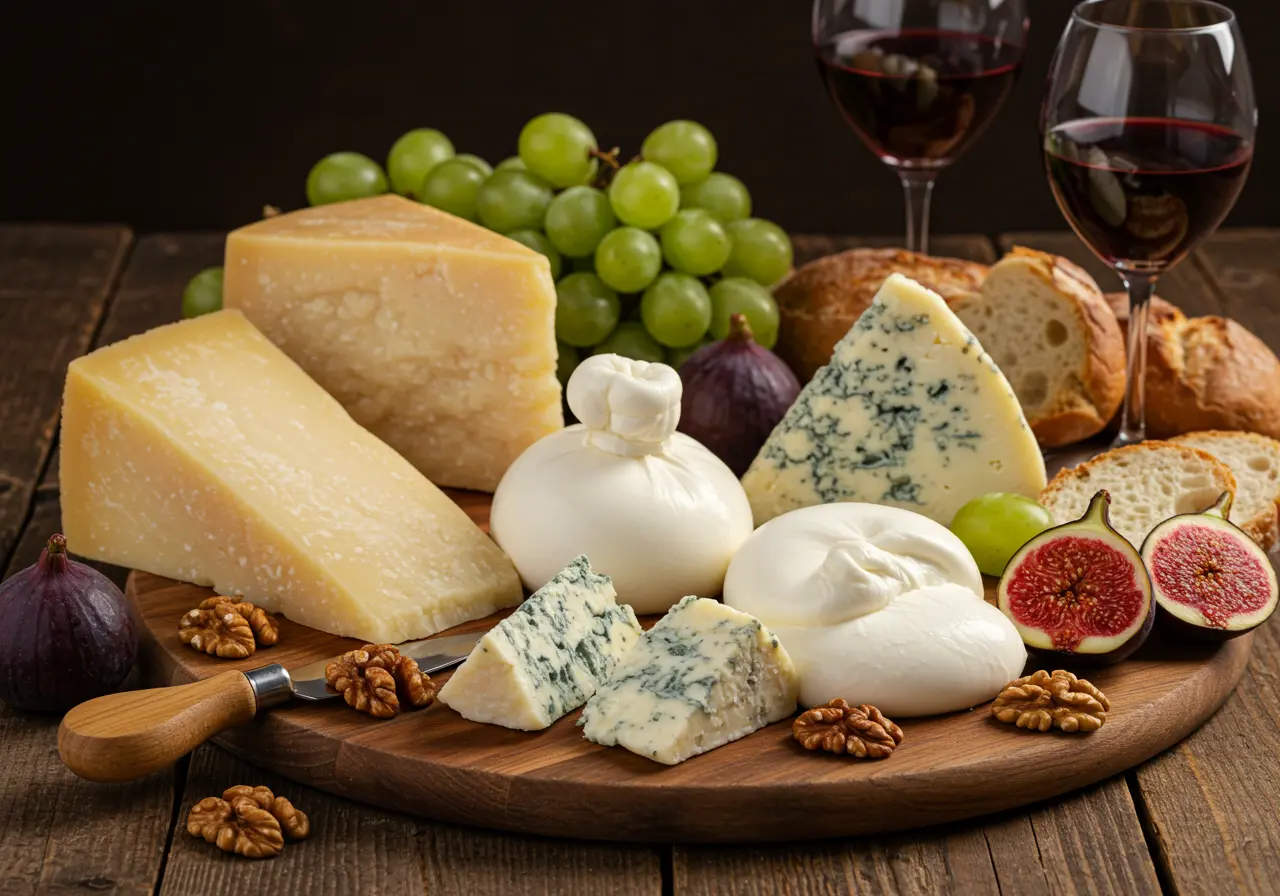
Often called the “King of Cheeses,” Parmigiano-Reggiano is a hard, granular cheese aged for a minimum of twelve months, though the finest versions mature for thirty-six months or longer. Produced exclusively in specific provinces of Emilia-Romagna and Lombardy, this cheese features a complex, nutty flavor with crystalline texture that crunches delightfully on the palate. The production follows strict regulations established over nine centuries, requiring only three ingredients: milk, salt, and rennet. Break off chunks rather than grating for the full sensory experience, pairing with aged balsamic vinegar or fresh figs for an unforgettable appetizer.
Mozzarella di Bufala
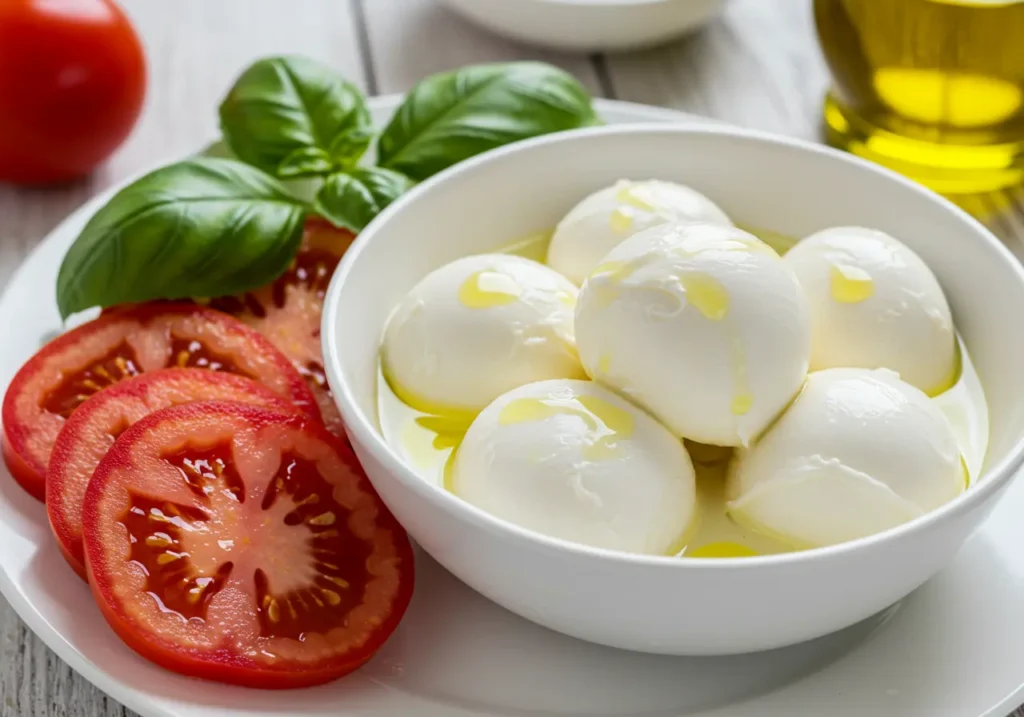
Authentic Mozzarella di Bufala comes from the milk of water buffaloes raised in Campania and Lazio regions, creating a cheese vastly superior to common cow’s milk mozzarella. This fresh cheese boasts a porcelain-white appearance with a soft, elastic texture that releases creamy, slightly tangy milk when torn open. The production process requires expert timing, as the curds are stretched and shaped while still warm to achieve the signature texture. Consume within days of production for optimal flavor, enjoying it simply with ripe tomatoes and basil, or experience the luxurious center of a Margherita pizza made in Naples.
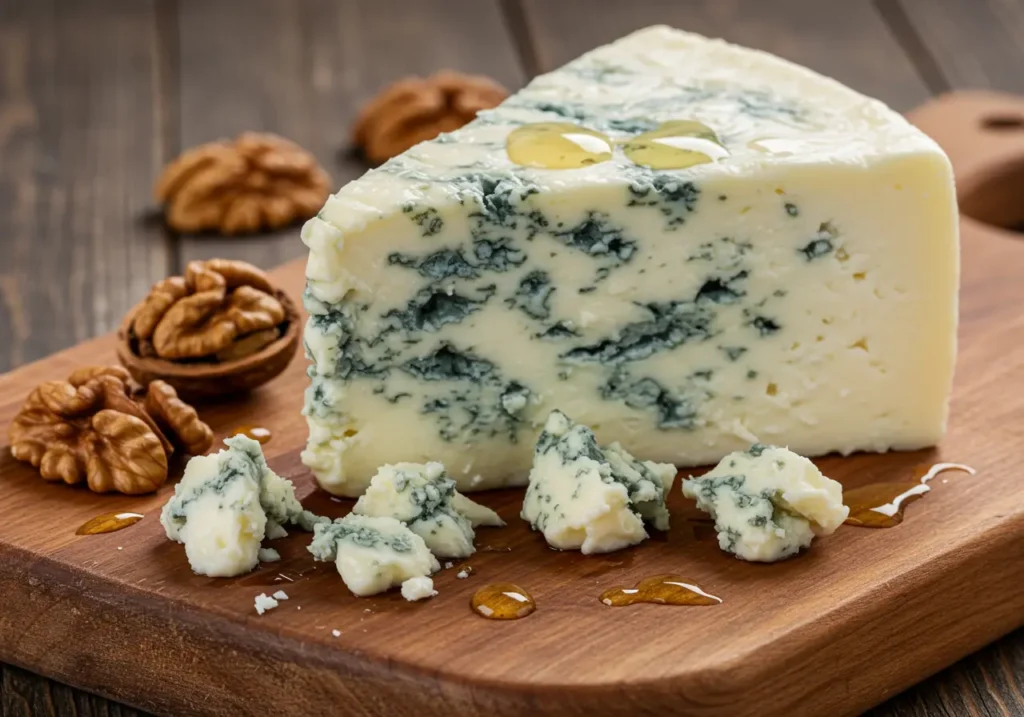
Gorgonzola
This blue-veined cheese from Lombardy and Piedmont comes in two distinct styles: dolce (sweet and creamy) and piccante (firm and sharp). Gorgonzola’s characteristic blue-green marbling develops from Penicillium cultures introduced during production, creating flavor profiles ranging from mildly sweet to intensely piquant depending on aging time. The dolce variety, aged for two to three months, offers a spreadable texture perfect for risottos or polenta, while piccante, aged four months or more, provides bold flavors that stand up to robust red wines. Both varieties showcase the expertise required to balance moisture, temperature, and time.
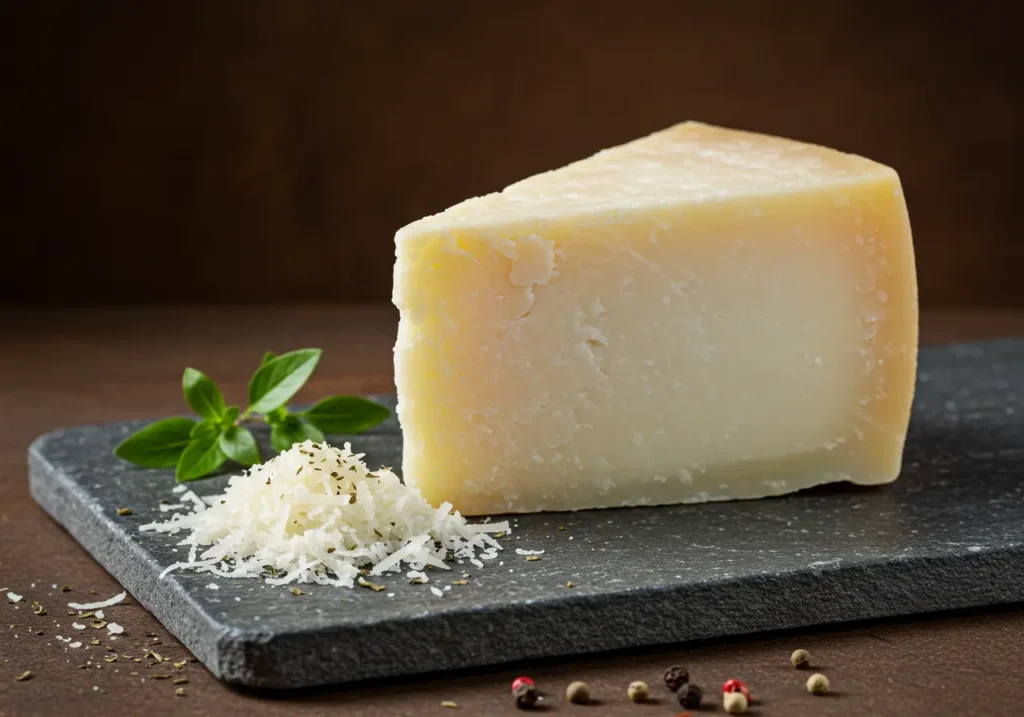
Pecorino Romano
This ancient sheep’s milk cheese dates back to Roman times, when it was a staple ration for legionnaires due to its long shelf life and concentrated nutrition. Pecorino Romano delivers an assertively salty, sharp flavor that intensifies during its minimum eight-month aging period, with a firm, granular texture ideal for grating. Production centers in Lazio, Sardinia, and Tuscany, where traditional methods have changed little over millennia. The cheese’s bold character makes it indispensable for authentic Cacio e Pepe or Carbonara, though it also shines when paired with honey, pears, or walnuts on a cheese board.
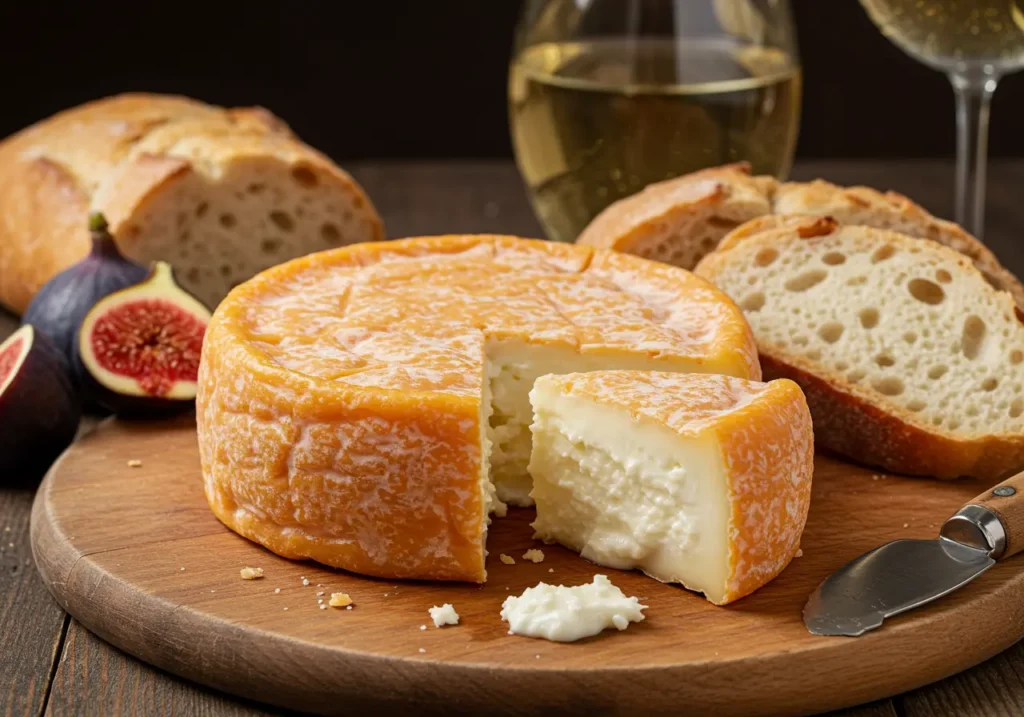
Taleggio
Named after the Val Taleggio region in Lombardy, this washed-rind cheese offers a striking contrast between its pungent aroma and mild, fruity flavor. The cheese features a thin, edible rind that develops its characteristic pink-orange color through regular washing with brine during the forty-day aging process. Inside, the paste softens to a creamy consistency with a sweet, slightly tangy taste that surprises those expecting the intensity its smell suggests. Taleggio melts beautifully, making it exceptional in risottos, polenta dishes, or simply spread on crusty bread, where its subtle mushroom and yeasty notes fully develop.
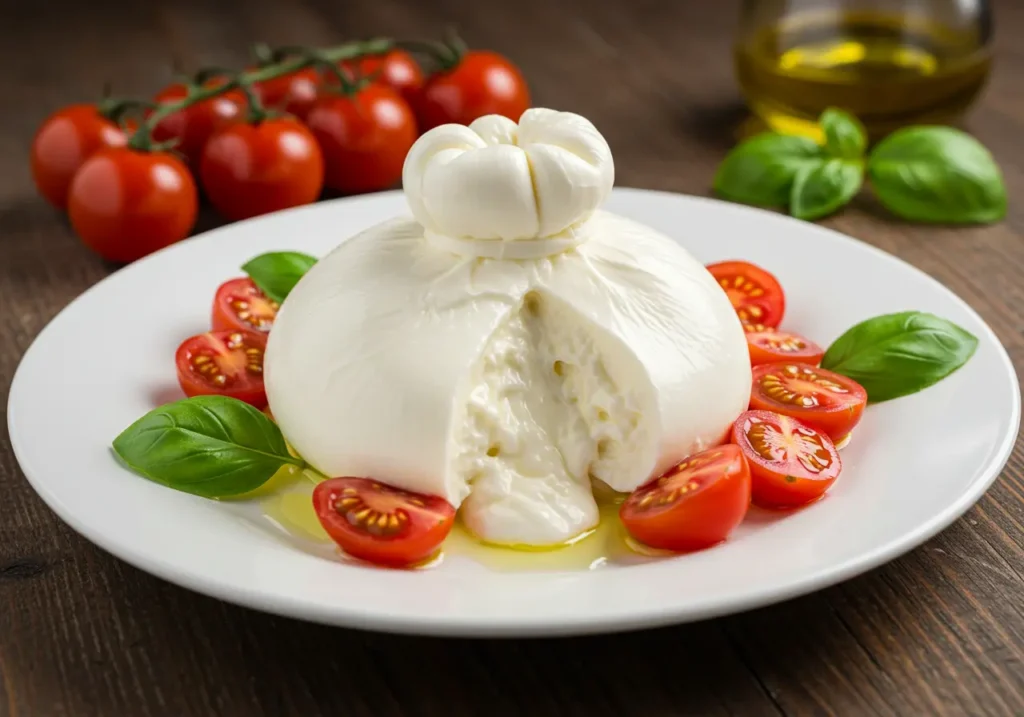
Burrata
Burrata represents the pinnacle of fresh cheese artistry, featuring a mozzarella shell that encases a luscious center of cream and stracciatella (shredded mozzarella soaked in cream). Originating in Puglia during the 1920s, this cheese must be consumed within forty-eight hours of production to experience its magical texture and delicate, buttery flavor. The outer shell provides structure while the interior literally flows when cut, creating an incomparably rich and indulgent eating experience. Serve burrata at room temperature on its own with quality olive oil and sea salt, or let it crown heirloom tomatoes, grilled vegetables, or fresh stone fruits for an elegant starter.

Asiago
Asiago comes in two distinct varieties: Asiago Pressato (fresh, aged twenty to forty days) and Asiago d’Allevo (aged two months to over two years). The fresh version offers a mild, slightly sweet flavor with elastic texture, while aged Asiago develops granular consistency and complex, nutty notes reminiscent of Parmigiano-Reggiano. Produced in the Veneto and Trentino regions since the year 1000, this versatile cheese adapts to numerous culinary applications. Young Asiago melts smoothly for sandwiches and pasta dishes, while aged varieties excel on cheese boards paired with crusty bread, cured meats, and full-bodied red wines from the same regions.
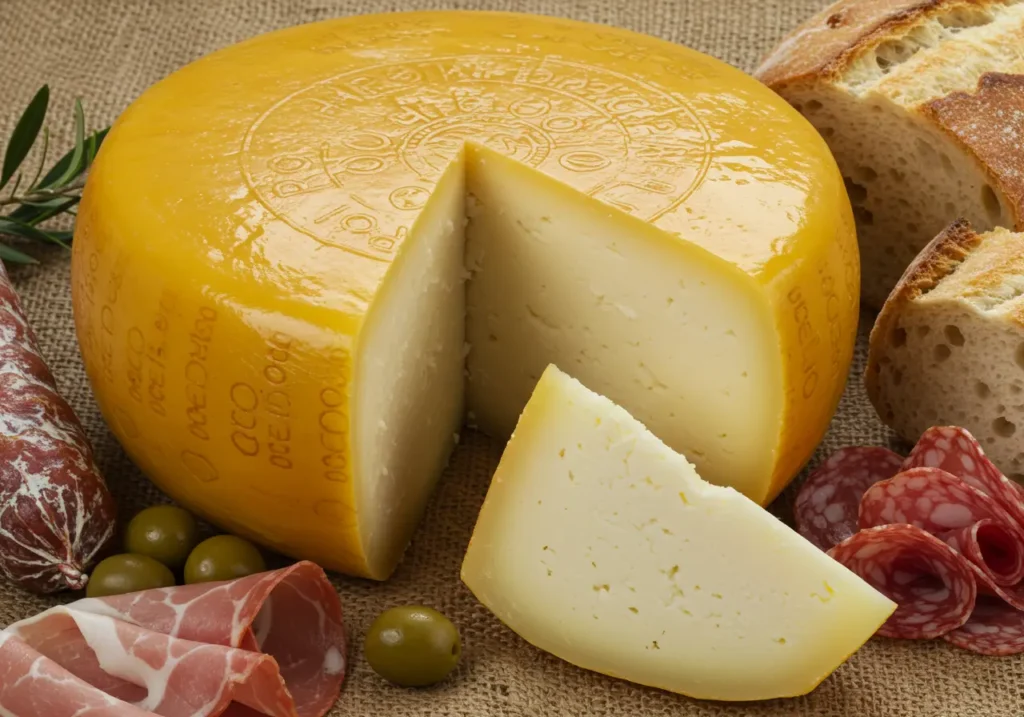
Provolone
Provolone exists in two primary forms: dolce (mild and aged two to three months) and piccante (sharp and aged over four months), both created through a pasta filata process similar to mozzarella. This southern Italian cheese features a smooth, firm texture and golden interior that ranges from delicate and buttery to robust and tangy depending on aging time. Traditional production involves hanging the cheese in various shapes—from pear to sausage forms—which impacts both aesthetics and aging characteristics. Provolone piccante adds depth to sandwiches and antipasto platters, while the milder dolce version melts perfectly for cooking applications.
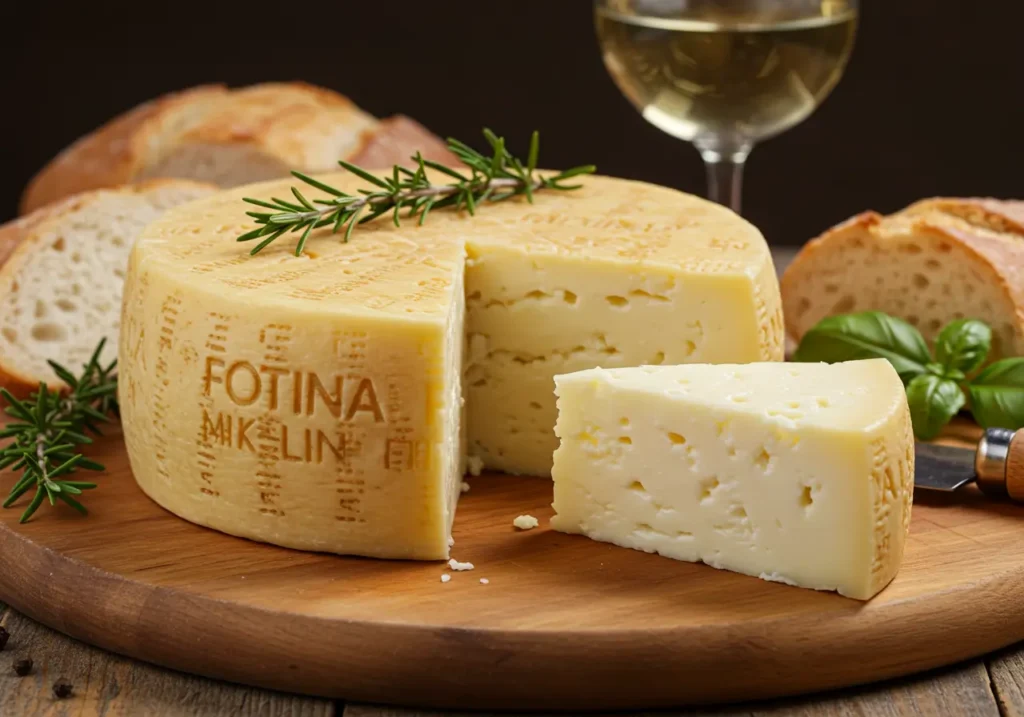
Fontina
Authentic Fontina Val d’Aosta, protected by PDO designation, comes exclusively from Valle d’Aosta in the Italian Alps, where cows graze on mountain herbs and flowers. This semi-soft cheese develops a rich, nutty flavor with earthy undertones during its minimum three-month aging in natural caves. The paste features small holes and a supple, slightly elastic texture that melts into smooth, creamy consistency when heated. Fontina’s moderate intensity makes it extraordinarily versatile—essential for traditional fonduta (Italian fondue), exceptional in risottos and polenta, or simply enjoyed with crusty bread and light red wines from alpine regions.
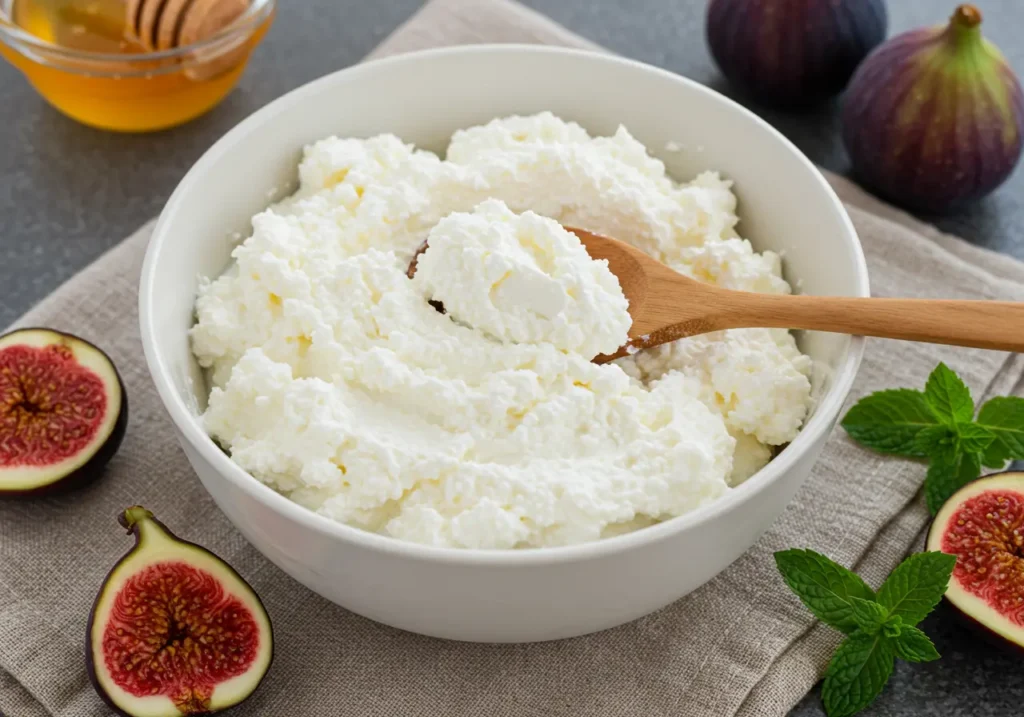
Ricotta
Despite being called cheese, ricotta is technically a dairy product made from whey left over from cheese production, traditionally cooked twice (ri-cotta means “re-cooked”). This fresh, granular cheese offers a mild, slightly sweet flavor with a light, creamy texture that can be either smooth or slightly grainy depending on production methods. Ricotta serves as the foundation for countless Italian dishes, from classic lasagna and stuffed pasta to sweet preparations like cannoli and cheesecake. The finest examples come from sheep’s milk whey in Southern Italy, though cow’s milk versions are more common and still delicious when fresh.
FAQs About Italian Cheese Varieties
What is the most popular Italian cheese variety? Parmigiano-Reggiano and Mozzarella are the most popular Italian cheese varieties worldwide, with Parmigiano-Reggiano dominating as a grating cheese and Mozzarella leading for fresh consumption and pizza. Both carry protected designation of origin status and represent Italian cheese excellence.
How should I store Italian cheese varieties? Store hard cheeses like Parmigiano-Reggiano and Pecorino Romano wrapped in parchment or wax paper in the refrigerator’s cheese drawer. Fresh cheeses like Mozzarella di Bufala and Burrata should remain in their original liquid and be consumed within days of purchase for optimal quality.
What’s the difference between Parmigiano-Reggiano and Parmesan? Parmigiano-Reggiano is the authentic Italian cheese produced in specific regions under strict regulations, while “Parmesan” is a generic term for similar-style cheeses made elsewhere. Only cheese marked “Parmigiano-Reggiano” with the official stamp guarantees traditional production methods and quality.
Can I substitute one Italian cheese variety for another? While some substitutions work in cooking, Italian cheese varieties have distinct characteristics developed over centuries. Pecorino Romano can replace Parmigiano-Reggiano for sharper flavor, and Provolone can substitute for Fontina in melting applications, but each cheese offers unique qualities worth experiencing individually.
Are Italian cheese varieties suitable for lactose-intolerant individuals? Aged Italian cheese varieties like Parmigiano-Reggiano, aged Asiago, and Pecorino Romano contain minimal lactose due to extended aging, making them often tolerable for lactose-sensitive individuals. Fresh cheeses like Mozzarella and Ricotta retain more lactose and may cause digestive issues.
Where can I buy authentic Italian cheese varieties? Specialty cheese shops, Italian delis, and upscale grocery stores stock authentic Italian cheese varieties with PDO certifications. Online retailers specializing in imported foods also offer extensive selections. Look for official stamps and certifications to ensure authenticity rather than domestic imitations.
Conclusion
Italian cheese varieties offer an accessible gateway to understanding Italy’s rich culinary heritage and regional diversity. From the crystalline crunch of aged Parmigiano-Reggiano to the flowing cream center of fresh Burrata, each cheese represents generations of artisan expertise and terroir-driven production. These ten essential varieties provide a comprehensive introduction to Italian cheese excellence, whether you’re exploring them in Italy or bringing Italian flavors into your own kitchen.
Call to Action
Start your Italian cheese journey today by visiting a specialty cheese shop and selecting three varieties from this guide—perhaps one fresh, one aged, and one blue cheese. Create a tasting experience with crusty bread, fresh fruit, and Italian wine to fully appreciate the distinct characteristics of each cheese. Share your discoveries with friends and family to spread the appreciation for these remarkable Italian cheese varieties.
Social Proof
Millions of food enthusiasts worldwide have discovered that authentic Italian cheese varieties transform everyday meals into memorable culinary experiences. From professional chefs who build entire menus around artisan Italian cheeses to home cooks who’ve elevated their pasta dishes with quality Pecorino Romano, the consensus is clear: investing in authentic Italian cheese varieties delivers unmatched flavor and satisfaction. Join the growing community of cheese lovers who understand that true Italian cheese quality is worth seeking out and savoring.