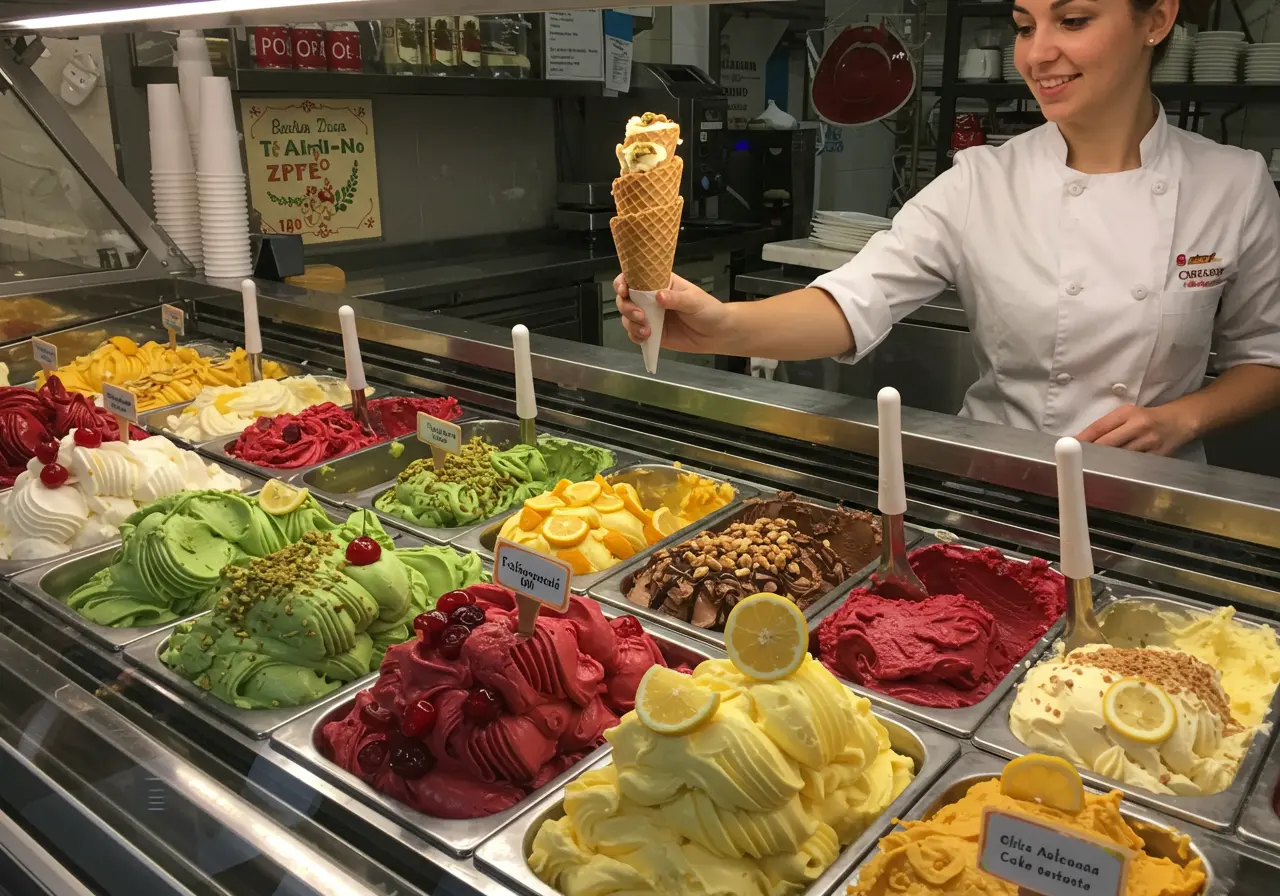
14 Italian Gelato Flavors That Will Blow Your Mind
Introduction
Picture this: You’re wandering through cobblestone streets in Rome, the afternoon sun beating down, and you spot yet another gelateria. But which flavors do you choose? With countless options staring back at you through the display case, decision paralysis sets in. Most travelers stick to chocolate or vanilla, missing out on Italy’s most spectacular frozen treasures.
This guide will transform you from a gelato novice into a confident connoisseur, helping you discover authentic Italian gelato flavors that locals actually eat. As someone who’s spent years exploring Italy’s gelaterias and interviewing master gelato makers, I’ve curated the ultimate list of must-try flavors that showcase Italy’s culinary genius.
We’ll explore 14 extraordinary Italian gelato flavors, from regional specialties to timeless classics, plus answer your burning questions about what makes Italian gelato truly special.
Table of Contents
Why You Should Try Italian Gelato Flavors
Italian gelato flavors offer an authentic window into Italy’s rich culinary culture and regional diversity. Each flavor tells a story—whether it’s Sicilian pistachios, Piedmont hazelnuts, or Roman ricotta—connecting you directly to local traditions and centuries-old recipes passed down through generations.
The convenience of exploring Italian gelato flavors makes it the perfect travel companion. Gelaterias populate every Italian city, from tiny mountain villages to bustling metropolises, offering affordable luxury that fits any budget. Unlike sit-down restaurants, you can enjoy premium gelato while strolling through museums, parks, or historic sites.
The variety of Italian gelato flavors is staggering, with artisanal shops creating everything from traditional fruit-based sorbettos to innovative flavor combinations. Seasonal ingredients mean constantly rotating options, ensuring every visit brings new discoveries. Whether you prefer creamy, nutty, fruity, or bold flavors, Italian gelato delivers complexity and balance that commercial ice cream simply cannot match.
14 Italian Gelato Flavors That Will Blow Your Mind

Stracciatella
Stracciatella embodies elegant simplicity at its finest. This flavor features creamy fior di latte gelato laced with irregular chocolate shavings that create delightful textural surprises. The name derives from the Italian verb “stracciare,” meaning to shred or tear, perfectly describing the chocolate ribbons throughout. Created in Bergamo during the 1960s, stracciatella remains a benchmark for quality gelaterias. The best versions use high-quality dark chocolate that shatters into thin, crisp fragments against the velvety gelato base, creating a sophisticated flavor profile that never overwhelms the palate.
Pistacchio di Bronte
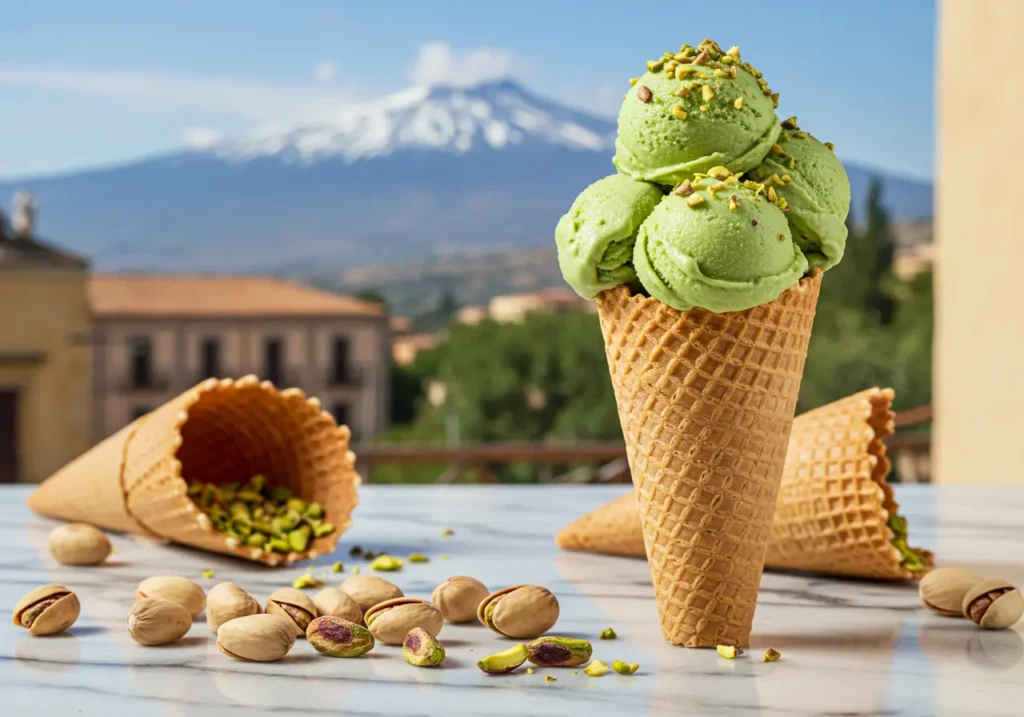
Pistacchio di Bronte represents gelato royalty, crafted from prized Sicilian pistachios grown on Mount Etna’s volcanic slopes. These emerald gems produce intensely flavored gelato with natural green coloring—beware bright artificial versions. The flavor delivers earthy, slightly sweet notes with remarkable depth and complexity that lingers beautifully. Bronte pistachios contain higher oil content than ordinary varieties, creating exceptionally creamy texture without excessive dairy. True pistacchio di Bronte gelato commands premium prices, but one taste reveals why Italians consider it liquid gold worth every euro spent.
Bacio
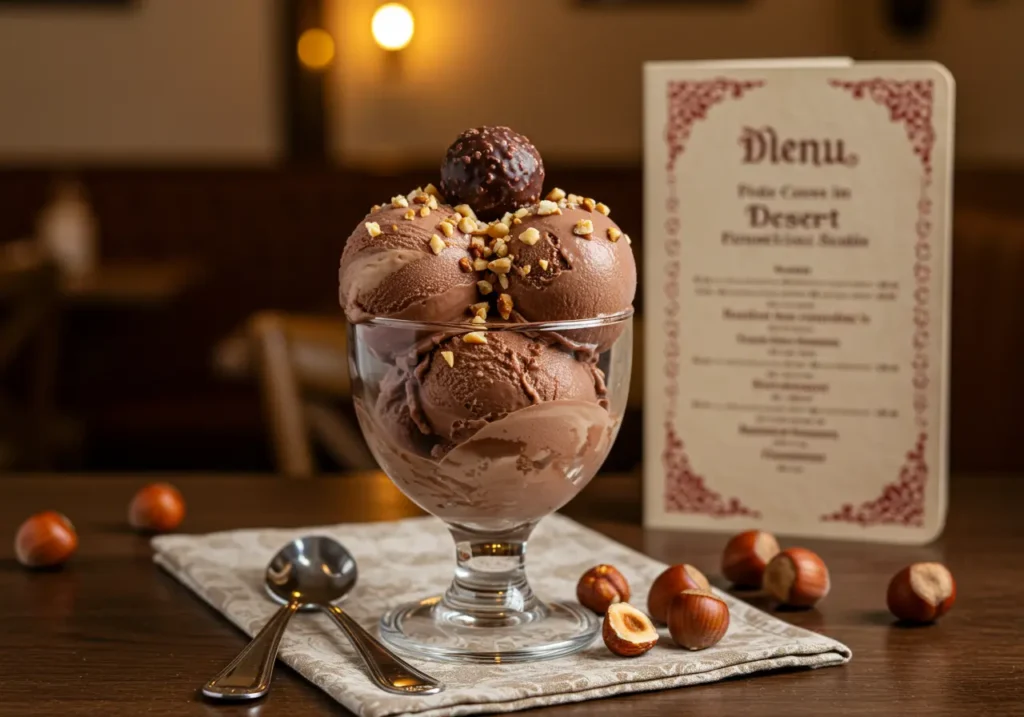
Bacio, meaning “kiss” in Italian, combines chocolate and hazelnut in a romance worthy of its name. Inspired by Perugina’s iconic Baci chocolates, this flavor blends rich cocoa with toasted Piedmont hazelnuts, often studded with actual candy pieces. The interplay between bitter chocolate and sweet, nutty hazelnut creates addictive balance that keeps you returning for more. Quality versions showcase whole hazelnut chunks that add satisfying crunch to the smooth gelato base. Some gelaterias hide a whole Baci chocolate at the cone’s bottom—a delightful treasure that rewards patient enjoyment.

Zabaione
Zabaione transforms the classic Piedmontese dessert into frozen elegance, capturing centuries of Italian culinary tradition. This custard-based flavor incorporates egg yolks, sugar, and Marsala wine, creating sophisticated taste reminiscent of crème brûlée with boozy undertones. The gentle wine flavor adds complexity without overwhelming sweetness, appealing to adult palates seeking refined indulgence. Zabaione’s golden color and silky texture make it visually stunning in the display case. Best enjoyed slowly, this flavor reveals subtle vanilla notes and caramelized sugar hints that evolve with each spoonful, offering meditation-worthy gelato experience.

Amarena
Amarena showcases small, dark Italian sour cherries preserved in syrup, creating dramatic visual contrast against creamy white gelato. These cherries possess complex flavor profiles—simultaneously tart, sweet, and slightly bitter—that elevate simple fior di latte into something spectacular. The syrup swirls through the gelato in burgundy ribbons, each spoonful delivering different intensity ratios. Amarena cherries come from specific Italian regions, particularly Bologna, where traditional preservation methods have remained unchanged for generations. The flavor perfectly balances fruit acidity with creamy sweetness, cleansing your palate while satisfying dessert cravings completely.
Nocciola
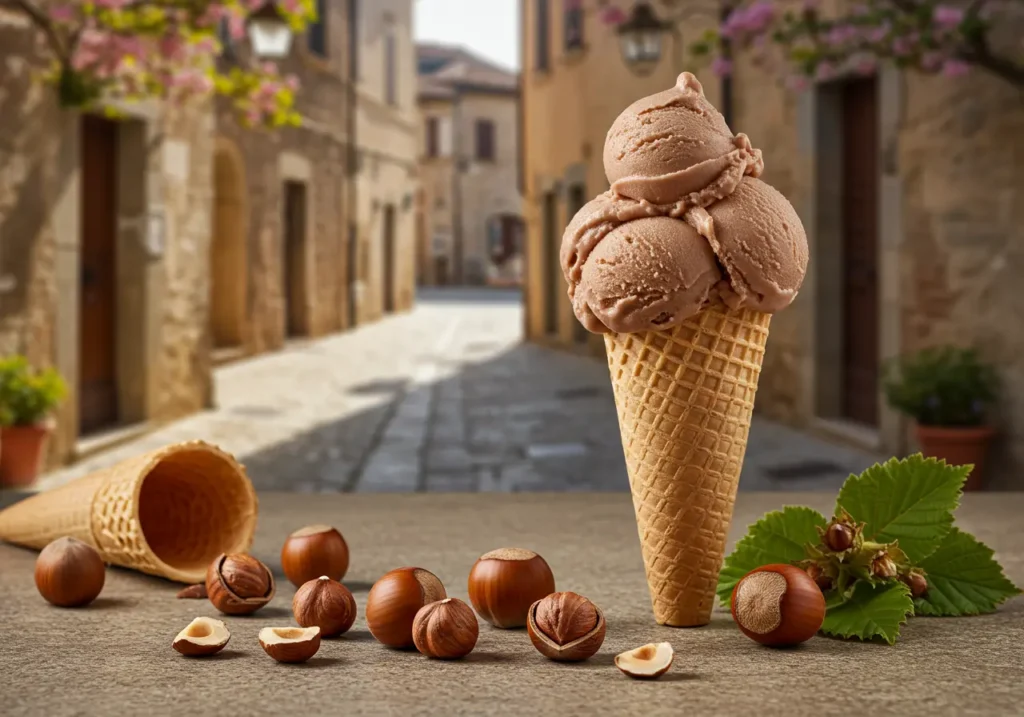
Nocciola celebrates Piedmont’s renowned hazelnuts, particularly Tonda Gentile varieties that produce Italy’s finest nut-based gelato. This flavor delivers pure, concentrated hazelnut essence—toasted, aromatic, and naturally sweet without artificial additives. Superior nocciola gelato appears light brown rather than beige, indicating real nut content versus cheaper flavorings. The taste should evoke fresh hazelnuts you’d crack yourself, with slight bitter undertones balancing natural sweetness. Many consider nocciola the ultimate test of gelateria quality, as creating perfect hazelnut flavor requires premium ingredients and masterful technique that cannot be faked.

Tiramisu
Tiramisu gelato captures Italy’s beloved dessert in frozen form, layering coffee-soaked ladyfinger flavors with mascarpone cream. Each spoonful delivers espresso’s bitter punch softened by sweet, tangy mascarpone and delicate cocoa dusting. Some versions incorporate actual cookie pieces, adding textural dimension that mimics the traditional dessert’s structure. The coffee flavor should taste like genuine espresso rather than artificial flavoring, providing sophisticated adult taste that energizes while indulging. Tiramisu gelato works wonderfully as afternoon pick-me-up, combining Italy’s two greatest culinary inventions—gelato and espresso—into one magnificent treat.
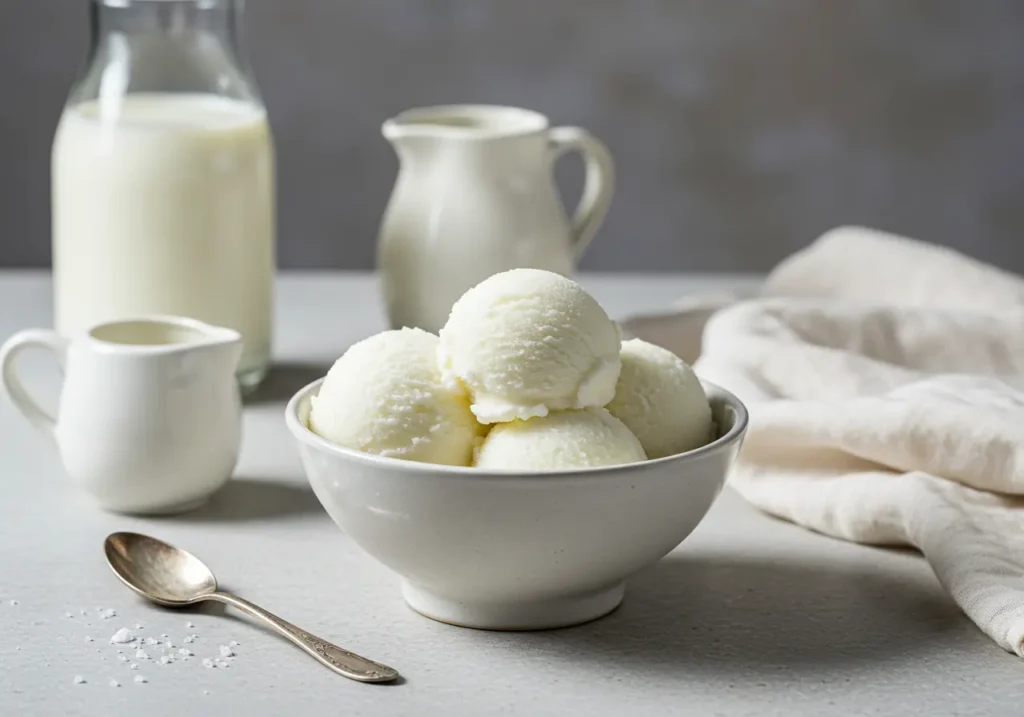
Fior di Latte
Fior di Latte, meaning “flower of milk,” represents gelato in its purest, most essential form. This deceptively simple flavor contains only milk, cream, and sugar, allowing supreme quality dairy to shine without distraction. Great fior di latte tastes like drinking sweet, cold clouds—impossibly creamy with subtle milk sugar sweetness that never cloys. It serves as the base for many other flavors and showcases a gelateria’s fundamental skill level. The best versions leave pleasant milky coating on your tongue, with clean finish that makes you immediately crave another spoonful of its understated perfection.

Limone
Limone delivers sunshine in frozen form, utilizing Sicily’s famous lemons that perfume the entire Mediterranean coast. Authentic limone gelato tastes intensely citrusy yet perfectly balanced—tart enough to refresh, sweet enough to satisfy, with essential oils providing aromatic complexity. The bright yellow color should come from actual lemon zest, not artificial dyes, and the texture should feel lighter than cream-based flavors. Superior versions use Sfusato lemons from the Amalfi Coast or Femminello lemons from Sicily, varieties that concentrate incredible flavor in their juice and oils. This gelato epitomizes Italian summer and cleanses your palate magnificently.
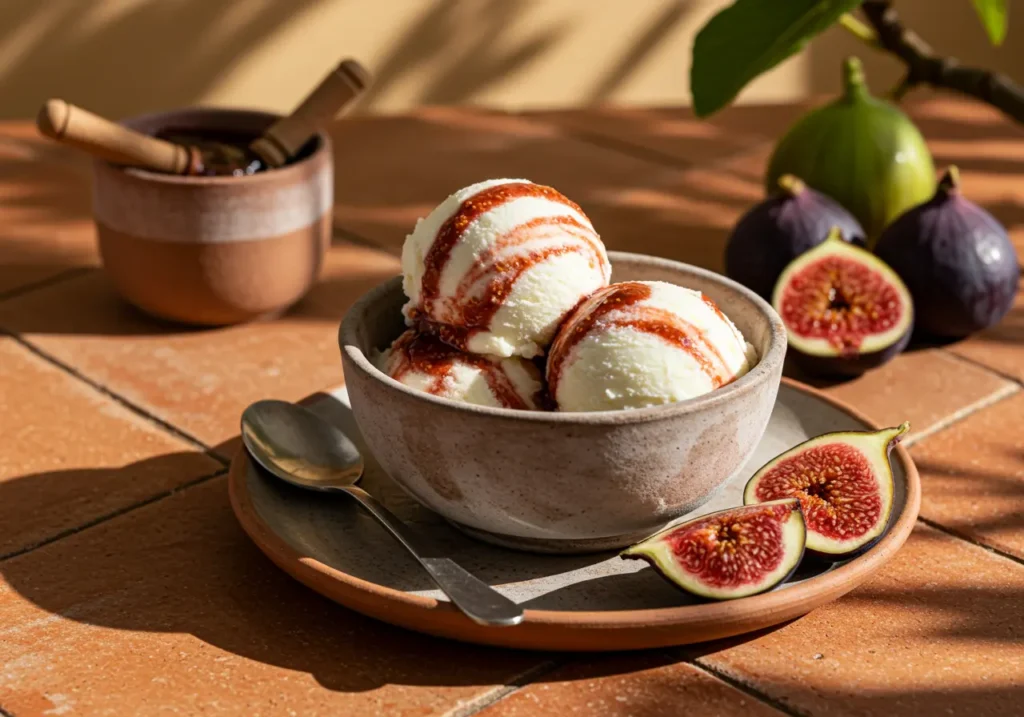
Ricotta e Fichi
Ricotta e Fichi combines fresh sheep’s milk ricotta with sweet figs, creating rustic sophistication that tastes like the Italian countryside. The ricotta provides subtle, milky base with slight granular texture that distinguishes it from smoother gelatos. Figs contribute natural sweetness and jammy consistency, often appearing as purple swirls or whole fruit pieces throughout. This flavor reflects southern Italian tradition where these ingredients commonly appear together in pastries and desserts. The combination offers gentle sweetness without overwhelming intensity, making it perfect for those seeking something different yet approachable and naturally elegant.
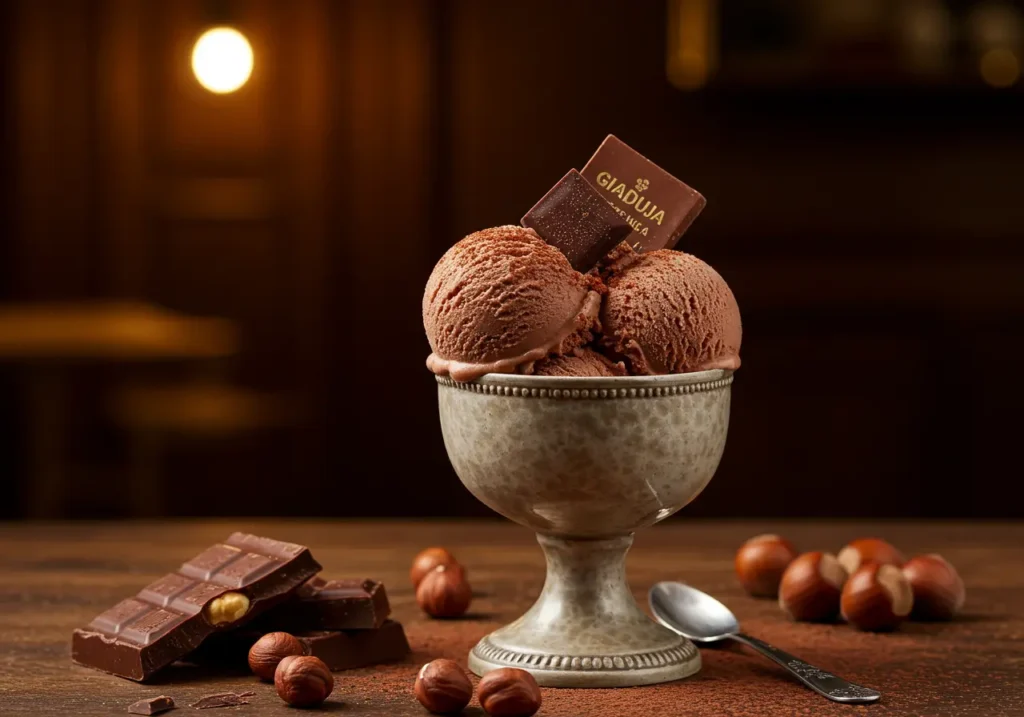
Gianduja
Gianduja merges chocolate and hazelnut into Turin’s signature flavor, more refined than bacio and infinitely creamier. Named after a carnival character, this gelato achieves perfect equilibrium where neither chocolate nor hazelnut dominates, creating harmonious third flavor entirely. The taste should remind you of luxurious Nutella but less sweet, with deeper chocolate notes and more prominent hazelnut character. Gianduja’s smooth, almost mousse-like texture makes it exceptionally indulgent, coating your mouth with velvety richness. This Piedmont specialty represents northern Italian gelato craftsmanship at its absolute finest, sophisticated yet universally appealing.

Melone
Melone captures Italian cantaloupe at peak ripeness, delivering sweet, perfumed flavor that screams Mediterranean summer. This sorbetto-style gelato contains no dairy, allowing pure melon essence to dominate with refreshing intensity. The best versions taste like biting into perfectly ripe melon, with floral notes and honey-like sweetness that feels healthy yet indulgent. Color ranges from pale orange to deeper salmon, depending on melon variety and ripeness used. Melone works perfectly as palate cleanser between richer flavors or as light, guilt-free treat on scorching Italian afternoons when nothing else sounds appealing.
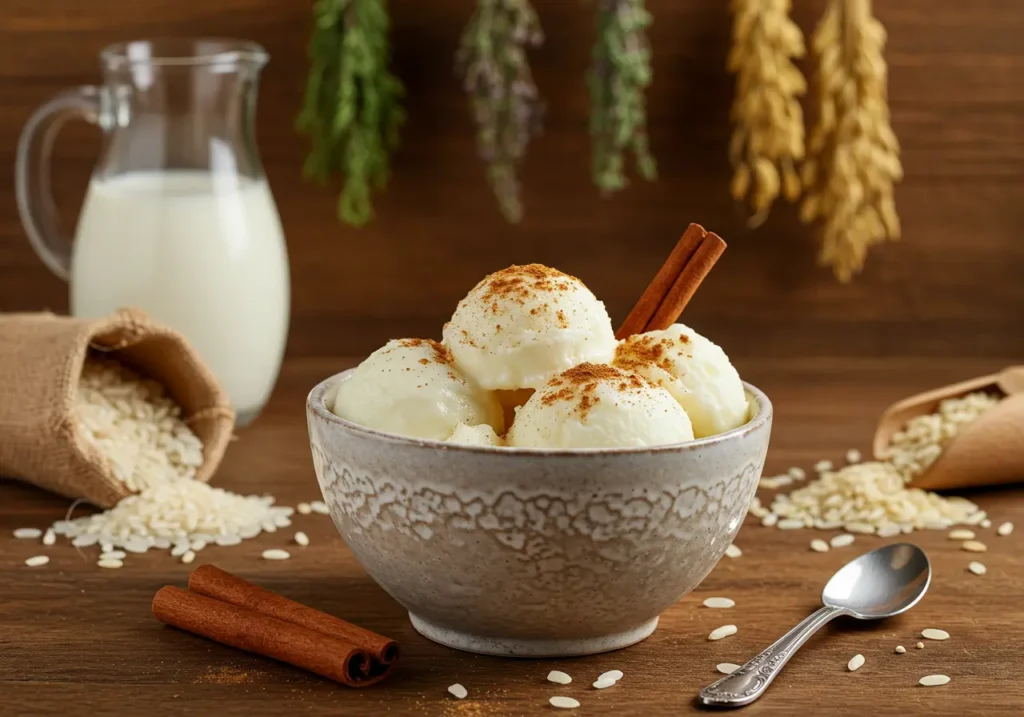
Riso
Riso, or rice gelato, might sound unusual but delivers comforting, subtly sweet flavor reminiscent of rice pudding. This northern Italian specialty incorporates cooked rice grains into creamy base, creating interesting textural contrast and gentle starchiness. The flavor tastes mildly sweet with vanilla undertones and occasional cinnamon hints, offering nostalgic, homey quality unlike flashier options. Small rice grains suspended throughout provide pleasant chewiness that surprises first-time tasters. Riso represents gelato innovation rooted in traditional Italian ingredients, transforming humble rice into sophisticated frozen dessert that showcases creativity and resourcefulness.
Liquirizia
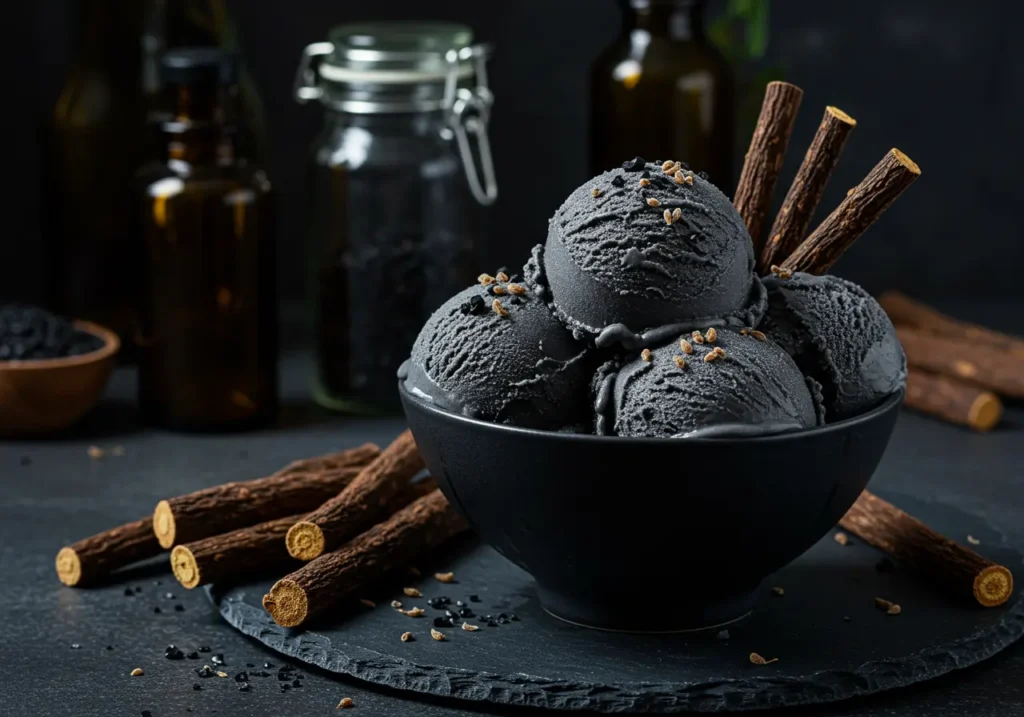
Liquirizia polarizes gelato enthusiasts with its bold, unmistakable black licorice flavor derived from Mediterranean licorice root. This intensely flavored gelato appears jet black and delivers powerful anise taste with slight bitterness and herbal complexity. Italians adore liquirizia for its digestive properties and refreshing qualities despite its aggressive flavor profile. If you enjoy black licorice candy, this gelato will delight you with its natural, less artificial taste compared to commercial versions. Even skeptics should try one small taste—liquirizia represents authentic Italian flavor preferences and might surprise you with its sophisticated, grown-up appeal.
FAQs About Italian Gelato Flavors
What makes Italian gelato different from ice cream?
Italian gelato contains less fat (4-8% versus ice cream’s 14-25%), gets churned slower to incorporate less air, and is served at warmer temperatures (10-15°F warmer). These differences create denser texture, more intense flavors, and smoother mouthfeel. Gelato also uses more milk than cream and often incorporates fresh, natural ingredients rather than artificial flavorings and stabilizers.
How do I identify authentic Italian gelato?
Look for gelato stored in covered metal containers rather than piled high in display cases—authentic gelato melts quickly when exposed to air. Natural colors indicate quality ingredients: pistachio should be brownish-green, not bright green; banana should be grayish-white, not bright yellow. Authentic gelaterias make gelato fresh daily in small batches, and flavors should look somewhat muted rather than artificially vibrant.
Which Italian gelato flavors are most popular with locals?
Italians favor classic flavors like nocciola (hazelnut), pistacchio, fior di latte, and limone. Regional specialties also rank highly—Sicilians love pistacchio di Bronte and granita, while northerners prefer gianduja and zabaione. Fruit flavors peak during summer, while richer chocolate and nut flavors dominate winter. Locals typically avoid gimmicky flavor combinations, preferring traditional recipes that showcase quality ingredients.
Can I find dairy-free Italian gelato flavors?
Yes! Most gelaterias offer sorbetti (sorbets) made entirely from fruit, water, and sugar without any dairy. Popular options include limone, fragola (strawberry), melone, and lampone (raspberry). Many shops now create dairy-free versions of traditional flavors using almond, soy, or coconut milk. Always ask “Senza lattosio?” (without lactose) or “Vegano?” (vegan) to confirm ingredients.
How many flavors should I order at once?
Italians typically order two flavors (due gusti) in a small cone or cup, allowing you to experience complementary taste combinations. Three flavors work for medium sizes, but more than that overwhelms your palate. Choose one creamy flavor and one fruit-based for balance, or pair complementary flavors like chocolate and hazelnut. Quality gelaterias encourage tasting before ordering—don’t hesitate to ask for samples.
What’s the best time to eat gelato in Italy?
Italians enjoy gelato any time, but late afternoon (4-6 PM) and after dinner (9-11 PM) see peak crowds. Summer brings round-the-clock consumption, while winter shifts focus to richer, warming flavors. Many gelaterias close during mid-afternoon riposo, so plan accordingly. For optimal experience, visit when gelato is freshly made—morning for fruit flavors, afternoon for cream-based ones.
Conclusion
Exploring authentic Italian gelato flavors transforms any Italian journey from ordinary sightseeing into sensory adventure. These 14 extraordinary flavors—from the elegant simplicity of stracciatella to the bold intensity of liquirizia—represent centuries of culinary tradition and regional pride. Each spoonful connects you to Italian culture, local ingredients, and artisanal craftsmanship that defines Italy’s food heritage.
Ready to embark on your gelato adventure? Save this guide to your phone, step into any authentic gelateria, and confidently order beyond basic chocolate and vanilla. Try at least three new flavors during your Italian travels—your taste buds will thank you. Remember: the best gelato experiences happen when you embrace unfamiliar flavors with curiosity and appetite.
Join thousands of travelers who’ve discovered Italy’s frozen treasures. Share your favorite Italian gelato flavors in the comments below, tag your gelato photos with #ItalianGelatoFlavors, and inspire fellow travelers to expand their frozen dessert horizons. Which flavor will you try first?