10 Italian Pasta Dishes You Need to Taste This Year
Introduction
Overwhelmed by the endless options when exploring authentic Italian cuisine? You’re staring at a menu filled with unfamiliar Italian pasta dishes, wondering which ones will give you that genuine taste of Italy you’ve been dreaming about. The fear of ordering something mediocre when you could be experiencing culinary perfection is real.
This comprehensive guide reveals the top 10 Italian pasta dishes that will transform your understanding of authentic Italian cuisine. These aren’t just meals – they’re cultural experiences that connect you to centuries of Italian tradition and regional pride.
As a culinary strategist who has spent years exploring Italy’s diverse regions, from the bustling trattorias of Rome to the family-owned restaurants of Sicily, I’ve tasted countless variations of traditional pasta dishes. Through extensive research and firsthand experience with Italian chefs and food enthusiasts, I’ve curated this essential list of must-try pasta dishes.
In this guide, you’ll discover the stories behind each dish, learn about regional specialties that define Italian culture, explore the techniques that make these pasta dishes extraordinary, and get answers to common questions about experiencing authentic Italian cuisine.
Table of Contents
Why You Should Try Italian Pasta Dishes
Italian pasta dishes represent far more than just food – they’re windows into Italy’s rich cultural heritage. Each region of Italy has developed unique pasta traditions over centuries, creating a diverse tapestry of flavors that reflects local ingredients, climate, and history. From the egg-rich pasta of Northern Italy to the durum wheat creations of the South, every dish tells a story of Italian ingenuity and passion.
The convenience of Italian pasta dishes makes them perfect for any dining occasion. Whether you’re seeking a quick lunch at a local trattoria or planning an elaborate dinner celebration, Italian pasta offers options for every moment. Most traditional recipes use simple, high-quality ingredients that allow the natural flavors to shine through, making them both accessible and extraordinary.
The incredible variety within Italian pasta cuisine means there’s something for every palate. Meat lovers can indulge in rich ragù-based dishes, while vegetarians will find countless options featuring fresh vegetables, herbs, and cheeses. Seafood enthusiasts can explore coastal specialties, and those seeking comfort food will discover creamy, soul-warming preparations that have satisfied families for generations.
10 Italian Pasta Dishes You Need to Taste This Year

Spaghetti alla Carbonara
Spaghetti alla Carbonara represents Roman culinary excellence at its finest. This iconic dish combines al dente spaghetti with a silky sauce created from eggs, Pecorino Romano cheese, guanciale (cured pork jowl), and black pepper. The magic happens when hot pasta water emulsifies the eggs and cheese, creating a creamy coating without cream. Authentic carbonara contains no garlic, onions, or peas – just four simple ingredients that create extraordinary complexity. The dish originated in post-World War II Rome, possibly created by Italian charcoal workers (carbonari) or inspired by American soldiers’ bacon and eggs. Each bite delivers rich, salty flavors balanced by the sharp bite of Pecorino and the warmth of freshly cracked pepper.

Lasagna alla Bolognese
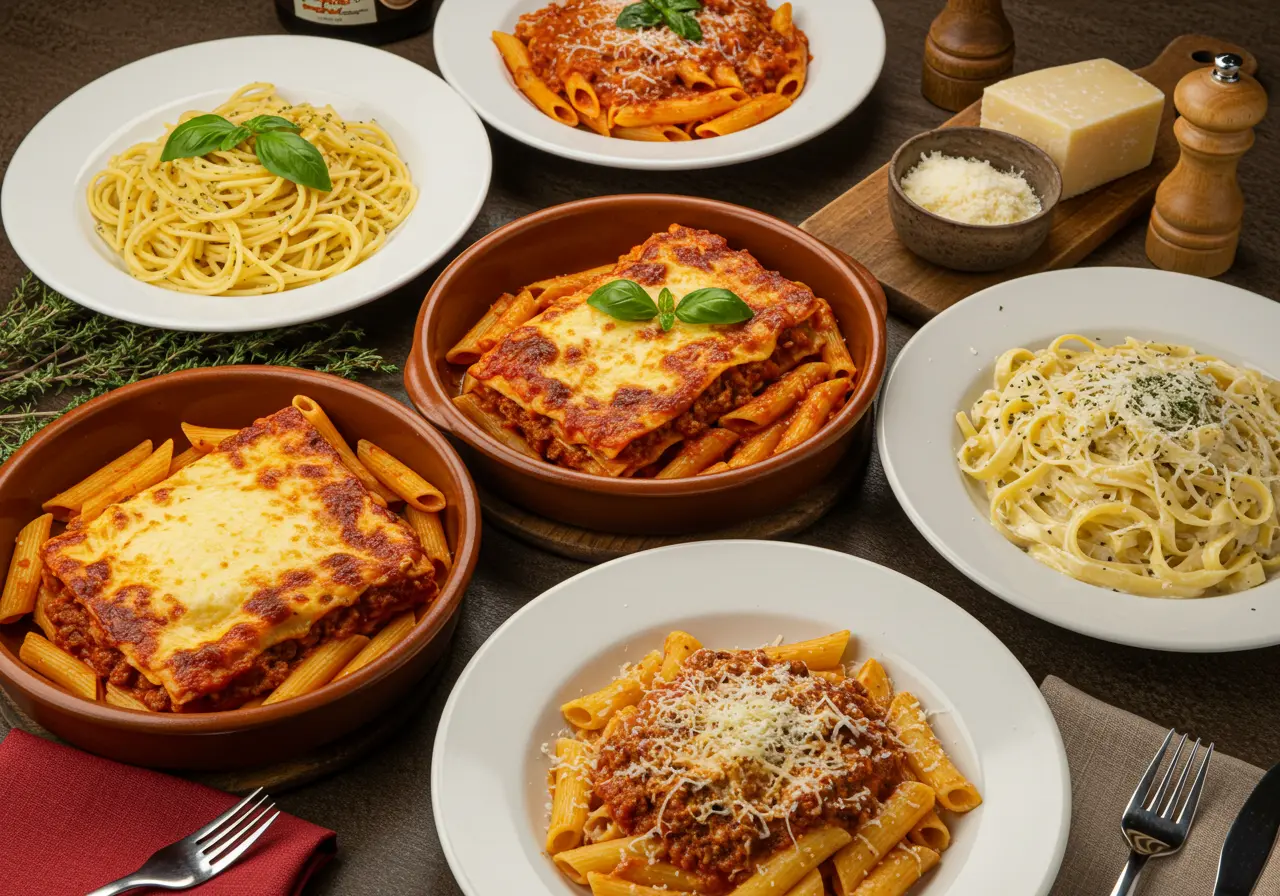
Lasagna alla Bolognese showcases the culinary sophistication of Emilia-Romagna region. This layered masterpiece features handmade pasta sheets alternated with ragù Bolognese, béchamel sauce, and Parmigiano-Reggiano cheese. The traditional Bolognese ragù requires slow cooking for hours, combining ground beef, pork, soffritto vegetables, tomatoes, wine, and milk to create deep, complex flavors. Authentic lasagna uses fresh egg pasta, not dried noodles, and the proper ratio of sauce to pasta ensures each layer contributes to the harmonious whole. The dish represents Sunday family gatherings and special celebrations throughout Italy. Regional variations exist, but the Bologna version remains the gold standard, recognized by the Bologna Chamber of Commerce as the official recipe.
Cacio e Pepe
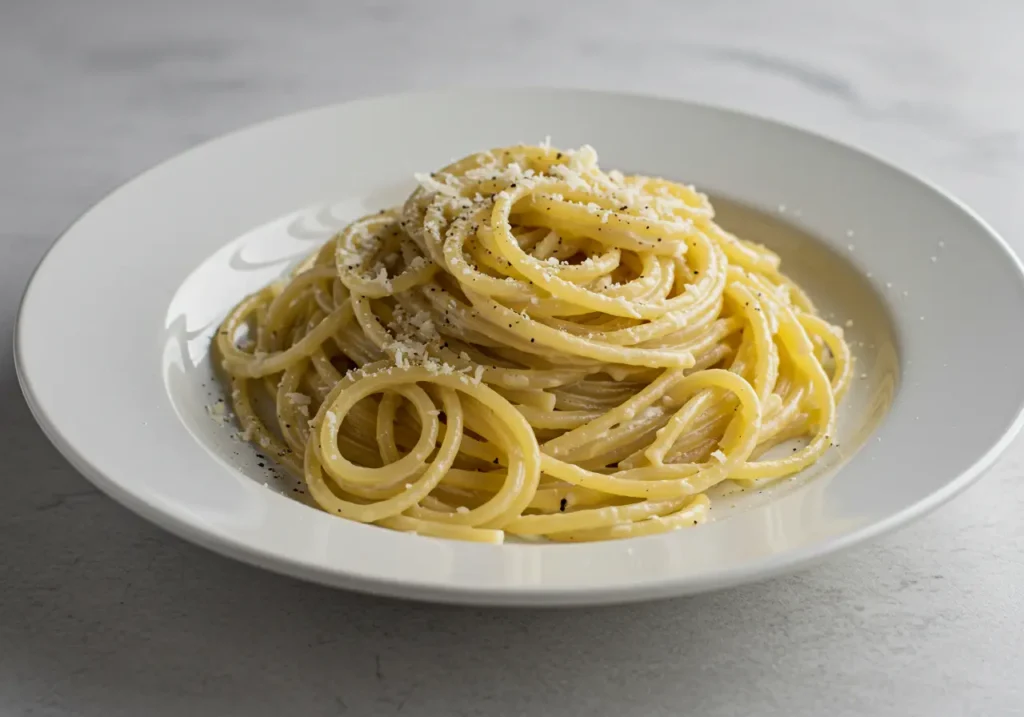
Cacio e Pepe embodies the philosophy that simplicity creates perfection. This Roman specialty uses only three ingredients: tonnarelli or spaghetti pasta, Pecorino Romano cheese, and freshly ground black pepper. The technique requires precision – pasta water creates an emulsion with grated cheese, forming a silky sauce that clings to each strand. The name literally means “cheese and pepper,” yet achieving the perfect texture challenges even experienced chefs.
The dish originated as shepherd’s food, portable and nourishing for long journeys in the Roman countryside. The key lies in temperature control and constant stirring to prevent the cheese from clumping. When executed properly, each bite delivers sharp, salty cheese flavors enhanced by the aromatic heat of freshly ground pepper, creating an elegant dish from humble ingredients.
Fettuccine Alfredo
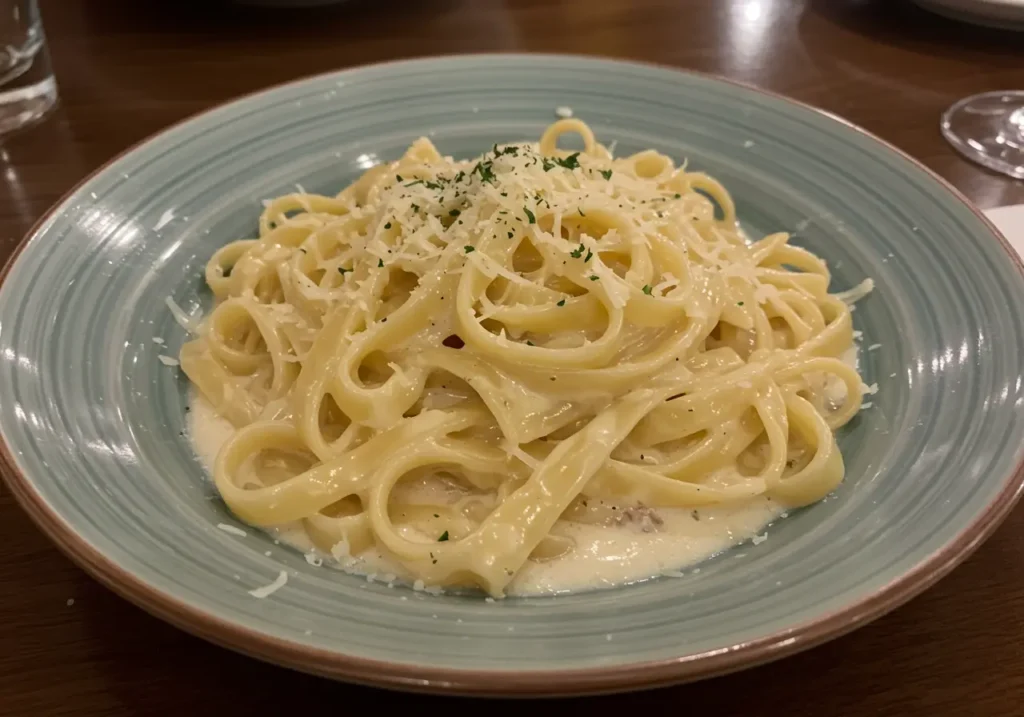
Fettuccine Alfredo originated in early 20th-century Rome, created by restaurateur Alfredo di Lelio for his pregnant wife. The original recipe contains only three ingredients: fresh fettuccine pasta, Parmigiano-Reggiano cheese, and butter. The technique involves tossing hot pasta with cold butter and cheese using special golden utensils, creating a silky, rich coating. While popular internationally with added cream, authentic Alfredo relies on the emulsification of pasta water, butter, and cheese for its creamy texture.
The dish gained international fame when Hollywood stars Mary Pickford and Douglas Fairbanks dined at Alfredo’s restaurant during their honeymoon in 1920. Today, Alfredo’s descendants continue serving the original recipe in Rome. The dish represents Italian cooking’s ability to transform simple ingredients into luxurious experiences through proper technique and high-quality components.
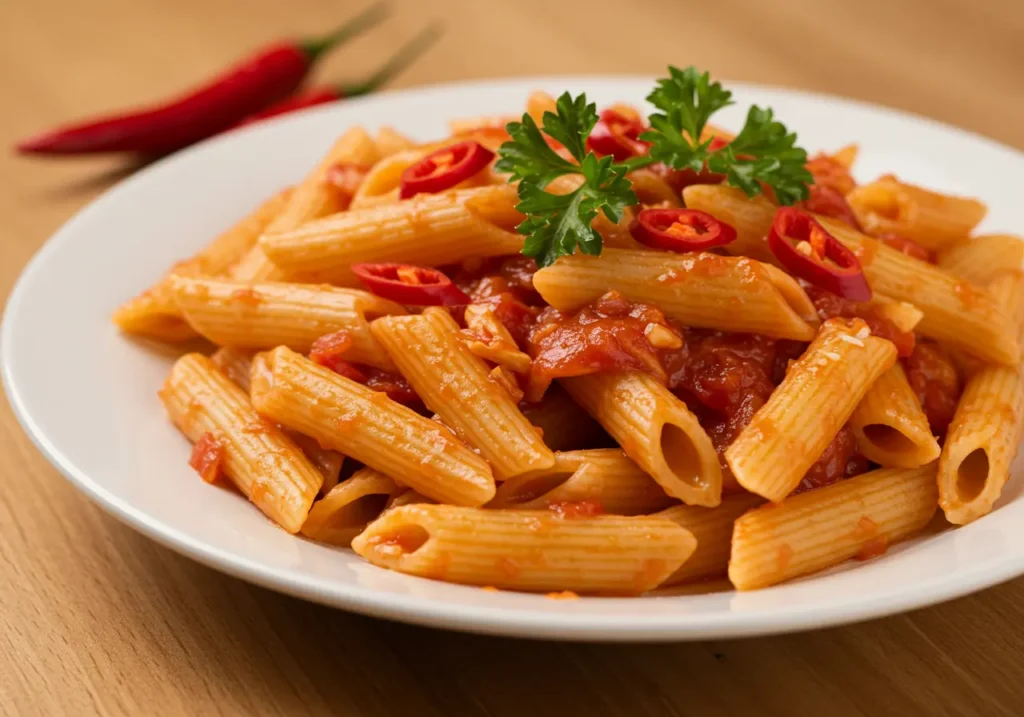
Penne Arrabbiata
Penne Arrabbiata brings fiery passion to Italian pasta dishes with its spicy tomato-based sauce. The name means “angry pasta,” referring to the heat from red chili peppers that give the dish its characteristic kick. This Roman specialty combines penne pasta with a sauce of San Marzano tomatoes, garlic, olive oil, fresh parsley, and peperoncini (small hot peppers). The sauce requires quick cooking to maintain the tomatoes’ brightness while allowing the garlic to infuse the oil with aromatic flavor. Traditional preparation uses dried chili flakes or fresh hot peppers, depending on desired heat level.
The dish represents the bold, straightforward approach to Roman cuisine – no unnecessary ingredients, just pure, intense flavors. Served without cheese traditionally, though some regions add a sprinkle of Pecorino Romano. Perfect for those seeking authentic Italian comfort food with a spicy twist.
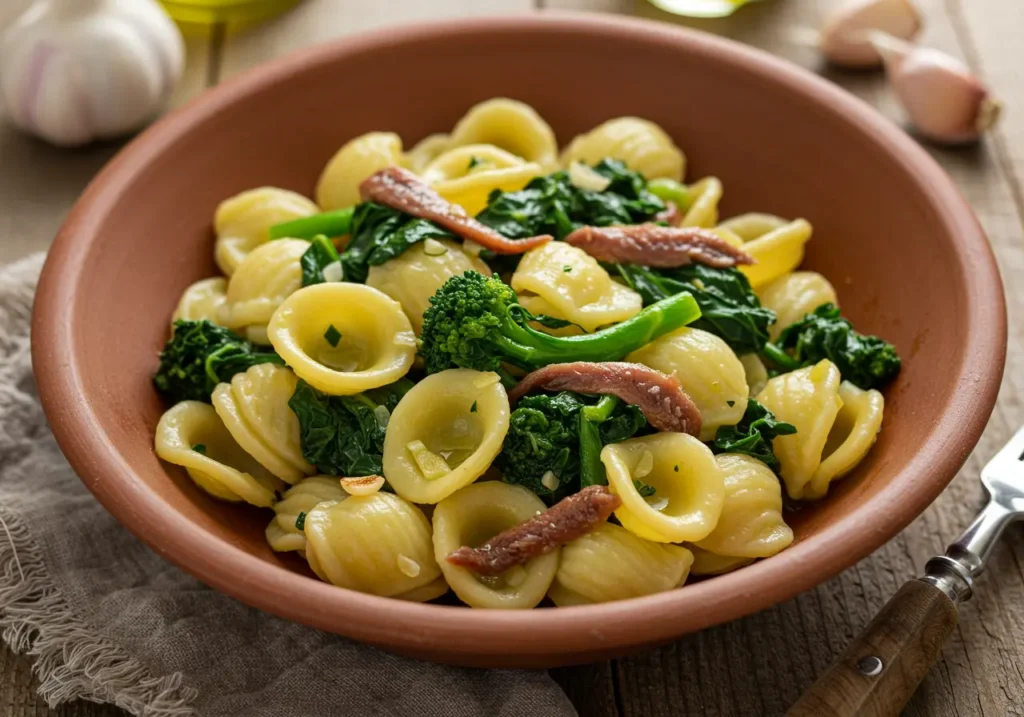
Orecchiette con Cime di Rapa
Orecchiette con Cime di Rapa represents the rustic soul of Pugliese cuisine. The “little ears” pasta shape perfectly captures the sauce of cime di rapa (turnip greens), garlic, olive oil, and often anchovies or sausage. This dish embodies Southern Italy’s tradition of transforming humble vegetables into sophisticated flavors. The slightly bitter greens pair beautifully with the pasta’s chewy texture, while olive oil and garlic provide aromatic depth. Traditional preparation involves blanching the greens first, then sautéing with garlic and chili flakes. The pasta cooks directly in the vegetable water, absorbing additional flavors. Puglia’s fertile soil produces exceptional vegetables, making this dish a celebration of local agriculture. Variations include adding crumbled sausage or anchovy fillets for extra richness.
The dish represents Italian cuisine’s seasonal approach – using what’s fresh and available to create memorable meals that nourish both body and soul.

Pasta alla Norma
Pasta alla Norma celebrates Sicily’s rich culinary heritage with its combination of eggplant, tomatoes, basil, and ricotta salata cheese. Named after Vincenzo Bellini’s opera “Norma,” this Catanese specialty transforms simple vegetables into an elegant dish worthy of operatic praise. The traditional preparation requires salting and frying eggplant cubes until golden, creating a creamy interior and crispy exterior. San Marzano tomatoes form the sauce base, enhanced with fresh basil and garlic. Ricotta salata, Sicily’s aged sheep’s milk cheese, provides salty contrast to the sweet eggplant and acidic tomatoes.
The dish represents Sicily’s position as a Mediterranean crossroads, incorporating influences from Arab, Greek, and Italian cultures. Proper technique ensures the eggplant doesn’t become greasy while maintaining its silky texture. Each element contributes distinct flavors that harmonize beautifully, creating a dish that captures Sicily’s sun-soaked essence in every bite.
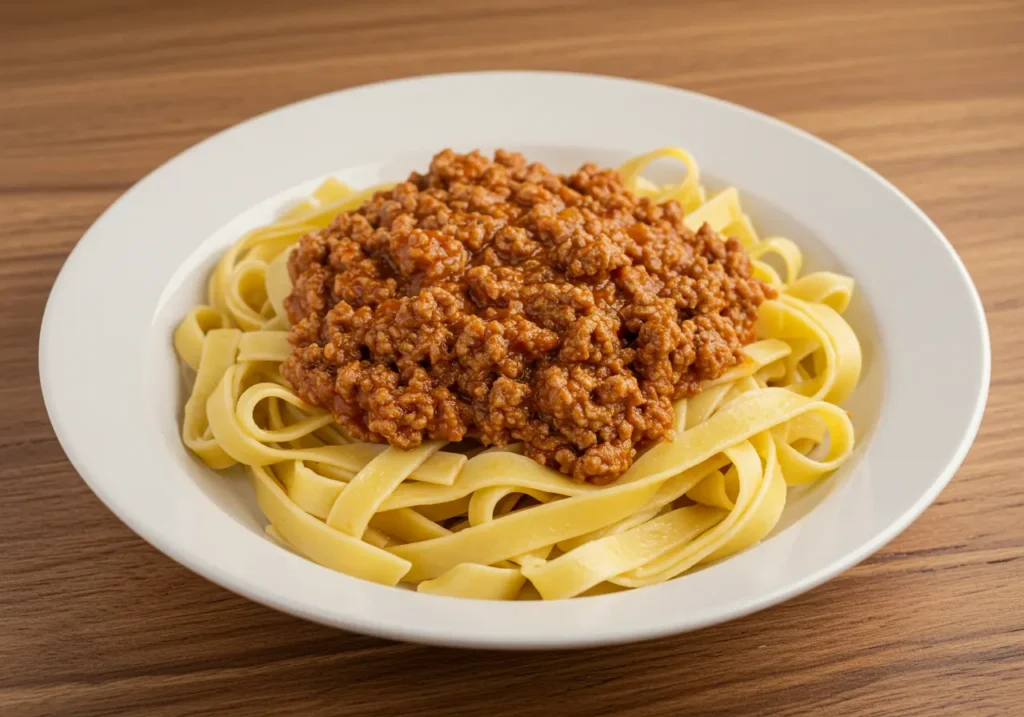
Tagliatelle al Ragù
Tagliatelle al Ragù represents the pinnacle of Bolognese cooking tradition. This Emilia-Romagna specialty pairs fresh egg pasta ribbons with the region’s famous meat sauce, slow-cooked for hours until reaching perfect consistency. Authentic ragù Bolognese contains beef, pork, soffritto vegetables, tomatoes, wine, and milk, creating complex layers of flavor through patient cooking. The pasta must be fresh and hand-rolled to the proper thickness – thin enough to absorb sauce, thick enough to provide texture. Traditional recipes passed down through generations specify exact proportions and cooking times. The Bologna Chamber of Commerce has registered the official recipe to preserve authenticity.
The dish symbolizes Italian family traditions, often prepared for Sunday gatherings and special occasions. Each bite delivers rich, meaty flavors balanced by the pasta’s delicate texture, creating comfort food that satisfies both hunger and soul while showcasing Italian culinary mastery.
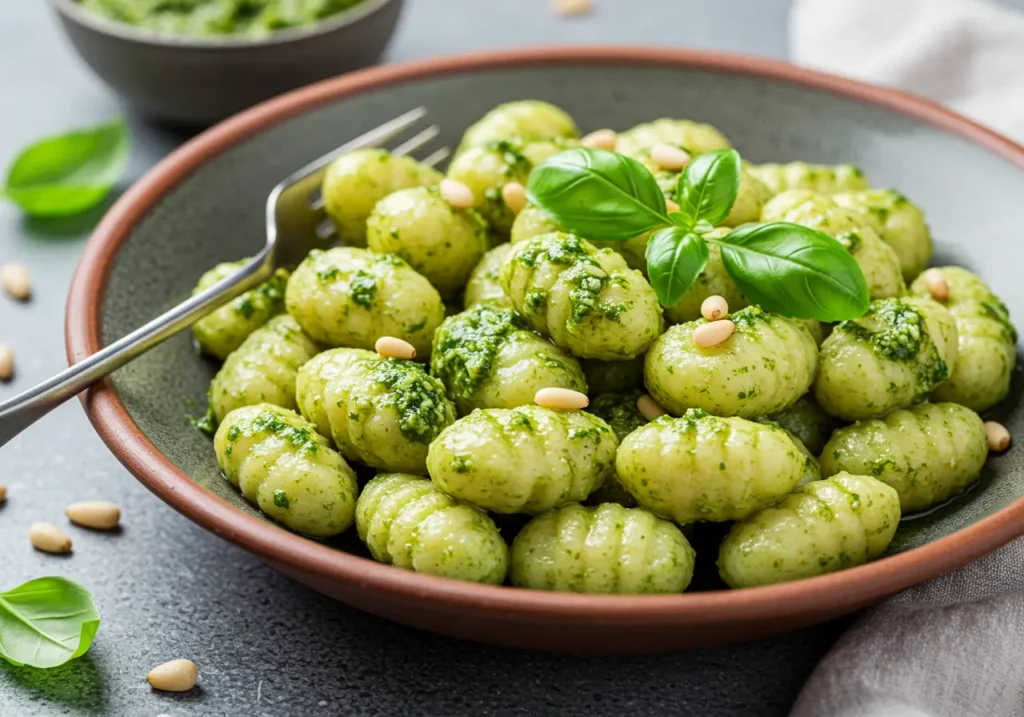
Gnocchi al Pesto
Gnocchi al Pesto combines two of Italy’s most beloved culinary creations – tender potato dumplings from Northern Italy and Liguria’s aromatic basil sauce. Traditional gnocchi require only potatoes, flour, and eggs, formed into small pillows that cook quickly in boiling water. Authentic pesto Genovese contains fresh basil, pine nuts, garlic, Parmigiano-Reggiano, Pecorino Romano, and Ligurian olive oil, ground by hand using a marble mortar and wooden pestle. The combination creates a dish that’s both rustic and refined, with the gnocchi’s soft texture providing perfect canvas for pesto’s bright, herbaceous flavors. Liguria’s unique microclimate produces exceptionally fragrant basil, essential for authentic pesto.
The dish represents Italian regional pride – Ligurians fiercely protect their pesto traditions while Northern Italians take equal pride in their gnocchi-making skills. When prepared correctly, each gnoccho melts on the tongue while the pesto delivers intense basil flavor enhanced by cheese and pine nuts.
Linguine alle Vongole
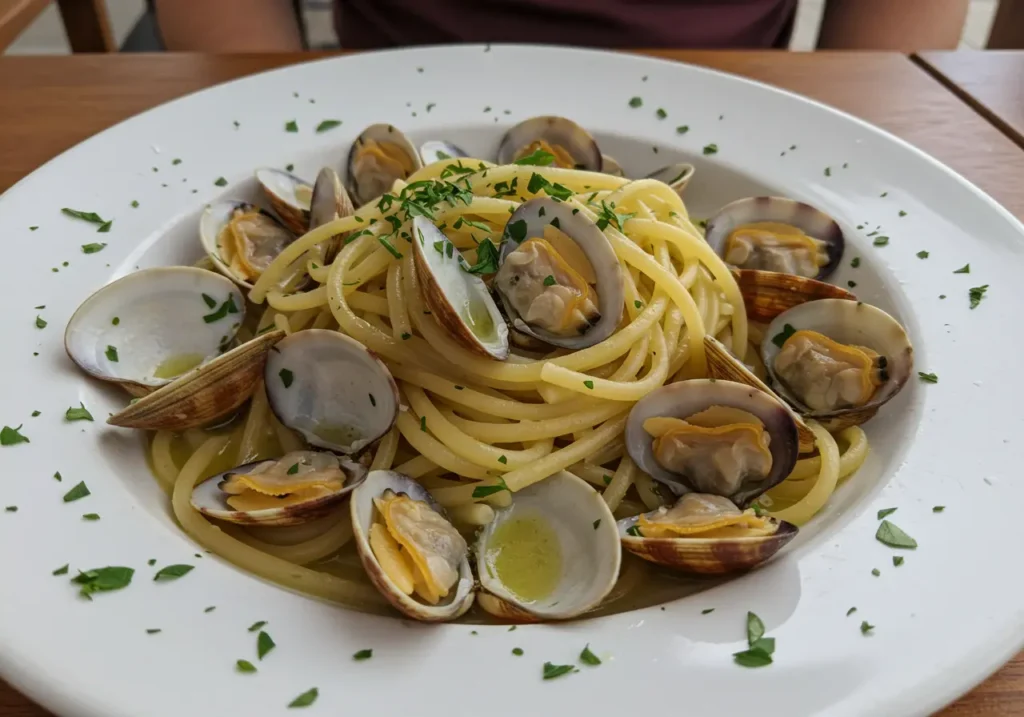
Linguine alle Vongole showcases Italy’s exceptional seafood cuisine with its elegant combination of pasta and clams. This Neapolitan specialty features linguine tossed with fresh clams, white wine, garlic, parsley, and olive oil, creating a dish that captures the essence of Mediterranean coastal living. Traditional preparation uses vongole veraci (carpet shell clams), prized for their sweet, briny flavor. The clams steam in white wine until they open, releasing their oceanic juices into the sauce. Garlic and olive oil provide aromatic foundation, while fresh parsley adds bright color and herbal notes.
The dish comes in two versions: bianco (white) without tomatoes, and rosso (red) with cherry tomatoes. Neapolitan tradition favors the white version, believing it better highlights the clams’ natural sweetness. Timing is crucial – overcooked clams become rubbery, while undercooked pasta won’t absorb the flavorful clam broth. Each strand should glisten with sauce while the clams remain tender and succulent.
FAQs
What makes authentic Italian pasta dishes different from international versions?
Authentic Italian pasta dishes use fewer, higher-quality ingredients and focus on traditional preparation methods passed down through generations. Italian cooks emphasize the quality of individual components – San Marzano tomatoes, Parmigiano-Reggiano cheese, extra virgin olive oil – rather than complex ingredient lists. Pasta is cooked al dente and finished in the sauce to absorb flavors. Many international versions add cream, chicken, or vegetables not found in original recipes, creating entirely different dishes from their Italian counterparts.
How do I know if I’m ordering authentic Italian pasta dishes at a restaurant?
Look for restaurants that specify regional origins of dishes and use traditional Italian names without modifications. Authentic establishments typically offer seasonal menus reflecting ingredient availability and avoid fusion elements. Check if the restaurant makes fresh pasta daily and sources quality Italian ingredients. Red flags include dishes like “Chicken Alfredo” or pasta served with excessive cheese on top. Genuine Italian restaurants often have shorter menus focusing on perfecting traditional recipes rather than offering extensive variety.
What’s the proper etiquette for eating Italian pasta dishes?
Italians eat pasta using only a fork, twirling it against the plate’s curve rather than using a spoon. Never cut long pasta with a knife – this breaks tradition and affects texture. Cheese is only added to certain dishes; never ask for Parmesan with seafood pasta. Pasta should be eaten immediately while hot, as Italians consider it rude to let properly prepared pasta cool. Don’t expect bread with pasta dishes – pasta IS the starch. Slurping is acceptable if unavoidable, but try to eat quietly and savor each bite’s flavors.
Conclusion
Pack your appetite and start exploring Italy’s pasta treasures today! These 10 authentic Italian pasta dishes represent centuries of culinary tradition, regional pride, and family heritage waiting to be discovered. Each recipe tells a story of Italian culture, from Roman simplicity to Sicilian complexity, offering unforgettable flavors that will transform your understanding of Italian cuisine.
Join thousands of food lovers who have fallen in love with Italy’s pasta magic. Whether you’re planning your first trip to Italy or looking to deepen your appreciation for authentic Italian cooking, these essential pasta dishes will guide you toward genuine culinary experiences that satisfy both hunger and wanderlust. Buon appetito!