14 Italian Street Food Delights You’ll Crave Forever
Introduction
Ever found yourself wandering through Italian streets, stomach growling, overwhelmed by countless restaurant menus and tourist traps? You’re not alone. Many travelers miss out on Italy’s most authentic culinary experiences simply because they don’t know where to look or what to try.
Italian street food offers the perfect solution: authentic flavors, affordable prices, and the convenience of eating like a local while exploring. As someone who has spent years documenting Italy’s culinary landscape and working with local food vendors across the peninsula, I’ve discovered that street food reveals the true heart of Italian cuisine – unpretentious, regional, and bursting with tradition.
In this guide, you’ll discover why Italian street food deserves a spot on your itinerary, explore 14 must-try regional specialties, and get insider tips for finding the best vendors in each city.
Table of Contents
Why You Should Try Italian Street Food
Italian street food represents centuries of culinary evolution, born from necessity and perfected by generations of vendors who take immense pride in their craft. Unlike tourist restaurants, street food vendors often specialize in one or two dishes, mastering them to perfection using family recipes passed down through generations.
The convenience factor cannot be overstated. Street food allows you to fuel up quickly between sightseeing, sample multiple regional specialties in one day, and eat on your own schedule. You’ll spend less time sitting in restaurants and more time exploring, all while saving money without sacrificing quality.
The variety spans Italy’s diverse regions, each offering unique specialties that reflect local ingredients, history, and cultural influences. From Sicily’s Arab-influenced arancini to Rome’s Jewish-quarter supplì, every bite tells a story of Italy’s rich multicultural heritage.
14 Italian Street Food Delights You’ll Crave Forever
Arancini (Sicily)
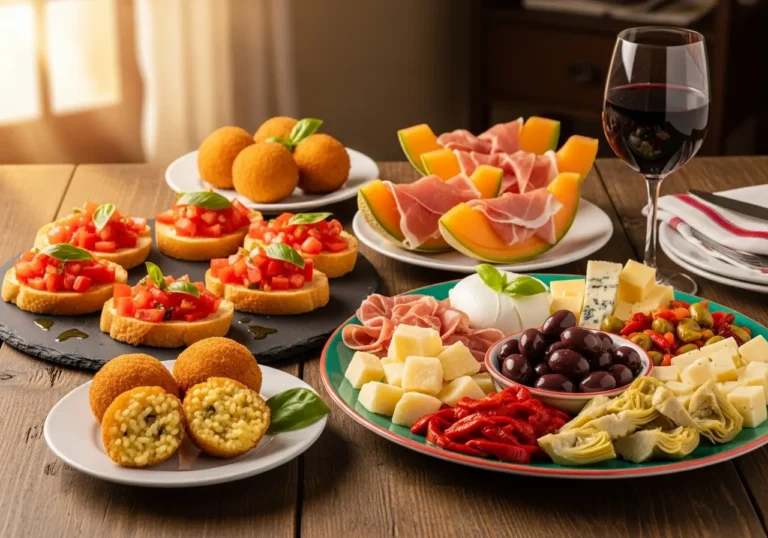
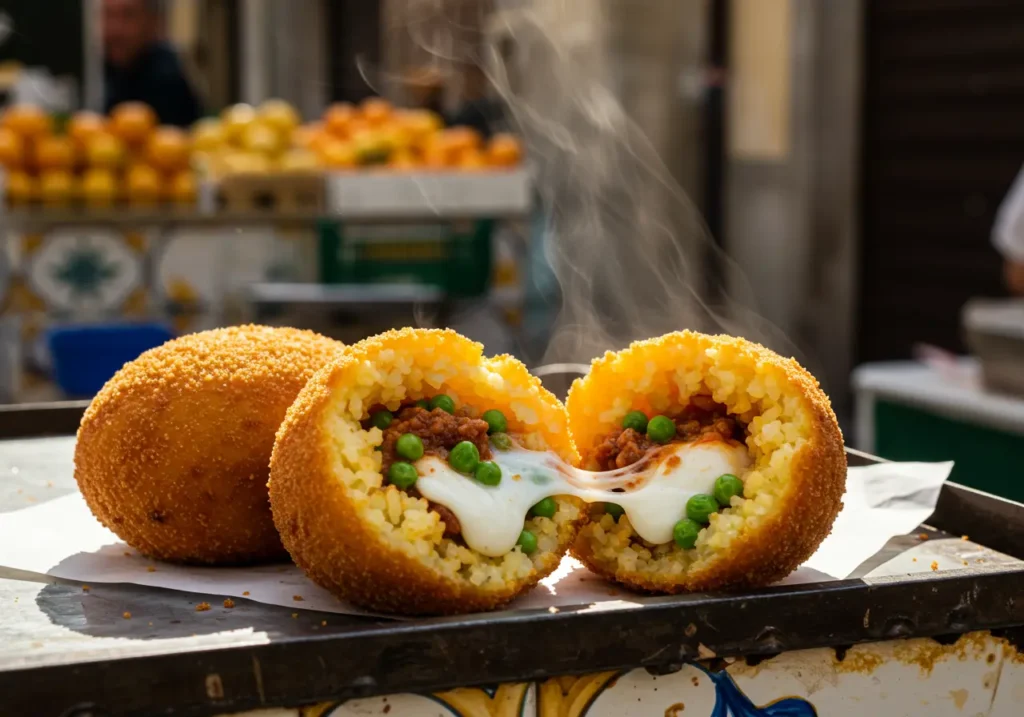
These golden-fried rice balls are Sicily’s crown jewel of street food, translating literally to “little oranges” for their distinctive shape and color. Traditional arancini feature creamy risotto rice molded around fillings like ragù, mozzarella, and peas, then breaded and deep-fried to crispy perfection. Each Sicilian town claims its own variation – Catania prefers cone shapes while Palermo favors round balls. The contrast between the crunchy exterior and molten interior creates an irresistible texture combination. Street vendors typically prepare them fresh throughout the day, ensuring you’ll always find warm, perfectly golden arancini that represent Sicily’s Arabic culinary influences.
Supplì (Rome)
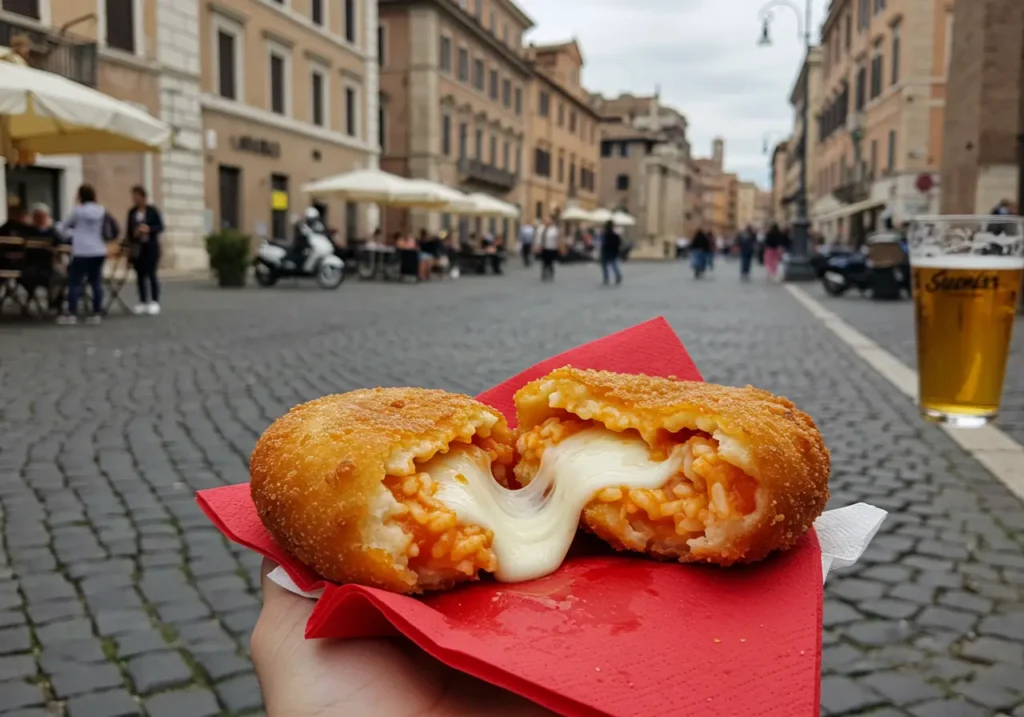
Rome’s answer to Sicily’s arancini, supplì are elongated rice croquettes that have become synonymous with Roman street food culture since the early 1900s. The classic “supplì al telefono” gets its name from the stretchy mozzarella strings that resemble telephone wires when bitten. Made with tomato-based risotto, often incorporating meat sauce, the mixture is shaped, stuffed with mozzarella, breaded, and fried until golden. Roman pizzerias and tavola calda establishments serve them as appetizers or quick snacks. The key difference from arancini lies in the rice preparation and elongated shape, reflecting Rome’s unique culinary identity distinct from southern Italian traditions.

Panzerotti (Puglia)
Puglia’s beloved panzerotti are small, half-moon shaped pockets of pizza dough, typically filled with tomato and mozzarella, then deep-fried until golden and crispy. Unlike their baked cousin, the calzone, panzerotti achieve their signature texture through frying, creating a contrast between the crispy exterior and molten interior. Traditional fillings include simple tomato and mozzarella, though modern variations incorporate ingredients like ham, mushrooms, or local vegetables. Street vendors across Puglia serve them piping hot from large fryers, often visible to customers who can watch the preparation process. The portability and satisfying nature of panzerotti make them perfect for exploring Puglia’s charming towns and coastal areas.

Piadina (Emilia-Romagna)
This thin, unleavened flatbread from Emilia-Romagna serves as both a vehicle for ingredients and a delicious component in its own right. Traditionally cooked on a terracotta disc called a “testo,” piadina achieves its characteristic slightly charred spots and tender texture. The dough, made simply from flour, lard or olive oil, salt, and water, is rolled thin and filled with local specialties like prosciutto, squacquerone cheese, and arugula. Modern piadinerie offer countless filling combinations, from traditional cold cuts to grilled vegetables. The preparation is theatrical – watching skilled piadinari roll, cook, and fill each piadina fresh is part of the authentic experience that makes this Romagnolo specialty so memorable.

Porchetta Sandwich (Central Italy)
Central Italy’s porchetta sandwich showcases one of the region’s most celebrated culinary traditions in convenient handheld form. Porchetta itself is a whole pig, deboned, seasoned with garlic, rosemary, fennel, and other herbs, then slow-roasted until the skin becomes crackling-crispy while the meat stays impossibly juicy and flavorful. Street vendors carve generous portions directly from the roasted pig, serving it on crusty bread with optional additions like salsa verde or roasted peppers. The aroma alone draws crowds at markets and festivals throughout Lazio, Umbria, and surrounding regions. This sandwich represents Italian craftsmanship at its finest – simple ingredients elevated through technique, tradition, and genuine passion for exceptional food.
Trapizzino (Rome)
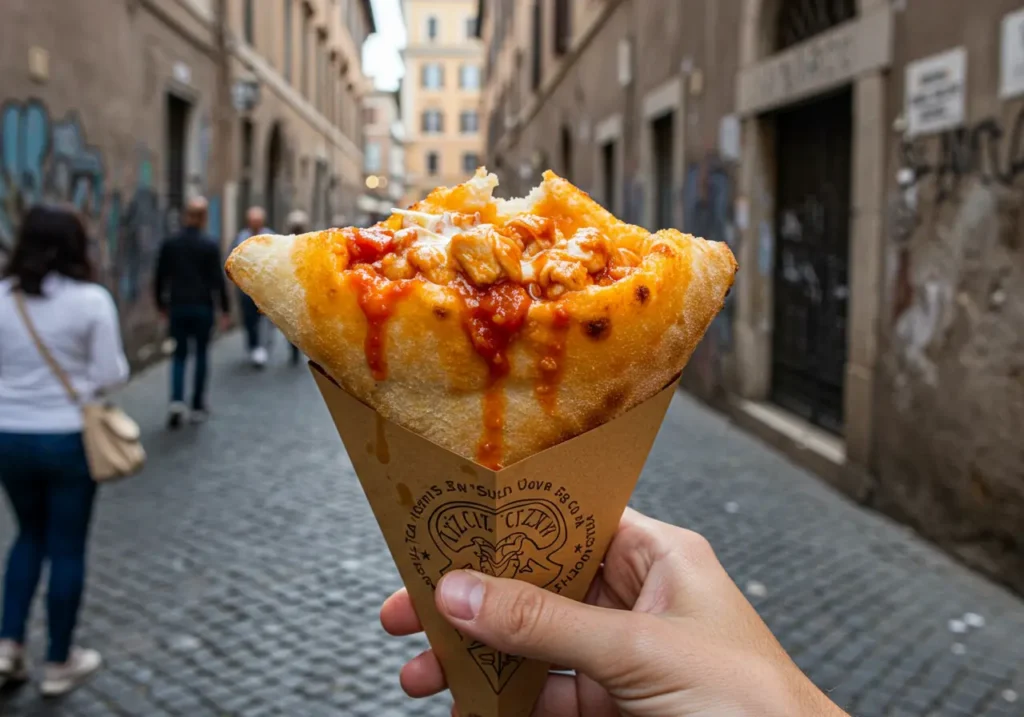
A modern Roman street food invention that has taken Italy by storm, trapizzino combines the best of pizza and sandwich culture in an innovative triangular pocket. Created in 2008, this relatively new addition to Rome’s street food scene features a crispy pizza bianca triangle, split open and filled with traditional Roman dishes like chicken cacciatore, tongue in tomato sauce, or eggplant parmigiana. The genius lies in transforming classic trattoria dishes into portable street food without losing their authentic flavors. Multiple locations across Rome serve trapizzini throughout the day, with fillings that change seasonally to showcase the best of Roman cuisine. This creation proves that Italian street food continues evolving while respecting traditional flavors and techniques.
Sfincione (Palermo)
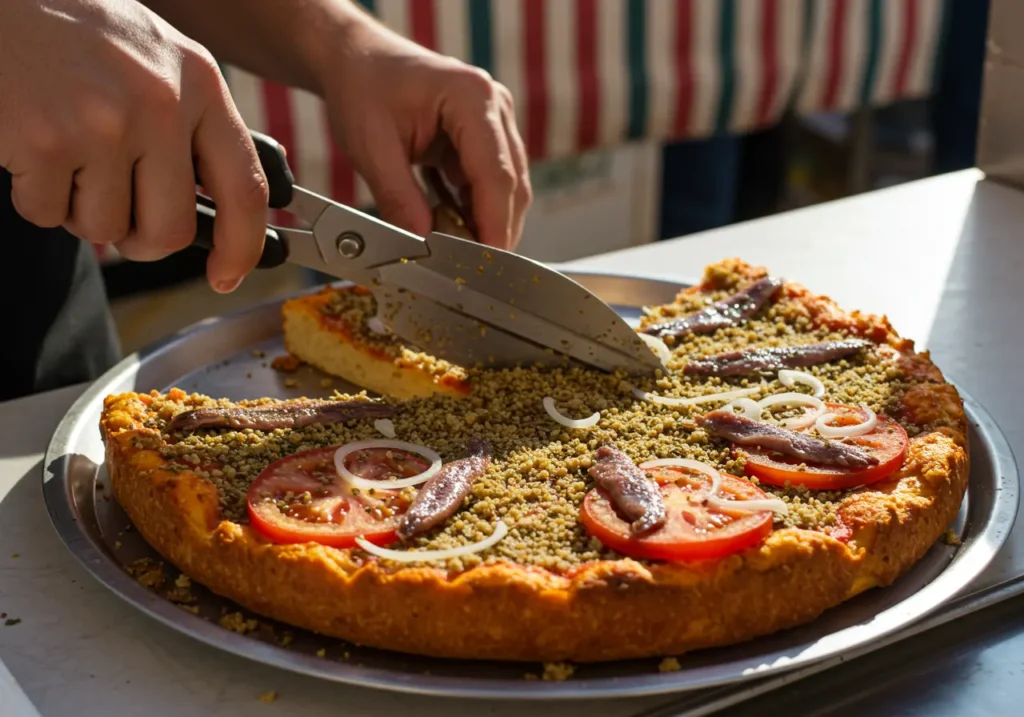
Palermo’s signature street food, sfincione, is a thick, focaccia-like bread topped with tomatoes, onions, anchovies, oregano, and caciocavallo cheese, representing the city’s unique cultural fusion. Unlike typical pizza, sfincione features a spongy, airy base that absorbs the flavorful topping without becoming soggy. The topping combination reflects Sicily’s position as a Mediterranean crossroads, incorporating ingredients from various culinary traditions. Traditional sfincione vendors, called “sfincioni,” roam Palermo’s streets with large trays, selling squares cut to order. The dish originated as a way to use day-old bread, transforming it into something spectacular. Each bite delivers complex flavors that showcase why Palermo’s street food culture is considered among Italy’s most distinctive and historically significant.
Panelle (Sicily)
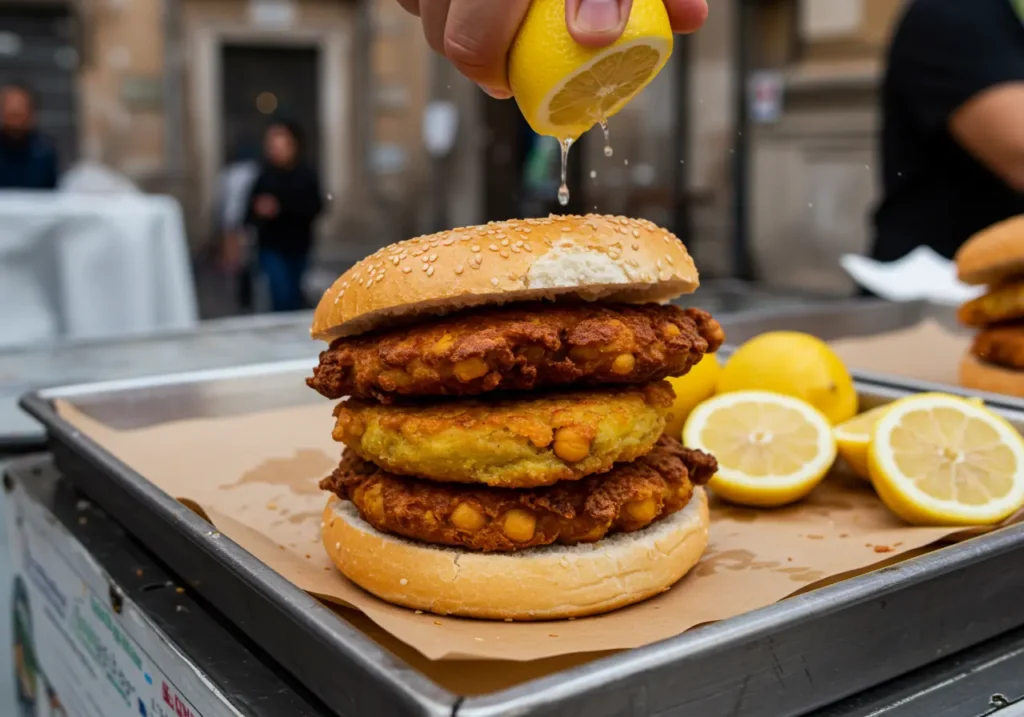
These golden chickpea fritters represent Sicily’s most humble yet satisfying street food, transforming simple legumes into crispy, flavorful rectangles that have sustained Sicilians for generations. Made from chickpea flour mixed with water, salt, and parsley, the batter is cooked until thick, spread thin, cooled, then cut into rectangles and deep-fried until golden. Traditionally served in soft sesame buns called “mafalda,” panelle are often accompanied by cazzilli (potato croquettes) for the ultimate Sicilian street food combination. The origins trace back to Arab occupation, when chickpeas were a dietary staple. Modern panellari (panelle vendors) maintain traditional preparation methods, ensuring this ancient street food continues satisfying hungry Sicilians and curious visitors with its simple, honest flavors.
Lampredotto (Florence)
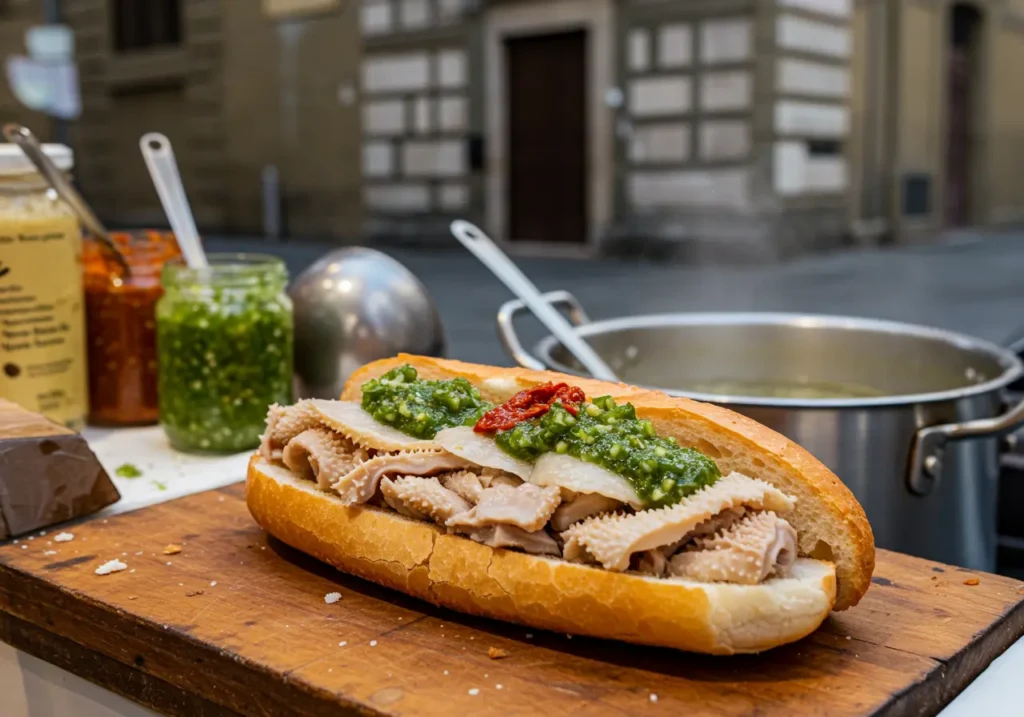
Florence’s most iconic street food, lampredotto is a testament to Tuscan resourcefulness and the principle of using every part of the animal. This beloved sandwich features the fourth stomach of a cow, slow-cooked in aromatic broth with celery, carrots, onions, tomatoes, and herbs until tender. Served in crusty Tuscan bread with salsa verde (green sauce made from herbs, capers, and anchovies), lampredotto offers an intensely flavorful experience that locals crave. Traditional lampredottai operate from distinctive green carts throughout Florence, maintaining recipes and techniques passed down through generations. While the concept might intimidate newcomers, the rich, savory flavor and tender texture convert even skeptical visitors, proving that exceptional street food often comes from unexpected ingredients prepared with skill and tradition.
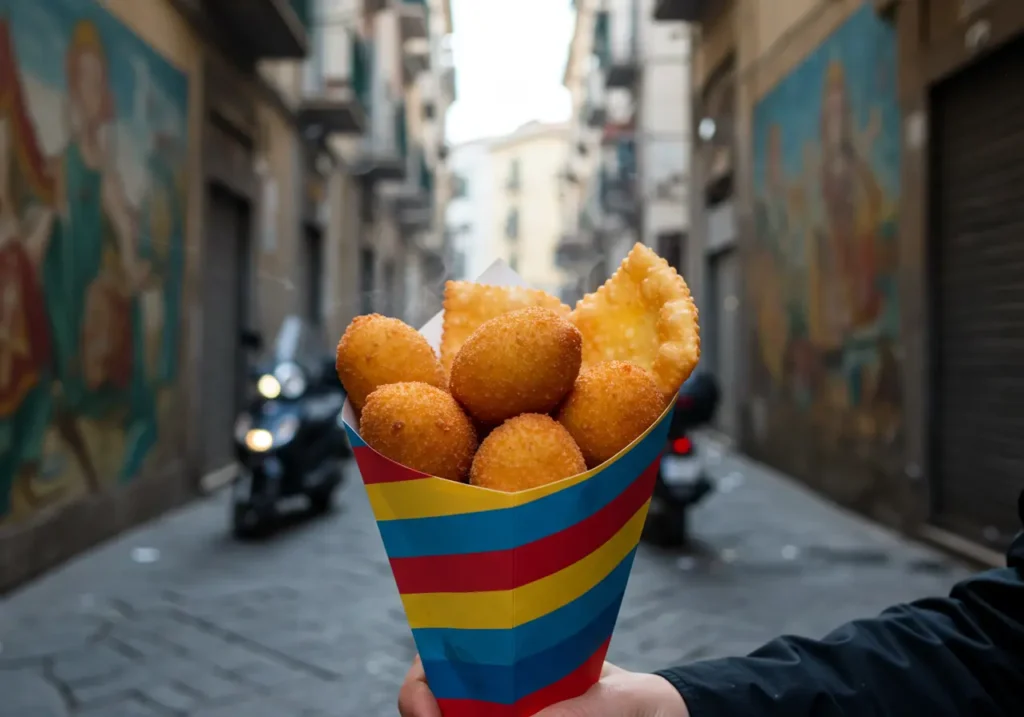
Friggitoria Mix (Naples)
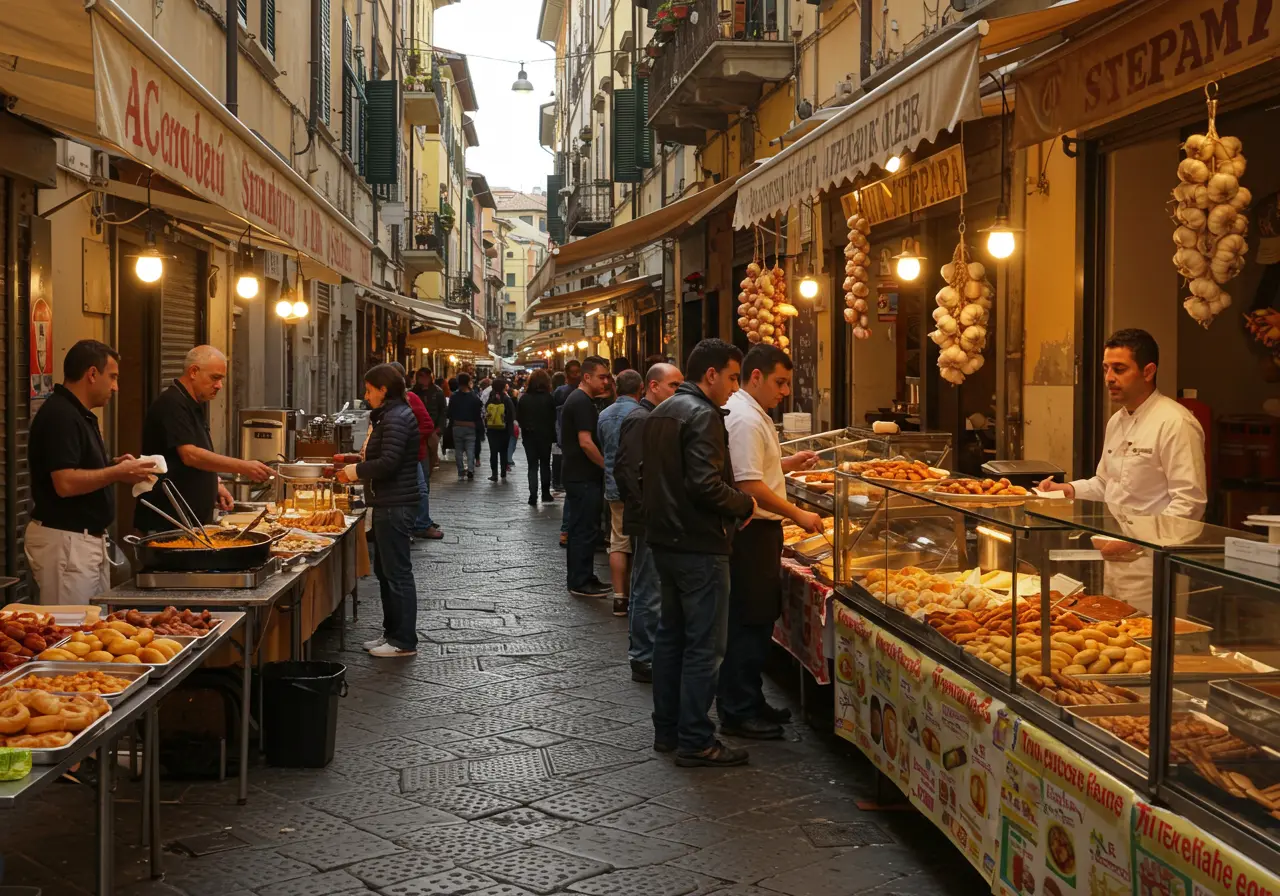
Naples’ friggitoria represents the city’s approach to street food – abundant, varied, and absolutely delicious. This mixed fry platter typically includes arancini, crocchè (potato croquettes), mozzarella in carrozza (fried mozzarella sandwiches), zeppole, and seasonal vegetables, all golden-fried to perfection. Each component showcases different textures and flavors while maintaining the common thread of expert frying technique. Neapolitan friggitorie are neighborhood institutions where locals gather for quick meals, aperitivos, or late-night snacks. The variety ensures everyone finds something appealing, from cheese-lovers to vegetarians to those seeking heartier options. Watching fryers work their magic behind steamy glass cases is part of the experience, as is the animated atmosphere that makes Neapolitan friggitorie social hubs rather than mere food vendors.

Focaccia di Recco (Liguria)
Liguria’s focaccia di Recco represents one of Italy’s most refined street foods, despite its humble appearance. This paper-thin creation consists of two transparent layers of dough stretched so fine you can read through them, filled with fresh stracchino cheese, then baked until golden and bubbly. The technique requires exceptional skill – the dough must be stretched by hand to achieve the characteristic thinness without tearing.
Traditional recipes use only flour, water, salt, and olive oil for the dough, letting the quality of ingredients shine. Served hot from wood-fired ovens in squares or rectangles, focaccia di Recco offers an extraordinary contrast between crispy, almost shattered edges and molten, creamy centers that exemplify Ligurian culinary sophistication and their mastery of simple, perfect ingredients.
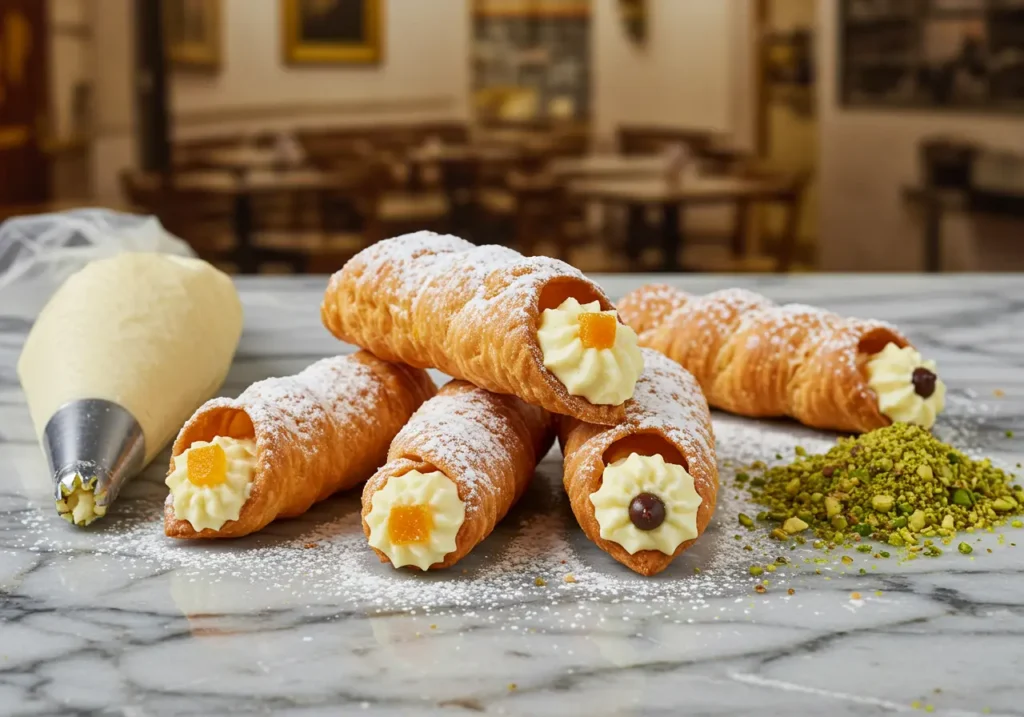
Cannoli (Sicily)
Sicily’s most famous dessert transcends street food to become a global symbol of Italian sweets, yet the best cannoli still come from Sicilian street vendors and pasticcerie who maintain traditional techniques. The crispy, wine-enriched shell, fried to golden perfection around metal tubes, provides the perfect vessel for fresh ricotta filling flavored with sugar, vanilla, and sometimes candied fruits or chocolate chips. Authentic cannoli are filled to order, preventing soggy shells that result from pre-filled versions. Regional variations exist – Catania favors pistachios while Palermo prefers candied fruits – but all share the commitment to fresh, high-quality ricotta and perfectly crispy shells. Street vendors throughout Sicily maintain this tradition, ensuring visitors experience cannoli at their absolute peak of flavor and texture.
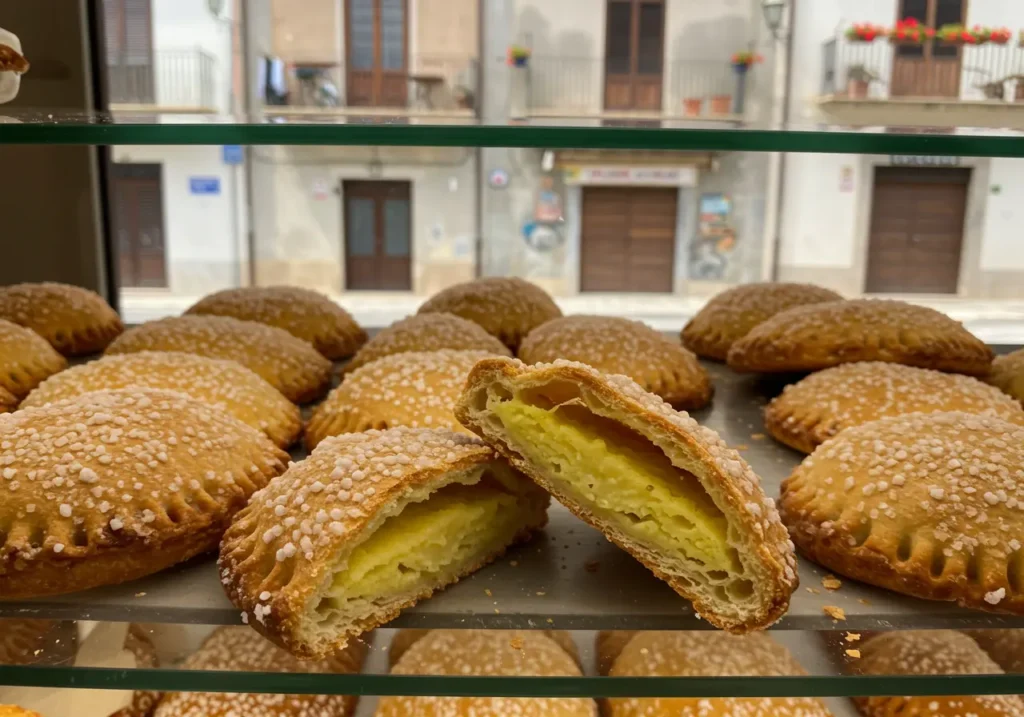
Cassatelle (Western Sicily)
Western Sicily’s cassatelle offer a delightful variation on the island’s dessert street food tradition, featuring half-moon shaped pastries filled with sweetened ricotta and fried to golden perfection. Unlike cannoli, cassatelle are completely enclosed, creating a pocket that holds the filling while achieving an all-over crispy texture. The ricotta filling often incorporates vanilla, cinnamon, and sometimes candied fruits or chocolate, depending on local preferences and seasonal availability. These treats are particularly popular during festivals and religious celebrations, when vendors set up temporary stands to serve fresh, hot cassatelle to celebrating crowds. The preparation requires precise timing – the pastry must be thin enough to crisp properly but strong enough to contain the creamy filling without bursting during frying.
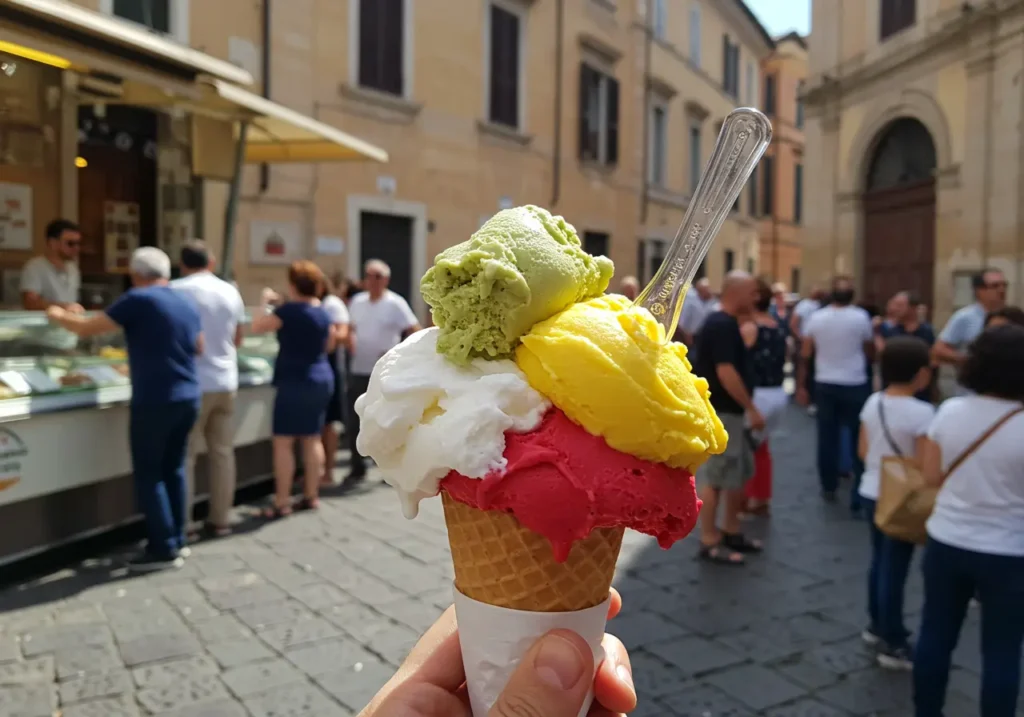
Gelato (All Over Italy)
Italian gelato represents the country’s mastery of frozen desserts, available from gelaterias and street vendors throughout the peninsula. Unlike ice cream, gelato contains less air and is served at slightly higher temperatures, creating a denser, more intensely flavored experience. Traditional flavors like stracciatella, pistachio, and lemon showcase quality ingredients, while regional specialties reflect local preferences – Sicily’s cassata gelato, Rome’s maritozzo-flavored varieties, or Piedmont’s gianduia.
Authentic gelato shops display their products in covered metal containers rather than towering displays, and the best gelato appears natural in color rather than artificially vibrant. Street vendors throughout Italy serve gelato from small carts or mobile units, making this beloved treat accessible anywhere your Italian adventures take you, providing sweet relief from sightseeing and summer heat.
FAQs Italian Street Food
What is the most popular Italian street food? Pizza al taglio (pizza by the slice) and gelato are arguably the most universally popular, available throughout Italy. However, each region has its own beloved specialties that locals consider essential.
Is Italian street food safe to eat? Yes, Italian street food is generally very safe. Look for busy vendors with high turnover, observe proper food handling, and trust your instincts about cleanliness and freshness.
How much does Italian street food cost? Prices vary by location and item, typically ranging from €1-8. Street food offers excellent value compared to restaurant dining while maintaining high quality.
What’s the best time to find Italian street food? Most vendors operate during lunch hours (12-3 PM) and evening aperitivo time (6-8 PM). Weekend markets and festivals offer the widest variety.
Do I need to speak Italian to order street food? While helpful, it’s not necessary. Pointing, basic numbers, and enthusiasm usually suffice. Many vendors in tourist areas speak some English.
Conclusion
Italian street food offers an authentic window into the country’s culinary soul, revealing regional traditions, family recipes, and the passionate craftsmanship that defines Italian food culture. From Sicily’s golden arancini to Florence’s boldly flavored lampredotto, each specialty tells the story of its region while satisfying your hunger in the most delicious way possible.
These 14 street food delights represent just a fraction of Italy’s incredible variety, but they provide an excellent starting point for your culinary adventures. Remember that the best street food experiences come from seeking out busy local vendors, staying curious about unfamiliar dishes, and embracing the social aspect that makes Italian street food culture so special.
Call to Action: Start planning your Italian street food adventure today! Research the specialties in your destination cities, locate recommended vendors, and prepare your appetite for an unforgettable culinary journey through Italy’s authentic flavors.
Social Proof: Join thousands of food lovers who have discovered that Italian street food offers the most authentic, affordable, and delicious way to experience Italy’s incredible culinary diversity. Your taste buds – and your travel budget – will thank you.