12 Incredible Photos That Will Make You Love Naples
Introduction
Overwhelmed by choosing your next Italian destination? With countless cities vying for attention, it’s easy to overlook one of Italy’s most photogenic and culturally rich gems. This visual guide reveals why Naples deserves the top spot on your Italian itinerary through stunning photography that captures its essence.
As a travel strategist who has spent years exploring Italy’s diverse landscapes, from the bustling streets of Rome to the serene coastlines of Cinque Terre, I can confidently say that Naples offers an unmatched combination of raw authenticity, dramatic natural beauty, and historic grandeur. Unlike heavily touristy destinations, Naples maintains its genuine Italian character while providing incredible photo opportunities at every turn.
This guide showcases the city’s most spectacular views through twelve carefully selected photographs, covering everything from volcanic vistas and coastal panoramas to intimate street scenes and architectural marvels. You’ll discover why Naples captivates photographers and travelers alike, plus practical travel information to help you plan your own unforgettable visit.
Table of Contents
Why Visit Naples
Naples stands as one of Italy’s most underestimated destinations, offering an authentic Italian experience that many popular tourist cities have lost. The city serves as a living museum where ancient Greek foundations, Roman ruins, and medieval castles coexist with vibrant modern life. Its strategic location provides easy access to Pompeii, the Amalfi Coast, and the islands of Capri and Ischia, making it an ideal base for exploring southern Italy.
The cultural richness of Naples is unparalleled, from being the birthplace of pizza to housing some of the world’s finest archaeological collections. The city’s UNESCO World Heritage historic center contains more churches per square kilometer than anywhere else in the world. Street art flourishes alongside Renaissance masterpieces, while traditional craft workshops operate in the same neighborhoods where Caravaggio once painted.
What sets Naples apart is its incredible variety within a compact area. In a single day, you can explore underground Roman tunnels, climb to hilltop castles with panoramic views, wander through authentic local markets, and watch the sunset over the Bay of Naples with Mount Vesuvius as your backdrop. This diversity, combined with the warmth of Neapolitan hospitality and some of Italy’s best cuisine, creates an irresistible destination for photographers and travelers seeking genuine experiences.
12 Incredible Photos That Will Make You Love Naples
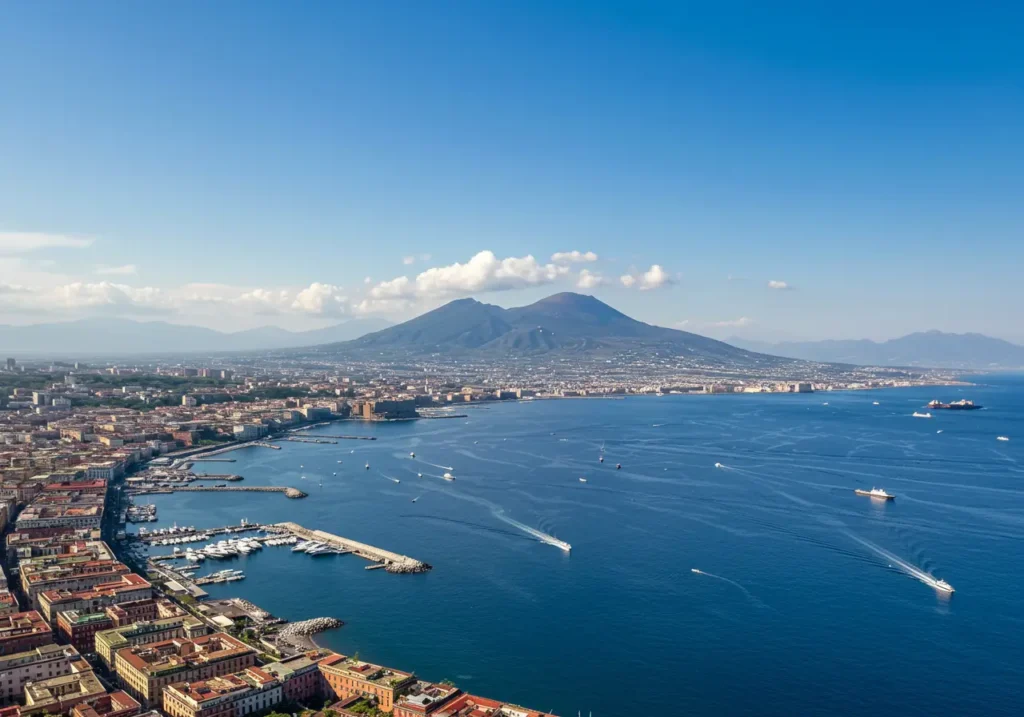
Bay of Naples with Vesuvius
The iconic silhouette of Mount Vesuvius rising from the Bay of Naples creates one of the world’s most recognizable and photographed landscapes. This dramatic volcanic backdrop transforms throughout the day, from misty morning appearances to golden hour magnificence. The bay’s curved shoreline perfectly frames the mountain, while fishing boats and ferries add movement to the composition. Ancient civilizations chose this location for good reason – the fertile volcanic soil and protected harbor created ideal conditions for settlement. Today, photographers capture this same timeless beauty that has inspired artists for centuries. The interplay between water, land, and sky creates endless photographic possibilities, with each season offering different atmospheric conditions and lighting scenarios.
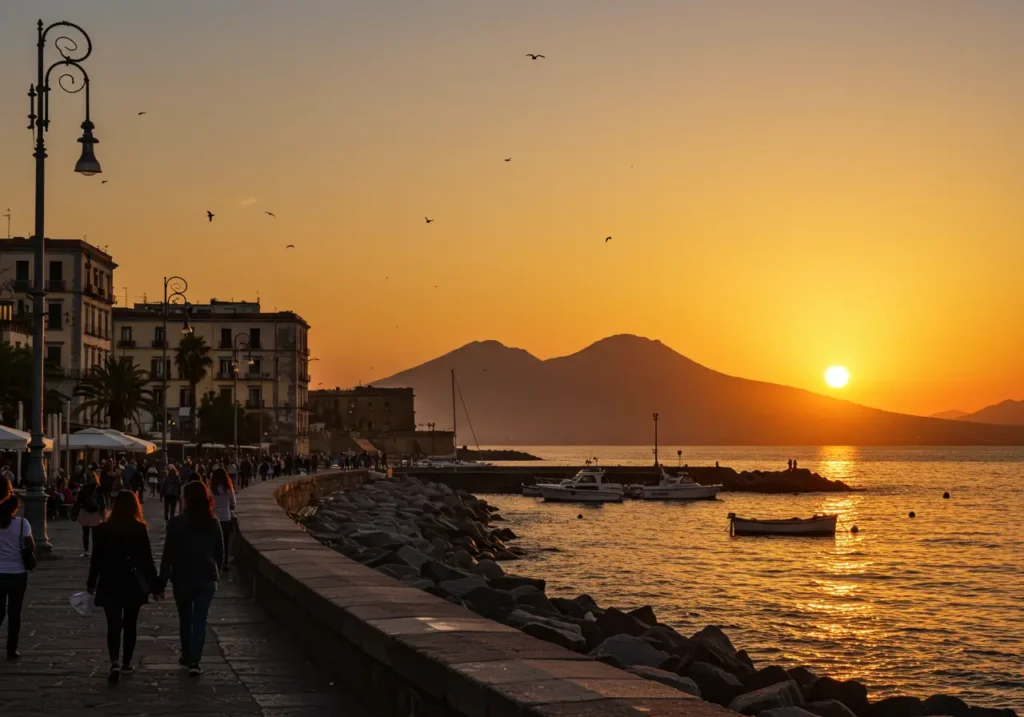
Sunset Glow on the Waterfront
Naples’ waterfront promenade, the Lungomare, becomes magical during golden hour when warm light bathes the historic buildings and reflects off the calm bay waters. The Via Caracciolo stretches along the coast, offering unobstructed sunset views that rival any Mediterranean destination. Palm trees line the walkway, creating perfect foreground elements for photography, while the Castel dell’Ovo adds architectural interest to compositions. Local couples, families, and street performers populate the scene, bringing life and authenticity to photographs. The combination of natural beauty and human activity creates compelling storytelling opportunities. As the sun sets behind the Phlegrean Fields, the sky explodes in colors that photographers dream of capturing, making this waterfront one of Europe’s most photogenic sunset locations.
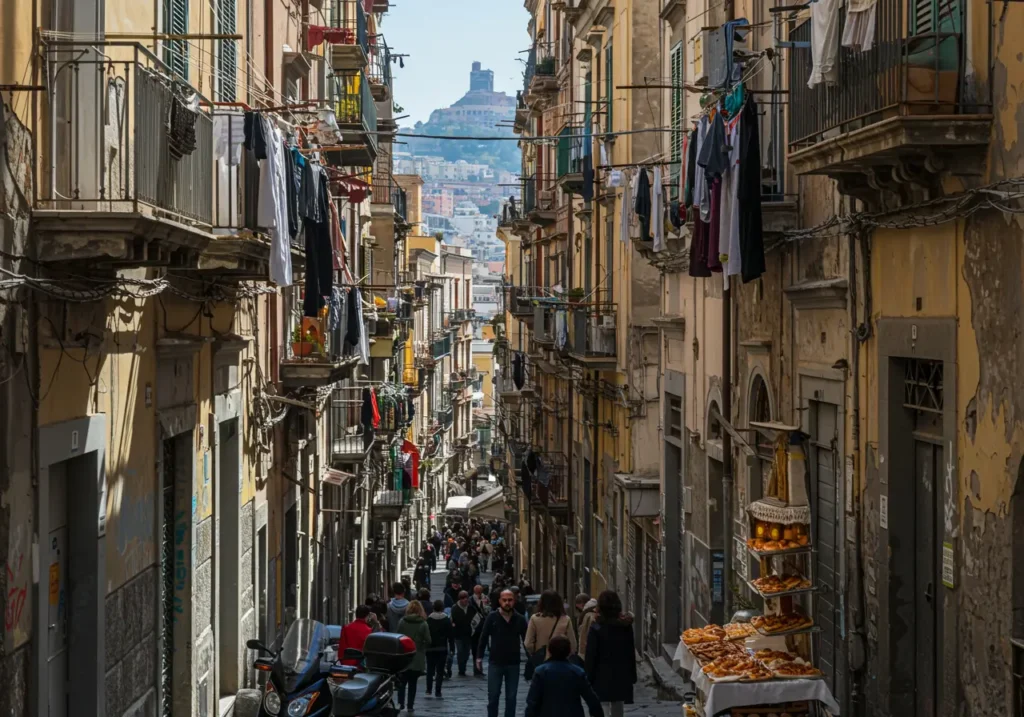
Spaccanapoli Street Scene
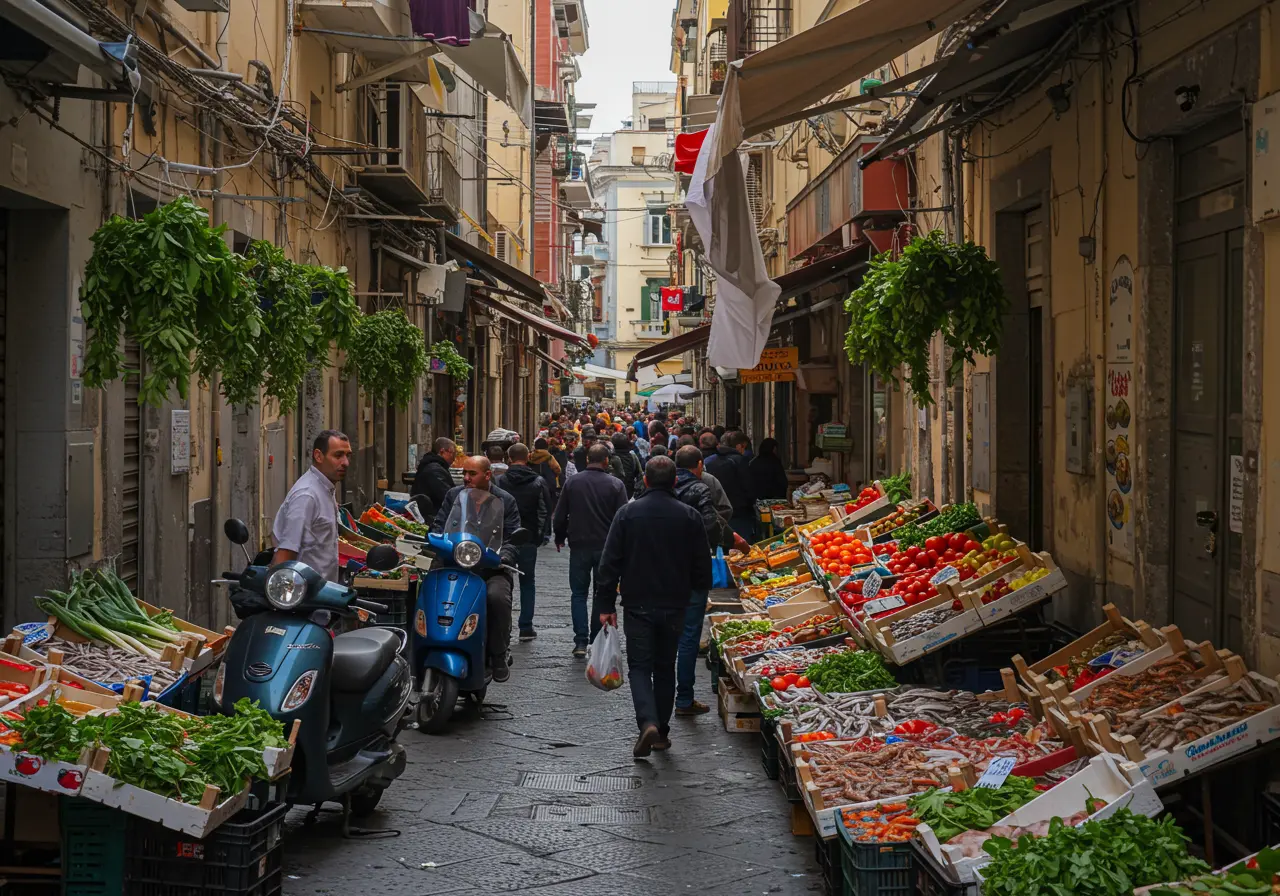
The famous Spaccanapoli street cuts straight through Naples’ historic heart, creating a canyon-like perspective that photographers adore. This narrow Roman road reveals authentic Neapolitan life with laundry hanging between buildings, scooters weaving through pedestrians, and locals conducting daily business from doorways. The architectural layers tell Naples’ story – Greek foundations, Roman walls, medieval churches, and baroque facades create a visual timeline. Street vendors sell everything from fresh mozzarella to handmade nativity figures, adding color and activity to compositions. The contrast between shadows and sunlight streaming between buildings creates dramatic lighting conditions throughout the day. Every doorway and balcony offers photographic opportunities, while the constant flow of daily life ensures that no two visits to Spaccanapoli yield identical images.
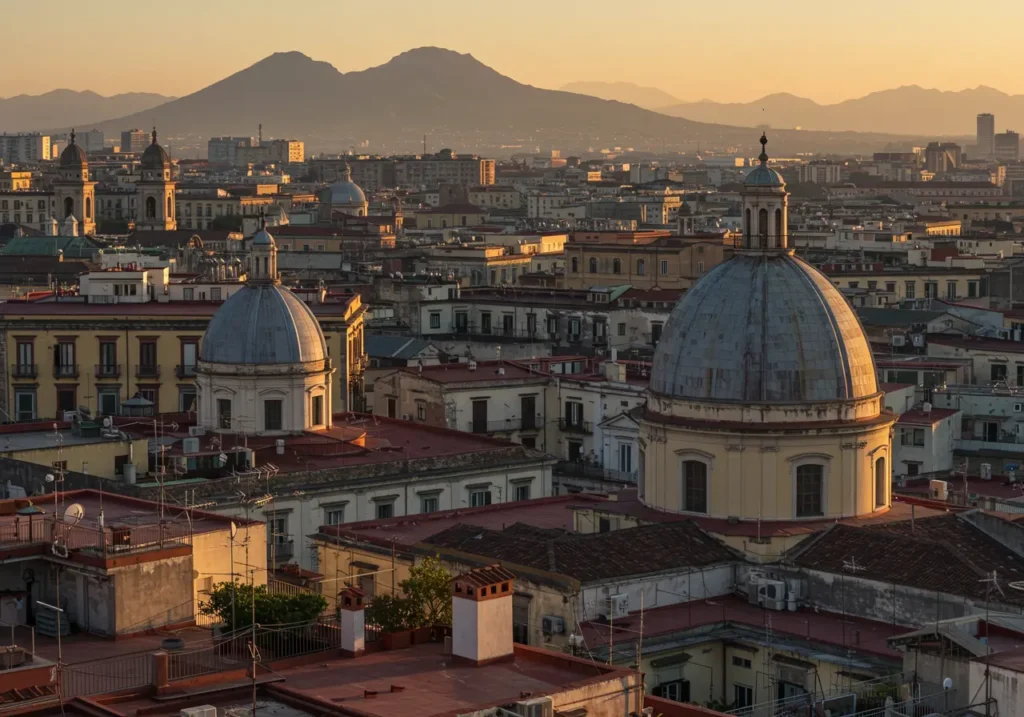
Historic Rooftops & Terraces
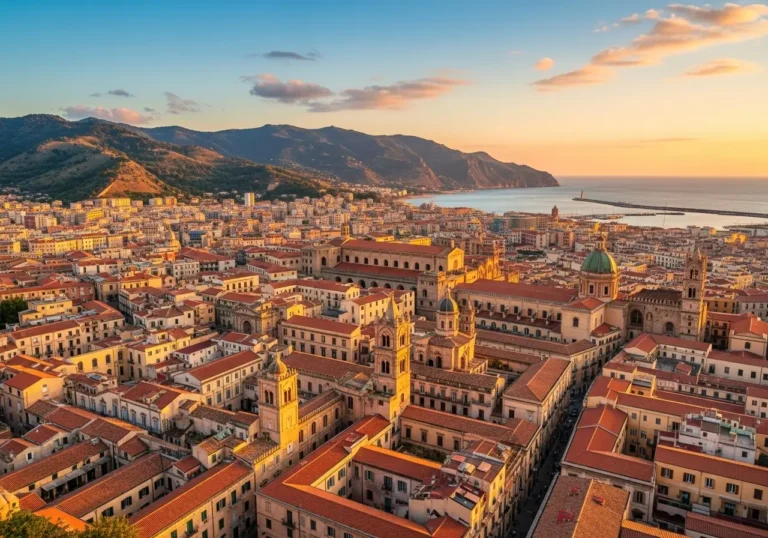
Naples’ historic center reveals its treasures when viewed from above, with terracotta rooftops, church domes, and hidden courtyards creating a tapestry of architectural beauty. The city’s hilly terrain provides numerous elevated vantage points where photographers can capture this bird’s-eye perspective. Ancient bell towers and baroque church domes punctuate the urban landscape, while clotheslines and rooftop gardens add authentic details to compositions.
The warm Mediterranean light enhances the earthy colors of aged buildings, creating photographs that evoke the romance of old Italy. Hidden terraces accessible through historic palazzos offer intimate shooting locations away from tourist crowds. The interplay between public and private spaces, visible from rooftop perspectives, tells the story of how Neapolitans have adapted ancient spaces for modern living while preserving their historic character.
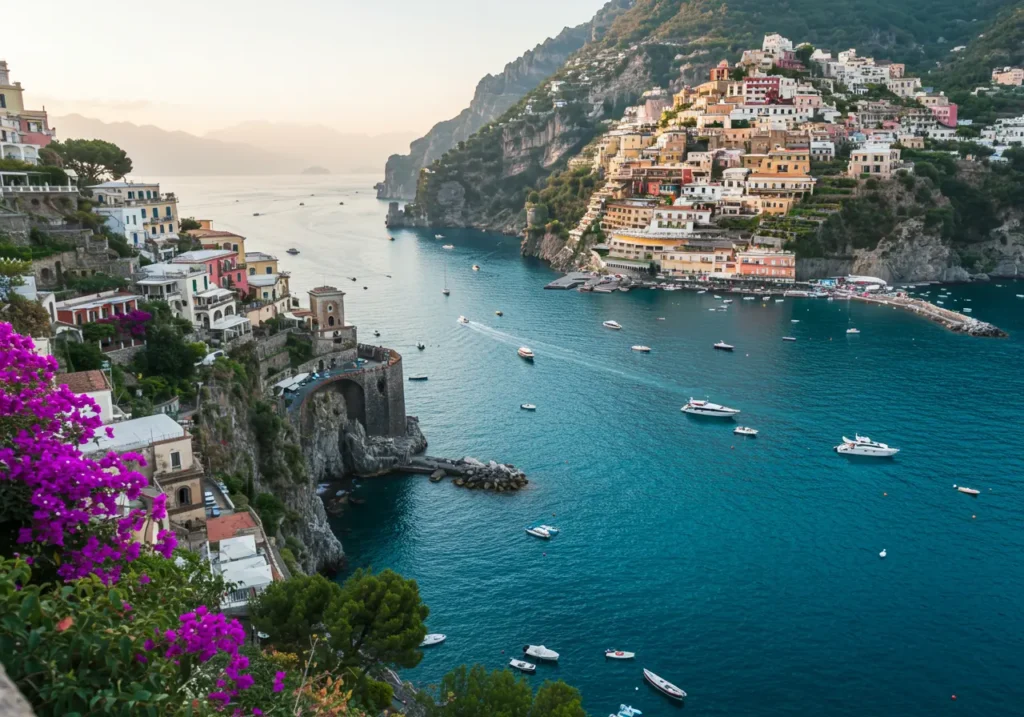
Amalfi Coast Edge, Cliffs + Sea
The dramatic meeting point where Naples’ territory extends toward the legendary Amalfi Coast creates some of the Mediterranean’s most spectacular cliff-and-sea photography. Vertical limestone cliffs plunge directly into azure waters, creating compositions that emphasize the raw power of geological forces. Ancient watchtowers perched on rocky promontories add historical context to natural beauty, while hidden beaches accessible only by boat provide exclusive photographic opportunities.
The interplay between rugged coastline and serene sea creates natural frames and leading lines that photographers use to guide viewers’ eyes through compositions. Morning light reveals the cliffs’ limestone textures and stratified geological history, while afternoon sun creates deep shadows that emphasize the dramatic vertical scale. These coastal views embody the wild beauty that makes southern Italy’s coastline globally famous among landscape photographers.
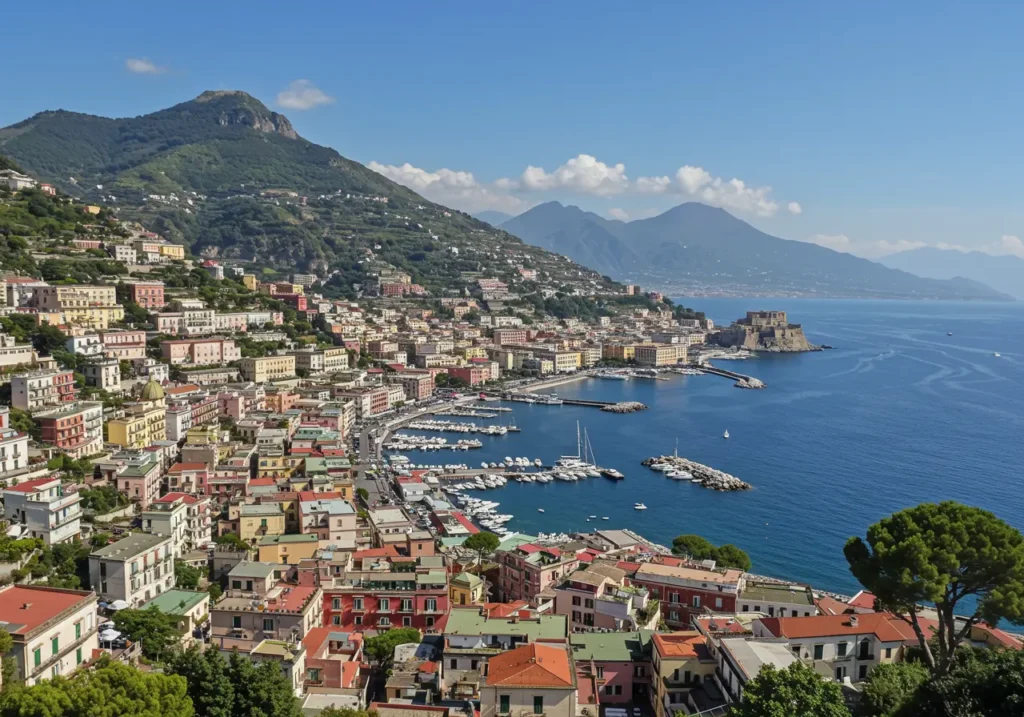
Panoramic Coastal Town Blend
The seamless transition from Naples’ urban landscape to picturesque coastal towns creates unique panoramic photography opportunities that capture southern Italy’s diverse beauty in single frames. Hilltop villages cascade down mountainsides toward fishing harbors, while citrus groves and vineyard terraces create geometric patterns across the landscape. The Mediterranean’s brilliant blue provides a constant backdrop, unifying compositions that span from ancient town centers to modern coastal developments.
Traditional fishing boats dot harbors below medieval watchtowers, creating temporal contrasts that tell the region’s story. Photographers use wide-angle lenses to capture the scope of this landscape transition, while telephoto compression brings distant villages closer, creating layered compositions. The golden hour transforms these panoramic views into magical scenes where every element – architecture, agriculture, and sea – contributes to compelling photographic narratives.
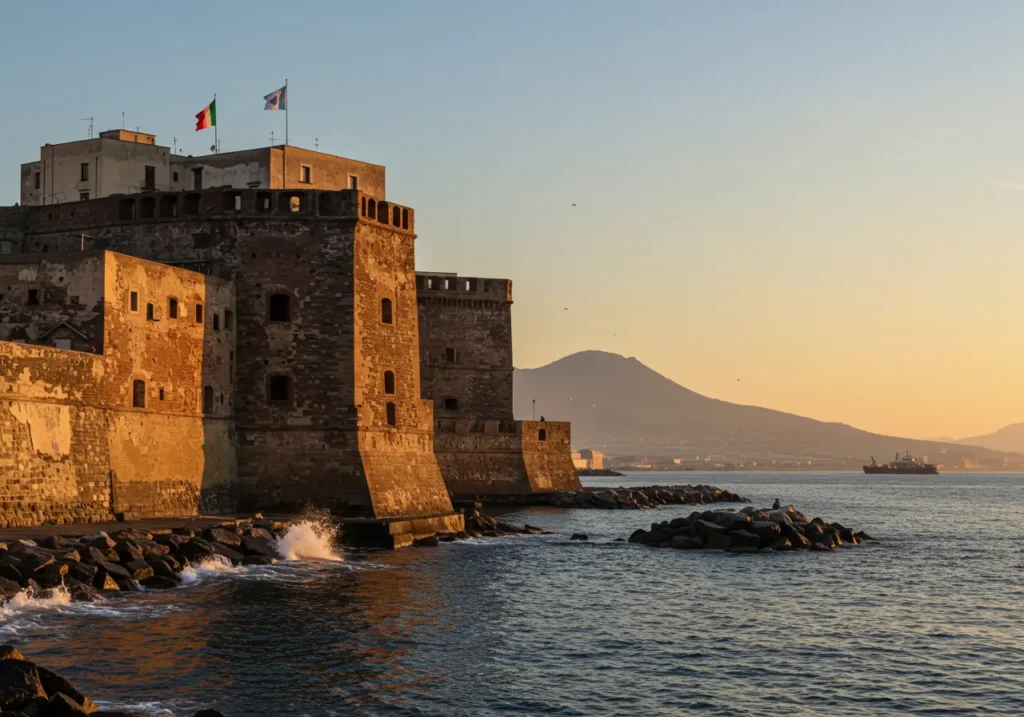
Seaside Castle or Fortress
The Castel dell’Ovo, Naples’ oldest castle, rises from a small island connected to the mainland by a narrow bridge, creating one of the city’s most photographed landmarks. This 12th-century fortress offers multiple photographic perspectives – from the castle looking out toward Vesuvius, from the mainland capturing its dramatic silhouette, or from elevated positions showing its strategic coastal location.
The surrounding Borgo Marinari with its colorful fishing boats and waterfront restaurants provides authentic foreground elements for castle photography. Ancient stones weathered by centuries of Mediterranean storms create textural details that macro photographers appreciate, while the castle’s strategic position offers panoramic views perfect for landscape work. Sunset photography from the castle grounds captures the golden light reflecting off both ancient stone and modern city, creating compositions that blend historical grandeur with contemporary beauty.
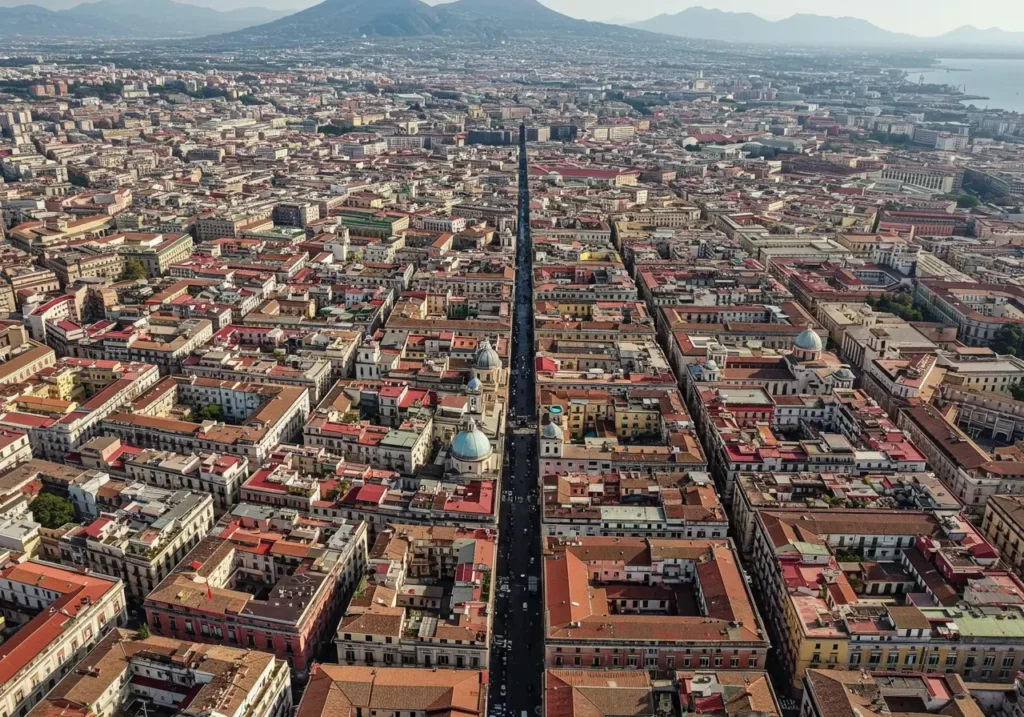
Old Naples from Above
Elevated viewpoints throughout Naples reveal the city’s authentic character through aerial perspectives that showcase its organic urban development over millennia. The dense historic center spreads below like an ancient map come to life, with narrow streets forming intricate patterns between churches, palaces, and piazzas. Photographer-friendly locations include Castel Sant’Elmo, the Certosa di San Martino, and various hilltop neighborhoods where terraces and belvederes provide unobstructed city views.
The contrast between the organized grid of newer districts and the medieval maze of the historic center tells Naples’ urban evolution story through photography. Red-tiled rooftops create a warm color palette that unifies compositions, while church domes and bell towers provide vertical interest and landmarks for orientation. These overhead perspectives capture the human scale of the city while revealing architectural details invisible from street level.
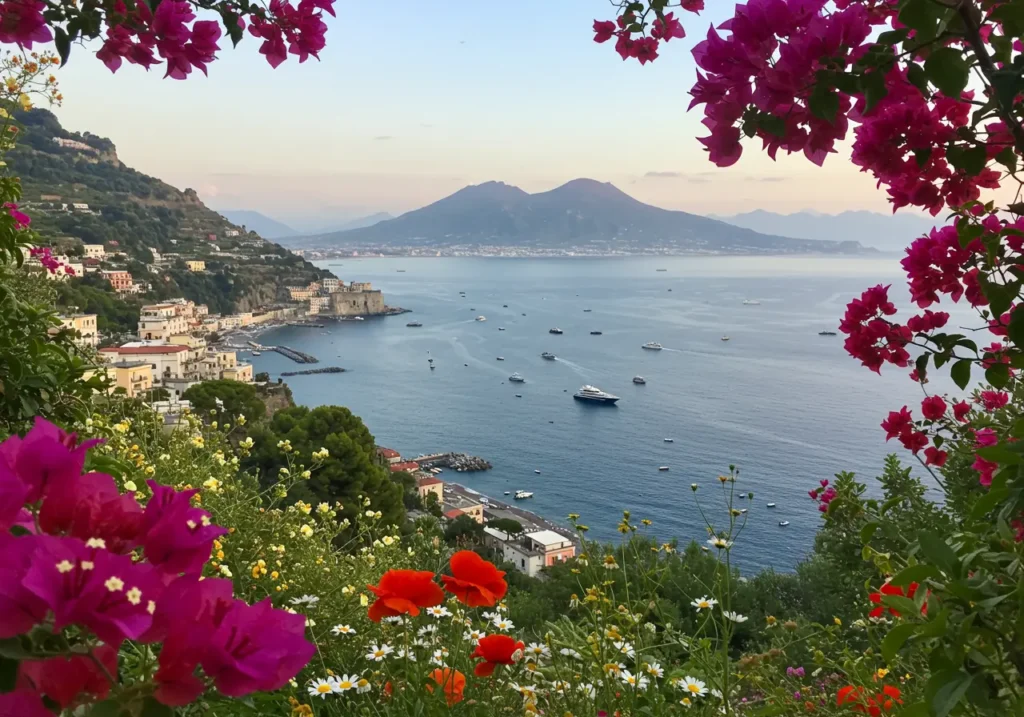
Flowering Foreground Over Coast
Naples’ Mediterranean climate supports abundant flowering plants that photographers use as natural foreground elements to frame coastal views. Bougainvillea cascades over ancient walls, creating purple and magenta foregrounds for compositions featuring the bay and Vesuvius. Lemon and orange groves in nearby coastal areas provide both colorful blossoms and fruit for seasonal photography opportunities. The contrast between delicate flowers and the rugged volcanic landscape creates compelling visual tension in compositions.
Spring brings wildflowers to clifftop meadows, while terraced gardens maintain year-round color through careful plant selection. Photographers time visits to coincide with peak blooming seasons, using flowering foregrounds to add depth and natural beauty to landscape compositions. The interplay between cultivated gardens and wild Mediterranean vegetation tells the story of how humans have shaped this landscape while working with natural conditions.
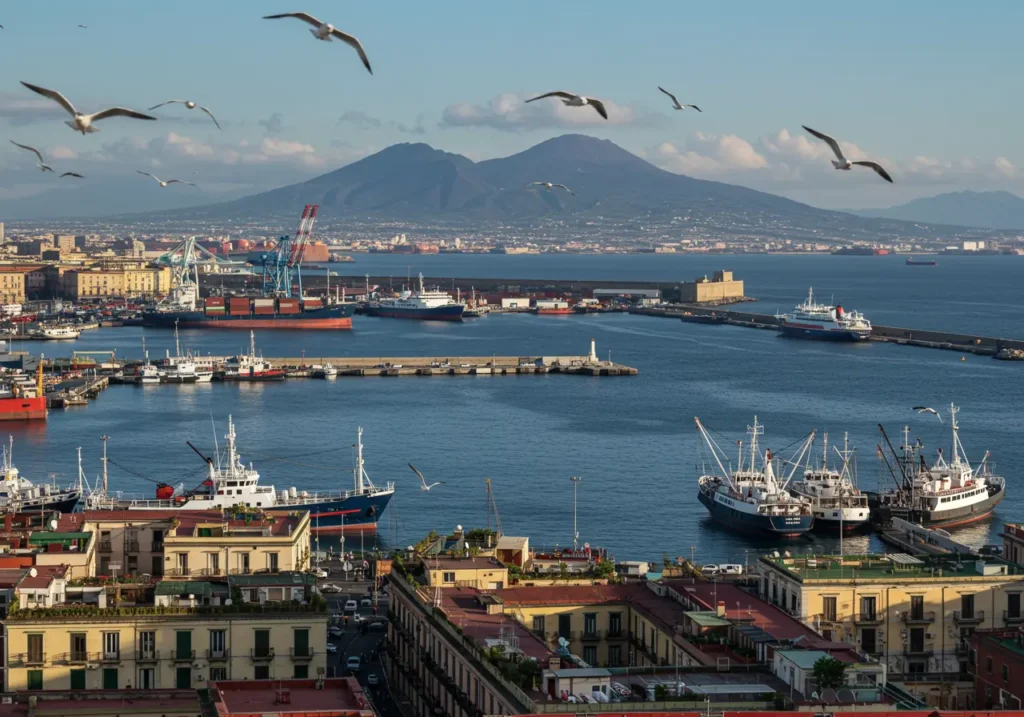
Port Views
The Port of Naples bustles with activity that provides dynamic photography opportunities, from massive cruise ships and cargo vessels to traditional fishing boats and island ferries. The working harbor showcases Naples’ continuing role as a major Mediterranean maritime hub, while historic port buildings provide architectural context for modern shipping activity. Photographers capture the scale contrasts between enormous vessels and tiny harbor details, creating compositions that emphasize human engineering achievements.
The port’s elevated viewing areas offer perspectives that include both harbor activity and the city skyline stretching toward Vesuvius. Golden hour lighting transforms industrial port scenes into artistic compositions, while the constant movement of vessels ensures dynamic photography opportunities throughout the day. The juxtaposition of commercial maritime activity with pleasure craft heading to Capri and Ischia creates visual stories about different ways people interact with the sea.
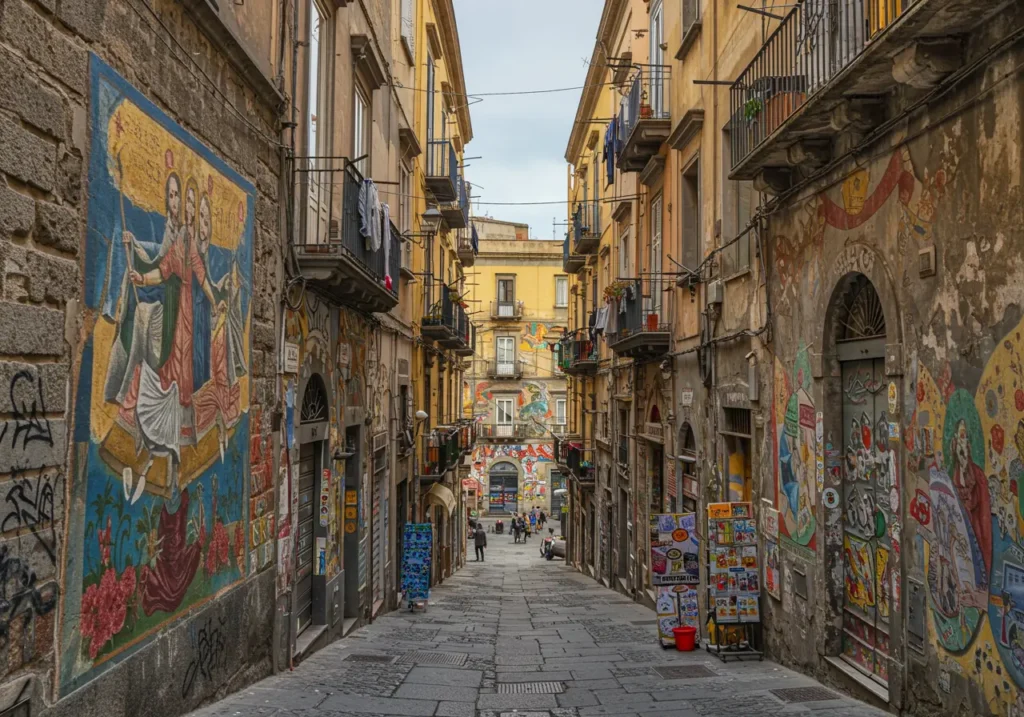
Colourful Street with Art & Old Walls
Naples’ street art scene flourishes against the backdrop of ancient walls and historic architecture, creating unique photography opportunities that blend contemporary creativity with millennial history. Vibrant murals transform narrow alleyways into outdoor galleries, while traditional architectural details provide context and contrast. The Quartieri Spagnoli neighborhood particularly showcases this artistic fusion, where international street artists have created large-scale works that complement rather than compete with historic surroundings.
Photographers capture the dialogue between old and new, using architectural elements to frame modern artistic expressions. The narrow streets create natural galleries with dramatic lighting conditions as sunlight filters between buildings. Local residents have embraced this artistic transformation, making street art photography in Naples a celebration of community creativity rather than vandalism documentation. These colorful streets demonstrate how historic cities can evolve while maintaining their authentic character.
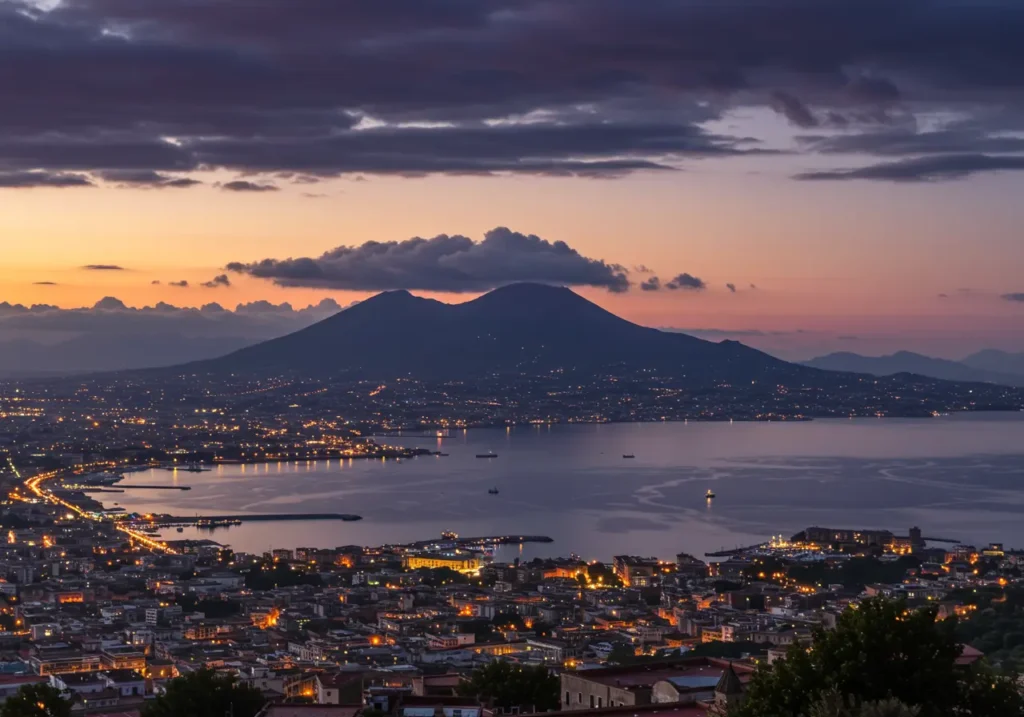
Vesuvius at Sunset from a Distance
Mount Vesuvius photographed from Naples during sunset creates one of Europe’s most iconic landscape images, combining natural beauty with historical significance in compositions that have inspired artists for centuries. The volcano’s distinctive silhouette changes dramatically with atmospheric conditions, from sharp clarity on clear days to mysterious haziness during humid weather. Photographers position themselves at various distances to achieve different emotional impacts – closer views emphasize the volcano’s power and presence, while distant shots integrate Vesuvius into broader landscape compositions.
The interplay between urban Naples in the foreground and the ancient volcano beyond creates temporal contrasts that speak to human resilience and adaptation. Sunset light transforms Vesuvius from a potentially threatening presence into a romantic backdrop, while the surrounding bay reflects colors that complement the sky. These distant sunset views represent the eternal relationship between Naples and its volcanic guardian.
FAQs
Is it safe to travel in Naples?
Naples is generally safe for tourists who take standard urban precautions. The city has significantly improved its safety reputation over the past decade through increased police presence and urban renewal projects. Stick to well-populated areas, especially at night, and be aware of your surroundings in crowded spaces like train stations and markets. The historic center and waterfront areas frequented by tourists are well-patrolled and safe during both day and evening hours. Petty crime like pickpocketing can occur in any major city, so keep valuables secure and avoid displaying expensive items unnecessarily. Local authorities have made tourism safety a priority, and most visitors experience no safety issues during their stay.
What’s the best month to visit Naples?
The ideal months for visiting Naples are April through June and September through October, when temperatures are comfortable and rainfall is minimal. Spring offers mild weather perfect for walking tours and outdoor photography, plus fewer crowds than peak summer months. May and September provide the best combination of pleasant weather, manageable tourist numbers, and longer daylight hours for sightseeing and photography. July and August can be extremely hot and humid, with temperatures often exceeding 30°C (86°F), though these months offer the warmest sea temperatures for swimming. Winter months see fewer tourists and lower accommodation prices, but some attractions may have reduced hours and weather can be unpredictable.
Do I need to speak Italian to get by in Naples?
While knowing basic Italian phrases enhances your experience, English is widely understood in tourist areas, hotels, and restaurants frequented by international visitors. Many younger Neapolitans speak at least basic English, and tourist information centers provide multilingual assistance. Learning simple phrases like “grazie” (thank you), “per favore” (please), and “scusi” (excuse me) shows respect and often leads to warmer interactions with locals. Restaurant menus in tourist areas typically include English translations, and most attractions offer information in multiple languages. Download translation apps as backup tools, and don’t hesitate to use gestures and smiles – Neapolitans are known for their warmth and patience with visitors making an effort to communicate.
Conclusion
Naples awaits your discovery with its perfect blend of authentic Italian culture, dramatic natural beauty, and photographic opportunities that rival any destination in Europe. From the iconic silhouette of Mount Vesuvius rising above the bay to intimate street scenes that capture the soul of southern Italy, this remarkable city offers experiences that will transform your perspective on Italian travel.
Pack your bags and start exploring Naples’ treasures today! Whether you’re drawn by the promise of incredible photography, authentic cuisine, or rich historical discoveries, Naples delivers experiences that exceed expectations and create lifelong memories.
Join thousands of travelers who have fallen in love with Naples’ magic and discovered why this remarkable city deserves recognition as one of Italy’s most captivating destinations. Your Italian adventure begins with a single step – and Naples is the perfect place to take it.