12 Stunning Landmarks You Must See in Milan
Introduction
Overwhelmed by planning the perfect Italy trip and wondering which Milan attractions deserve your precious time? You’re not alone. Many travelers arrive in Italy’s fashion capital feeling lost among countless recommendations, unsure which landmarks truly capture Milan’s essence.
This comprehensive guide reveals Milan’s most spectacular landmarks that will transform your visit into an unforgettable Italian adventure. From world-renowned cathedrals to hidden architectural gems, you’ll discover the essential destinations that showcase Milan’s rich history, stunning architecture, and vibrant culture.
As a travel strategist who has explored Milan’s neighborhoods, museums, and cultural sites extensively, I’ve curated this list based on years of firsthand experience and traveler feedback. You’ll find detailed insights into Milan’s top architectural marvels, world-class museums, historic districts, and iconic cultural venues that make this city extraordinary.
This guide covers Milan’s most stunning landmarks, practical visiting tips, cultural highlights, and answers to frequently asked questions to ensure your Milan experience exceeds expectations.
Table of Contents
Why Visit Milan
Milan captivates visitors with its perfect blend of historical grandeur and contemporary innovation, making it an essential Italian destination. The city’s rich cultural heritage spans centuries, from Gothic cathedrals to Renaissance masterpieces, offering art enthusiasts and history lovers an unparalleled experience in every neighborhood.
Convenience defines the Milan experience, with efficient public transportation connecting major landmarks within walking distance of each other. The compact city center allows visitors to explore multiple attractions in a single day, while excellent infrastructure ensures smooth navigation between museums, shopping districts, and dining venues.
Milan’s remarkable variety satisfies every traveler’s interests, whether you’re drawn to world-class opera performances, cutting-edge fashion exhibitions, architectural wonders, or authentic Italian cuisine. From luxury shopping in elegant galleries to peaceful moments in historic gardens, Milan delivers diverse experiences that create lasting memories for sophisticated travelers.
12 Stunning Landmarks You Must See in Milan
Duomo di Milano (Milan Cathedral)
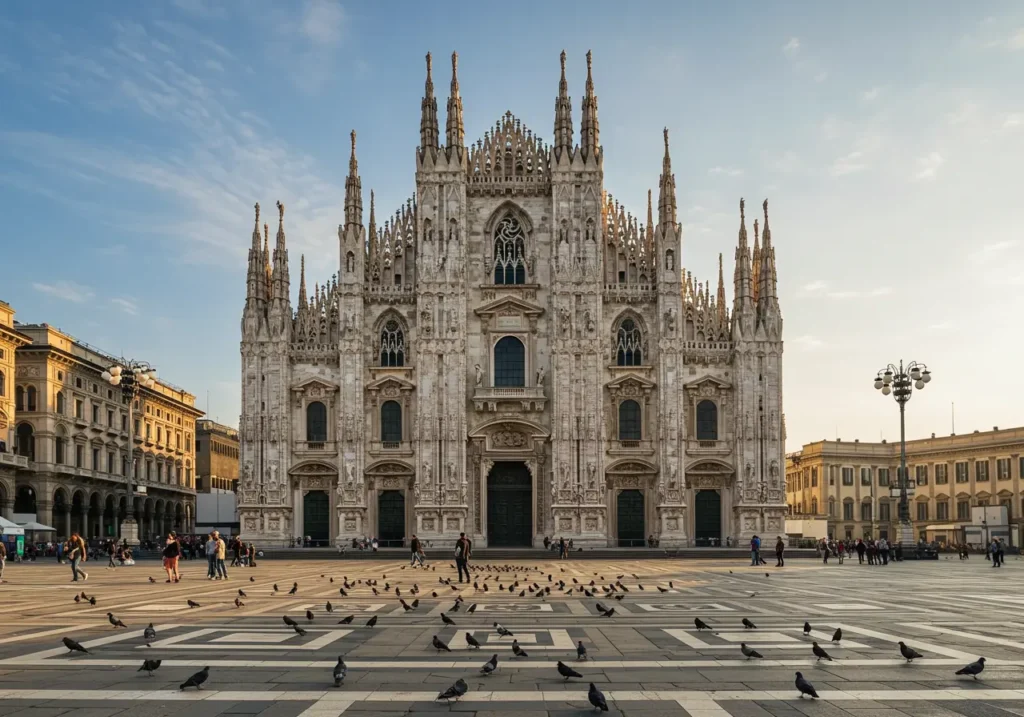
The magnificent Duomo di Milano stands as Milan’s crown jewel, featuring breathtaking Gothic architecture that took nearly six centuries to complete. This architectural masterpiece boasts over 3,400 statues, 135 spires, and intricate flying buttresses that create one of Europe’s most spectacular cathedral facades.
Visitors can explore the stunning interior with its soaring nave, beautiful stained glass windows, and ornate altars that showcase centuries of artistic achievement. The highlight experience involves climbing to the cathedral’s rooftop terraces, where panoramic views of Milan’s skyline and the distant Alps create unforgettable photo opportunities.
The Duomo’s elaborate facade tells stories through its detailed sculptures and reliefs, while the interior houses important religious artifacts and artworks. Plan to spend several hours appreciating this landmark’s architectural details, spiritual significance, and commanding presence in Milan’s historic center.
Galleria Vittorio Emanuele II
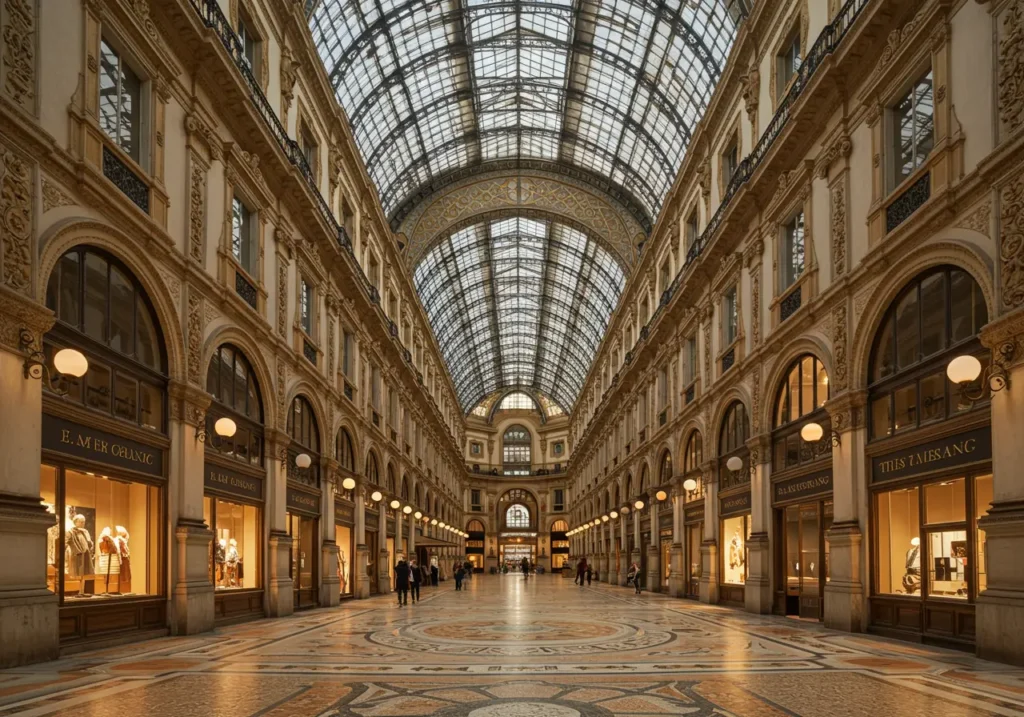
The elegant Galleria Vittorio Emanuele II represents Milan’s sophisticated shopping culture within a stunning 19th-century architectural setting. This glass-covered arcade connects Piazza del Duomo to La Scala, featuring luxury boutiques, historic cafés, and restaurants beneath beautiful iron and glass vaulting that creates natural illumination.
The gallery’s mosaic floors display intricate designs representing Italian cities, while the central octagon features stunning architectural details that attract photographers worldwide. Visitors traditionally spin their heels on the bull mosaic for good luck, adding a playful element to the sophisticated atmosphere.
Beyond shopping, the Galleria offers cultural experiences through its historic establishments like Caffè Biffi and elegant dining venues. The architectural beauty combined with luxury retail creates an atmosphere where fashion, culture, and Italian elegance converge in Milan’s most prestigious covered walkway.
Sforza Castle (Castello Sforzesco)
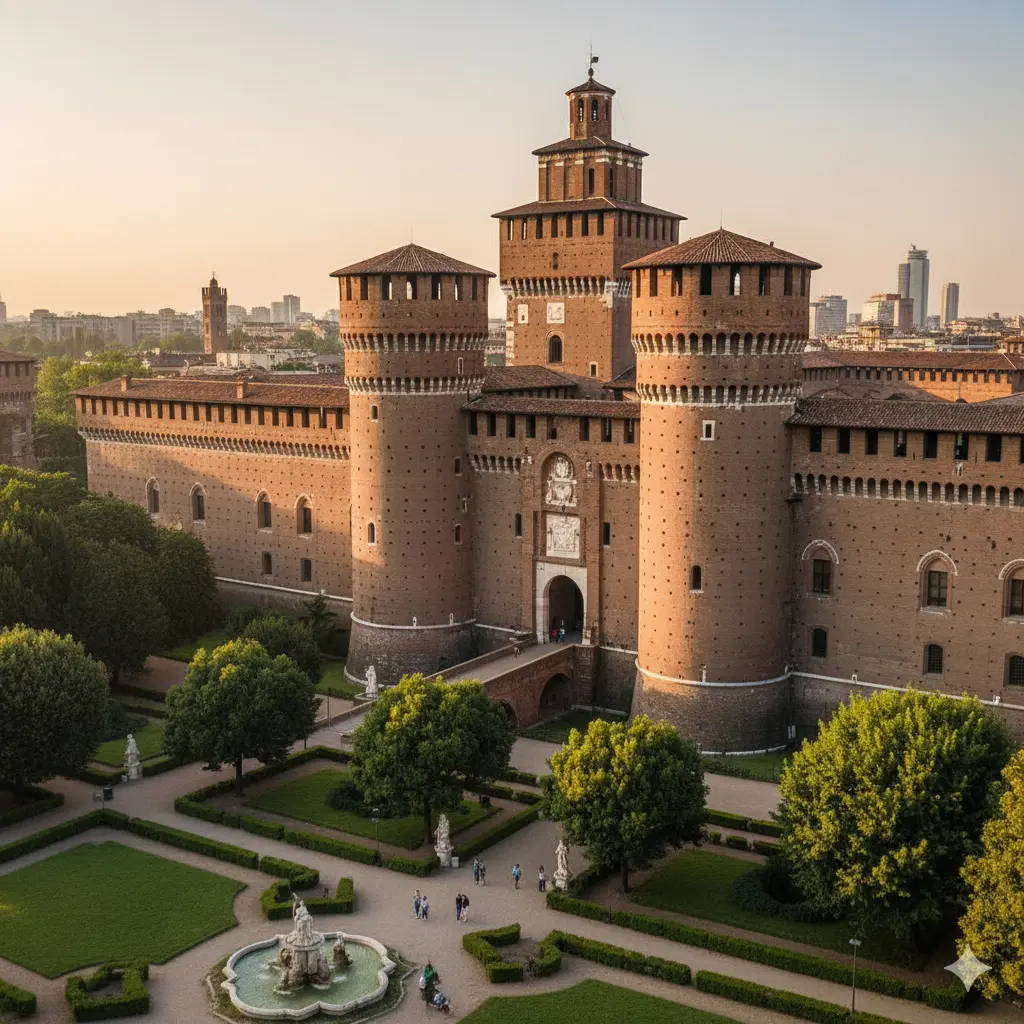
Castello Sforzesco dominates Milan’s landscape as a formidable 15th-century fortress that housed powerful Sforza and Visconti families. The castle’s impressive red-brick walls, defensive towers, and grand courtyards showcase medieval and Renaissance military architecture while housing world-class museums and art collections.
The castle complex contains several specialized museums, including ancient art collections, musical instruments, and decorative arts that span centuries of Milanese culture. Michelangelo’s final sculpture, the Pietà Rondanini, draws art enthusiasts to witness the master’s last artistic expression in an intimate museum setting.
Surrounding the castle, Sempione Park provides peaceful green space for relaxation after exploring the fortress. The combination of historical significance, artistic treasures, and beautiful gardens makes Castello Sforzesco essential for understanding Milan’s political and cultural evolution through the centuries.
La Scala Opera House (Teatro alla Scala)
Teatro alla Scala epitomizes operatic excellence and cultural sophistication, attracting music lovers worldwide to experience legendary performances in opera’s most prestigious venue. Since 1778, La Scala has premiered works by Verdi, Puccini, and other masters while maintaining its reputation as the pinnacle of operatic achievement.
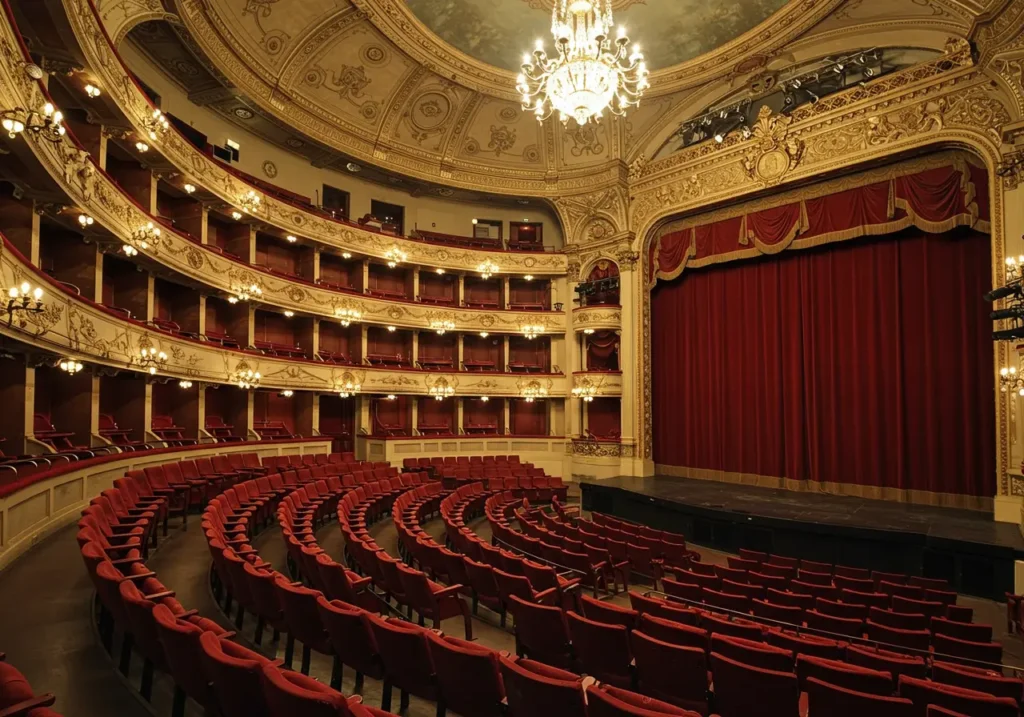
The theater’s elegant interior features plush red velvet seating, ornate golden decorations, and perfect acoustics that create an intimate yet grand atmosphere for world-class performances. Even when performances aren’t scheduled, the La Scala Museum offers insights into opera history through costumes, set designs, and memorabilia from legendary productions.
Guided tours provide access to the historic auditorium, backstage areas, and museum collections that reveal La Scala’s cultural significance. The experience connects visitors to Milan’s artistic heritage while showcasing why this venue remains opera’s most revered institution among performers and audiences globally.
Santa Maria delle Grazie & The Last Supper
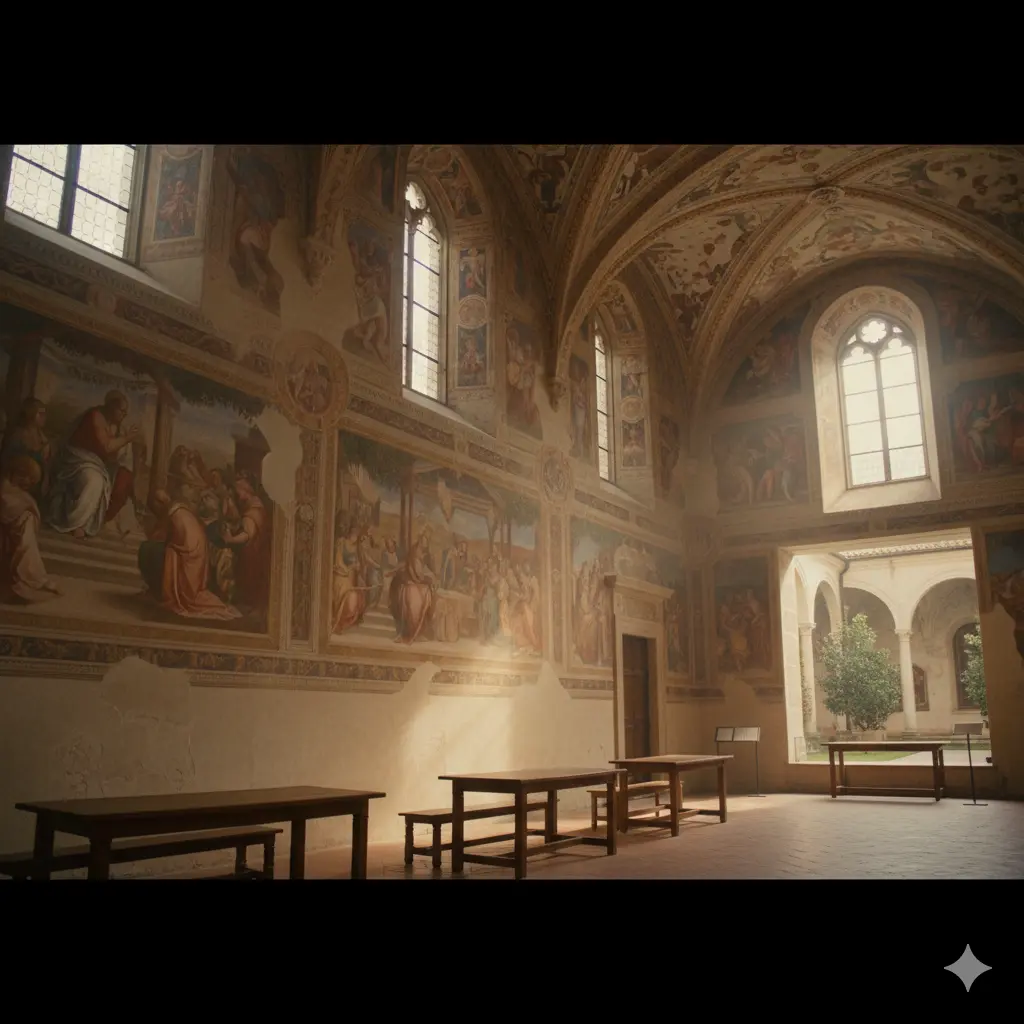
Santa Maria delle Grazie houses Leonardo da Vinci’s masterpiece “The Last Supper,” creating one of Milan’s most sought-after cultural experiences. This UNESCO World Heritage site combines Renaissance architecture with the world’s most famous religious fresco, painted directly on the convent’s refectory wall between 1495 and 1498.
The church itself showcases beautiful Renaissance design with elegant proportions, decorative elements, and peaceful cloisters that provide context for Leonardo’s artistic achievement. The contrast between the church’s serene atmosphere and the dramatic intensity of “The Last Supper” creates a profound cultural experience.
Advance reservations are essential due to limited visitor numbers and strict time limits designed to preserve the fragile fresco. The 15-minute viewing experience requires careful planning but delivers an intimate encounter with one of history’s greatest artistic achievements in its original setting.
Brera District & Pinacoteca di Brera
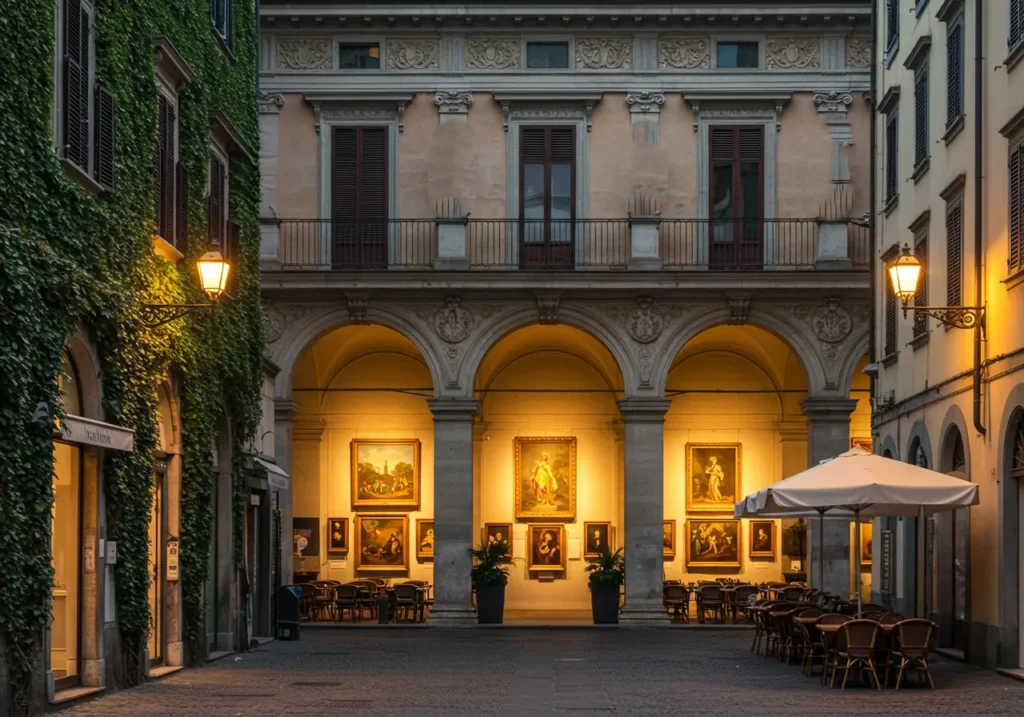
The charming Brera district embodies Milan’s artistic soul through cobblestone streets, art galleries, boutique shops, and intimate restaurants that create an authentic neighborhood atmosphere. This bohemian quarter attracts artists, intellectuals, and travelers seeking Milan’s creative side away from commercial tourist areas.
Pinacoteca di Brera houses one of Italy’s most important art collections, featuring masterpieces by Caravaggio, Raphael, and Mantegna within an elegant 17th-century palace setting. The museum’s intimate galleries allow close appreciation of Renaissance and Baroque artworks in a less crowded environment than major tourist attractions.
Evening hours transform Brera into Milan’s nightlife hub, with sophisticated aperitivo bars, jazz clubs, and restaurants offering authentic Milanese dining experiences. The district perfectly balances cultural sophistication with neighborhood charm, making it ideal for both daytime exploration and evening entertainment in Milan’s most artistic quarter.
San Siro Stadium
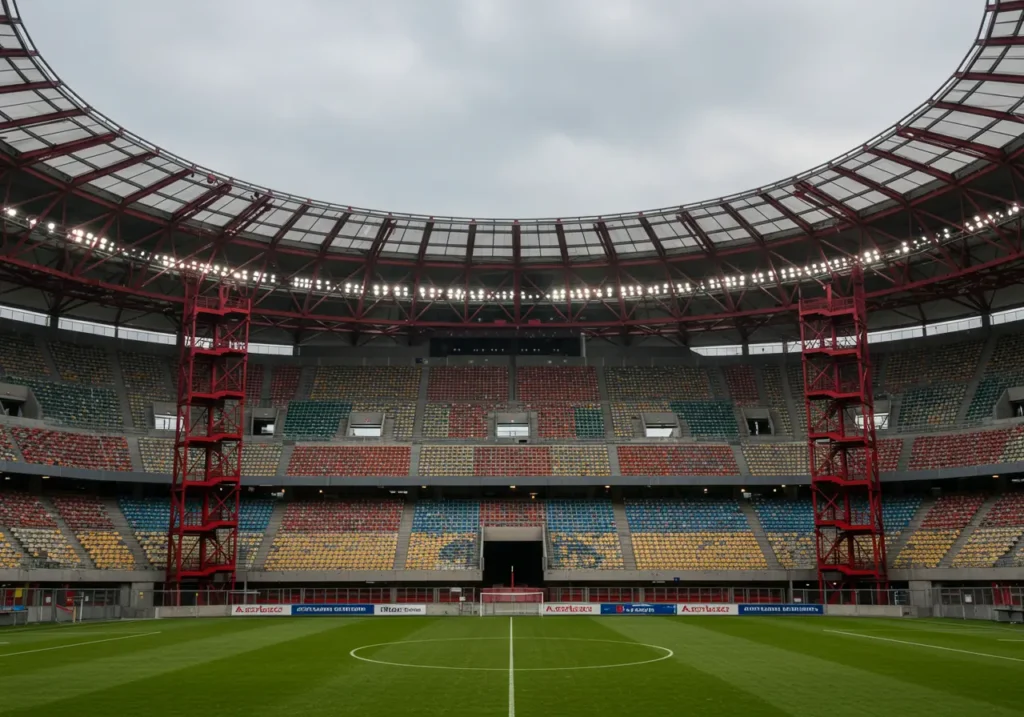
San Siro Stadium represents the passion of Milanese football culture, serving as home to both AC Milan and Inter Milan in one of world football’s most iconic venues. The stadium’s distinctive architecture and electric atmosphere during matches create unforgettable experiences for sports enthusiasts visiting Milan.
Stadium tours provide access to locker rooms, the pitch, press areas, and museum exhibitions that showcase the rich history of both Milan clubs. Interactive displays, trophies, and memorabilia tell the story of legendary players, historic matches, and the intense rivalry that defines Milanese football culture.
Even for non-football fans, San Siro’s architectural significance and cultural importance make it worth visiting. The stadium’s design innovations and capacity to host 80,000 passionate fans demonstrate how sports venues become cultural landmarks that unite communities and create shared experiences.
Monumental Cemetery (Cimitero Monumentale)
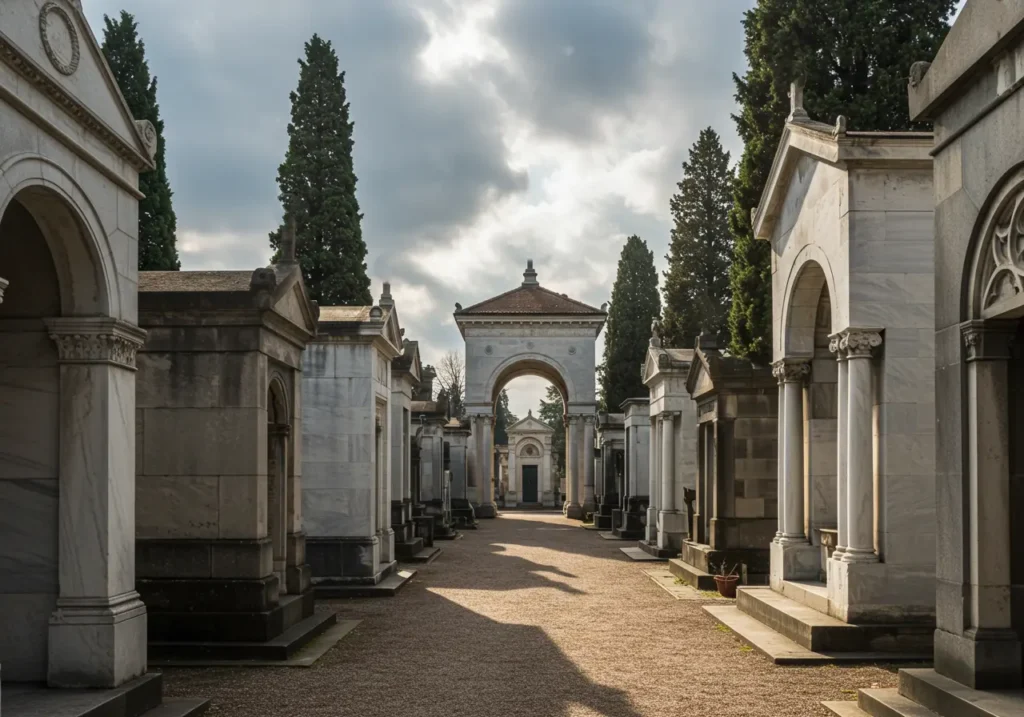
Cimitero Monumentale transforms the concept of cemeteries into an outdoor sculpture museum featuring elaborate tombs, artistic monuments, and beautiful landscaping. This unique landmark showcases Milan’s artistic heritage through commemorative sculptures created by renowned artists over more than a century.
The cemetery’s diverse architectural styles range from Art Nouveau to contemporary designs, creating a fascinating journey through artistic movements and cultural history. Notable family mausoleums display incredible craftsmanship while honoring prominent Milanese figures who shaped the city’s development.
Walking through the peaceful pathways reveals stories of Milan’s past through artistic memorials that serve as both cultural artifacts and beautiful sculptures. The cemetery offers a contemplative experience that connects visitors to Milan’s history while appreciating extraordinary artistic achievements in an unexpected setting.

Bosco Verticale (Vertical Forest)
Bosco Verticale represents Milan’s commitment to sustainable urban development through two innovative residential towers covered with thousands of plants and trees. This architectural marvel demonstrates how cities can integrate nature into dense urban environments while creating visually striking landmarks.
The towers’ unique design incorporates over 900 trees and 20,000 plants that provide natural air filtration, regulate temperature, and create habitat for birds and insects. This living facade changes with seasons, creating dynamic visual interest while addressing environmental concerns in urban planning.
Beyond environmental benefits, Bosco Verticale showcases Milan’s position as a leader in sustainable architecture and urban innovation. The project inspires similar developments worldwide while providing visitors with a glimpse into the future of environmentally conscious city design that balances human needs with ecological responsibility.
Piazza del Duomo
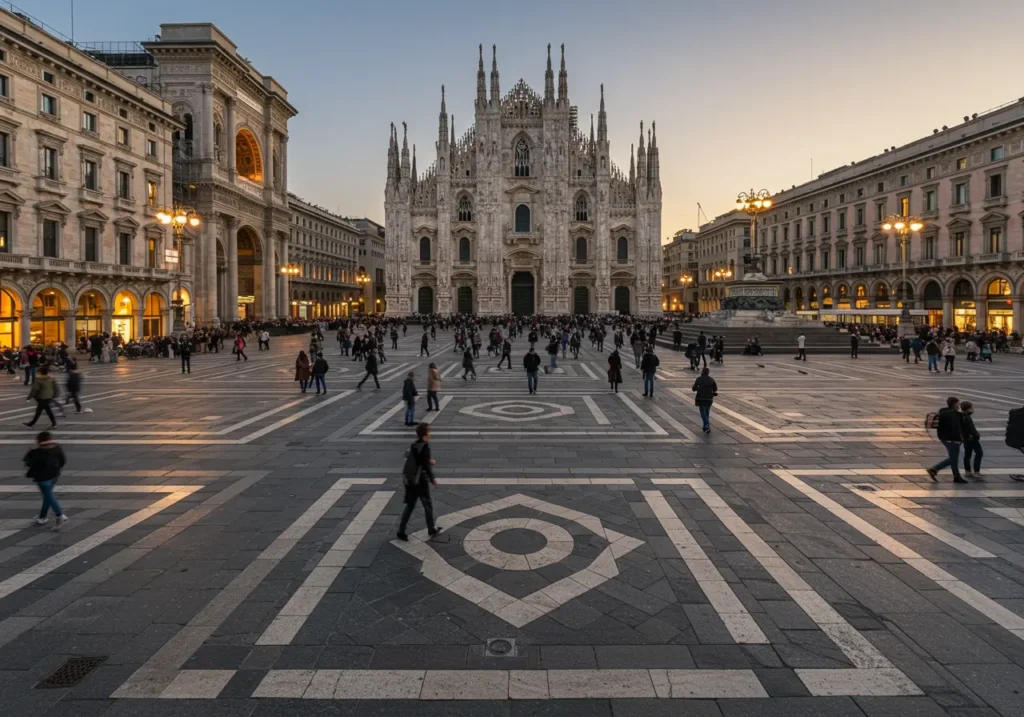
Piazza del Duomo serves as Milan’s beating heart, where the magnificent cathedral, elegant Galleria, and historic palaces create one of Europe’s most spectacular urban squares. This grand plaza has witnessed centuries of Milanese history while maintaining its role as the city’s primary gathering place.
The square’s impressive scale and architectural harmony create a dramatic setting for the Duomo’s Gothic splendor, while surrounding buildings showcase different historical periods. Street performers, tourists, and locals create a vibrant atmosphere that captures Milan’s dynamic energy throughout the day.
Evening illumination transforms the piazza into a magical setting where architectural details emerge under carefully designed lighting. The combination of historical significance, architectural beauty, and contemporary urban life makes Piazza del Duomo essential for understanding Milan’s character and cultural importance.
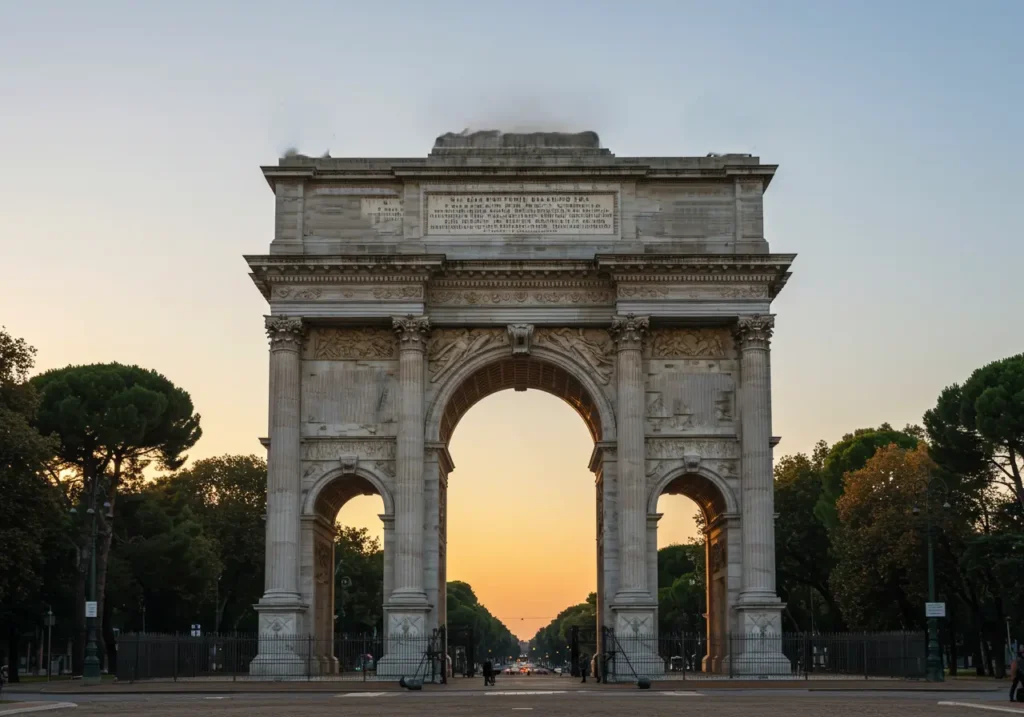
Arco della Pace (Arch of Peace)
Arco della Pace stands majestically at the entrance to Sempione Park, representing Milan’s neoclassical architectural heritage through its impressive triumphal arch design. Built in the early 19th century, this monument celebrates peace and showcases the artistic ambitions of post-Napoleonic Milan.
The arch’s detailed sculptural decorations and classical proportions create a striking focal point that connects the city center to the expansive green spaces of Sempione Park. The monument’s historical significance reflects Milan’s complex political history while demonstrating the city’s artistic and architectural achievements.
Surrounding the arch, the park provides peaceful respite from urban energy while offering views back toward the city center. The combination of monumental architecture and natural landscaping creates a perfect setting for reflection, photography, and appreciation of Milan’s commitment to preserving green spaces within urban development.
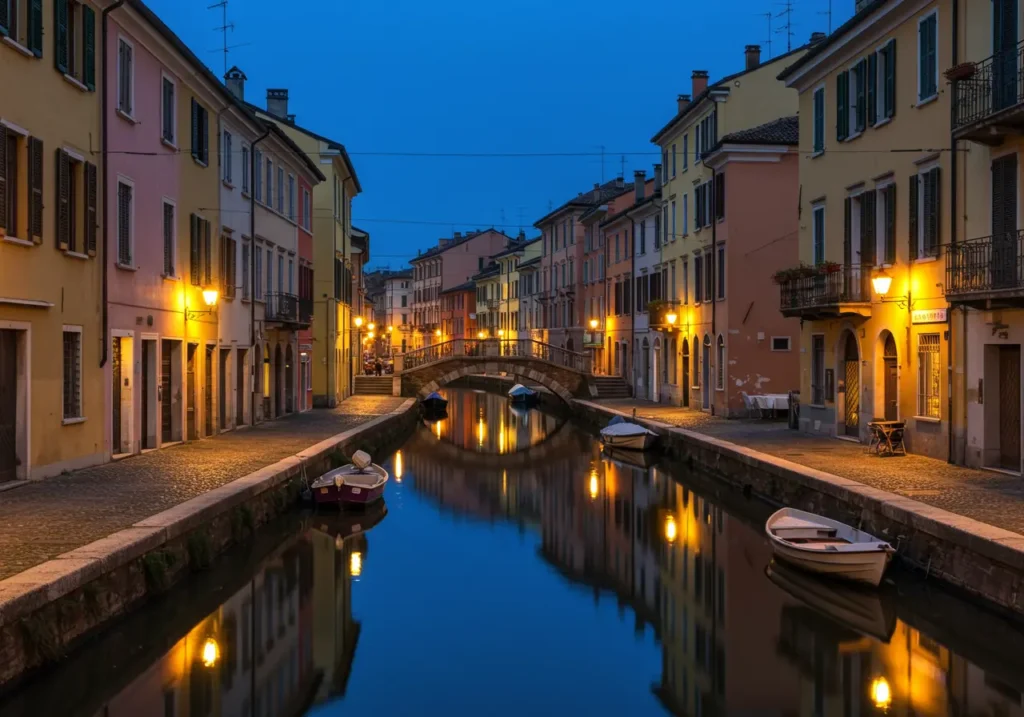
Navigli Canals
The historic Navigli canal system represents Milan’s medieval engineering prowess while serving as the city’s premier nightlife and dining destination. These ancient waterways, partially designed by Leonardo da Vinci, connected Milan to major rivers and facilitated trade that built the city’s prosperity.
Today, the canals host vibrant aperitivo culture with waterside restaurants, bars, and cafés that create a unique atmosphere combining historical charm with contemporary social life. The area attracts locals and visitors seeking authentic Milanese evening experiences away from tourist-centered venues.
Canal-side walks reveal charming architecture, historic bridges, and glimpses into daily Milanese life while providing insights into the city’s commercial and engineering history. The Navigli perfectly demonstrate how cities can preserve historical infrastructure while adapting it for contemporary cultural and social purposes.
FAQs
Is it safe to travel in Milan?
Milan is generally very safe for tourists, with low crime rates and excellent emergency services. Like any major city, visitors should remain aware of pickpockets in crowded areas, particularly around tourist attractions and public transportation. The city center is well-patrolled and most neighborhoods are safe for walking during both day and evening hours.
What’s the best month to visit Milan?
The ideal time to visit Milan is during spring (April-May) and fall (September-October) when temperatures are comfortable and rainfall is minimal. Summer can be hot and humid, while winter offers fewer crowds but shorter daylight hours. Consider your interests: fashion weeks occur in February/March and September/October, while opera season runs from December through May.
Do I need to speak Italian to get by in Milan?
English is widely spoken in tourist areas, hotels, restaurants, and shops, making it easy to navigate Milan without Italian language skills. However, learning basic Italian phrases enhances your experience and is appreciated by locals. Many signs, menus, and transportation information include English translations, particularly in areas frequented by international visitors.
Conclusion
Milan’s stunning landmarks offer an extraordinary journey through centuries of art, architecture, culture, and innovation that will leave lasting impressions on every traveler. From the Gothic magnificence of the Duomo to the cutting-edge sustainability of Bosco Verticale, these twelve destinations showcase why Milan ranks among Europe’s most captivating cities.
Each landmark tells part of Milan’s fascinating story, whether through Leonardo’s artistic genius at Santa Maria delle Grazie, the operatic excellence of La Scala, or the vibrant social life along the historic Navigli canals. These experiences combine to create a comprehensive understanding of Milan’s unique character and cultural significance.
Pack your bags and start exploring Milan’s treasures today! These iconic landmarks await your discovery, promising unforgettable memories and insights into one of Italy’s most dynamic cities.
Join thousands of travelers who fell in love with Milan’s magic and discovered that this sophisticated metropolis offers far more than fashion and business – it’s a cultural destination that rivals any European capital for beauty, history, and authentic Italian experiences.